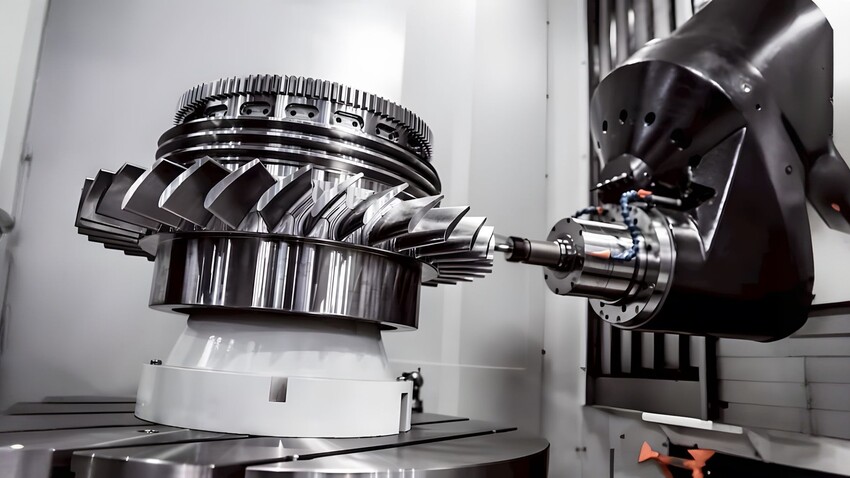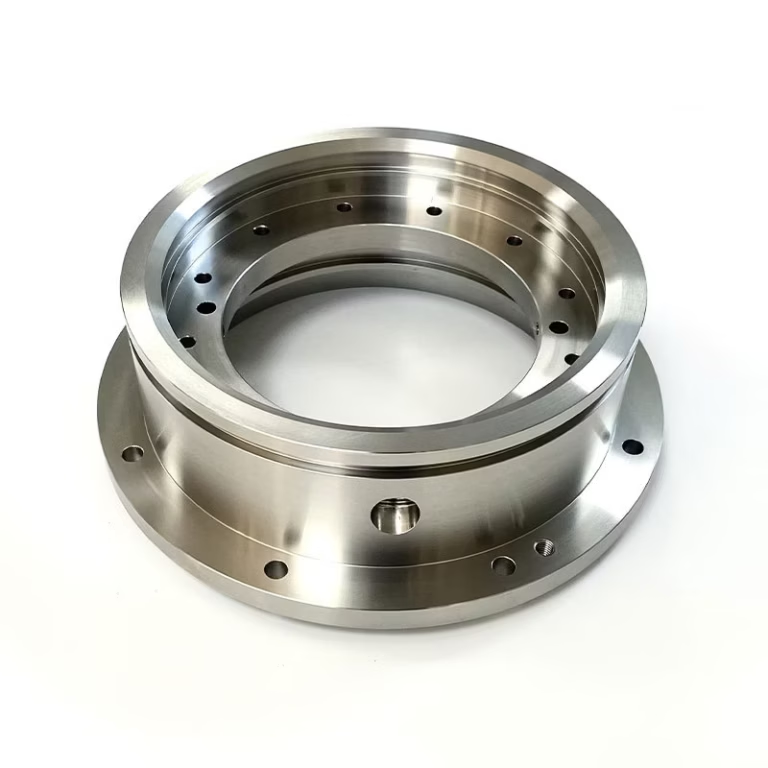
For manufacturers and workshop owners in the precision parts machining and customization field, investing in CNC equipment is a major capital decision. While new machines offer the latest technology and warranties, the used CNC machine market presents a compelling opportunity for significant cost savings and faster ROI. However, navigating this market requires a keen eye and systematic approach to avoid costly mistakes. As a senior manufacturing engineer with extensive experience in equipment procurement and integration, I will outline the critical factors to consider when purchasing used CNC machines.
H2: Why Consider a Used CNC Machine?
Before diving into the checklist, it’s worth understanding the appeal. A used CNC machine, particularly from a reputable previous owner, can deliver 80-95% of the performance of a new model at 40-70% of the cost. This allows workshops to expand capacity, add a specialized machining capability (like a 5-axis machine), or replace aging equipment without the steep depreciation hit of a new asset. For job shops or startups, this can be the difference between taking on a new contract or not.
H2: The Comprehensive Pre-Purchase Evaluation Framework
Purchasing a used machine is not about finding the cheapest option; it’s about finding the best value—a machine that will be reliable, accurate, and productive for years to come.
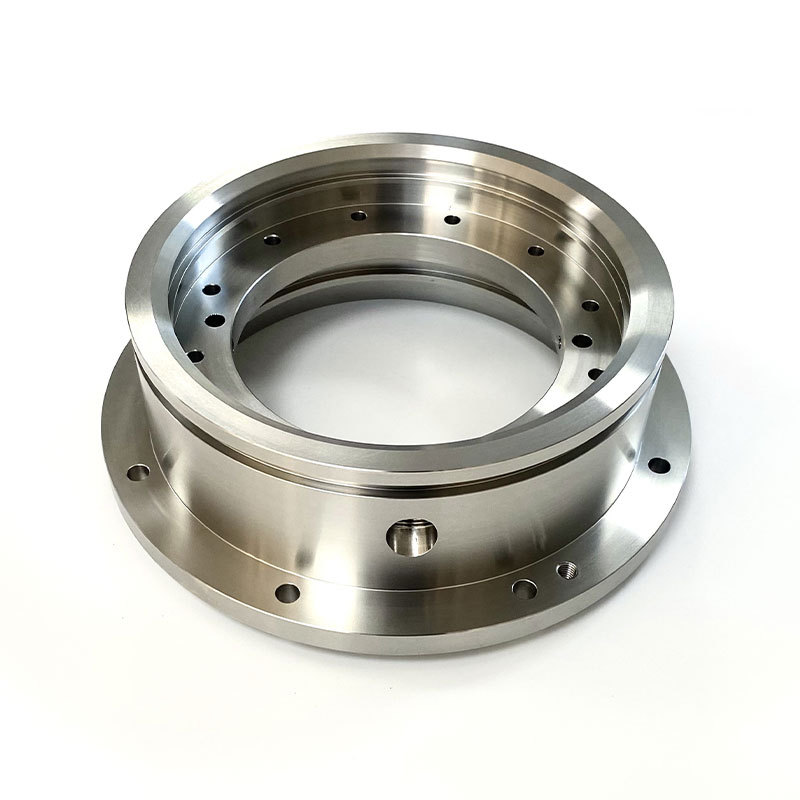
H3: 1. Machine Condition and Mechanical Integrity
This is the foundation. A shiny exterior means little if the core components are worn.
Inspection Under Power: This is non-negotiable. You must see the machine run. Listen for unusual vibrations, knocks, or whines from the spindle, axis drives, and ball screws. Observe the smoothness of axis movements at various feed rates.
Spindle Health: The spindle is the heart of the machine. Check for:
Runout: Use a test indicator to measure radial and axial runout. Excessive runout (> 0.0015″ or 0.038mm for precision work) indicates bearing wear.
Temperature and Noise: Run the spindle at its maximum rated RPM for 30-60 minutes. It should not become excessively hot or noisy.
Tool Holder Retention: Test the tool release/retention force (for CAT, BT, HSK holders). Weak retention can cause tool pull-out during machining.
Axis Way and Ball Screw Wear: Check for backlash and wear on the linear guides and ball screws.
Backlash: Use a dial indicator to measure the “slop” or lost motion when an axis changes direction. Backlash compensation can fix some, but physical wear is a major concern.
Visual Inspection: Look for scoring, pitting, or loss of lubrication on ways. Check bellows and way covers for damage that may have allowed contaminant ingress.
Accuracy & Repeatability Test: Request a laser interferometer or ballbar test report if available. If not, practical test cuts are essential. Machine a test piece (like a NAS 979 circle-diamond-square part) and measure the results with a CMM to verify geometric accuracy, circularity, and positioning repeatability.
H3: 2. Control System and Electronics
An outdated or faulty control system can render a mechanically sound machine useless or exorbitantly expensive to repair.
CNC Controller Model and Age: Identify the make and model (e.g., Fanuc 30i, Siemens 840D, Heidenhain TNC640). Research its reliability, spare part availability, and support costs. Very old or obsolete controls are a significant risk.
Software and Parameters: Ensure all original parameters are backed up and available. Their loss can be a catastrophe. Check the software version and available options (e.g., high-speed machining, look-ahead, 5-axis transformation).
Drive Systems and Servo Motors: Inspect servo motors and drives for signs of overheating or damage. Listen for unusual humming or jerky movements during axis motion, which can indicate failing drives or feedback devices (encoders/resolvers).
I/O and Peripheral Functionality: Test all inputs and outputs. Manually operate the coolant pump, chip conveyor, tool changer, and automatic doors. A malfunctioning tool changer can cause massive downtime.
H3: 3. Documentation and Service History
A well-documented machine is typically a well-maintained machine.
Maintenance Logs: Request detailed records of preventive maintenance, lubrication schedules, and part replacements.
Electrical and Mechanical Manuals: Ensure you receive full sets of manuals. Without wiring diagrams, troubleshooting becomes guesswork.
Reason for Sale: Try to ascertain why the machine is being sold. Was it part of a plant closure (often good), or was it being used until it broke down (potential red flag)?
H3: 4. The Supplier’s Credibility
Where you buy from is as important as what you buy.
Dealer vs. Direct: Buying from a specialized used machinery dealer often includes a limited warranty, reconditioning, and technical support. Buying directly from another company (“as-is, where-is”) carries more risk but may be cheaper.
Inspection & Demo: Be wary of sellers who resist a thorough, under-power inspection. Reputable sellers will encourage it.
Post-Sale Support: Does the supplier offer installation guidance, training, or service contacts? Can they source spare parts?
H2: New vs. Used: A Strategic Comparison
| Feature | New CNC Machine | Used CNC Machine |
|---|---|---|
| Capital Cost | Very High | Significantly Lower |
| Technology | Latest features, software | May be 1-2 generations behind |
| Warranty | Full, comprehensive warranty (1-3 years) | Limited or none (“as-is”) |
| Lead Time | Long (several months) | Short (immediate availability) |
| Depreciation | Highest in first 2-3 years | Most depreciation already absorbed |
| Reliability Risk | Low | Higher – depends on history |
| Customization | Can be ordered to spec | Fixed configuration |
| Financing | Easier through manufacturer | May require third-party lenders |
Conclusion
Purchasing a used CNC machine is a strategic decision that blends technical diligence with financial savvy. It is not merely a transaction but a critical investment in your production capability. The key to success lies in a meticulous, step-by-step evaluation of the machine’s mechanical, electrical, and historical health, combined with a clear understanding of your own production needs. For workshops looking to enter the realm of complex part manufacturing, such as adding 5-axis CNC machining{target=”_blank”} capability, a well-vetted used machine can be the perfect gateway technology. By focusing on condition over cosmetics and documentation over mere promises, you can secure a powerful asset that enhances your competitiveness without straining your capital reserves. Remember, the cheapest price upfront often leads to the highest cost of ownership later.
Frequently Asked Questions (FAQ)
Q1: What is the single most important thing to check on a used CNC machine?
A: A comprehensive test under power. Everything else is theoretical until you see and hear the machine run through its paces, test the spindle under load, and verify the functionality of the tool changer and all axes. Never buy a machine “sight unseen” or based on static photos alone.
Q2: How many hours on the spindle is considered “high” for a used machine?
A: There’s no universal number, as it depends on the spindle type and duty cycle. A 20,000 RPM grease-packed spindle might be near end-of-life at 15,000 hours, while a lower-speed, oil-cooled spindle could run reliably for 40,000+ hours. Context from maintenance records is crucial. High hours with excellent maintenance are often better than low hours with poor care.
Q3: Are machines from auctions a good deal?
A: They can be, but they represent the highest risk. Auction purchases are almost always “as-is, where-is” with no inspection under power and no warranty. They should only be considered by very experienced buyers or those with in-house rebuild capabilities who can absorb potential major repairs.
Q4: How do I handle compatibility with my existing CAM software and tooling?
A: Before purchasing, confirm the control system’s post-processor compatibility with your CAM software. Also, check the tool holder taper (CAT, BT, HSK). Investing in a new set of tool holders may be necessary, which should be factored into the total cost.
Q5: What role can a partner like GreatLight Metal play in this process?
A: While we are primarily a service provider, our deep operational experience with a wide array of CNC equipment gives us unique insight. We understand what makes a machine reliable for precision work. Engaging with an experienced manufacturing partner can provide a valuable second opinion on machine suitability for specific precision part applications. To see how a focus on process and reliability translates into finished parts, you can follow our industry insights on LinkedIn{target=”_blank”}.