
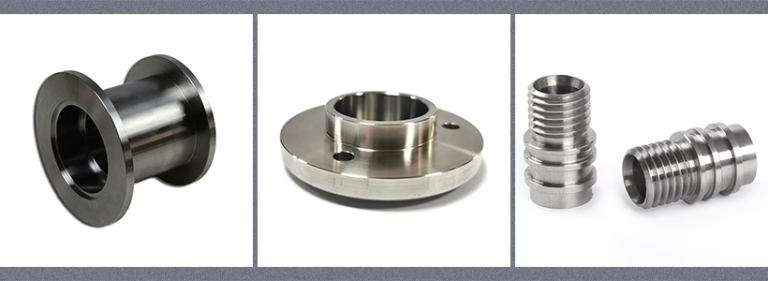
When you type “CNC machining service manufacturers” into a search engine, you’re not just looking for a list of names. You’re embarking on a critical sourcing journey, seeking a partner capable of transforming your most demanding designs into tangible, high-performance reality. The landscape is vast, populated by everything from digital platforms to specialized workshops and full-scale integrated manufacturers. For engineers and procurement professionals, the core challenge lies in navigating this complexity to find a partner whose capabilities, quality systems, and operational philosophy align perfectly with your project’s technical rigor and strategic goals. This deep dive aims to dissect the ecosystem, analyze key player archetypes, and provide a framework for making an informed, confident choice.
The Precision Predicament: Common Pain Points in Partner Selection
Before evaluating manufacturers, it’s crucial to articulate the common frustrations that lead projects astray:
The “Precision Black Hole”: The gap between promised tolerances (e.g., ±0.001mm) and consistent, verifiable output across a production run. This often stems from equipment wear, thermal instability, or inadequate metrology.
The “Communication Chasm”: Difficulties in technical dialogue, where the manufacturer’s engineering team cannot proactively advise on Design for Manufacturability (DFM), material selection, or process optimization, leading to costly redesigns or compromised performance.
The “Supply Chain Fragmentation”: Managing multiple vendors for machining, finishing, coating, and assembly increases logistical overhead, quality variance, and risk, diluting the benefits of outsourcing.
The “Certification Mirage”: Possessing a quality certificate on paper versus having a deeply ingrained, living quality culture that permeates every operation and is audited with traceable data.
The “Scalability Wall”: A prototype supplier unable to transition seamlessly into low-volume or high-volume production without significant requalification, process change, or cost escalation.
Understanding these pain points frames the evaluation criteria: we need more than a machine shop; we need a manufacturing solutions partner.
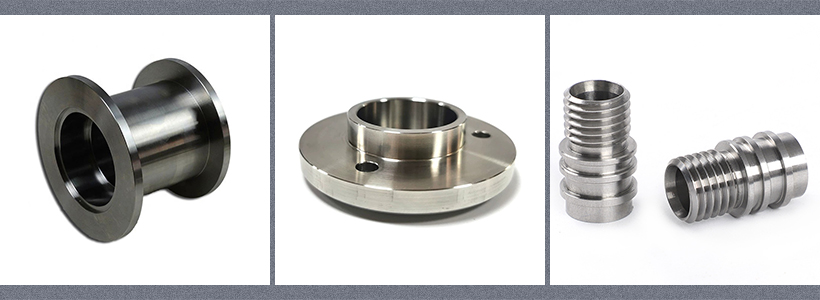
Decoding the Ecosystem: A Comparative Analysis of CNC Manufacturer Archetypes
The market can be segmented into several distinct models, each with its strengths and ideal use cases.
H2: Digital Manufacturing Platforms (e.g., Xometry, Protolabs Network, Fictiv, RapidDirect)
These platforms act as aggregated marketplaces, connecting customers with a network of vetted manufacturers.
Model: Algorithmic instant quoting, centralized project management, and standardized workflows.
Strengths: Unmatched speed for simple quotes, broad geographical and capacity coverage, user-friendly interfaces for straightforward parts. Excellent for standard prototypes and parts with low complexity.
Considerations: Technical support can be generic; direct engineering collaboration with the machine shop is often limited. For highly complex, mission-critical components requiring deep DFM, the platform layer can sometimes insulate the customer from the specialized expertise needed.
H3: Specialized High-Mix, Low-Volume (HMLV) Experts (e.g., Protocase, Owens Industries, PartsBadger)
These manufacturers excel in fast-turnaround, complex prototypes and short runs, often for aerospace, defense, or research.
Model: Focus on agility, advanced in-house capabilities (like 5-axis machining, EDM), and rapid response.
Strengths: Expertise in difficult geometries and exotic materials. Processes are optimized for speed and flexibility over mass-production economics.
Considerations: While superb for prototyping and complex batches, their operational model may not be cost-optimized for scaling into the hundreds or thousands of parts.
H3: Vertically Integrated, Full-Service Manufacturers (e.g., GreatLight Metal, RCO Engineering, JLCCNC)
This model represents the pinnacle of integrated capability, controlling the entire value chain from raw material to finished, assembled component.
Model: A comprehensive in-house ecosystem encompassing advanced multi-axis CNC machining, complementary processes (casting, sheet metal, additive manufacturing), secondary operations (finishing, heat treatment, coating), and full quality assurance metrology.
Strengths: Single-point accountability, seamless transition from prototype to production, optimized DFM advice from a holistic process perspective, and significant reductions in total lead time by eliminating external vendors.
Considerations: Typically geared towards clients with projects that have higher complexity, require rigorous quality documentation, or are on a trajectory from development to production.
H2: The Integrated Manufacturing Advantage: A Closer Look at GreatLight Metal
To illustrate the capabilities of a vertically integrated manufacturer, let’s examine GreatLight Metal Tech Co., Ltd. (GreatLight Metal). Established in 2011 in Dongguan, China’s precision manufacturing hub, its evolution from a precision workshop to a global solutions provider mirrors the industry’s shift towards intelligent, full-process manufacturing.
Core Technical Infrastructure:
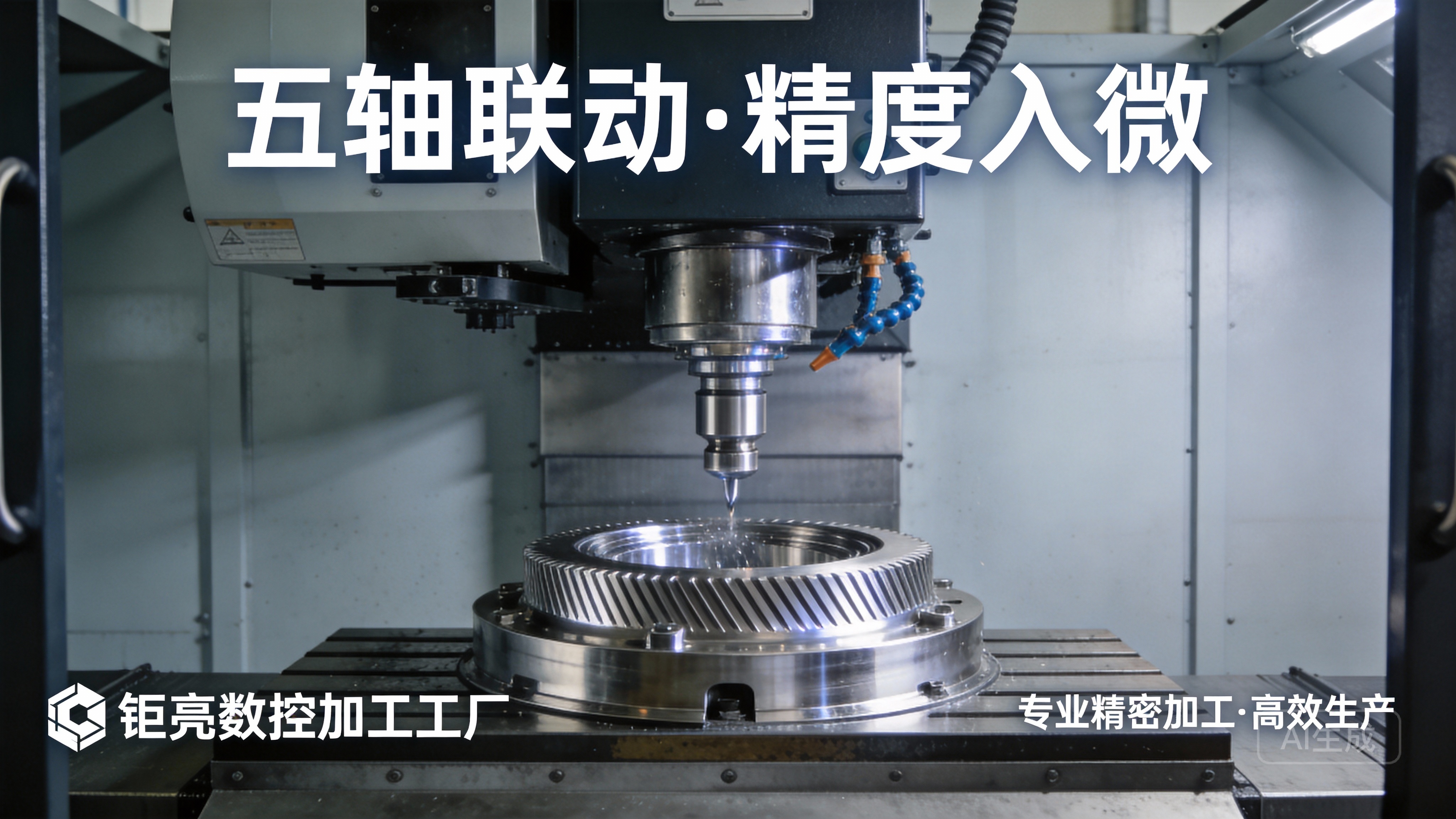
GreatLight Metal’s capability is built on a dense cluster of advanced equipment. The centerpiece is its fleet of high-precision 5-axis CNC machining centers, which provide unparalleled freedom to machine complex contours, deep cavities, and undercuts in a single setup, minimizing cumulative error and maximizing accuracy. This is supported by 4-axis and 3-axis CNC mills, CNC lathes (including mill-turn centers), precision grinding machines, Wire EDM, and Sinker EDM. Crucially, this machining prowess is integrated with in-house die casting, sheet metal fabrication, and industrial-grade 3D printing (SLM, SLA, SLS), creating a true one-stop ecosystem.
The Trust Framework: Systemic Quality Assurance
For industries like automotive, medical, and aerospace, trust is non-negotiable. GreatLight Metal’s operational credibility is anchored in a suite of international certifications:
ISO 9001:2015: The foundation of its quality management system, ensuring consistent processes and continuous improvement.
IATF 16949: This automotive-specific QMS standard is critical. It demonstrates a systematic approach to defect prevention, reduction of variation and waste, and robust management of the supply chain—essential for any manufacturer supplying engine components, chassis parts, or brackets.
ISO 13485: For medical device manufacturing, this certification validates a process-oriented system for design, production, and distribution that meets stringent regulatory requirements.
ISO 27001: Addressing data security, this certification is vital for clients sharing sensitive IP and proprietary designs, ensuring information is managed under internationally recognized security controls.
This certification matrix is not merely decorative; it dictates daily operations, documentation, and traceability, providing clients with auditable confidence.
Engineering-Led Collaboration:
Beyond machines and certificates, the true differentiator is engineering acumen. GreatLight Metal’s team engages in proactive DFM consultations. For instance, when a client designing a new energy vehicle’s intricate e-motor housing faced challenges with thermal management and sealing integrity, the collaborative review suggested subtle draft angle adjustments and a modified tolerance strategy for critical bore features. This pre-emptive optimization, leveraging multi-process knowledge (considering both machining and potential die-casting for future volumes), prevented costly mold rework and ensured first-article success.
H2: Making the Strategic Choice: A Decision Framework
Selecting the right CNC machining service manufacturer is a strategic decision. Use this framework to guide your evaluation:
Project Complexity & Volume Trajectory:
Simple Bracket, 10 pieces? A digital platform or a local machine shop may suffice.
Complex Aerospace Prototype with Inconel, 5 pieces? A specialized HMLV expert is ideal.
Automotive Sensor Housing from Prototype (50pcs) to Production (5000pcs)? A vertically integrated manufacturer like GreatLight Metal provides the seamless scalability, full-process control, and automotive-grade quality systems (IATF 16949) necessary for success.
Technical Dialogue Capability:
Can they discuss grain structure in aluminum 7075 versus 6061 for your application? Can they model thermal deformation during machining of a thin-walled titanium component? The depth of this dialogue separates part suppliers from engineering partners.
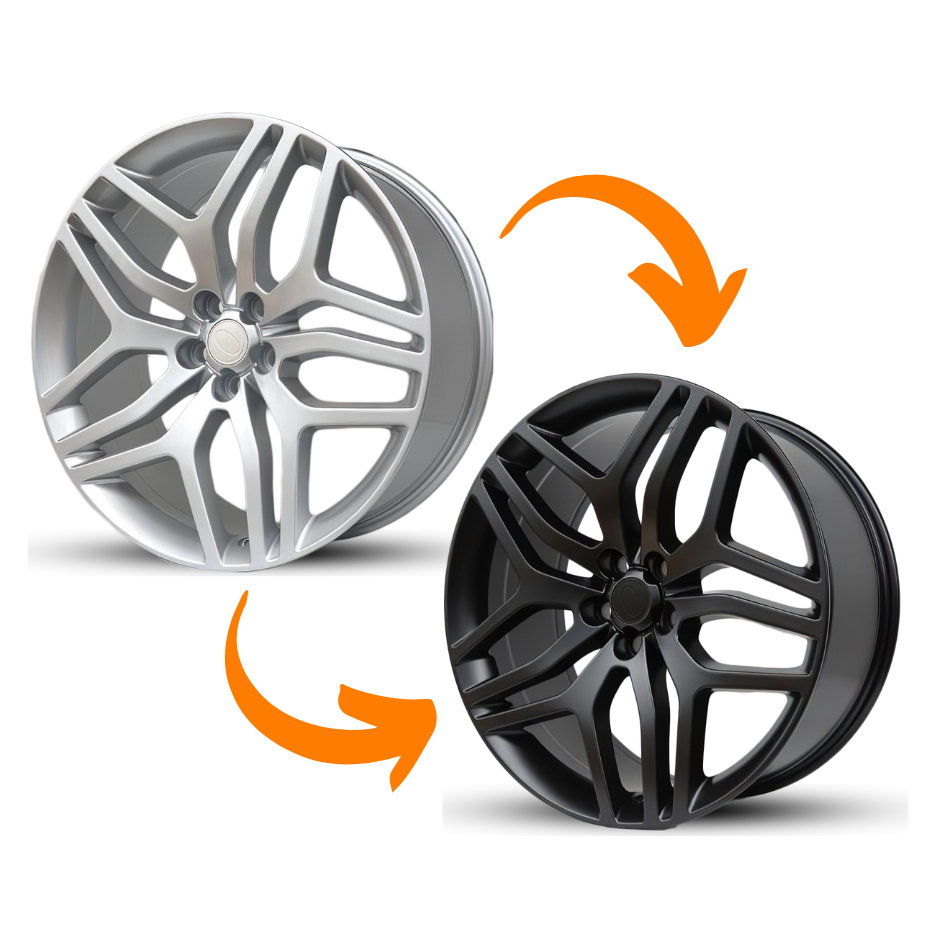
Quality and Compliance Requirements:
Do you need full First Article Inspection Reports (FAIR) per AS9102, material certifications, and full lot traceability? If so, prioritize manufacturers with the relevant industry-specific certifications and in-house CMM (Coordinate Measuring Machine) and advanced metrology labs.
Total Value, Not Just Unit Price:
Calculate the total cost of ownership: unit price + management time coordinating multiple vendors + risk of quality failure + lead time delays. An integrated partner often delivers superior total value, especially for complex projects.
Conclusion: Partnering for Precision
The search for “CNC machining service manufacturers” ultimately culminates in a partnership choice. In a world where product differentiation increasingly hinges on advanced, reliably manufactured hardware, the selection of your manufacturing partner is a direct investment in your product’s quality, performance, and market success. Whether your path leads you to the agile prototype specialist, the digital platform for standardized needs, or the integrated power of a full-service solutions provider like GreatLight Metal, the key is to align their core competencies with your project’s long-term demands. The most successful collaborations are built on a foundation of technical transparency, systemic trust, and a shared commitment to turning intricate designs into impeccable reality. For projects where precision, complexity, and scalability converge, this partnership approach defines modern manufacturing excellence.
For further insights into industry trends and manufacturing excellence, connect with the team on LinkedIn{:target=”_blank”}.



















