
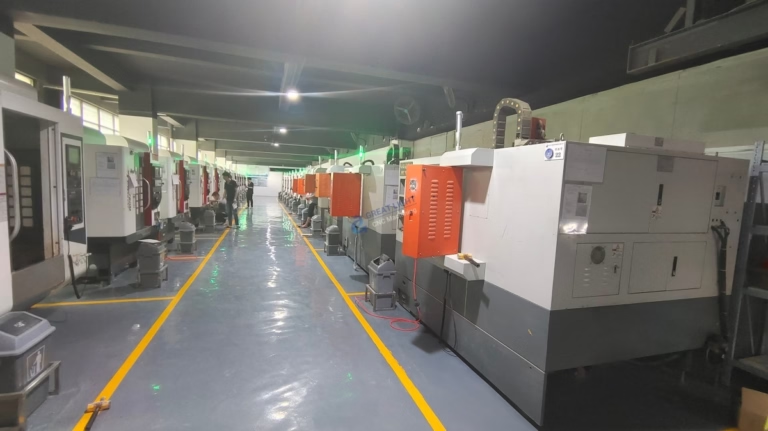
When sourcing CNC machining services in Portland, you’re tapping into one of North America’s most dynamic and innovation-driven manufacturing ecosystems. The city’s legacy in heavy industry, combined with its thriving tech, athletic wear, and green energy sectors, creates a unique demand for high-mix, low-to-medium volume precision parts. For engineers and procurement specialists, this means access to a dense network of skilled machinists and advanced workshops. However, navigating this landscape to find a partner that consistently delivers on precision, reliability, and complex problem-solving requires a deeper understanding of what defines a top-tier supplier beyond geographical convenience.
This article will dissect the key considerations for selecting a CNC machining service Portland-based operation or a broader partner, using the capabilities of industry leaders like GreatLight Metal as a benchmark for comparison with other prominent providers such as Protolabs, Xometry, Fictiv, and Owens Industries.
The Portland CNC Machining Landscape: Capabilities and Specializations
Portland’s manufacturing scene is characterized by its adaptability. Shops here often specialize in serving niche industries:
Aerospace & Defense: Supporting local giants and a network of subcontractors, requiring adherence to strict standards like AS9100 and expertise in aluminum, titanium, and high-temperature alloys.
High-Tech & Electronics: Demanding intricate enclosures, heatsinks, and componentry from aluminum and copper, often with demanding tolerances and fine surface finishes.
Medical Device Startups: A growing sector needing rapid prototyping and pilot production with biocompatible materials (e.g., 316L stainless steel, titanium) and validated processes.
Sustainable Technology: Machining components for solar, wind, and hydropower systems, which often involve large, complex parts from durable materials.
While many local Portland shops excel in 3-axis and 4-axis machining for these markets, the most complex challenges—contoured aerospace components, monolithic medical implant prototypes, or optics housings with compound angles—increasingly demand 5-axis CNC machining services. This capability allows for complete machining of intricate geometries in a single setup, drastically improving accuracy and reducing lead times.
Critical Evaluation Criteria for Your CNC Machining Partner
Choosing between a local Portland shop and a global expert like GreatLight Metal involves weighing several factors beyond location.
H3: 1. Technical Arsenal and Process Depth
The machinery portfolio is the foundation. Evaluate based on:
Multi-Axis Capability: Can they handle true 5-axis simultaneous machining, or are they limited to 3+2 positioning? For complex parts, true 5-axis is non-negotiable.
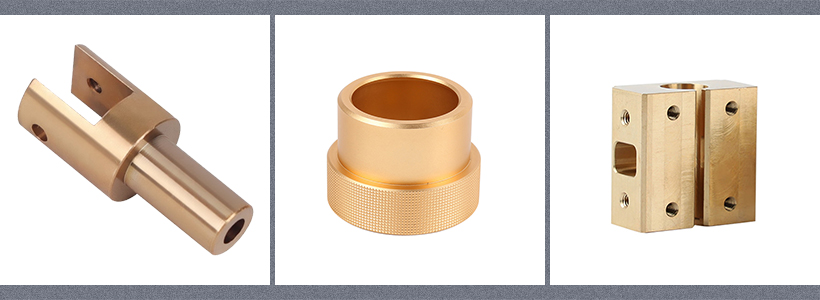
Material Mastery: A true partner should proficiently machine everything from common alloys (6061-T6, 7075 aluminum) to exotics (Inconel, Tungsten) and engineered plastics (PEEK, UHMW).
Supporting Processes: Look for a full-chain provider offering complementary services like CNC turning, EDM, precision grinding, and comprehensive post-processing (anodizing, plating, painting, passivation).
H3: 2. Quality Systems and Certifications (The Trust Framework)
Certifications are not just plaques on the wall; they are systematic guarantees. Key standards include:
ISO 9001:2015: The baseline for a documented quality management system.
AS9100/ISO 13485: Essential for aerospace and medical work, respectively.
IATF 16949: Critical for automotive supply chains.
In-House Metrology: A partner should have advanced CMMs, optical comparators, and surface roughness testers to verify their own work, not just rely on third-party inspections.
H3: 3. Engineering Collaboration and DFM Feedback
The best suppliers act as engineering extensions. They should proactively provide Design for Manufacturability (DFM) analysis, suggesting modifications to reduce cost, improve strength, or enhance manufacturability without compromising design intent. This collaborative approach is a hallmark of partners like GreatLight Metal and distinguishes them from simple order-takers.
H3: 4. Prototyping-to-Production Continuity
Can the vendor seamlessly scale from a single prototype to hundreds or thousands of parts? Consistency across this journey is vital. Inconsistent quality between prototype and production runs is a common, costly pain point that robust process controls aim to eliminate.
A Comparative Lens: GreatLight Metal and Other Market Leaders
To contextualize the market, let’s briefly compare the approach of GreatLight Metal with other well-known providers in the CNC machining services space.
| Provider | Core Strength / Model | Ideal For | Consideration |
|---|---|---|---|
| GreatLight Metal | Integrated, full-process manufacturing. Deep engineering support, in-house 5-axis expertise, and a full suite of finishing and secondary services under one roof. Strong focus on complex, high-value parts from prototype to production. | Complex components requiring deep collaboration, full vertical integration, and stringent quality control (e.g., automotive, aerospace, medical). | A solutions partner rather than just a shop, best for projects where technical challenge outweighs pure speed-for-simple-parts. |
| Protolabs / Xometry | Digital platforms for speed and accessibility. Automated quoting, vast network of partner shops, extremely fast turnaround on simpler, more standard parts. | Rapid prototyping of less complex designs, standard parts, and when a fully digitized, self-service procurement process is preferred. | Less direct engineering collaboration; consistency can vary across their extensive manufacturing networks. |
| Fictiv | Digital platform with a curated supplier network. Focuses on streamlining the procurement process with managed quality and a strong user interface. | Small to medium batches of parts where a balance between digital convenience and managed quality is key. | May not handle the most extreme complexities or largest production volumes in-house. |
| Owens Industries | High-precision, high-complexity specialist. Known for ultra-tight tolerance work and complex assemblies, particularly in optics and defense. | Mission-critical components where micron-level precision is the absolute top priority. | Typically focused on the very high end of the market, which may not align with all budgets or project scopes. |
Why GreatLight CNC Machining Factory Embodies the Next-Generation Partner
For clients whose needs extend beyond the capabilities of a standard job shop or a purely digital platform, GreatLight CNC Machining Factory represents a compelling model. Established in the manufacturing heartland of Dongguan, China, it combines the agility and technical depth of a specialist with the scale and systemic rigor of a tier-one supplier.
H4: 1. Uncompromising Technical Foundation
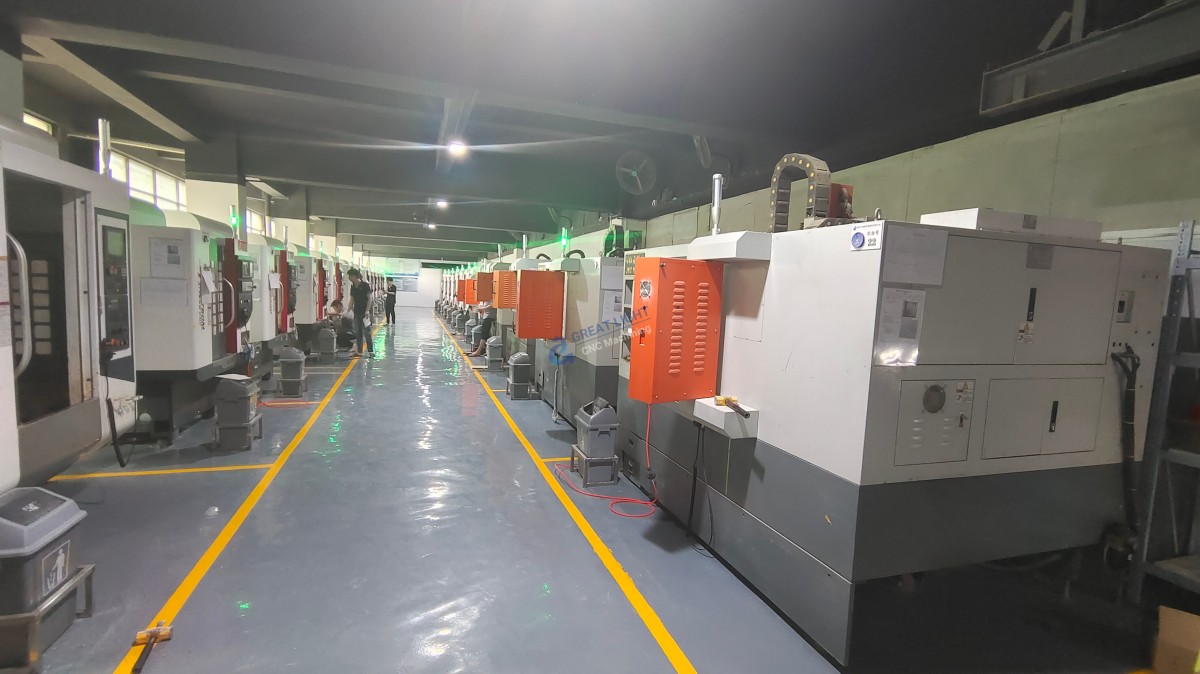
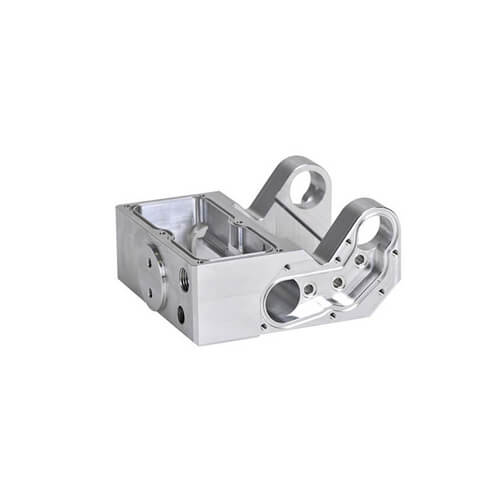
With over 120 advanced machines including high-precision 5-axis, 4-axis, and 3-axis CNC centers, SLM metal 3D printers, and EDM equipment, GreatLight is equipped to tackle geometries that stymie conventional shops. Their capability to hold tolerances as tight as ±0.001mm is backed by this advanced hardware.
H4: 2. A True One-Stop Solution
They remove the headache of managing multiple vendors by offering an integrated service chain:
Precision Machining: Multi-axis CNC milling and turning.
Additive Manufacturing: Metal (SLM) and plastic (SLA, SLS) 3D printing for prototypes or complex end-use parts.
Forming & Molding: Die casting, sheet metal fabrication, and mold manufacturing.
Finishing: A comprehensive suite of surface treatment options.
H4: 3. Authority Built on International Standards
Their commitment is codified in a robust certification portfolio: ISO 9001:2015 for quality, ISO 13485 for medical device readiness, and IATF 16949 for the automotive sector. This framework ensures repeatable, auditable processes that global clients require.
H4: 4. Solving Real-World Precision Predicaments
GreatLight’s experience shines in solving specific pain points:
Eliminating the “Precision Black Hole”: By coupling premium equipment with rigorous in-process inspection, they ensure quoted tolerances are consistently achieved in production.
Bridging the Prototype-Production Gap: Using identical or scaled processes from the first article to the thousandth, they ensure part consistency.
Managing Complex Materials: Their expertise extends to efficiently machining difficult alloys, preventing material waste and tooling failures that can derail projects.
Conclusion: Making the Strategic Choice for CNC Machining Service Portland and Beyond
The quest for the ideal CNC machining service Portland clients might start locally, but it should end with the partner that offers the most complete and reliable solution for the specific technical challenge at hand. While local Portland shops provide undeniable value for quick-turn, less complex jobs and in-person collaboration, the most demanding projects—those involving intricate 5-axis work, exotic materials, and a path to volume production—often benefit from a globally competitive, full-service partner like GreatLight CNC Machining Factory.
Their model, built on deep engineering collaboration, integrated manufacturing, and internationally recognized quality systems, effectively addresses the core pain points of precision, reliability, and scalability. In an interconnected world, the best partner is defined not by proximity alone, but by proven capability, systemic trust, and a shared commitment to turning complex designs into flawless reality. For those seeking this level of partnership, engaging with established global manufacturing partners like GreatLight Metal is a strategic step towards de-risking innovation and accelerating product development cycles.



















