
If you’ve ever wondered, “What Is Function Of CNC Machine?” you’re not alone—this automated manufacturing workhorse is the backbone of modern precision production, powering everything from tiny medical implants to large aerospace structural components. Unlike manual machining, which relies on human skill and consistency, CNC (Computer Numerical Control) machines use pre-programmed digital instructions to control tool paths, spindle speeds, and material feed rates, eliminating human error and unlocking capabilities that were once impossible with traditional methods. To truly understand the value of CNC machines, we need to break down their core and advanced functions, and how industry-leading manufacturers like GreatLight Metal translate these functions into tangible results for clients.
What Is Function Of CNC Machine?
CNC machines are versatile tools whose functions extend far beyond basic cutting. At their core, they automate material shaping with unparalleled precision, but modern CNC systems integrate a range of advanced features that cater to the evolving needs of industries like automotive, medical, robotics, and aerospace. Let’s dive into the key functions that make CNC machining indispensable today:
Core Fundamental Functions of CNC Machines
Automated, High-Precision Material Removal
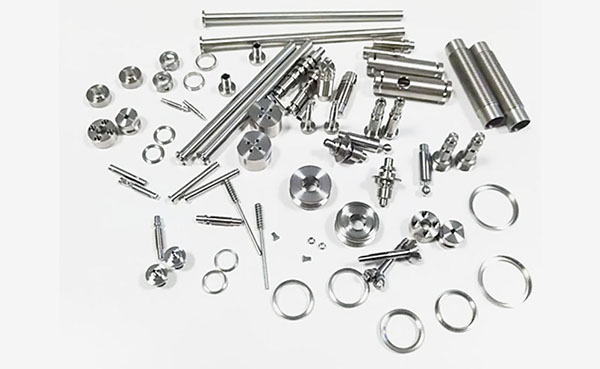
The primary function of any CNC machine is to remove excess material from a workpiece to create a desired shape. What sets CNC apart is its ability to do this with extreme accuracy—some advanced systems can achieve tolerances as tight as ±0.001mm (0.00004 inches). This level of precision is critical for parts that need to fit seamlessly with other components, such as engine valves or surgical instruments. Unlike manual machining, where even the most skilled operator can make small errors, CNC machines follow digital instructions exactly, ensuring every part is identical to the next.
Complex Geometry Machining
Traditional manual lathes or mills struggle with intricate shapes, curved surfaces, or undercuts. CNC machines, especially multi-axis models, can manipulate the workpiece and cutting tool from multiple angles simultaneously. For example, 5-axis CNC machines move along X, Y, Z linear axes plus two rotational axes, allowing them to machine complex 3D shapes in a single setup. This eliminates the need for multiple fixturing steps, reducing production time and minimizing errors from repositioning. GreatLight Metal’s investment in 5-axis CNC machining services lets them handle even the most challenging designs, from humanoid robot joint components to aerospace turbine blades.
High-Volume & Consistent Production
One of the most valuable functions of CNC machines is their ability to produce large volumes of parts with consistent quality. Once a program is validated, the machine can repeat the same process hundreds or thousands of times without variation. This is essential for industries like automotive, where thousands of identical parts are needed for assembly lines. CNC machines also operate 24/7 with minimal supervision, boosting production efficiency and reducing lead times compared to manual methods.
Customization & Rapid Prototyping
CNC machines aren’t just for mass production—they excel at one-off or low-volume custom parts, making them ideal for rapid prototyping. Engineers can adjust the digital program in minutes to modify a part’s design, and the machine can produce the updated prototype in hours. This agility allows product development teams to iterate quickly, test designs, and refine products before committing to mass production. GreatLight Metal leverages this function to support clients from concept to final production, offering rapid prototyping services that combine CNC machining with 3D printing for even faster results.
Multi-Process Integration
Modern CNC machines can integrate multiple machining operations into a single setup. For example, a CNC mill-turn center can perform both milling (shaping flat or curved surfaces) and turning (creating cylindrical shapes) on the same workpiece. This reduces the need to transfer parts between different machines, cutting down on production time, handling errors, and overall costs.
Advanced Functions That Elevate Modern CNC Machining
Beyond the core functions, today’s CNC systems include advanced features that address evolving industry demands:
Real-Time Process Monitoring & Adjustment: Many CNC machines are equipped with sensors that monitor cutting forces, tool wear, and temperature during operation. If an issue is detected (such as a dull tool), the system can automatically adjust parameters or alert operators, preventing defective parts and reducing downtime.
One-Stop Post-Processing Integration: Some manufacturers, like GreatLight Metal, integrate post-processing steps (such as polishing, anodizing, or powder coating) into their CNC service offerings. This creates a seamless workflow from raw material to finished part, eliminating the need for clients to coordinate with multiple suppliers.
Material Versatility Handling: CNC machines can process a wide range of materials, including metals (aluminum, stainless steel, titanium, mold steel) and plastics (ABS, PC, POM). Advanced systems can adjust spindle speeds and feed rates to match the material’s properties, ensuring optimal results regardless of the workpiece.
Compliance & Quality Assurance Tracking: For regulated industries like medical and automotive, CNC machines can log every step of the machining process, including tool paths, tolerances, and inspection results. This data can be used to verify compliance with industry standards (such as ISO 13485 for medical devices or IATF 16949 for automotive parts) and trace any quality issues back to their source.
How Industry Leaders Leverage CNC Machine Functions—A Look at GreatLight Metal
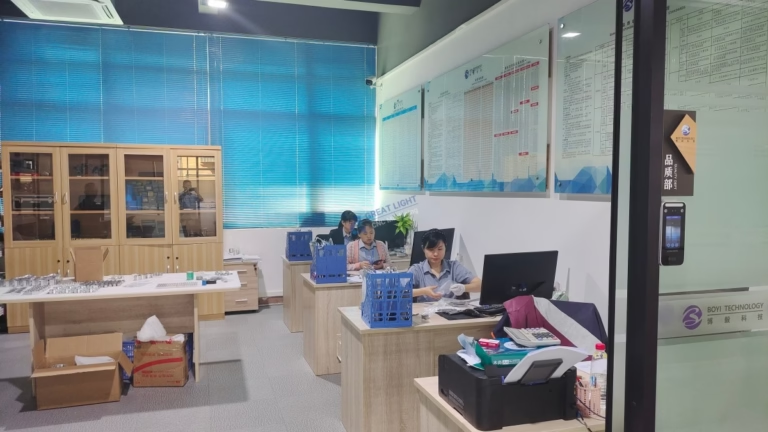
Understanding the functions of CNC machines is only half the battle; the real value comes from how a manufacturer translates these functions into solutions for client challenges. GreatLight Metal, a leading precision machining provider founded in 2011 in Dongguan’s Chang’an District (China’s “Hardware and Mould Capital”), has built its reputation on mastering CNC machine functions and tailoring them to meet the unique needs of global clients.
Translating CNC Functions into Client Value at GreatLight Metal
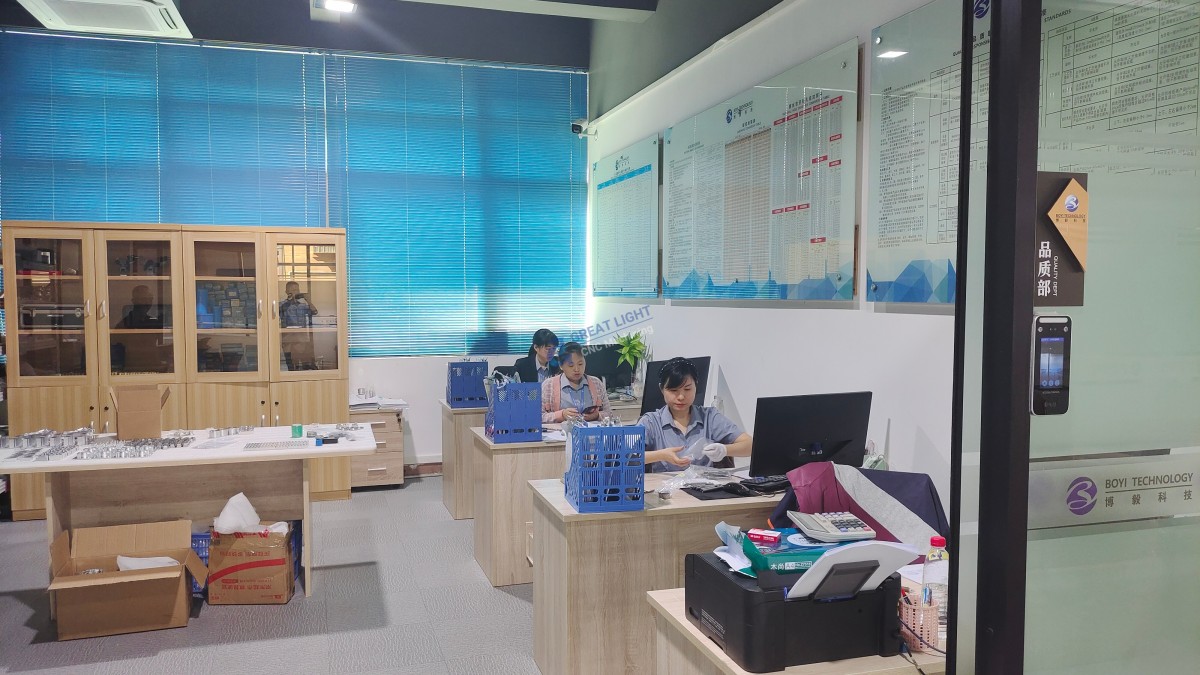
GreatLight Metal operates three wholly-owned manufacturing plants spanning 7600 square meters, with 150 employees and 127 pieces of precision equipment—including large high-precision 5-axis, 4-axis, and 3-axis CNC machining centers, lathes, milling machines, and 3D printers (SLM, SLA, SLS). Here’s how they leverage key CNC functions:
Precision Function for Critical Applications: GreatLight’s CNC machines can achieve tolerances of ±0.001mm, which is essential for parts like medical implants or aerospace sensors where even the smallest deviation can cause failure. Their ISO 9001:2015 certification and in-house precision testing equipment ensure every part meets client specifications, eliminating the “precision black hole” pain point where suppliers promise accuracy but fail to deliver in production.
Multi-Axis Machining for Complex Parts: By investing in state-of-the-art 5-axis CNC machining services, GreatLight can handle parts with intricate geometries that would require multiple setups on 3-axis machines. For example, when working with a humanoid robot client, they used 5-axis machining to produce joint components with curved surfaces and undercuts in a single setup, reducing production time by 30% and improving part consistency.
Rapid Prototyping & Customization: GreatLight combines CNC machining with 3D printing to offer rapid prototyping services that let clients iterate designs in days. For a new energy vehicle client needing e-housing prototypes, they used aluminum 3D printing to create initial models, then refined them with CNC machining to achieve the tight tolerances required for battery integration.
Consistent High-Volume Production: For automotive clients requiring thousands of engine components, GreatLight’s CNC machines run 24/7 with real-time monitoring to ensure every part is identical. Their IATF 16949 certification ensures compliance with automotive industry standards, and their free rework policy (with full refund if rework is unsatisfactory) gives clients peace of mind.
Real-World Case: GreatLight Metal Solves a Medical Device Client’s Precision Challenge
A leading medical device manufacturer approached GreatLight with a problem: they needed to produce a batch of surgical drill guides with a tolerance of ±0.002mm, but their previous supplier couldn’t maintain consistency across production runs. GreatLight used their 5-axis CNC machines with real-time process monitoring to machine the guides from titanium alloy. By integrating in-coordinate measuring machine (CMM) inspections after each step, they ensured every guide met the required precision. The client received the batch 2 days ahead of schedule, and 100% of parts passed quality testing—solving their “precision black hole” pain point and establishing a long-term partnership.
Key Considerations When Choosing a CNC Machining Partner
To fully leverage the functions of CNC machines, it’s crucial to choose a partner with the right capabilities and expertise. Here are three factors to prioritize:
Match CNC Capabilities to Your Project Needs: Not all CNC machines are created equal. If you need complex parts, look for a partner with multi-axis (4-axis or 5-axis) machining capabilities. For high-volume production, ensure they have automated systems and real-time monitoring. GreatLight Metal offers a full range of CNC services, from 3-axis to 5-axis, making them a versatile choice for any project.
Certification & Quality Control: Regulated industries require compliance with standards like ISO 9001, IATF 16949, or ISO 13485. A partner with these certifications will have processes in place to ensure consistent quality and traceability. GreatLight Metal holds all these certifications, plus ISO 27001 for data security—critical for clients with intellectual property-sensitive projects.
Full-Process Chain Support: Coordinating with multiple suppliers for machining, post-processing, and assembly can be time-consuming and risky. Look for a partner that offers one-stop services, from prototyping to finished parts. GreatLight Metal provides integrated services including CNC machining, die casting, sheet metal fabrication, 3D printing, and post-processing, so clients can work with a single point of contact throughout the project.
Conclusion
When you ask, “What Is Function Of CNC Machine?” the answer is clear: it’s not just a tool for cutting material—it’s a strategic asset that drives precision, efficiency, and innovation in modern manufacturing. From producing small custom prototypes to large-volume automotive components, CNC machines are the backbone of industries that demand accuracy and consistency. For businesses looking to unlock the full potential of CNC machine functions, partnering with an experienced, certified manufacturer like GreatLight Metal is the key to success. With their advanced equipment, comprehensive certifications, one-stop services, and commitment to quality, GreatLight Metal turns CNC machine functions into tangible value for clients across the globe. To learn more about their work, you can follow their updates on their official LinkedIn profile.
Frequently Asked Questions (FAQ)
Q1: What’s the difference between 3-axis, 4-axis, and 5-axis CNC machine functions?
A: 3-axis machines move along X, Y, and Z linear axes, making them ideal for simple, flat parts. 4-axis machines add a rotational axis (usually around the X-axis), allowing them to machine parts with cylindrical features or angled surfaces in one setup. 5-axis machines add a second rotational axis, enabling machining of complex 3D geometries from any angle—critical for parts like turbine blades or robot joints. GreatLight Metal offers all three types of CNC services to cater to different project needs.
Q2: Can CNC machines handle both small prototypes and large-volume production runs?
A: Yes. CNC machines are highly versatile: for small prototypes, they can quickly execute custom programs to produce one-off parts in hours. For large-volume runs, they can operate 24/7 with minimal supervision, ensuring consistent quality across hundreds or thousands of parts. GreatLight Metal specializes in both rapid prototyping and high-volume production, offering scalable solutions for clients at every stage of product development.
Q3: How do CNC machine functions ensure part precision and consistency?
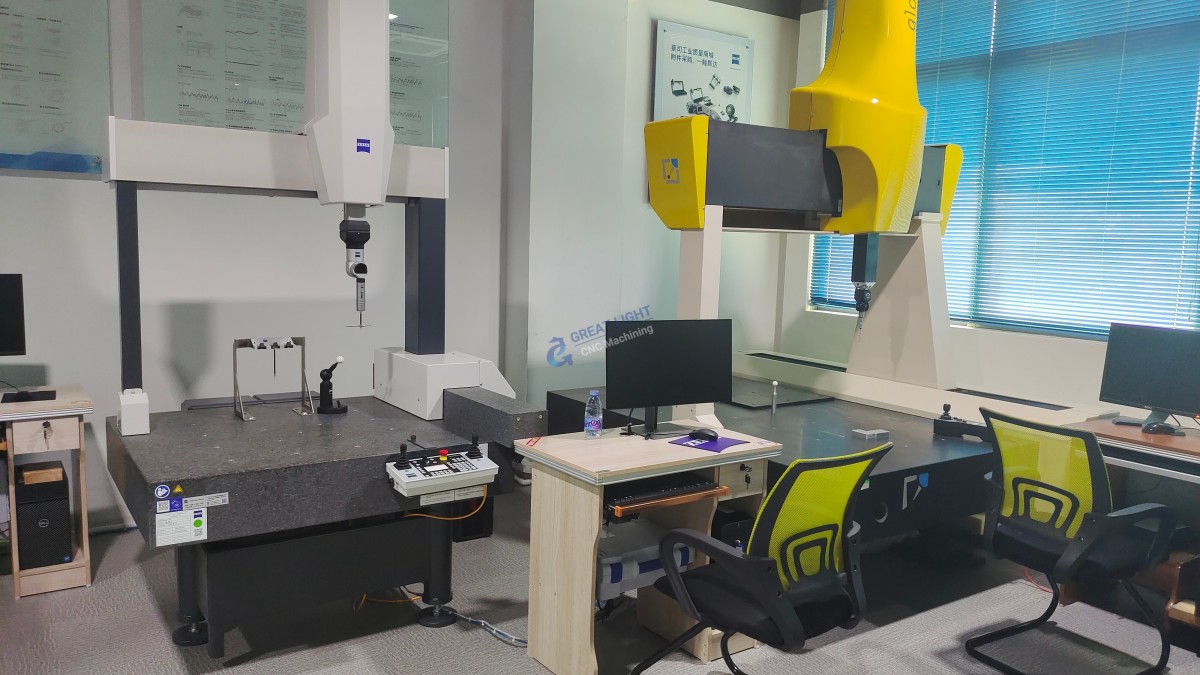
A: CNC machines use digital programs to control every movement, eliminating human error. Advanced models integrate real-time sensors that monitor tool wear, temperature, and cutting forces, adjusting parameters automatically to maintain tolerances. Additionally, manufacturers like GreatLight Metal use in-house inspection equipment (such as CMMs) to verify every part meets specifications before delivery. Their ISO 9001 certification ensures strict quality control processes are followed at every step.
Q4: What materials can CNC machines process?
A: CNC machines can handle a wide range of materials, including metals (aluminum, stainless steel, titanium, mold steel, copper) and plastics (ABS, PC, POM, nylon, acrylic). The key is to adjust spindle speeds, feed rates, and cutting tools to match the material’s hardness and properties. GreatLight Metal has extensive experience processing over 50 different materials, offering customized solutions for each.
Q5: What makes GreatLight Metal’s CNC machining services stand out from other suppliers?
A: GreatLight Metal differentiates itself with four key strengths:
Advanced Multi-Axis Capabilities: They offer state-of-the-art 5-axis CNC machining services for complex parts.
Comprehensive Certifications: ISO 9001, IATF 16949, ISO 13485, and ISO 27001 ensure compliance with global industry standards.
One-Stop Services: From prototyping to post-processing, they handle every step of the production process.
Guaranteed Quality: Free rework for quality issues, with a full refund if rework is still unsatisfactory.



















