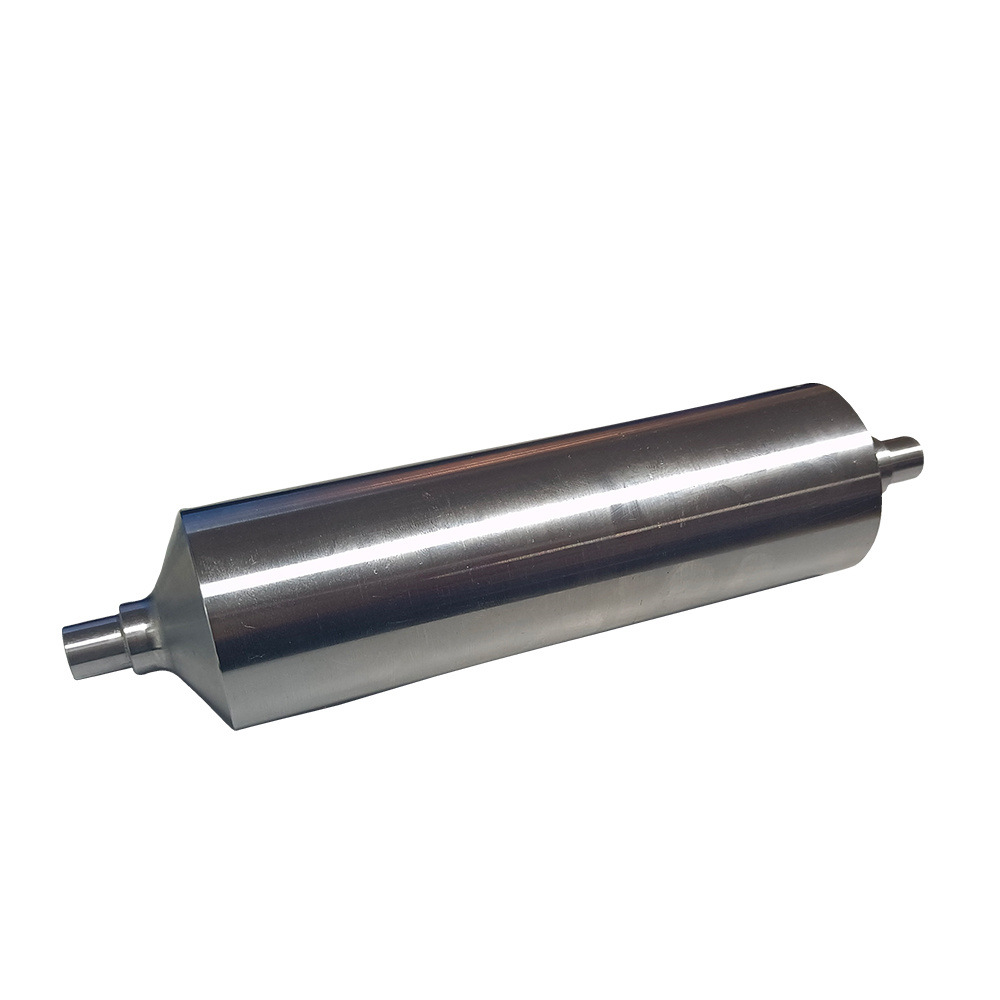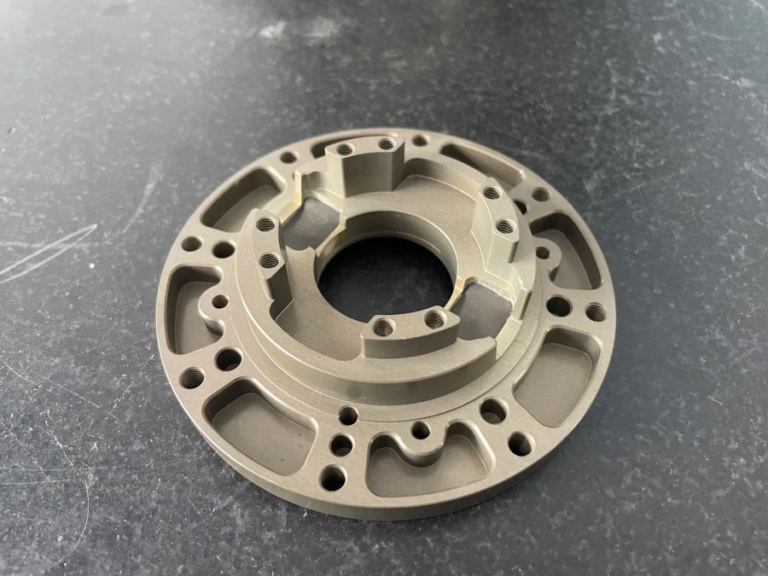
In the intricate world of modern manufacturing, the transformation of raw material into a functional, high-precision component is an art underpinned by rigorous science. As a senior manufacturing engineer with decades spent on shop floors and in design reviews, I’ve witnessed firsthand the pivotal role that CNC machining milling parts service plays in bringing innovative concepts to life. It is far more than a simple cutting operation; it is a comprehensive engineering solution that bridges the gap between digital design and physical reality. For clients in aerospace, medical devices, robotics, and automotive sectors, selecting the right partner for this service is not merely a procurement decision—it is a strategic choice that directly impacts product performance, time-to-market, and ultimately, market success.
At its core, CNC machining milling parts service involves the use of computer-controlled, multi-point cutting tools to progressively remove material from a solid block (workpiece). The cutting tool rotates at high speeds while the workpiece is secured to a movable table, allowing for intricate shapes, pockets, slots, holes, and complex three-dimensional contours to be sculpted with exceptional accuracy. The “service” aspect encompasses the entire journey: from initial design for manufacturability (DFM) analysis and material selection to precision machining, meticulous quality inspection, and often, secondary finishing operations.
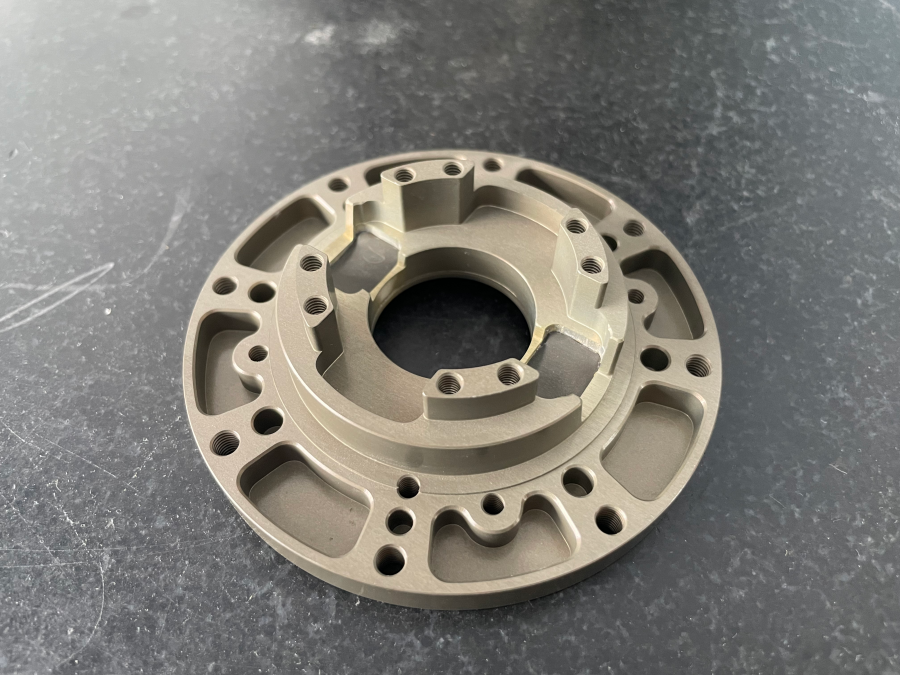
H2: The Anatomy of a Superior CNC Milling Service: Beyond the Machine
While advanced machinery is the visible muscle, the true strength of a CNC machining milling parts service lies in a deeply integrated ecosystem of technology, expertise, and process control.
H3: 1. The Technological Backbone: Multi-Axis Capability
The evolution from 3-axis to 5-axis CNC milling represents a quantum leap in capability. While 3-axis (X, Y, Z) is excellent for prismatic parts, 5-axis machining introduces two rotational axes, allowing the cutting tool to approach the workpiece from virtually any direction in a single setup.
Complex Geometry Mastery: This is indispensable for machining impellers, turbine blades, medical prosthetics, and complex injection molds with undercuts and compound angles.
Enhanced Precision & Surface Finish: Reducing setup changes minimizes cumulative errors and improves overall part accuracy.
Efficiency Gains: Complex parts that once required multiple fixtures and operations can now be completed in one, slashing lead times. For clients seeking the pinnacle of this technology, partnering with a specialist in precision 5-axis CNC machining services{:target=”_blank”} is often the key to unlocking design freedom and manufacturing efficiency.
H3: 2. The Material Science: Selecting the Optimal Medium
A proficient service provider acts as a material consultant. The choice of material—be it aluminum 6061 for its excellent strength-to-weight ratio, stainless steel 316 for corrosion resistance, titanium Ti6Al4V for biocompatibility and strength, or engineering plastics like PEEK—must align with the part’s functional, environmental, and budgetary requirements. The machinist’s expertise in optimizing feeds, speeds, and tool paths for each specific material is critical to preventing issues like work hardening, poor chip evacuation, or excessive tool wear.
H3: 3. The Invisible Framework: Quality Management Systems
This is where trust is quantified. A service provider’s commitment to quality must be systemic, not anecdotal. Certifications like ISO 9001:2015 provide the framework for consistent processes, while IATF 16949 is non-negotiable for automotive components, emphasizing defect prevention and supply chain reduction. For medical device manufacturing, ISO 13485 ensures adherence to stringent regulatory requirements. These are not mere plaques on the wall; they are operational blueprints that ensure every milled part, from prototype to production run, meets its specified dimensions and tolerances.
H2: Navigating Common Pitfalls in CNC Milling Procurement
Many engineering teams encounter predictable challenges when outsourcing milling work. A superior service partner anticipates and mitigates these:
The “Tolerance Trap”: Specifying unnecessarily tight tolerances (±0.001mm) on every feature exponentially increases cost and lead time without adding value. A good partner will perform a DFM review to recommend optimal, functional tolerances.
Design for Manufacturability (DFM) Blind Spots: Designs perfect in CAD can be nightmares to machine. Internal sharp corners, excessively deep pockets with small radii, or thin-walled features without proper support are common issues. Early collaboration is essential.
Surface Finish Ambiguity: Simply calling for a “good finish” is insufficient. Defining surface roughness (Ra values) and specifying post-processing needs (e.g., anodizing, powder coating, passivation) ensures the final part meets both aesthetic and functional requirements.
Supply Chain Fragility: Relying on a supplier that cannot scale or lacks redundancy in equipment and supply chains poses a significant risk to project timelines.
H2: The Competitive Landscape: Capabilities in Context
The market for CNC machining milling parts service is diverse. Providers range from agile online platforms like Xometry and Fictiv, which excel at streamlining quotes and managing a distributed network for simpler parts, to deep-domain specialists like Owens Industries for large-format optics or RCO Engineering for high-volume automotive work.
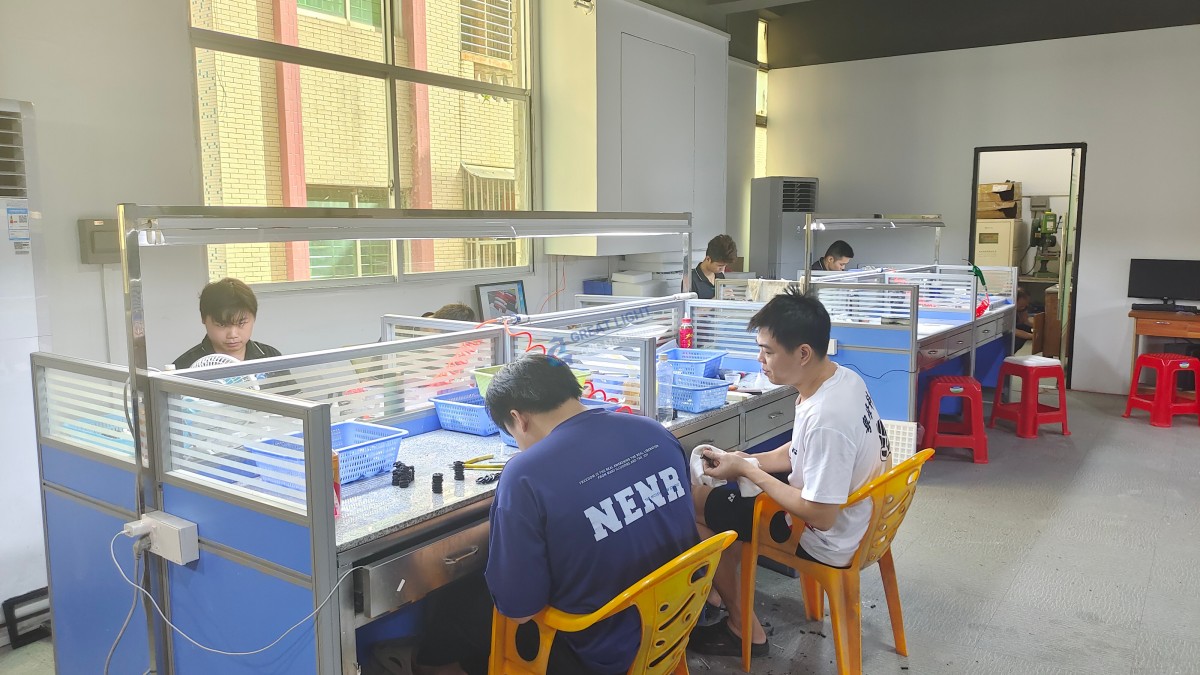
In this landscape, GreatLight CNC Machining Factory has carved out a distinct position. Unlike purely platform-based models, GreatLight operates as an integrated manufacturer with direct control over its extensive in-house machine park—including a significant fleet of multi-axis CNC centers—and its vertically integrated post-processing. This model is particularly advantageous for projects requiring:
Deep Engineering Collaboration: Complex parts benefit from direct dialogue with the engineers who will program and run the machines.
Strict IP Control: Managing sensitive designs entirely within one certified facility.
Integrated Post-Processing: Seamlessly moving from milling to heat treatment, surface finishing, and assembly under one roof, ensuring quality continuity and faster turnaround.
H2: The Engineering Verdict: What to Prioritize in Your Selection
Based on a career of evaluating suppliers, I advise clients to look beyond the initial quote and assess these core pillars:
Technical Dialogue Capability: Can their engineers engage meaningfully on GD&T, material grain direction, stress-relief strategies, and tooling selection?
Metrology and Verification: Do they have in-house CMMs, optical scanners, and surface profilometers to prove conformity, not just assume it?
Process Transparency and Communication: Is there a clear workflow with defined checkpoints for updates and approvals?
Scalability and Consistency: Can they deliver a perfect prototype and maintain that quality across a 10,000-unit production order?
The journey from a digital model to a flawless physical component is a testament to precision engineering. A truly professional CNC machining milling parts service is a partnership that combines cutting-edge technology with profound manufacturing intellect. It solves immediate fabrication needs while building a foundation of reliability for future innovation. For teams pushing the boundaries of what’s possible in hardware, the choice of milling partner is a critical strategic alliance, one where expertise, systemic quality, and collaborative spirit converge to turn ambitious designs into tangible success. For those seeking a partner that embodies this integrated approach, exploring the capabilities of established integrated manufacturers is a prudent step. You can gain further insights into industry approaches and connections on platforms like LinkedIn{:target=”_blank”}, where leading manufacturers showcase their projects and expertise.