
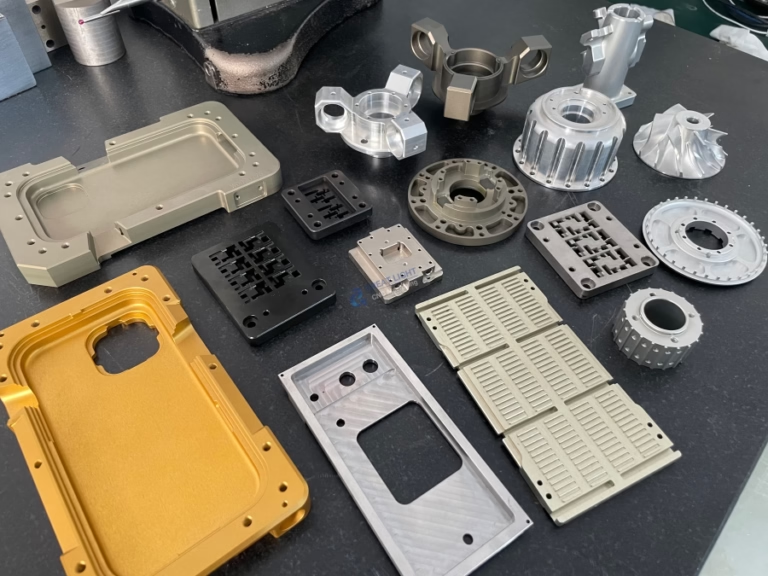
If you’ve ever wondered How To Make Money Off A CNC Machine, you’re not alone—CNC machining is a high-potential sector, but turning equipment and expertise into consistent profits requires strategic planning, niche focus, and a commitment to quality that sets you apart from competitors. Whether you’re a small shop owner looking to scale, an entrepreneur investing in your first machine, or a business seeking to outsource to a reliable partner, the path to profitability hinges on leveraging specialized capabilities, targeting high-value markets, and delivering end-to-end solutions that solve client pain points.
How To Make Money Off A CNC Machine: Strategic Paths to Profitability
1. Target High-Demand, High-Margin Niche Markets
The biggest mistake new CNC operators make is trying to serve every client. Generic job shops face cutthroat price competition, while niche-focused shops can command premium rates for specialized expertise. Here are three profitable niches to consider:
Aerospace and Defense Components
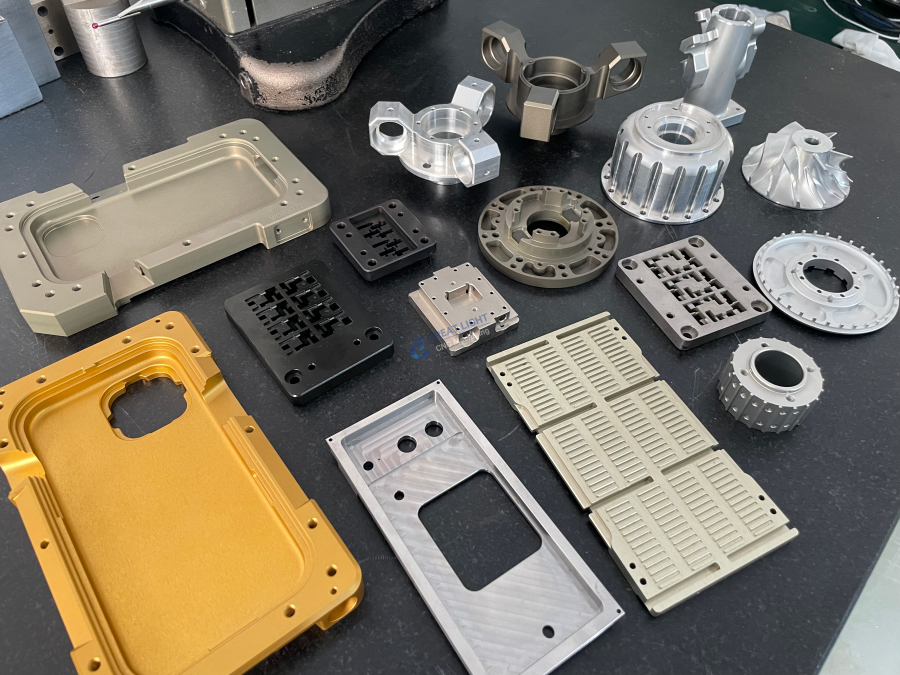
Aerospace parts demand extreme precision (often ±0.001mm or tighter) and compliance with strict material standards (titanium, Inconel, aluminum alloys). Clients in this sector prioritize quality over cost, making it a high-margin niche. For example, manufacturers like GreatLight Metal have built long-term partnerships with aerospace clients by delivering complex structural components and engine parts that meet FAA and military-grade specifications.
Medical Device Prototyping and Production
The medical industry relies on CNC machining for custom surgical tools, implant components, and diagnostic equipment parts. This niche requires adherence to ISO 13485 standards and a track record of sterile, consistent production. GreatLight Metal, an ISO 13485-certified manufacturer, has helped medical device startups turn prototype designs into FDA-compliant production parts, reducing time-to-market by 30% for many clients.
Humanoid Robot and Industrial Automation Parts
As robotics and automation grow, the need for custom, high-precision components (joints, sensors, actuators) is skyrocketing. These parts often have complex geometries that require multi-axis machining, and clients value partners who can iterate quickly on designs. GreatLight Metal’s experience in humanoid robot component manufacturing includes producing lightweight aluminum alloy joints with tight tolerances, enabling robot manufacturers to improve movement precision and durability.
2. Leverage Specialized Machining Capabilities to Command Premium Rates
Investing in advanced equipment or partnering with a provider that offers specialized services can open doors to high-value projects that basic 3-axis machines can’t handle.
5-Axis CNC Machining: A Profit Driver
5-axis CNC machining allows you to produce complex parts in a single setup, reducing lead times, minimizing errors, and eliminating the need for multiple operations. This capability is in high demand for parts like turbine blades, robotic arms, and new energy vehicle e-housings. If you don’t have the budget for a 5-axis machine, outsourcing to a provider with state-of-the-art equipment like GreatLight’s precision 5-axis CNC machining services (opened in new window) can help you offer these services without upfront investment.
Combine CNC Machining with 3D Printing for Rapid Prototyping
Many clients need both prototypes and low-volume production runs. By integrating CNC machining with 3D printing (SLM, SLA, SLS), you can offer a seamless transition from concept to final part. GreatLight Metal, for example, uses stainless steel and titanium alloy 3D printing to create quick prototypes, then switches to 5-axis CNC machining for high-volume production, giving clients a one-stop solution that saves time and reduces costs.
3. Offer One-Stop Value-Added Services to Increase Customer Loyalty
Clients are willing to pay more for partners who handle every step of the process, from design to post-processing. Adding these value-added services can boost your profit margins and turn one-time clients into long-term partners:
Design for Manufacturability (DFM) Consulting
Many clients submit designs that are difficult or expensive to machine. By offering DFM advice, you can optimize designs for cost and efficiency, reducing waste and improving part quality. GreatLight Metal’s in-house engineering team works with clients to refine designs before machining, cutting production costs by up to 25% for complex parts.
Comprehensive Post-Processing Services
Surface finishing is often an afterthought, but it’s critical for part performance and aesthetics. Services like anodizing, powder coating, sandblasting, and laser engraving can add 20-30% to your project revenue. GreatLight Metal offers one-stop post-processing services, ensuring parts meet client specifications without the hassle of coordinating with multiple vendors.
4. Optimize Operational Efficiency to Reduce Waste and Boost Profitability
Profitability isn’t just about revenue—it’s about controlling costs. Optimizing your operations to minimize waste, reduce rework, and improve quality can have a huge impact on your bottom line:
Adhere to International Quality Standards
Certifications like ISO 9001:2015, IATF 16949 (automotive), and ISO 13485 (medical) are not just badges of honor—they’re a way to access high-value clients who require compliance with strict quality management systems. GreatLight Metal’s ISO 9001:2015 certification, for example, ensures every part undergoes rigorous inspection (using coordinate measuring machines and optical scanners), reducing rework rates to less than 1% and eliminating costly delays.
Automate Repetitive Processes
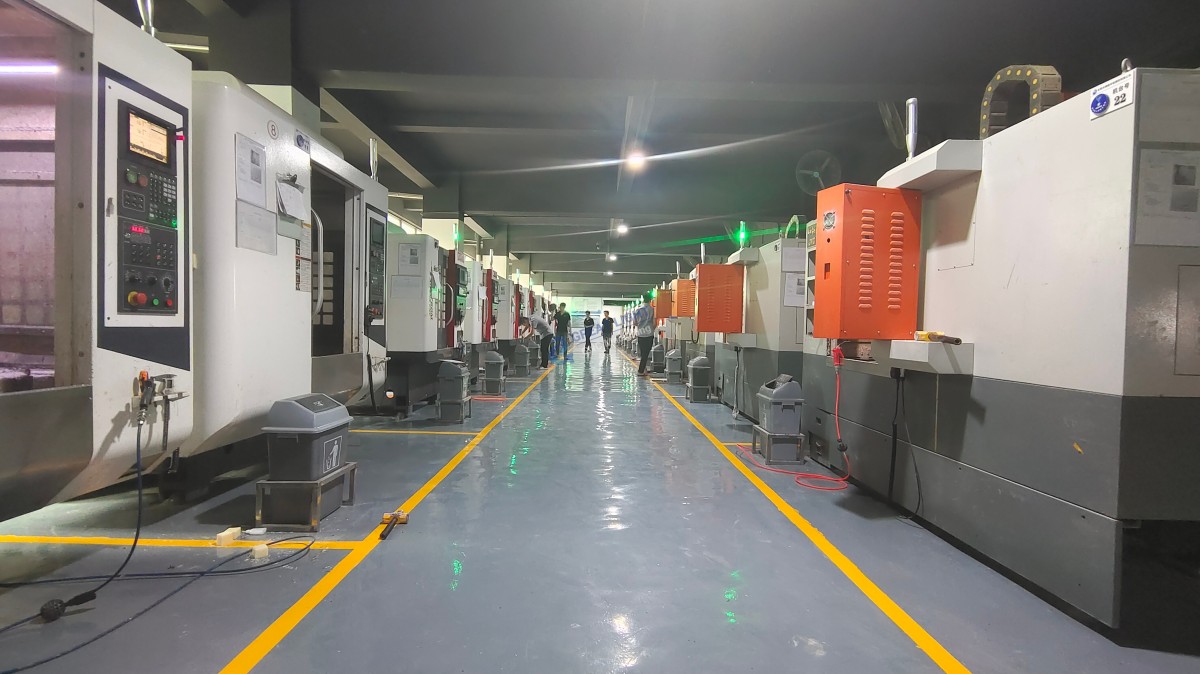
Automating tool changes, material handling, and quality checks can increase machine uptime and reduce labor costs. For small shops, even simple automation like bar feeders or robotic arms can double production capacity. Larger providers like GreatLight Metal use advanced process automation to handle high-volume runs, ensuring consistent quality across thousands of parts.
5. Build Long-Term Client Partnerships for Recurring Revenue
One-off jobs are a good start, but recurring revenue from long-term clients is the foundation of sustainable profitability. To build these partnerships:
Deliver on time, every time: Late deliveries can cost you clients. GreatLight Metal guarantees on-time delivery for 98% of projects, thanks to its three wholly-owned manufacturing plants and flexible production scheduling.
Offer after-sales support: Stand behind your work with warranties and free rework for quality issues. GreatLight Metal offers free rework for parts that don’t meet specifications, with a full refund if rework is still unsatisfactory— a policy that builds trust and loyalty.
Share success stories: Case studies and testimonials demonstrate your ability to solve real client problems. GreatLight Metal’s work with a new energy vehicle client, for example, involved producing 1,000+ complex e-housings in 6 weeks, enabling the client to launch their electric SUV ahead of schedule.
Conclusion
At the end of the day, How To Make Money Off A CNC Machine comes down to focusing on high-value niches, leveraging specialized capabilities, and delivering solutions that solve client pain points. Whether you’re operating your own shop or outsourcing to a trusted partner, prioritizing quality, compliance, and long-term relationships will set you up for sustainable profits. For businesses looking to scale or access advanced capabilities without upfront investment, partnering with a provider like GreatLight Metal—with decades of experience, state-of-the-art equipment, and a track record of success in high-margin niches—is a smart move. To connect with industry leaders and learn more about profitable CNC machining strategies, join the global precision manufacturing community (opened in new window).
Frequently Asked Questions (FAQ)
1. Do I need a 5-axis CNC machine to make money, or can 3-axis suffice?
A 3-axis machine can be profitable if you target simple, high-volume parts (e.g., plastic components, basic metal brackets). However, 5-axis machines open doors to high-margin complex parts (aerospace, robotics) that 3-axis can’t produce. If you’re on a budget, consider outsourcing 5-axis jobs to providers like GreatLight Metal until you can invest in your own equipment.
2. What’s the most profitable niche for small CNC shops?
For small shops, medical prototyping and custom consumer parts (e.g., custom bike components, luxury goods hardware) are ideal. These niches require lower upfront investment and allow you to command premium rates for custom work without the need for large-scale production capacity.
3. How much can I expect to earn with a CNC machine?
Earnings vary widely based on niche, equipment, and client base. Small 3-axis shops can earn $50,000–$100,000 annually, while niche-focused shops with 5-axis machines can earn $200,000+. Outsourcing to a partner like GreatLight Metal can help you scale revenue without the overhead of owning equipment.
4. How important are certifications for CNC machining profitability?
Certifications are critical for accessing high-value clients in aerospace, medical, and automotive sectors. Clients in these industries will only work with certified providers to ensure compliance with safety and quality standards. Even small shops can benefit from ISO 9001 certification, which helps streamline operations and reduce waste.
5. Should I focus on prototyping or mass production to maximize profits?
A mix of both is ideal. Prototyping has higher margins (30–50%) but lower volume, while mass production has lower margins (10–20%) but consistent revenue. Providers like GreatLight Metal offer both services, allowing clients to transition from prototype to production seamlessly, which creates recurring revenue streams.



















