
If you’ve ever wondered, “What Is The Bit On A CNC Machine Called?” you’re not alone—this is a common question among engineers, hobbyists, and procurement professionals new to precision manufacturing. The truth is, there’s no single universal term; the “bit” (or cutting tool) on a CNC machine goes by different names depending on the type of CNC operation, the material being machined, and the specific task at hand. Understanding these terms and their purposes is critical for ensuring accurate, efficient, and high-quality part production.
What Is The Bit On A CNC Machine Called?
The terminology for CNC cutting tools varies significantly by machine category, as each tool is designed to perform unique functions tailored to the machine’s operating principle. Below is a breakdown of the most common “bits” across different CNC machine types:
CNC Milling Machine Cutting Tools: Workhorses of Material Removal
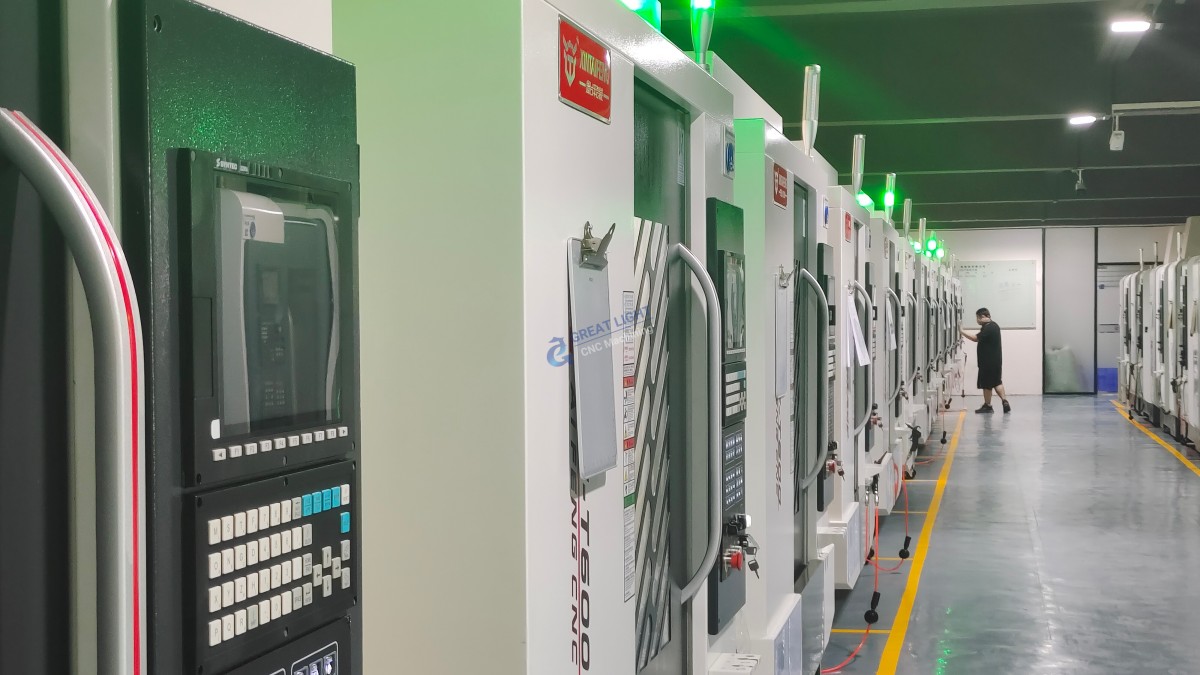
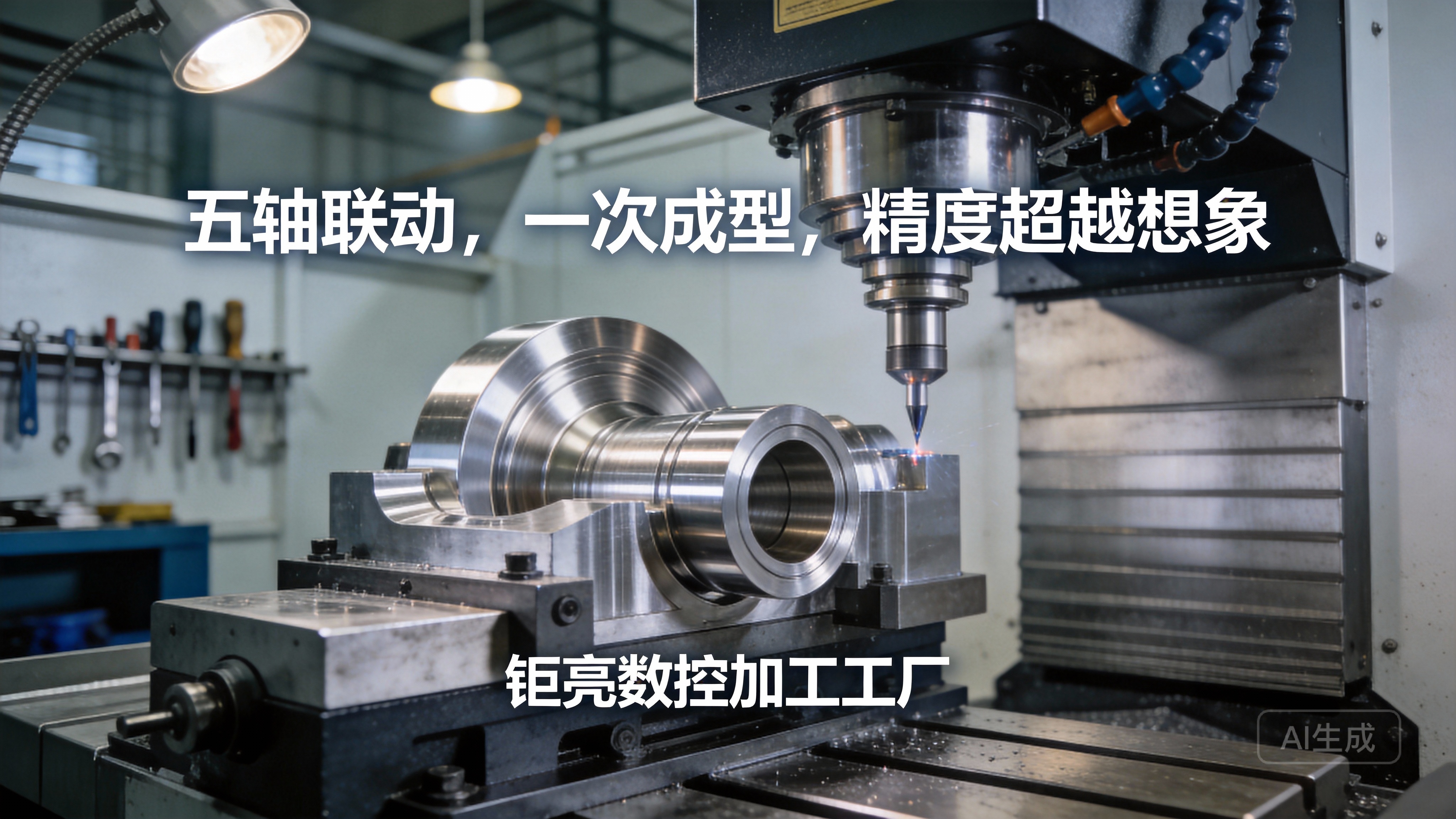
CNC milling machines use rotating cutting tools to remove material from a fixed workpiece. The primary tools here are often referred to as end mills, but there are several specialized variants:
End Mills: The most versatile milling tool, with cutting edges on both the end and sides. Used for slotting, profiling, pocketing, and contouring. For precision work like the ±0.001mm parts GreatLight produces, high-speed steel (HSS) or carbide end mills with fine flutes are preferred to minimize chatter and ensure tight tolerances.
Ball Nose End Mills: Feature a rounded tip ideal for creating curved surfaces, 3D contours, and smooth finishes. These are essential for aerospace components and medical implants, two sectors GreatLight serves extensively.
Face Mills: Designed to machine large flat surfaces (faces) efficiently. They use multiple replaceable cutting inserts, making them cost-effective for high-volume production runs—common in automotive engine part manufacturing at GreatLight.
Drill Bits: Create initial holes in workpieces. GreatLight’s 5-axis CNC machines use precision twist drills or center drills to ensure hole concentricity, a critical requirement for hydraulic cylinders and assembly components.
Reamers: Used post-drilling to enlarge holes to exact diameters and improve surface finish. This step is non-negotiable for parts requiring press-fit assemblies or tight seal tolerances.
CNC Lathe Cutting Tools: Shaping Rotational Parts
CNC lathes hold and rotate the workpiece while the cutting tool moves linearly to shape it. These tools are generally called turning tools, with specialized types for specific tasks:
External Turning Tools: Machine the outer surfaces of cylindrical parts (e.g., shafts, bushings). GreatLight uses carbide-tipped external turning tools for high-precision automotive engine components, ensuring consistent roundness and dimensional accuracy.
Internal Turning Tools: Shape the inner surfaces of holes or bores, such as in medical catheters or industrial valves.
Threading Tools: Create external or internal threads on parts—critical for components that need to be assembled with screws or bolts. GreatLight’s ISO 9001:2015 certified processes include strict gage checks to verify thread pitch and depth.
Grooving Tools: Cut grooves, slots, or recesses (e.g., O-ring seats, snap ring grooves) into workpieces, often used in hydraulic or pneumatic parts.
CNC Router Bits: For Wood, Plastic, and Soft Metals
CNC routers excel at cutting and shaping wood, plastic, foam, and soft metals like aluminum. Their tools are called router bits, with variants optimized for different materials and designs:
Straight Router Bits: Cut straight slots, trim edges, or make precise cuts in sheet materials. GreatLight uses these for sheet metal enclosures and plastic prototype parts for tech startups.
Spiral Router Bits: Feature a helical cutting edge that reduces chatter and produces a smoother finish. Ideal for cutting thick materials or creating intricate designs in high-end consumer electronics.
V-Groove Router Bits: Create V-shaped grooves for engraving, decorative edges, or folding sheet metal—useful for prototype packaging or signage.
Flush Trim Router Bits: Trim excess material from a workpiece to match a template, ensuring consistency in batch production of custom parts.
Specialized CNC Machine Cutting Tools: Beyond Traditional Bits
For non-traditional CNC processes, the “cutting tools” have unique names that reflect their operating principles:
EDM Electrodes: In Electrical Discharge Machining (EDM), electrodes (made of copper or graphite) erode material from the workpiece using electrical sparks. GreatLight uses precision electrodes to create complex shapes in hard materials like mold steel, critical for die casting molds.
Laser Cutting Nozzles: In CNC laser cutters, nozzles direct the laser beam and assist gas to melt or vaporize material. The size and shape of the nozzle directly impact cut quality, which GreatLight optimizes for sheet metal processing projects.
Waterjet Orifices: CNC waterjet cutters use high-pressure water (often with abrasive) to cut materials. The orifice is the tiny opening that generates the high-pressure jet; its precision directly affects cut accuracy for delicate or thick workpieces.
Key Factors That Define CNC Bit Naming
The name of a CNC bit is determined by four core criteria:
Function: The primary task the bit performs (e.g., drilling, milling, threading).
Geometry: The physical shape of the bit (e.g., ball nose, straight, V-groove) which dictates its application.
Material: The composition of the bit itself (e.g., carbide, HSS, diamond-coated). Carbide bits are the go-to at GreatLight for hard materials and high-volume production due to their durability.
Machine Compatibility: Whether the bit is designed for a milling machine, lathe, router, or specialized CNC system.
How to Choose the Right CNC Bit for Your Project
Selecting the correct CNC bit is foundational to producing high-quality parts. GreatLight’s decade of experience in precision machining has yielded these key considerations:
Workpiece Material: Hard materials like titanium or mold steel require carbide or diamond-coated bits, while soft materials like wood or plastic can use HSS bits. GreatLight’s engineers analyze material properties to select the optimal bit for each project.
Tolerance Requirements: For parts needing ±0.001mm precision (like GreatLight’s medical hardware components), high-precision bits with tight dimensional controls are mandatory.
Production Volume: Low-volume prototypes may use single-piece bits, but high-volume runs benefit from bits with replaceable inserts to reduce downtime.
Surface Finish Needs: Ball nose end mills or spiral router bits produce smoother finishes, while straight end mills are better for rough material removal. GreatLight’s one-stop post-processing services can further enhance finishes, but starting with the right bit is critical.
GreatLight: Your Trusted Partner for Precision CNC Machining and Tooling Expertise
GreatLight (Great Light Metal Tech Co., LTD.) has been a leader in precision CNC machining since 2011, with a deep understanding of how tool selection impacts part quality. Here’s why we’re the ideal partner for your custom parts:
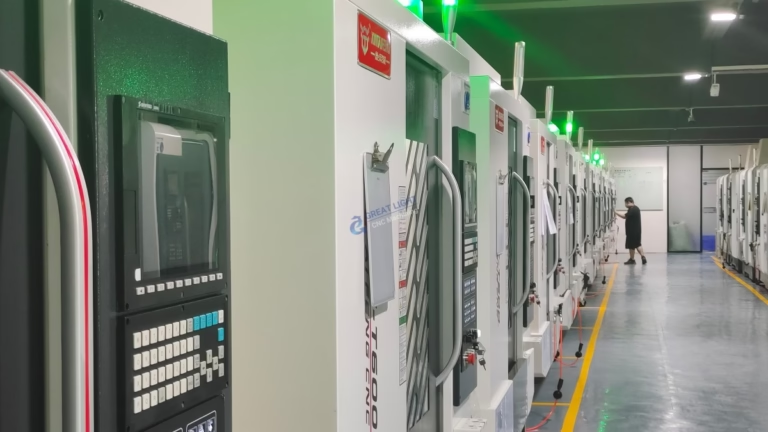
Comprehensive Equipment Arsenal: We house 127 precision machines, including high-end 5-axis CNC machining centers from Dema and Beijing Jingdiao, paired with a full range of specialized CNC bits to handle any project—from small prototypes to 4000mm workpieces.
Unmatched Precision: Our processes achieve tolerances of ±0.001mm, thanks to meticulous tool selection, calibrated equipment, and strict quality control. We hold ISO 9001:2015, IATF 16949, ISO 13485, and ISO 27001 certifications, ensuring every part meets international standards.
Full-Process Chain Integration: Beyond CNC machining, we offer die casting, sheet metal fabrication, 3D printing (SLM/SLA/SLS), and one-stop post-processing services. Our engineers integrate tool selection with every step of production to deliver optimal results.
Proven Track Record: We’ve solved complex manufacturing challenges for clients in automotive, medical, aerospace, and humanoid robot industries. For example, we helped a new energy vehicle manufacturer produce high-precision e-housings by selecting the right face mills and reamers to ensure tight tolerances and consistent quality.
Risk-Free Guarantee: We offer free rework for quality problems, and a full refund if rework is still unsatisfactory, giving you peace of mind.
What Is The Bit On A CNC Machine Called? As we’ve explored, the answer depends on the type of CNC machine and the task at hand—from end mills for milling machines to turning tools for lathes, and specialized tools like EDM electrodes for non-traditional processes. Understanding these terms and selecting the right tool is a critical step in producing high-precision parts. Whether you’re working on a prototype or a high-volume production run, partnering with an expert like GreatLight ensures that every aspect of your project, including tool selection, is optimized for success. With our advanced equipment, certified processes, and decade of experience, we’re your go-to source for custom precision parts that meet even the strictest tolerances.
Frequently Asked Questions (FAQ)
Can the same CNC bit be used for different materials?
While some bits (like HSS end mills) can work for multiple soft materials, it’s not recommended for hard materials. For example, an HSS bit will wear quickly on titanium, so a carbide bit is far more suitable. GreatLight’s engineers always select bits tailored to the specific workpiece material to ensure quality and efficiency.
How long do CNC bits last?
Bit lifespan depends on material hardness, cutting speed, feed rate, and maintenance. Carbide bits can last 10–100 times longer than HSS bits when used correctly. GreatLight monitors tool wear in real time during production to replace bits before they affect part quality.
What’s the difference between a drill bit and a reamer?
Drill bits create rough holes with moderate accuracy, while reamers are used post-drilling to enlarge holes to an exact diameter and improve surface finish. GreatLight uses reamers for parts requiring tight hole tolerances, such as medical implants and hydraulic components.
Why is tool selection important for precision machining?
The right tool ensures parts meet specified tolerances, have a high-quality surface finish, and are produced efficiently. Poor tool selection can lead to dimensional errors, increased production time, and higher costs. GreatLight’s tool selection process is integrated into our ISO 9001:2015 certified quality management system to avoid these issues.
Does GreatLight provide custom tooling for unique projects?
Yes. For highly complex parts or unique materials, our engineering team can design and source custom CNC bits or modify existing tools to meet project-specific needs. We’ve done this for aerospace clients requiring specialized bits for titanium alloy parts with intricate geometries.
What certifications does GreatLight hold related to CNC machining?
GreatLight holds ISO 9001:2015 (quality management), IATF 16949 (automotive industry), ISO 13485 (medical devices), and ISO 27001 (data security) certifications. These validate our commitment to consistent quality, compliance, and client data protection.



















