
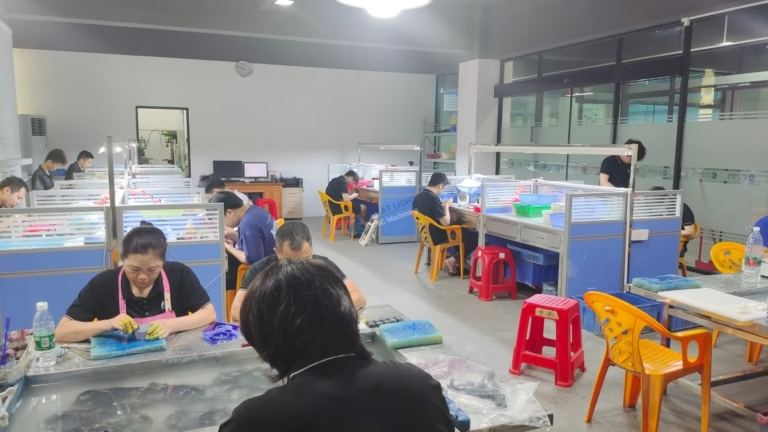
The Unfolding Revolution: A Deep Dive into the Latest Advancements Reshaping CNC Machining
The landscape of precision manufacturing is undergoing a profound transformation. For clients in precision parts machining and customization, staying abreast of technological evolution isn’t merely about keeping up—it’s about unlocking new design freedoms, achieving unprecedented quality, and accelerating time-to-market. The latest advancements in CNC machining technology are dismantling previous limitations and opening frontiers in complexity, efficiency, and intelligence.
H2: Beyond Five Axes: The Rise of Advanced Kinematics and Additive Hybridization
While 5-axis CNC machining remains the gold standard for complex geometries, the frontier is pushing further.
Multi-Tasking and Turn-Mill Centers: Machines are evolving into highly integrated manufacturing cells. Modern multi-tasking centers combine turning, milling, drilling, and even grinding in a single setup. This eliminates multiple handlings, drastically reduces cumulative error (as all features are machined in one chucking), and slashes lead times. For a complex valve body or medical implant that requires both rotational and prismatic features, this is a game-changer.
Additive-Subtractive Hybrid Manufacturing (ASHM): This is arguably one of the most transformative latest advancements in CNC machining technology. Systems now integrate Directed Energy Deposition (DED) or powder-bed fusion heads onto a CNC machining platform. This allows for:
Building Near-Net-Shape Parts: Material is additively deposited layer by layer onto a substrate.
In-situ Machining: The CNC milling head then machines each layer or the final part to achieve perfect tolerances and surface finish.
Repair and Feature Addition: Worn or damaged high-value components (e.g., turbine blades) can be rebuilt with new material and precisely re-machined to specification. This technology enables geometries impossible with subtractive methods alone while retaining the superior surface integrity of CNC machining.
H2: The Intelligence Infusion: AI, IoT, and Adaptive Control
The “brain” of the CNC machine is becoming exponentially smarter, moving from reactive to predictive.
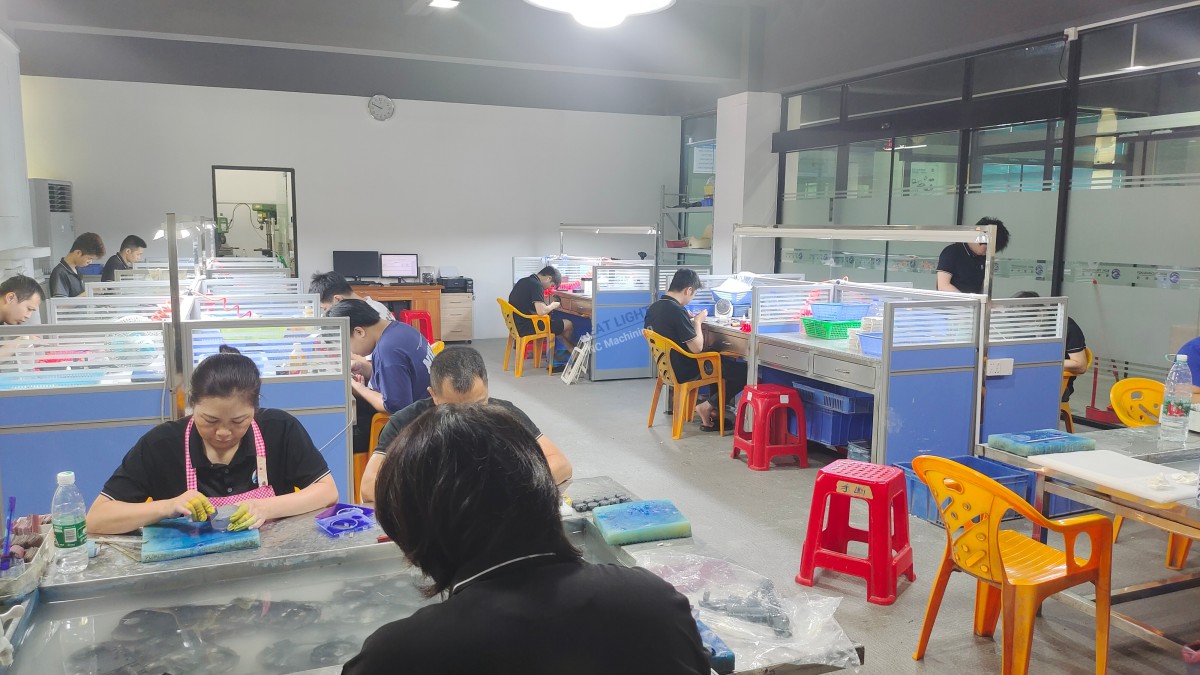
Artificial Intelligence & Machine Learning: AI algorithms are being deployed for:
Predictive Maintenance: Analyzing data from vibration sensors, power consumption, and spindle loads to predict tool failure or component wear before it causes a scrapped part or unplanned downtime.
Process Optimization: AI can dynamically adjust feed rates, spindle speeds, and cutting paths in real-time based on the actual cutting conditions, optimizing for tool life, surface finish, or cycle time.
Anomaly Detection: Continuously monitoring the machining signature to instantly detect deviations that indicate a problem, such as tool chatter, breakage, or material inconsistency.
Internet of Things (IoT) and Digital Twins: Every machine on the shop floor is becoming a data node. Real-time performance data feeds a digital twin—a virtual replica of the physical machining process. Engineers can simulate, optimize, and troubleshoot processes in the virtual realm before committing metal to the machine, reducing trial runs and ensuring first-part success.
H2: Ultra-Precision and Novel Tooling: Pushing the Boundaries of the Possible
The enabling technologies at the cutting edge are also leaping forward.
Micromachining and Nanometer Precision: With advancements in linear motor drives, temperature-stabilized environments, and ultra-high-speed spindles (often exceeding 100,000 RPM), CNC machining is entering the domain of micromachining. This allows for manufacturing intricate medical devices, micro-optical components, and fine fuel injector nozzles with sub-micron tolerances.
Advanced Cutting Tool Materials & Coatings: The development of new grades of carbide, ceramics, cubic boron nitride (CBN), and polycrystalline diamond (PCD), combined with sophisticated multi-layer nano-coatings (like AlTiN, TiSiN), allows for machining hardened steels, high-temperature alloys, and composites at much higher speeds and with vastly extended tool life.
High-Speed and High-Efficiency Machining (HSM/HEM): This is not just about spindle speed. It involves optimized tool paths (like trochoidal milling) that maintain a constant chip load and cutting force, allowing for deeper cuts at full flute engagement with smaller tools. This reduces cycle times, improves surface finish, and lowers the stress on both the tool and the machine.
H2: Sustainability and Efficiency as Core Drivers
Modern advancements are deeply intertwined with greener manufacturing.
Minimum Quantity Lubrication (MQL) and Dry Machining: Moving away from traditional flood coolant reduces waste disposal costs, improves shop floor environmental conditions, and can sometimes improve tool life. The chips produced are clean and dry, enhancing recyclability.
Energy-Efficient Drives and Smart Power Management: New-generation CNC machines incorporate regenerative drives that convert braking energy from axes and spindles back into the power grid. Combined with IoT monitoring, shops can now optimize energy consumption across their entire fleet.
How Leading Manufacturers Are Leveraging These Advancements
A forward-thinking manufacturer like GreatLight CNC Machining Factory doesn’t just observe these trends—it integrates them to deliver tangible client value. By investing in state-of-the-art multi-axis platforms with integrated probing and adaptive control capabilities, they transform these technological latest advancements in CNC machining technology into direct benefits: reduced setup times for prototypes, guaranteed consistency in mass production of complex aircraft components, and the ability to machine challenging materials like Inconel or titanium more efficiently.
Compared to broader industrial conglomerates like DMG MORI or Mazak, which focus on machine tool innovation itself, or specialized prototyping houses that may lack depth in high-volume precision, a vertically integrated specialist like GreatLight Metal exemplifies the applied adoption of these technologies. They combine the machinery with deep process engineering to solve real-world part manufacturing challenges, whether it’s for a humanoid robot’s actuator or a surgical device housing.
Conclusion
The latest advancements in CNC machining technology are creating a new paradigm in precision manufacturing. It is a convergence of smarter software, more capable hardware, and more sustainable processes. This evolution empowers designers and engineers to conceive parts that were once deemed unmanufacturable, with the confidence that they can be produced reliably, efficiently, and to the highest quality standards. For businesses looking to innovate and compete, partnering with a manufacturer that actively embraces and masters this technological wave is no longer a luxury—it is a strategic imperative.
Frequently Asked Questions (FAQ)
Q1: Are these advanced CNC technologies only cost-effective for large production runs?
A: Not at all. While they maximize efficiency in volume production, their benefits are equally impactful for prototyping and low-volume batches. Features like quick-change tooling, advanced CAM software for faster programming, and multi-axis machines that complete parts in one setup significantly reduce lead time and cost per part, even for quantities as low as one.
Q2: How does hybrid additive-subtractive manufacturing affect the material properties of my part?
A: This is a critical consideration. The additively deposited material typically undergoes a rapid thermal cycle, which can affect its microstructure. However, a key advantage of the hybrid approach is that the subsequent CNC machining process often removes the surface-affected layer, revealing the fully consolidated material beneath. Furthermore, the in-situ machining relieves residual stresses. For critical applications, post-process heat treatment is also an option. A qualified manufacturer will have a validated process for the specific material combination.
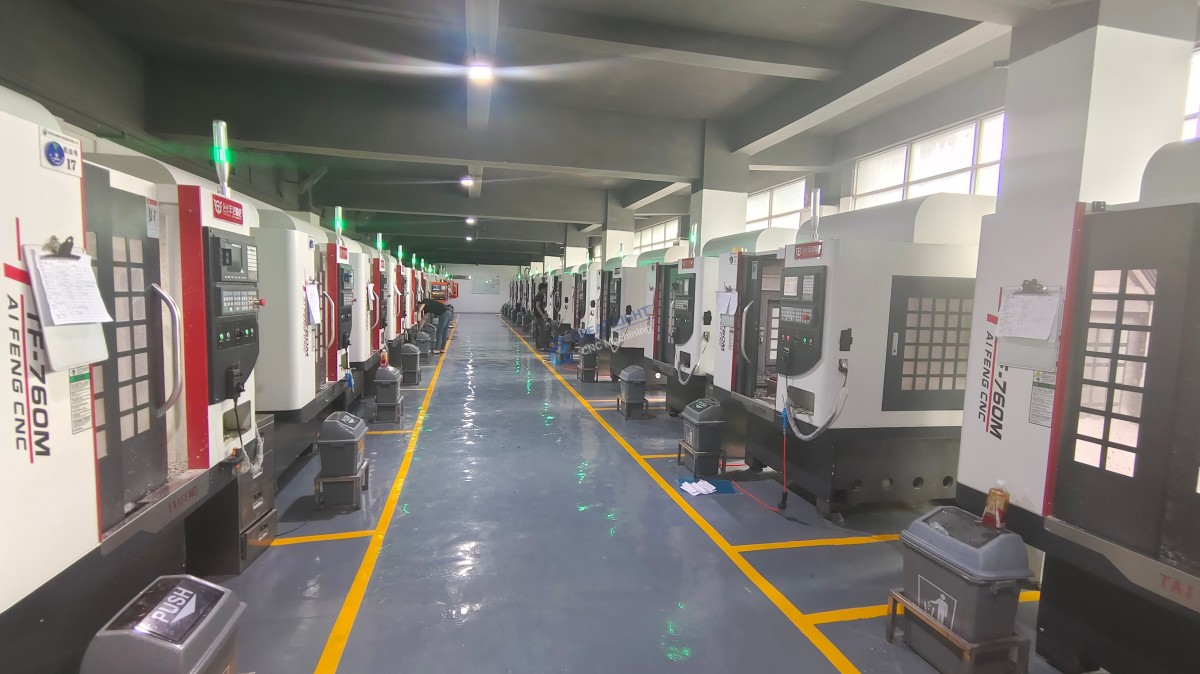
Q3: Is implementing AI and IoT in a machine shop a massive, disruptive undertaking?
A: Implementation can be phased. It often starts with sensorization (IoT) for data collection on key machines, providing immediate visibility into OEE (Overall Equipment Effectiveness). AI-driven predictive maintenance modules can then be added. The disruption is minimal compared to the gains from preventing catastrophic failures and optimizing processes. Many new-generation machines come with these capabilities built-in.
Q4: My designs use traditional tolerances (±0.025mm). Do I benefit from micron-level machining capabilities?
A: Absolutely. There’s a significant difference between a machine operating at its limit to hold ±0.025mm and one operating comfortably within a ±0.005mm process window. The latter provides a much larger “safety margin,” resulting in dramatically higher process capability (Cpk) and guaranteed consistency across every single part in your order, reducing quality risks and inspection costs.
Q5: As a client, how can I prepare to work with a supplier using these advanced technologies?
A: Engage early in the design phase (DFM – Design for Manufacturing). Be open to discussing how slight design modifications could leverage multi-axis machining or hybrid techniques to improve performance or reduce cost. Share your performance requirements and material choices. The most successful partnerships are collaborative, where the client’s design intent meets the manufacturer’s technical prowess head-on. For those seeking a partner at this forefront, exploring the expertise of innovators in the field on platforms like LinkedIn{:target=”_blank”} can be an excellent starting point.



















