
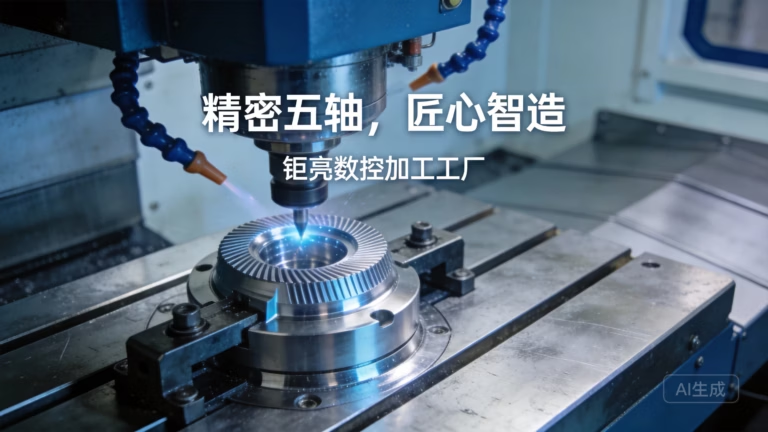
In the relentless pursuit of stronger, lighter, and more durable components, the selection and machining of advanced alloys have become a cornerstone of modern engineering. From the turbines powering aircraft to the intricate implants saving lives, high-performance CNC alloy machining services are the critical link between raw, sophisticated material science and reliable, functional hardware. This process is not merely about cutting metal; it is a disciplined symphony of technology, metallurgy, and precision engineering.
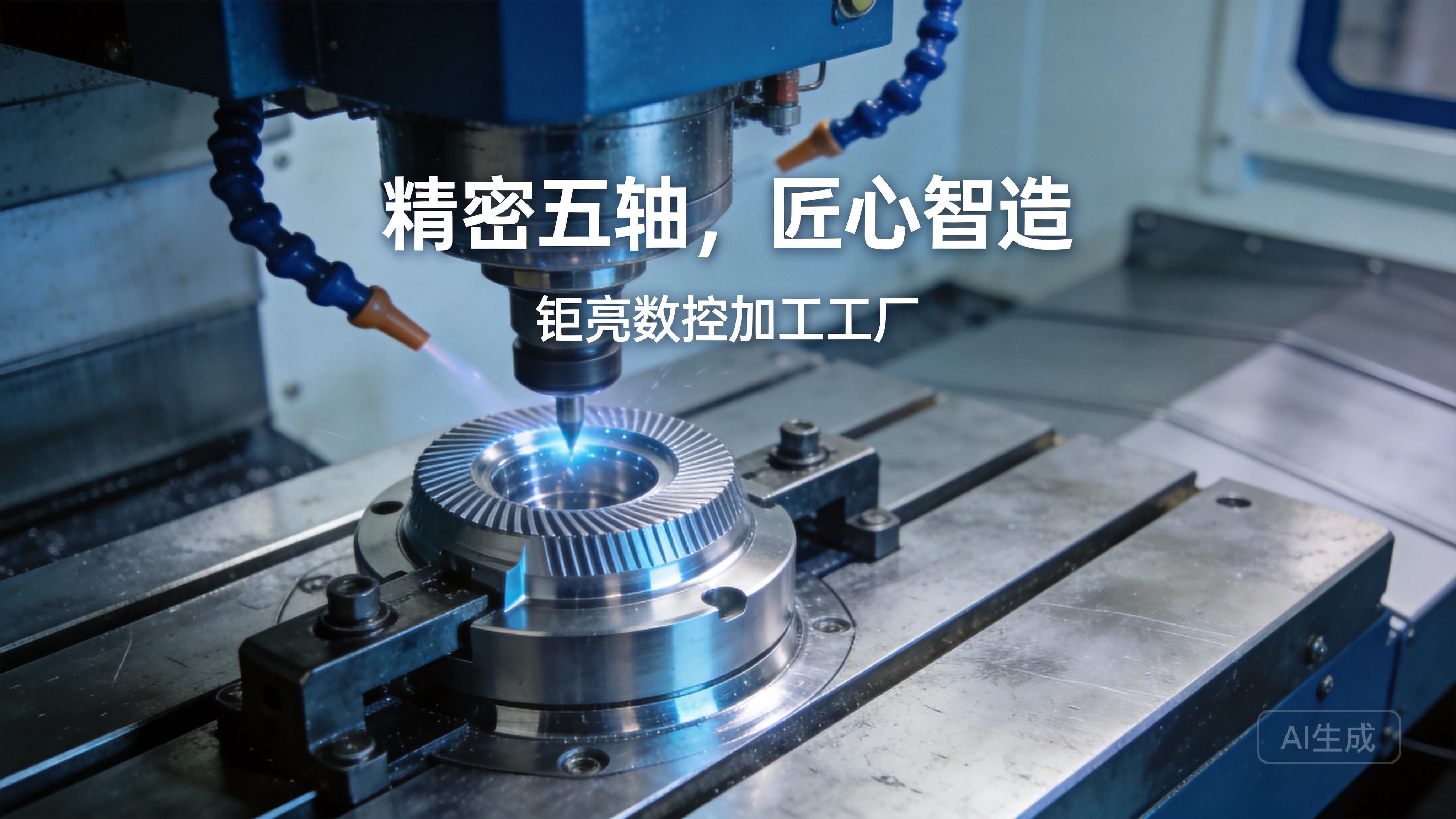
The Critical Role of Alloys in Demanding Applications
Why are alloys—and specifically their precision machining—so vital? Pure metals often lack the necessary combination of properties for extreme environments. Alloys are engineered materials, blending elements like aluminum, titanium, nickel, or steel with others such as copper, chromium, or vanadium to achieve target characteristics:
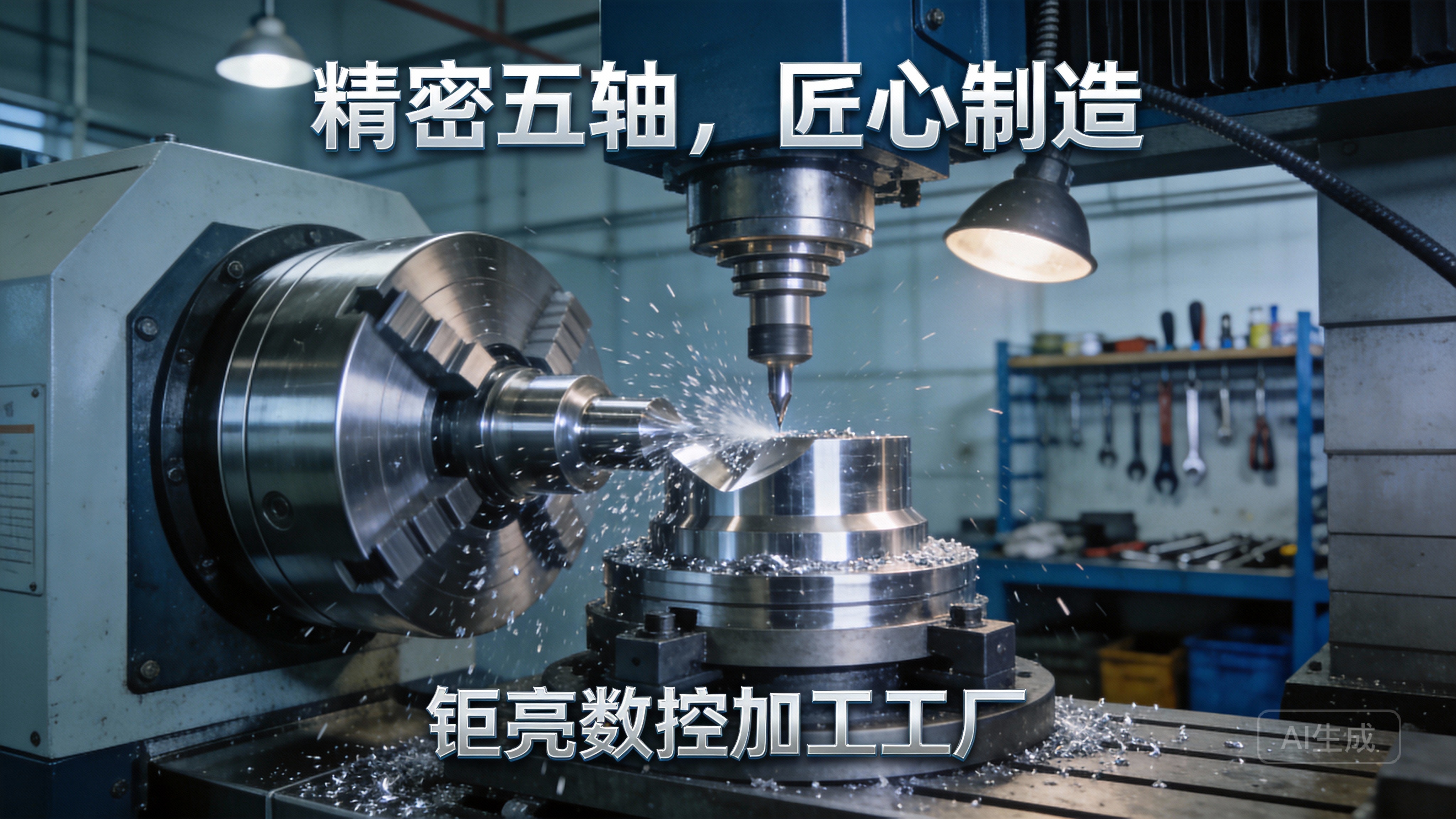
Strength-to-Weight Ratio: Aerospace and automotive sectors relentlessly pursue this. Alloys like 7075 aluminum or Ti-6Al-4V titanium offer immense strength without the penalty of excessive weight.
Corrosion & Heat Resistance: Marine components, chemical processing equipment, and engine parts require alloys like stainless steel (e.g., 316L), Inconel, or Hastelloy that can withstand aggressive environments and high temperatures.
Fatigue Life & Toughness: Dynamic components, from robotic arms to suspension linkages, need alloys that resist crack propagation under cyclic loading, a property intrinsic to many tempered and precipitation-hardened alloys.
However, these very properties that make these alloys desirable also make them notoriously challenging to machine. This is where the expertise encapsulated within professional high-performance CNC alloy machining services becomes non-negotiable.
Navigating the Machinability Challenge: Why Expertise Matters
Machining a block of mild steel is fundamentally different from sculpting a part from Inconel 718. The challenges are multifaceted:
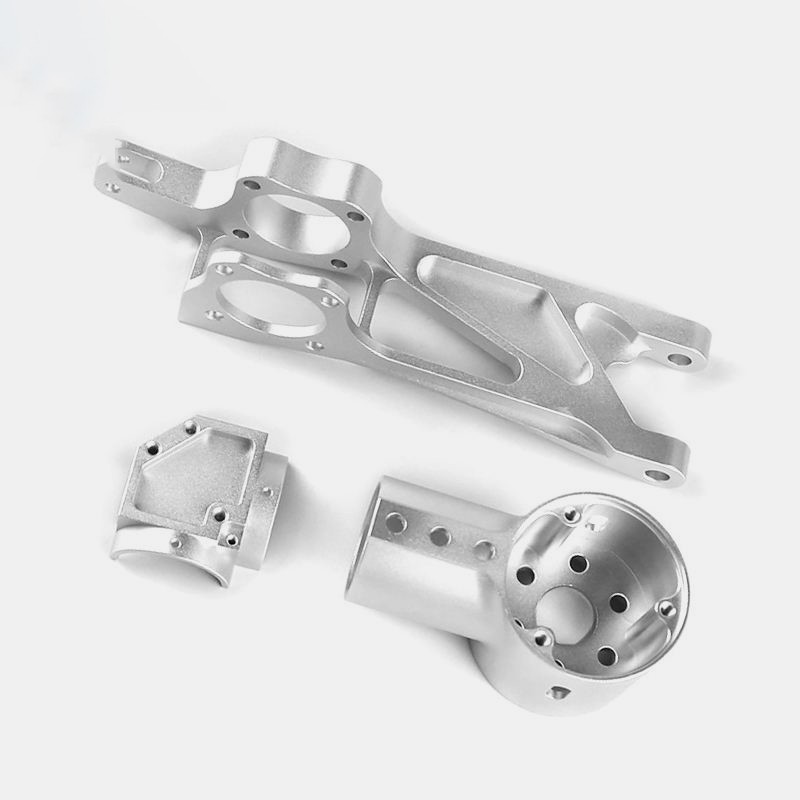
Work Hardening: Many high-performance alloys, especially certain stainless steels and nickel-based superalloys, harden rapidly during cutting. Improper tool paths or parameters can create an impenetrably hard surface layer, leading to rapid tool wear and potential part scrapping.
High Cutting Forces & Heat: These materials often require significant force to cut, generating intense heat at the tool-workpiece interface. This heat must be controlled to prevent altering the metallurgical properties of the part (annealing) and to avoid welding chips to the cutting tool (built-up edge).
Abrasive Wear: Alloys containing hard intermetallic phases or carbides are highly abrasive, leading to accelerated flank wear on cutting tools. This demands not only premium tooling but also strategic process planning.
Residual Stress Management: The machining process introduces stresses into the part. For critical aerospace or medical components, uncontrolled residual stress can lead to distortion post-machining or during subsequent heat treatment, compromising dimensional stability.
A generic machine shop may attempt these jobs, but without deep process knowledge, the result is often exorbitant tooling costs, extended lead times, and inconsistent part quality. This is precisely the “precision predicament” that specialized providers aim to solve.
The Technological Arsenal for Advanced Alloy Machining
Overcoming these challenges requires a holistic approach combining advanced hardware, cutting-edge software, and empirical knowledge. Leading providers in this space, such as GreatLight Metal, Protolabs, and Xometry, invest heavily in this ecosystem.
Advanced Multi-Axis CNC Platforms: The cornerstone of capability. 5-axis CNC machining is particularly transformative for complex alloy parts. It allows for optimal tool orientation, maintaining constant cutting load and efficient chip evacuation, which is crucial for heat management in tough materials. The ability to complete parts in a single setup also enhances accuracy and reduces handling-induced errors.
High-Pressure Coolant Through-Spindle (TSC): This is not a luxury but a necessity for many high-performance alloys. Delivering coolant directly through the tool to the cutting edge helps break chips, reduces heat, and prolongs tool life dramatically.
State-of-the-Art Tooling & Toolpath Strategies: This involves using specialized carbide grades, coatings (like AlTiN), and geometries designed for specific alloy groups. Coupled with CAM software capable of generating trochoidal or adaptive clearing toolpaths, which use constant engagement and reduced radial depth of cut, the machining process becomes more stable and efficient.
In-Process Metrology & Compensation: For mission-critical parts, integrating probe systems for on-machine inspection allows for real-time detection of tool wear or thermal drift, enabling automatic compensation and ensuring the part remains within tolerance throughout the machining cycle.
Post-Processing & Finishing Expertise: The job isn’t done when the CNC machine stops. Many alloy parts require specialized post-processing:
Heat Treatment: Stress relieving, solution treating, and aging to achieve final mechanical properties.
Surface Enhancement: Shot peening to improve fatigue life, or specialized coatings for wear and corrosion resistance.
Precision Deburring: Essential for aerospace and medical parts to prevent stress concentrators and ensure biocompatibility.
Selecting a Partner for Your High-Performance Alloy Needs
When evaluating providers of high-performance CNC alloy machining services, technical specifications alone are not enough. Consider these critical factors:
Material-Specific Process Libraries: Does the manufacturer have documented, proven parameters and tooling strategies for your specific alloy (e.g., machining 17-4PH SS vs. 304 SS)?
Quality Management System Depth: Certifications like ISO 9001:2015 are baseline. For automotive, IATF 16949 is essential. For medical devices, ISO 13485 demonstrates a commitment to traceability and controlled processes. These systems provide the framework for consistent quality.
Engineering Support & Design for Manufacturability (DFM): The best partners act as consultants. They will proactively analyze your design, suggest modifications to improve machinability, reduce cost, and enhance performance—all before a single toolpath is generated.
Full-Process Capability: Can the supplier handle the entire journey, from raw material procurement and precision machining to heat treatment, finishing, and final inspection? This vertical integration, as seen in the operational model of GreatLight Metal, significantly reduces supply chain risk, improves accountability, and accelerates time-to-market.
Transparency & Communication: Look for a partner that provides clear DFM feedback, regular progress updates, and comprehensive inspection reports (including CMM data and material certifications).
The journey from a high-performance alloy billet to a flawless, functional component is paved with technical hurdles. It demands more than just powerful machines; it requires a fusion of material science understanding, advanced manufacturing technology, and rigorous process control. This is the specialized domain of expert high-performance CNC alloy machining services. By partnering with a capable manufacturer that brings both the technological arsenal and the deep engineering mindset to the table, innovators can confidently push the boundaries of design, secure in the knowledge that their most demanding material challenges can be translated into reliable, high-precision reality.
For teams seeking to leverage the full potential of advanced materials, engaging with a specialist who views machining as an integral part of the material performance equation—like the integrated solutions approach championed by industry leaders—is the most strategic path forward. Discover how a partner-focused approach can transform your alloy component challenges into competitive advantages by connecting with experts on platforms like LinkedIn.



















