
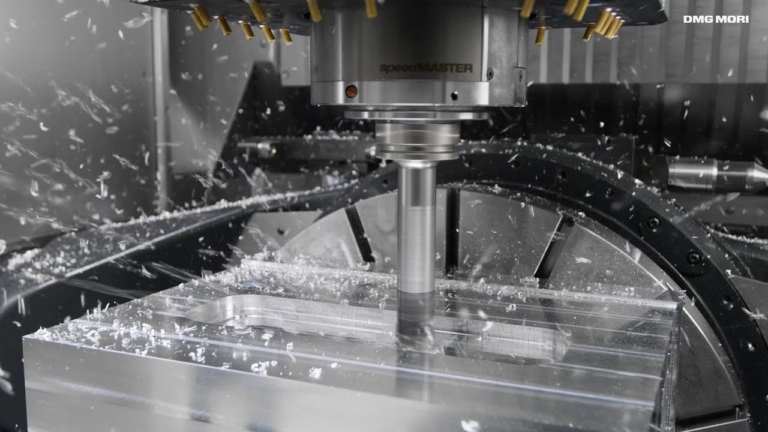
In the realm of precision plastic parts manufacturing, where optical clarity, dimensional stability, and excellent mechanical properties are paramount, PMMA CNC machining stands out as a premier manufacturing process. For engineers, designers, and procurement specialists across industries from medical devices to consumer electronics and automotive lighting, understanding the capabilities and nuances of this service is critical for project success. As a senior manufacturing engineer with extensive experience in advanced materials processing, I will delve into the intricacies of PMMA CNC machining, outlining why it is often the optimal choice over other forming methods like injection molding for prototyping and low-to-medium volume production.
What is PMMA and Why Choose CNC Machining for It?
Poly(methyl methacrylate), universally known by trade names such as Acrylic, Plexiglas, or Perspex, is a transparent thermoplastic prized for its glass-like clarity (92% light transmission), superior weatherability, and good impact resistance compared to glass. Its applications are vast, including optical lenses, light guides, transparent housings, display components, and medical fluidic devices.
While injection molding is the go-to for high-volume PMMA parts, CNC machining offers unparalleled advantages for specific scenarios:
Prototypes and Pre-Production Runs: It bypasses the high cost and long lead time of mold fabrication, allowing for rapid design iteration and functional testing.
Low to Medium Volumes: For quantities where molding is not economically viable, CNC machining provides cost-effectiveness and speed.
Complex Geometries and Tight Tolerances: Modern multi-axis CNC machines can produce highly complex features, undercuts, and true 3D contours that are challenging or impossible for molds.
Superior Surface Finish: When executed correctly, CNC machining can achieve optical-grade surface finishes directly from the machine, or provide an excellent base for post-polishing.
The Technical Nuances of PMMA CNC Machining
Successfully machining PMMA requires a specialized approach distinct from metals or even other plastics. Its relative softness and low thermal conductivity present unique challenges.
Key Challenges and Engineering Solutions:
Heat Generation and Melting: PMMA has a low glass transition temperature (~105°C). Excessive heat from cutting can cause the material to melt, leading to poor surface finish, burrs, and even welding of chips back onto the part.
Solution: Use sharp, highly polished single or double-flute carbide tools designed specifically for plastics. These tools efficiently evacuate chips, reducing friction and heat buildup. Employing high spindle speeds with low to moderate feed rates and light depths of cut is crucial. A constant, high-pressure coolant (often air or mist) is essential to dissipate heat without causing thermal shock.
Internal Stress and Cracking: Cast acrylic sheets can contain residual internal stresses from their manufacturing process. Aggressive machining can release these stresses, leading to cracks or crazing.
Solution: Understanding material sourcing is key. Working with a manufacturer like GreatLight{:target=”_blank”} that selects premium, stress-relieved PMMA stock is the first step. Furthermore, employing adaptive toolpaths that minimize sudden changes in cutting force and avoiding overly thin wall features in the design can mitigate this risk.
Achieving Optical Clarity: The end goal for many PMMA parts is transparency. Any tooling marks, scratches, or subsurface damage will scatter light, rendering the part opaque or hazy.
Solution: The journey to clarity is a full-process endeavor. It begins with selecting the right toolpath strategy (often raster or spiral finishing paths). This is followed by a meticulous step-down in abrasive grits during manual or automated polishing, starting from perhaps 600 grit sandpaper up to specialized micron-grade diamond pastes and buffing wheels. For complex geometries, vapor polishing (using a solvent vapor to melt the surface layer) can be an effective alternative.
The GreatLight Metal Advantage in PMMA CNC Machining
Navigating these challenges demands not just equipment, but deep material science knowledge and process expertise. This is where a partner with integrated capabilities proves indispensable.
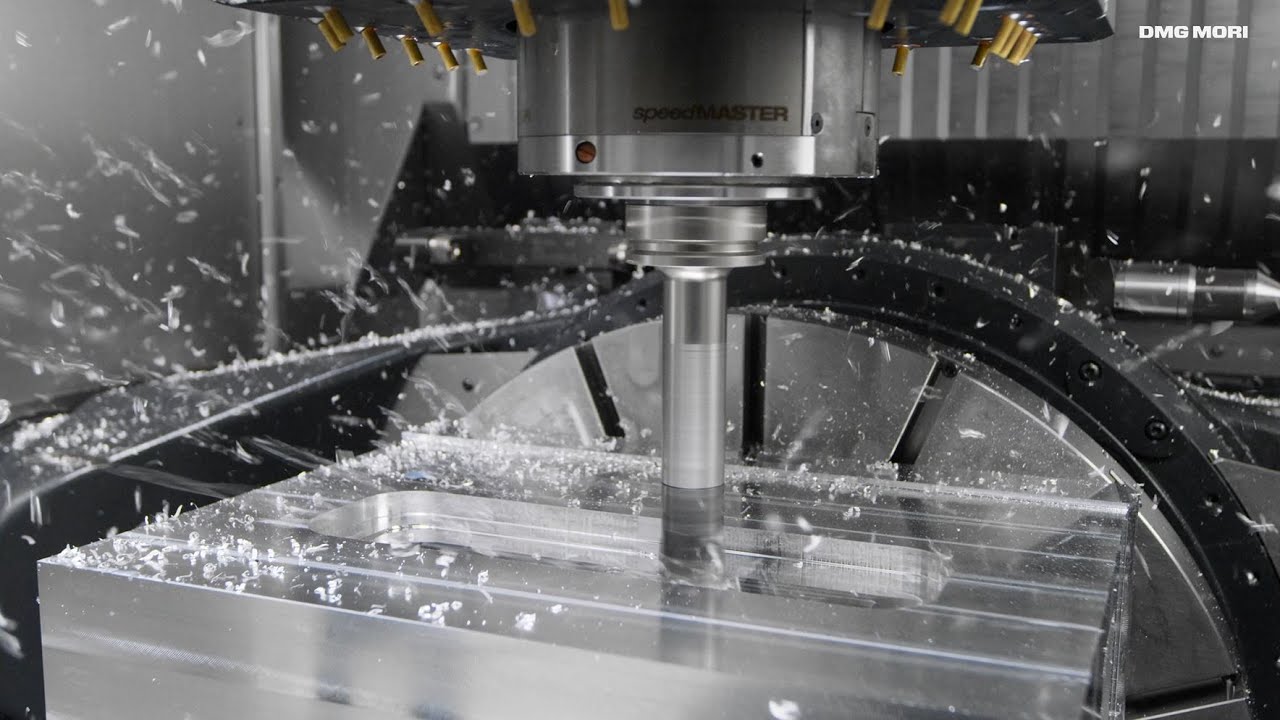
Advanced Multi-Axis Machining for Complex Optics: Simple 2.5D milling is insufficient for modern optical components. The true power for complex PMMA parts lies in 5-axis CNC machining. This technology allows the cutting tool to approach the workpiece from virtually any angle in a single setup. For a complex freeform lens or a light guide with compound curves, 5-axis machining ensures:
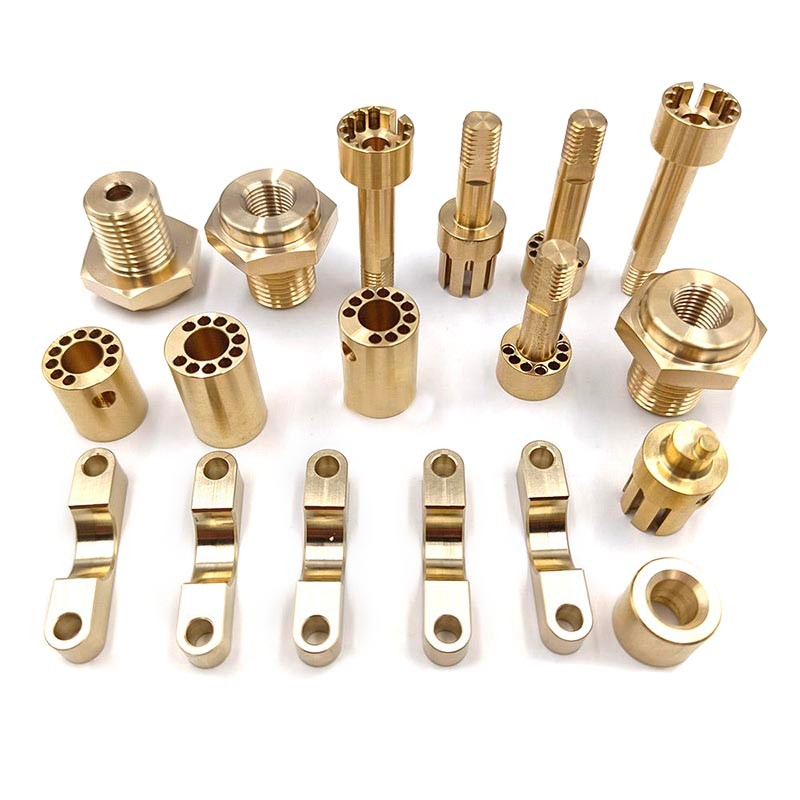
Single-Setup Accuracy: Eliminating errors from multiple re-fixturing.
Superior Surface Contiguity: Creating smooth, continuous optical surfaces without disjointed toolpath transitions.
Ability to Machine Undercuts: Producing features impossible with 3-axis machines.
At GreatLight Metal, our Dema and Jingdiao 5-axis machining centers are calibrated specifically for non-ferrous materials and plastics, equipped with high-frequency spindles and temperature-controlled environments to ensure stability during the delicate machining of PMMA.
A Full-Process, Integrated Service Chain: We understand that PMMA CNC machining is rarely the final step. Our service is built as an integrated solution:
Design for Manufacturability (DFM) Analysis: Our engineers review your model to suggest adjustments—like adding slight fillets to sharp internal corners or recommending optimal wall thickness—to enhance machinability and final strength.
Precision Machining: Executed on our 3, 4, and 5-axis platforms with optimized parameters for PMMA.
Comprehensive Post-Processing:
Polishing: From fine-grit sanding to high-gloss buffing, we offer multiple levels of finish to meet your clarity specifications.
Vapor Polishing: For parts with intricate geometries where manual polishing is impractical.
Anti-Scratch & Anti-Reflective Coatings: We provide application services for functional and optical coatings to enhance product performance.
Assembly & Quality Inspection: Using optical comparators and CMMs, we verify critical dimensions and light transmission properties.
Material Selection and Application Spotlight
Not all “acrylic” is equal. We typically machine two primary grades:
Cast Acrylic (PMMA): Offers superior optical clarity, higher molecular weight, and is better suited for machining intricate parts. It is the preferred choice for high-end optical applications.
Extruded Acrylic: More cost-effective and has better tolerance on sheet thickness, but can be more prone to internal stress and may not achieve the same ultimate clarity as cast when machined.
Typical Applications We Support:
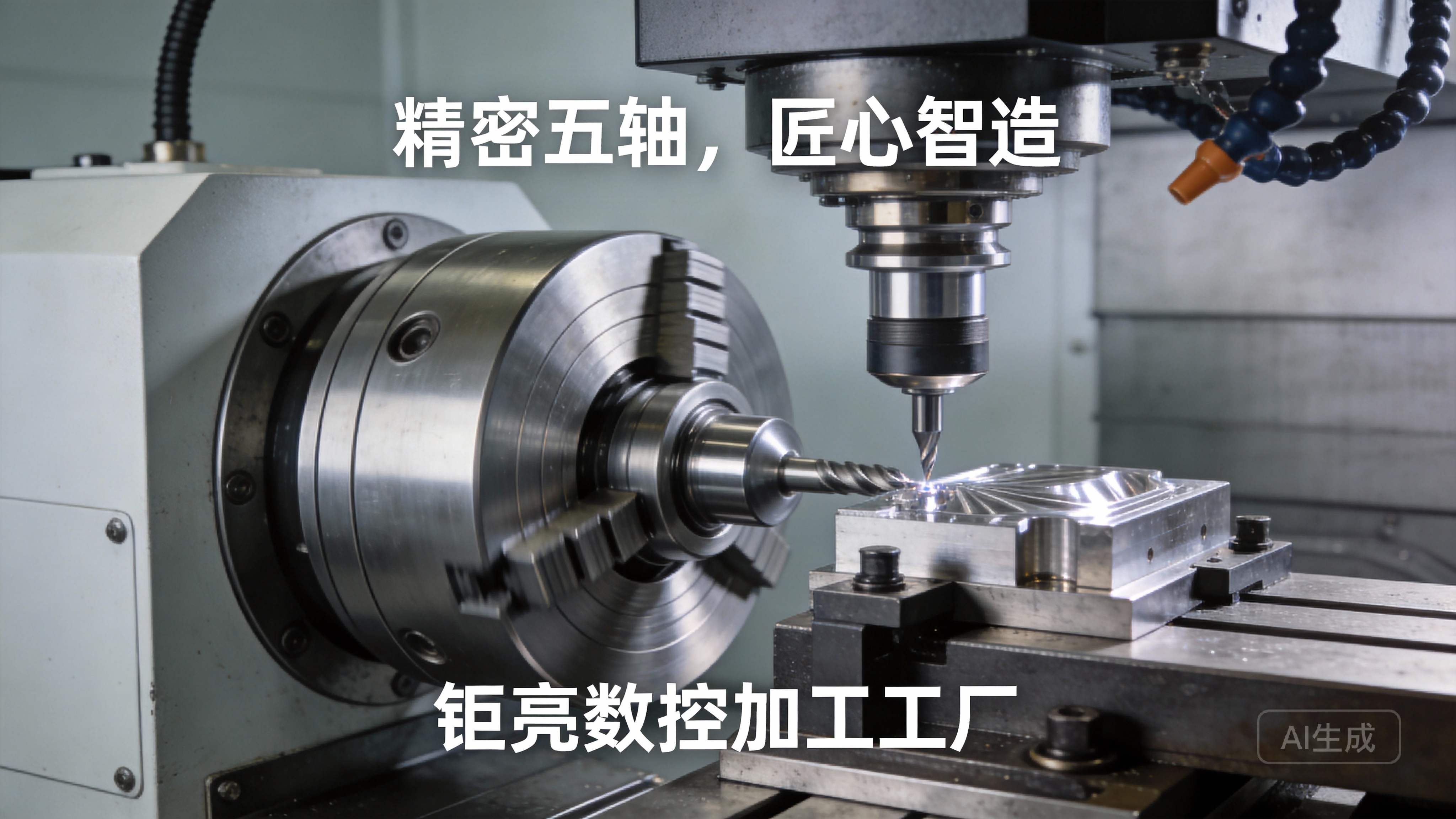
Medical & Diagnostic Devices: Transparent fluidic chambers, cuvette holders, lens housings for imaging systems.
Automotive & Aerospace: Interior light guides, instrument panel lenses, prototype taillight housings, aircraft cabin signage.
Consumer Electronics: Light diffuser plates, prototype wearable device casings, display stands.
Industrial Design & Prototyping: High-fidelity concept models, architectural scale models with transparent elements.
Why Partner with a Certified Expert?
The margin for error in precision optical components is vanishingly small. Partnering with a manufacturer that operates under rigorous international quality management systems is not an option—it’s a necessity. At GreatLight Metal, our ISO 9001:2015 certification underpins every process, ensuring consistency and traceability. For medical components, our adherence to ISO 13485 principles provides assurance of a controlled environment suitable for critical devices. Furthermore, our IATF 16949 compliance demonstrates our systematic approach to quality, which benefits all sectors by minimizing risk and variation.
The Collaborative Workflow: From File to Finished Part
Engaging with a professional service for your PMMA CNC machining needs should be a seamless process:
Share Your Design: Upload your 3D CAD file (STEP, IGES, X_T preferred) along with your requirements for quantity, tolerance, and post-finish.
Receive Expert DFM & Quotation: Within hours, our engineering team provides a detailed analysis and a transparent cost breakdown, suggesting optimizations if needed.
Production Launch: Upon approval, the job is scheduled on the most appropriate CNC platform. You receive regular updates.
Quality Assurance & Delivery: Every part undergoes stringent inspection against your drawing before being carefully packaged and shipped.
In conclusion, PMMA CNC machining is a sophisticated discipline that bridges the gap between brilliant design and tangible, high-performance transparent parts. It requires a synergistic combination of advanced machinery, specialized tooling, empirical process knowledge, and rigorous quality control. For projects where clarity, precision, and reliability cannot be compromised, choosing a partner with demonstrated expertise across the entire manufacturing chain is the most critical decision you will make. For those seeking a collaborative partner to bring their most challenging transparent component designs to life with precision and care, we invite you to explore the capabilities of industry leaders like GreatLight Metal and connect with our team of specialists on LinkedIn{:target=”_blank”} to start a conversation about your next project.



















