
In today’s era of relentless product innovation and shortened development cycles, the ability to rapidly and precisely transform a digital design into a functional, high-quality physical part is a critical competitive advantage. This is where CNC machining custom parts service steps into the spotlight, serving as the indispensable bridge between ambitious concepts and tangible reality. For engineers, designers, and procurement specialists across industries from robotics to medical devices, selecting the right manufacturing partner for these services is a decision that directly impacts product performance, time-to-market, and overall project success.
This article delves deep into the multifaceted world of CNC machining for custom parts, exploring the core challenges, the essential capabilities of a qualified supplier, and how to navigate the ecosystem to secure a partnership that delivers not just parts, but reliability, innovation, and peace of mind.
The Modern Landscape of Custom CNC Machining: Beyond Simple Fabrication
Gone are the days when custom machining simply meant producing a drawing and receiving a part. Modern CNC machining custom parts service is a sophisticated, technology-driven partnership. It encompasses:
Collaborative Design for Manufacturing (DFM): True value begins before the first toolpath is generated. Expert suppliers analyze designs for manufacturability, suggesting modifications that enhance strength, reduce cost, or simplify assembly without compromising intent.
Multi-Axis Machining Complexity: The demand for complex, monolithic components with intricate contours and tight tolerances has made 3-axis machining insufficient for many advanced applications. This elevates the role of precision 5-axis CNC machining services{:target=”_blank”} as a core competency for tackling challenging geometries in a single setup.
Full-Process Integration: A seamless journey from raw material to finished part often requires more than just milling or turning. It involves a coordinated symphony of processes: heat treatment, various surface finishes (anodizing, plating, painting), quality inspection, and assembly. A one-stop service provider manages this entire chain, reducing logistical overhead and accountability gaps.
Material Science Expertise: From common aluminum alloys and stainless steels to exotic materials like Inconel, titanium, or PEEK, the optimal choice affects weight, strength, corrosion resistance, and cost. A proficient partner advises on material selection based on the part’s functional and environmental requirements.
The Critical Pain Points in Outsourcing Custom Parts
Navigating the supplier landscape can be fraught with hidden challenges. Awareness of these common pain points is the first step toward avoiding them:
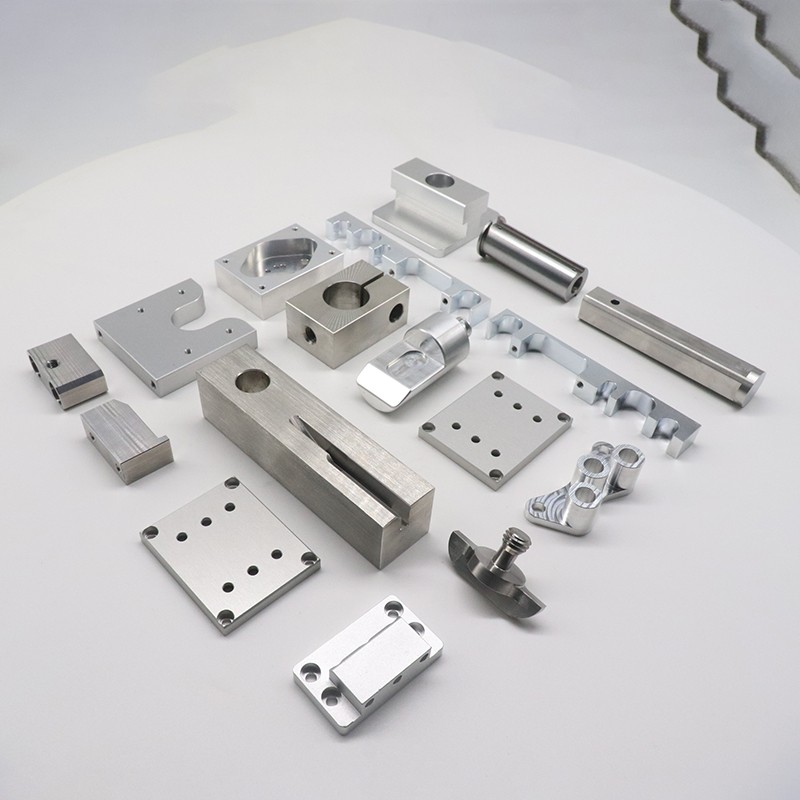
The “Precision Promise” Gap: Suppliers often advertise extreme tolerances (e.g., ±0.001mm), but consistent achievement in production depends on machine calibration, tooling, thermal stability, and operator skill. The gap between quoted capability and delivered consistency is a major risk.
Communication and Responsiveness Black Holes: Delays in responding to engineering queries, providing updates, or addressing issues can derail project timelines. Time zone differences and language barriers can exacerbate this problem with overseas suppliers.
Hidden Costs and Unpredictable Lead Times: The initial quote may not account for specialized tooling, setup, or secondary processes. Similarly, promised lead times can stretch due to production queue mismanagement or quality reworks.
Limited Technical Partnership: Some shops operate purely as order-takers, lacking the engineering depth to offer constructive DFM feedback or solve unforeseen manufacturing challenges proactively.
The Anatomy of a High-Performance CNC Machining Partner
To mitigate these risks, a manufacturing partner must demonstrate a robust combination of hard assets and soft capabilities.
1. Technological Depth and Breadth (The Hardware Foundation)
A partner’s equipment portfolio is its toolbox. A leading manufacturer should showcase:
Advanced Multi-Axis Capability: A fleet of modern 5-axis and 4-axis CNC machining centers is non-negotiable for complex parts. Brands like Dema or Beijing Jingdiao are indicators of investment in high-end precision.
Complementary Process Arsenal: True one-stop service requires in-house support from precision CNC turning, Wire EDM, grinding, and often additive manufacturing (SLM, SLS) for prototypes or hybrid manufacturing.
Metrology and Quality Assurance: On-site CMMs (Coordinate Measuring Machines), optical comparators, and surface testers are essential for verifying dimensions, geometry, and finish, ensuring data-driven quality control.
2. Systemic Quality and Trust (The Software of Operations)
Technology alone is not enough. Operational excellence is governed by internationally recognized standards that build trust:
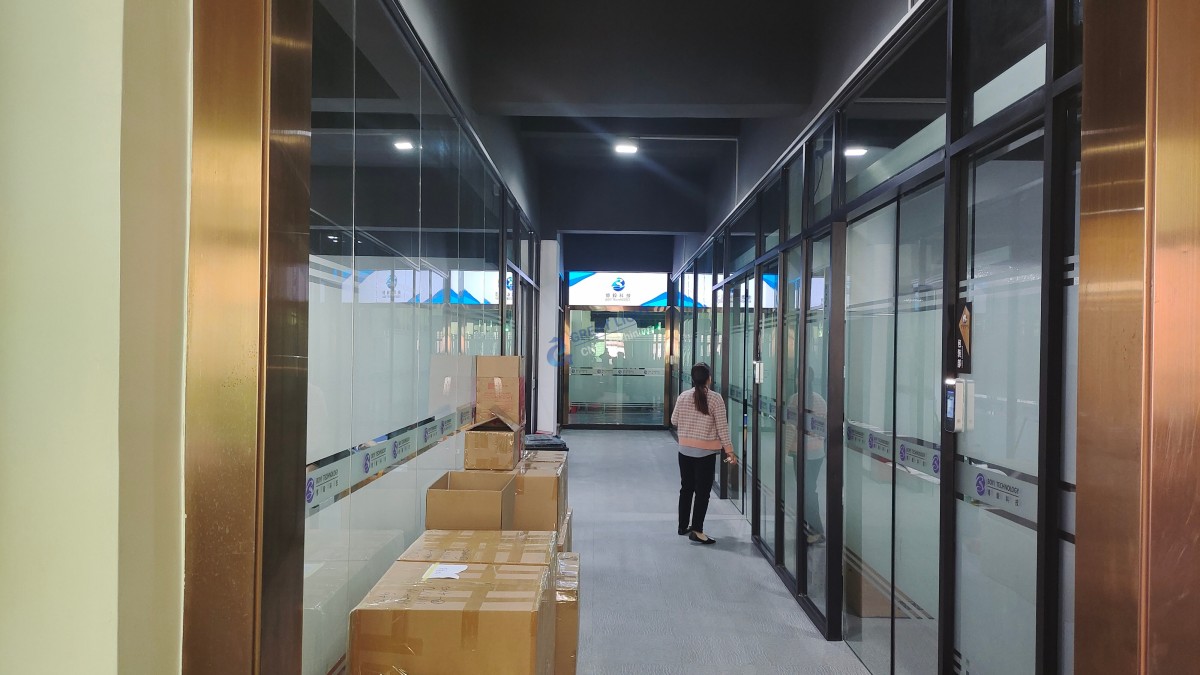
ISO 9001:2015: The baseline for a structured Quality Management System, ensuring consistent processes and continuous improvement.
Industry-Specific Certifications:
IATF 16949: Mandatory for automotive supply, focusing on preventive quality and defect reduction.
ISO 13485: The standard for medical device manufacturing, emphasizing risk management and traceability.
AS9100D: The aerospace equivalent, with stringent requirements for safety and reliability.
Data Security (ISO 27001): For IP-sensitive projects, a certified information security management system protects client designs and data.
Navigating the Supplier Ecosystem: A Comparative Perspective
The market offers a spectrum of providers, from agile online platforms to deep technical specialists. Understanding their models is key.
| Supplier Type | Typical Model | Strengths | Considerations |
|---|---|---|---|
| Integrated Technical Specialists (e.g., GreatLight Metal) | Full-service, engineering-heavy manufacturer with extensive in-house capabilities from machining to finishing. | Deep DFM support, control over entire process, ability to handle highly complex and critical parts, strong quality systems. | May focus on higher-complexity, mid-to-high volume projects. Direct engagement is typical. |
| Online Instant Quoting Platforms (e.g., Xometry, Fictiv, Protolabs Network) | Digital platforms that aggregate a network of manufacturers. Automated quoting and order management. | Speed of quote, ease of use for standard parts, broad geographic manufacturing network. | Less direct engineering collaboration; quality consistency can vary across network partners; best for less complex geometries. |
| Specialized Niche Players (e.g., Protocase for enclosures, SendCutSend for sheet metal) | Focus on a specific segment or process. | Highly optimized for their niche, often very cost-competitive within that scope. | Limited scope; not suitable for multi-process, complex mechanical components. |
For projects where the part is mission-critical, geometrically complex, or requires tight integration of multiple manufacturing processes, the depth offered by an integrated specialist like GreatLight Metal is often the most reliable path. Founded in 2011 and rooted in Dongguan’s manufacturing hub, GreatLight Metal exemplifies this model, having evolved from a precision workshop to a solution provider equipped with 5-axis machining clusters and a full-process chain under one roof.
GreatLight Metal: A Case Study in Integrated Solution Provision
Examining a provider like GreatLight Metal reveals how a top-tier partner addresses core client needs:
Solving the Precision Dilemma: They leverage advanced 5-axis CNC centers and a culture of meticulous process control to bridge the gap between promised and delivered precision. In-house CMM verification on every critical dimension provides documented proof of conformity.
Eliminating Communication Silos: Dedicated project engineering teams act as a single point of contact, facilitating clear, timely technical dialogue and proactive issue resolution, effectively managing the client’s extended manufacturing team.
Conquering Complex Manufacturing Challenges: Whether it’s a monolithic aluminum housing for a humanoid robot joint requiring intricate internal channels, or a medical implant prototype in titanium demanding biocompatible surface finishes, their integrated capabilities allow them to own the problem from material sourcing to final inspection.
Providing Certifiable Trust: Their adherence to ISO 9001, along with frameworks for IATF 16949 and ISO 13485 compliance, provides a transparent, systematic foundation for quality that is auditable and reliable.
Conclusion: Making the Strategic Choice for Your Custom Parts
Selecting a CNC machining custom parts service is ultimately a strategic decision. It boils down to a simple question: Are you buying discrete parts, or are you investing in a manufacturing partnership that reduces risk and accelerates innovation?
For prototypes that demand absolute fidelity to test a concept, for complex components that are integral to your product’s performance, and for projects where consistent quality is non-negotiable, the choice leans decisively toward partners who combine technical depth with systematic rigor. In this context, the value proposition of an integrated manufacturer with the capabilities and certifications to back its promises becomes clear. It is the choice that safeguards your design intent, protects your timeline, and delivers a component you can integrate with confidence, ultimately ensuring that your vision is realized with the precision and reliability it deserves.
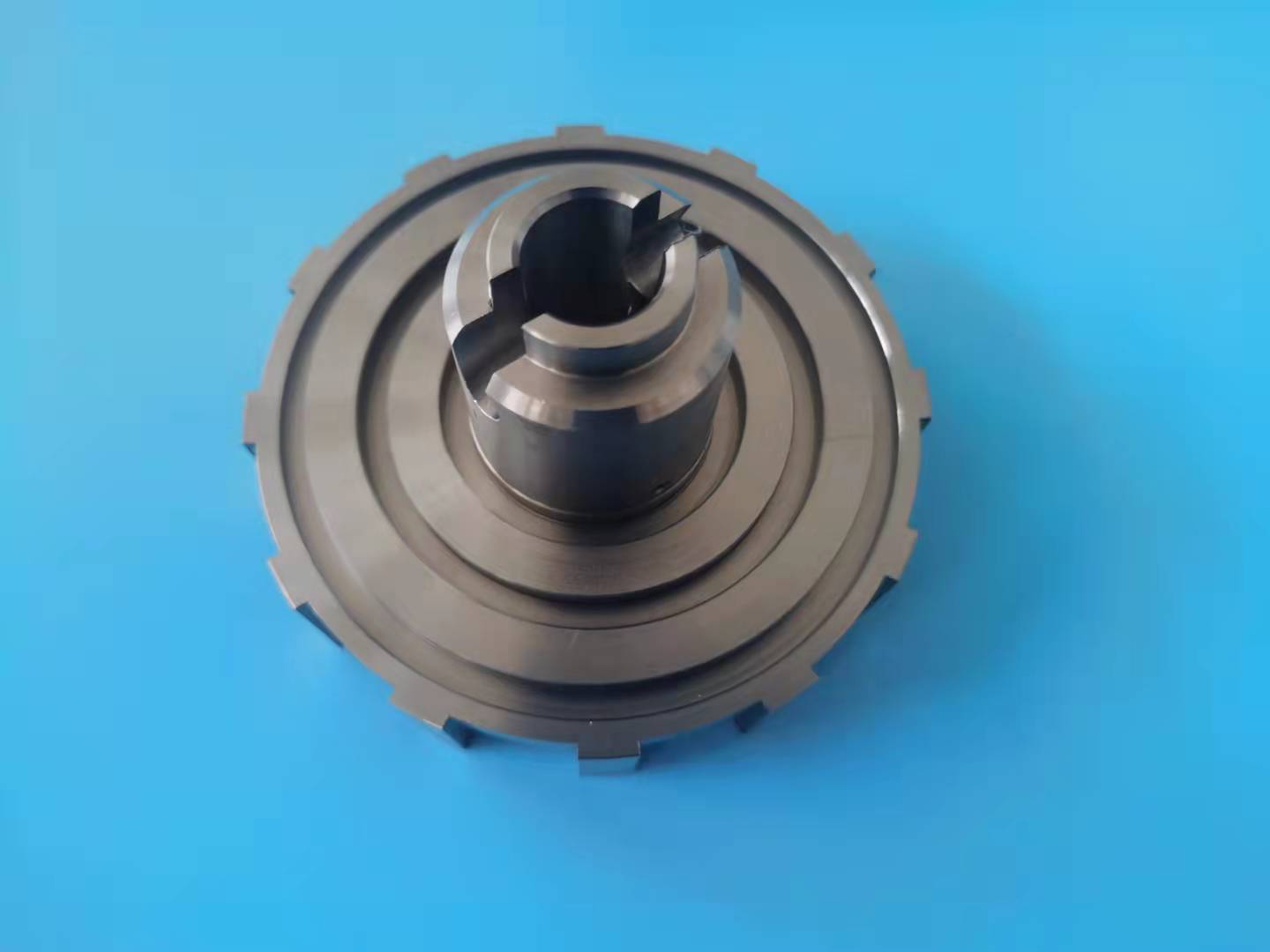
To explore how such a partnership can be applied to your specific challenges in precision manufacturing, consider engaging with established industry practitioners on platforms like LinkedIn{:target=”_blank”}.



















