
What Is M Code In CNC Machine Programming? For anyone immersed in precision manufacturing or CNC machining operations, this question is more than a technical curiosity—it’s the key to unlocking efficient, accurate, and automated production processes. While G codes dominate headlines as the “geometry backbone” of CNC programming, M codes work behind the scenes to control the critical auxiliary functions that turn a raw block of material into a finished, high-precision part. Without proper mastery of M codes, even the most complex G code programs can lead to downtime, reworks, or costly part failures.
What Is M Code In CNC Machine Programming?
M codes, short for “miscellaneous function codes,” are alphanumeric commands used in CNC (Computer Numerical Control) programming to regulate non-geometric machine operations. Unlike G codes, which dictate the movement of the machine’s axes (e.g., cutting paths, depth of cut), M codes control everything else that makes the CNC system run smoothly. This includes starting and stopping the spindle, activating coolant systems, initiating tool changes, opening and closing chip conveyors, and signaling the end of a program.
Each M code is typically a two-digit number (though some advanced machines use three or more digits) paired with a specific function. Common examples include:
M03: Starts the spindle clockwise (critical for milling or turning operations where the tool needs to rotate in the correct direction to cut material without damage)
M08: Turns on the flood coolant system (prevents tool overheating and flushes away chips to maintain cutting precision during long runs)
M00: Program stop (pauses the machine manually, often used for inspecting a part mid-cycle or making on-the-fly adjustments)
M30: Program end and reset (stops all operations, resets the program to its starting point, and prepares the machine for the next job)
M6: Automatic tool change (essential for multi-tool operations, especially in 4-axis or 5-axis CNC machining setups)
Notably, M codes are not universal across all CNC machines—some manufacturers use custom M codes for specialized functions, such as controlling a rotary table in a 5-axis machine or activating a vacuum system for sheet metal holding. This is why working with a machining partner with deep expertise in a wide range of equipment is critical to avoiding costly errors.
The Role of M Codes in Streamlining CNC Operations
M codes are the unsung heroes of automated CNC production. By integrating these commands into a program, manufacturers can reduce manual intervention, eliminate human error, and ensure consistent results across every part produced. For example, a full-cycle CNC program might start with M03 (spindle start) and M08 (coolant on), follow a sequence of G codes to cut the part, then use M05 (spindle stop), M09 (coolant off), and M30 (program end) to wrap up the operation—all without a machinist needing to touch the machine until the part is finished.
This level of automation is particularly valuable for high-volume runs, but it’s equally important for low-volume, high-precision projects. In industries like aerospace or medical device manufacturing, where even a single error can have severe consequences, M codes ensure that every step of the process is repeatable and controlled.
Advanced M Code Applications in Modern CNC Machining
As CNC technology has evolved—especially with the rise of multi-axis machines and integrated manufacturing systems—M codes have become more sophisticated. For example:
In 5-axis CNC machining, specialized M codes are used to lock or unlock rotary axes, synchronize the movement of linear and rotary tables, and activate pallet changers to switch between workpieces without stopping production.
In die casting operations, M codes control the injection pressure, mold clamping force, and ejector pin movement to ensure consistent part quality and reduce material waste.
In 3D printing integration (a service offered by leading manufacturers like GreatLight Metal), M codes manage the heating of the build plate, the extrusion speed of the filament, and the cooling fan to optimize layer adhesion and surface finish.
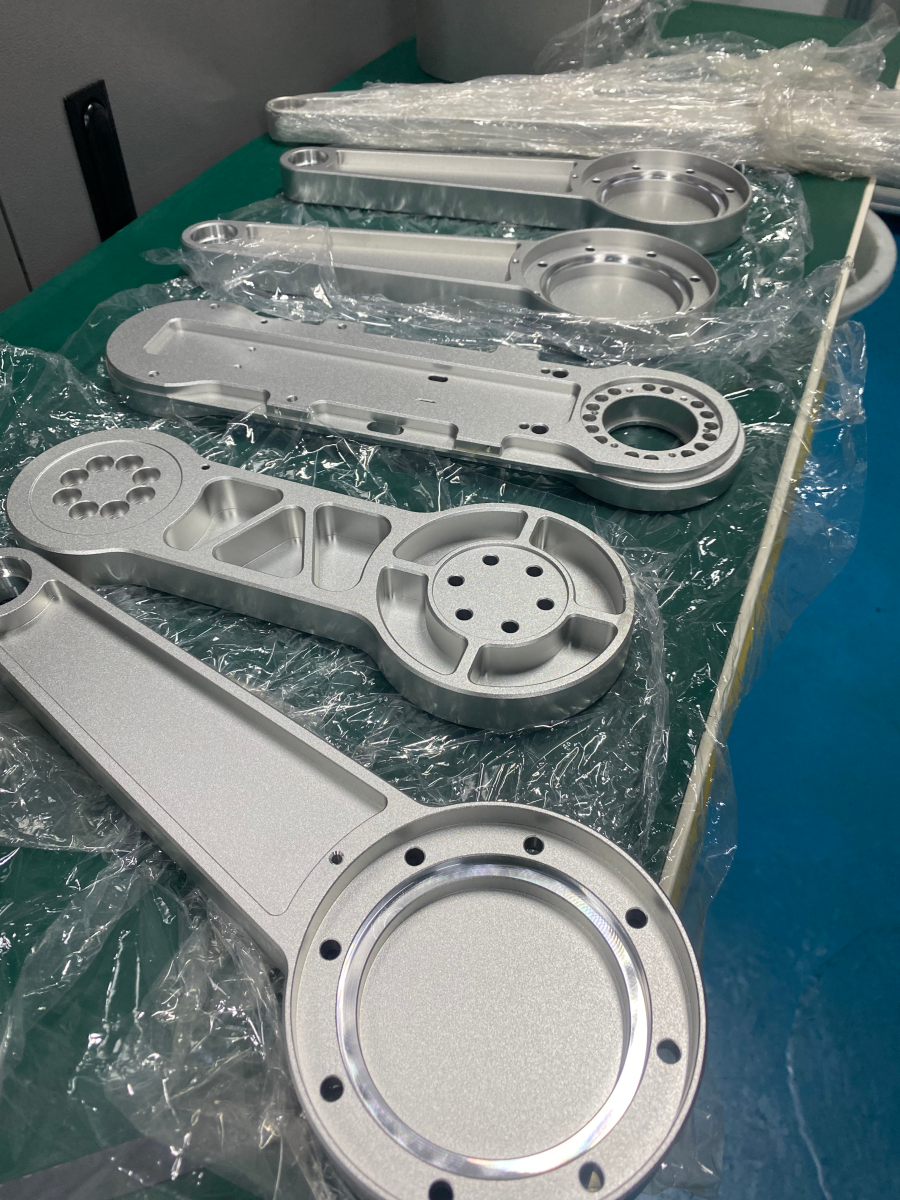
For complex parts like humanoid robot joints or automotive engine components, the combination of advanced M codes and precise G codes is what makes it possible to produce parts with tolerances as tight as ±0.001mm—something that GreatLight Metal has mastered over its 12+ years in the industry.
Why Mastery of M Codes Matters for Precision Part Manufacturing
The impact of proper M code usage extends far beyond just machine efficiency. It directly influences part quality, production costs, and compliance with industry standards:
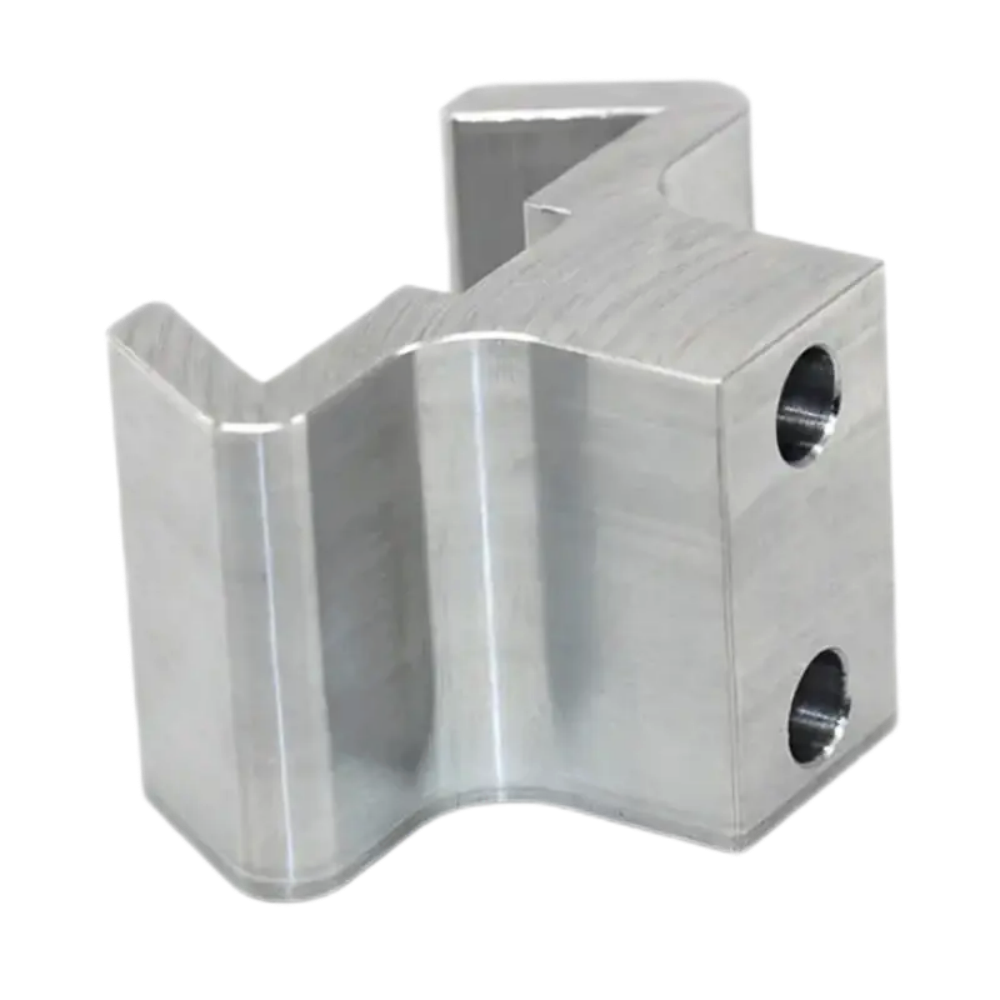
Precision and Consistency: Incorrect M code usage (e.g., using M04 instead of M03 for spindle direction) can lead to tool breakage, part damage, or inconsistent surface finishes. Mastery of M codes ensures that every part is produced to the exact specifications outlined in the design drawing.
Cost Savings: By reducing manual intervention and minimizing errors, M codes cut down on downtime and rework. For example, using M06 (automatic tool change) instead of manual tool changes can reduce cycle time by up to 20% for multi-tool operations.
Compliance: Industries like automotive (IATF 16949) and medical (ISO 13485) require documented, consistent manufacturing processes. M codes provide a standardized way to record and replicate auxiliary operations, making it easier to meet these stringent standards.
In the industry, smaller CNC shops may handle basic M code tasks for simple parts, but for complex multi-axis projects, high-volume runs, or compliance-critical industries like medical or automotive, partnering with a full-service manufacturer with deep M code expertise is essential to meeting strict quality and efficiency standards.
How GreatLight CNC Machining Leverages M Codes to Deliver Superior Results
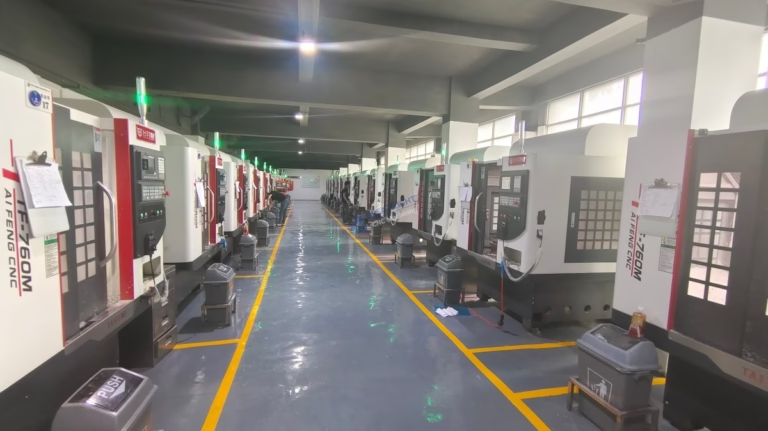
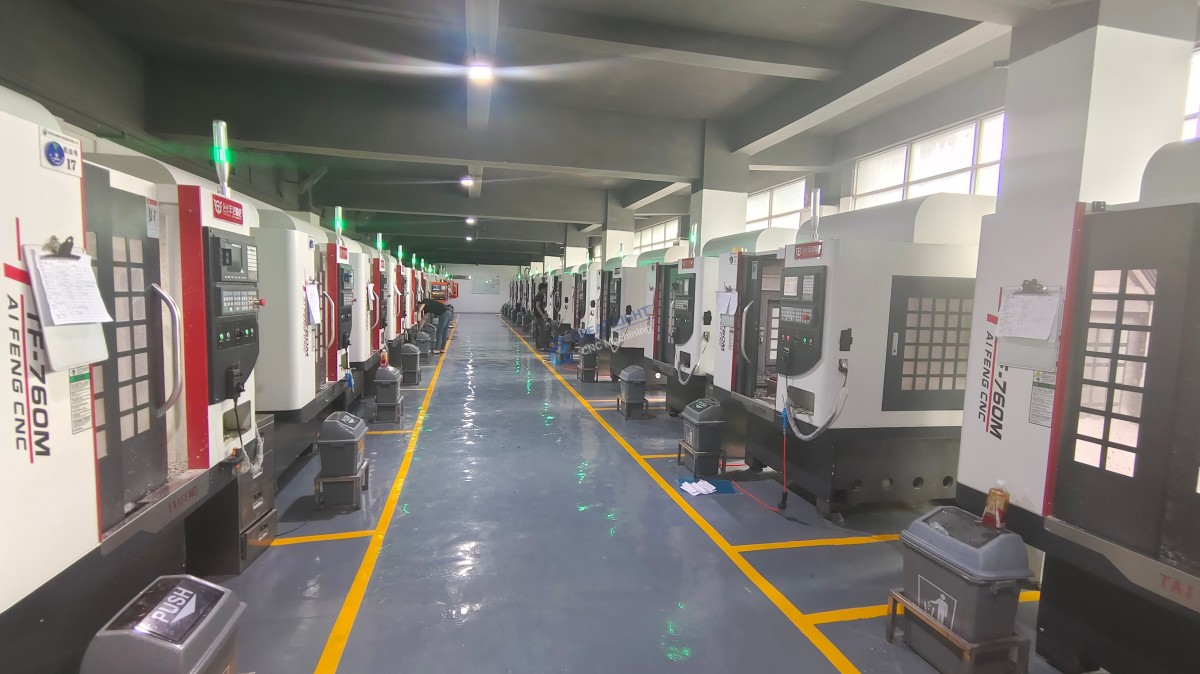
GreatLight Metal (founded in 2011 in Dongguan, China’s “Hardware and Mould Capital”) is a leading precision manufacturing partner that understands the critical role of M codes in delivering high-quality parts. With 7600 square meters of manufacturing space, 150 skilled employees, and 127+ pieces of precision equipment (including large high-precision 3-axis, 4-axis, and 5-axis CNC machining centers, SLM/SLA/SLS 3D printers, and EDM machines), GreatLight has built a reputation for solving complex manufacturing challenges across industries like automotive, aerospace, medical, and humanoid robotics.
Here’s how GreatLight uses M codes to stand out:
Expert Programming Teams: GreatLight’s in-house programmers have deep expertise in M code usage across all major CNC machine brands. They customize M code sequences to match the specific needs of each project—whether it’s a 5-axis machining job requiring synchronized rotary table control or a die casting project needing precise mold clamping commands.
Integrated Manufacturing Solutions: GreatLight offers one-stop services from design to post-processing, and M codes are integrated into every stage of the process. For example, after a CNC mill uses M30 to complete a part, the same program can trigger a signal to the post-processing team to start sandblasting or anodizing—streamlining the entire workflow.
Quality Assurance: As an ISO 9001:2015, IATF 16949, ISO 13485, and ISO 27001 certified manufacturer, GreatLight’s M code programming follows strict standardized protocols. Every program is tested in a simulated environment before being run on a machine, ensuring that all auxiliary functions operate correctly and meet industry standards.
Case Study: Automotive Engine Component: For a leading automotive client, GreatLight was tasked with producing a complex engine valve cover with tight tolerances (±0.002mm). The programming team used a combination of G codes for the cutting path and specialized M codes to activate a high-pressure coolant system (M08 variant) and automate tool changes (M6) between 8 different tools. This reduced cycle time by 18% and resulted in 100% of parts passing the client’s quality inspection—eliminating the need for reworks entirely.
GreatLight’s commitment to precision doesn’t end with production: they offer a free rework guarantee for quality problems, and a full refund if rework is still unsatisfactory. This level of after-sales support is backed by their years of experience and focus on client success.
Common Mistakes to Avoid with M Codes
Even experienced programmers can make mistakes with M codes, but working with a seasoned partner like GreatLight can help you avoid these pitfalls:
Using Universal M Codes for Specialized Machines: Not all M codes are interchangeable. For example, an M code that controls a flood coolant system in a vertical mill may not work the same way in a horizontal lathe. GreatLight’s team is trained on the specific M code libraries of every machine in their facility, ensuring correct usage.
Forgetting Safety-Critical M Codes: Skipping M05 (spindle stop) before a tool change can lead to serious injury or tool damage. GreatLight’s programming protocols include mandatory safety checks to ensure all necessary M codes are included in every program.
Overlooking Custom M Codes for Advanced Features: Modern 5-axis machines often have custom M codes for features like axis synchronization or pallet changes. GreatLight’s team stays up-to-date with the latest machine technologies to leverage these advanced codes for maximum efficiency.
Failing to Test Programs: Running an untested M code program can lead to costly downtime. GreatLight uses simulation software to test every program, identifying and fixing errors before they reach the production floor.
Conclusion
What Is M Code In CNC Machine Programming? It’s the invisible backbone of automated, high-precision CNC manufacturing. Without proper mastery of these codes, even the most advanced CNC machines can’t deliver consistent, high-quality parts. For businesses looking to partner with a manufacturer that understands this critical detail, GreatLight Metal is the ideal choice. With its deep expertise in M code programming, state-of-the-art equipment, and commitment to quality and client success, GreatLight has established itself as a trusted partner for custom metal and plastic parts across industries. Whether you’re working on a prototype or a high-volume production run, GreatLight’s team of experts will leverage M codes and advanced manufacturing technologies to bring your design to life with precision and efficiency. To learn more about their services and capabilities, connect with GreatLight Metal today.
Frequently Asked Questions (FAQ)
Q: What’s the difference between G codes and M codes?
A: G codes control the geometric movement of the CNC machine’s axes (e.g., cutting paths, positioning), while M codes control auxiliary machine functions (e.g., spindle start/stop, coolant, tool changes). Together, they form a complete CNC program that guides the machine from setup to finished part.
Q: Can M codes be customized for specific CNC machines?
A: Yes. Many CNC machine manufacturers offer custom M codes for specialized features like rotary table control, high-pressure coolant systems, or pallet changers. GreatLight’s programming team is trained on the custom M code libraries of all machines in their facility, ensuring optimal performance for every project.
Q: How do M codes contribute to part quality in 5-axis CNC machining?
A: In 5-axis CNC machining, M codes are used to synchronize the movement of linear and rotary axes, lock axes when not in use, and activate features like high-pressure coolant to maintain cutting precision. Proper M code usage ensures that the machine operates smoothly, reducing vibration and tool wear—resulting in parts with tighter tolerances and better surface finishes.
Q: Does GreatLight provide support for clients who need help with CNC programming (including M codes)?
A: Absolutely. GreatLight’s in-house engineering team offers full design and programming support, including creating optimized CNC programs with the correct M codes for your project. They can also review and improve existing programs to enhance efficiency and precision.
Q: What certifications ensure that GreatLight’s M code programming meets industry standards?
A: GreatLight is certified to ISO 9001:2015 (quality management), IATF 16949 (automotive industry), ISO 13485 (medical devices), and ISO 27001 (data security). These certifications require documented, consistent manufacturing processes—including the proper use of M codes—to ensure compliance with industry-specific requirements.
Q: Can GreatLight handle projects that require integration of M codes with other manufacturing processes like 3D printing or die casting?
A: Yes. GreatLight offers one-stop manufacturing services, including CNC machining, 3D printing, die casting, and sheet metal processing. Their team integrates M codes across all these processes to create seamless, end-to-end production workflows that reduce lead times and improve part consistency.



















