
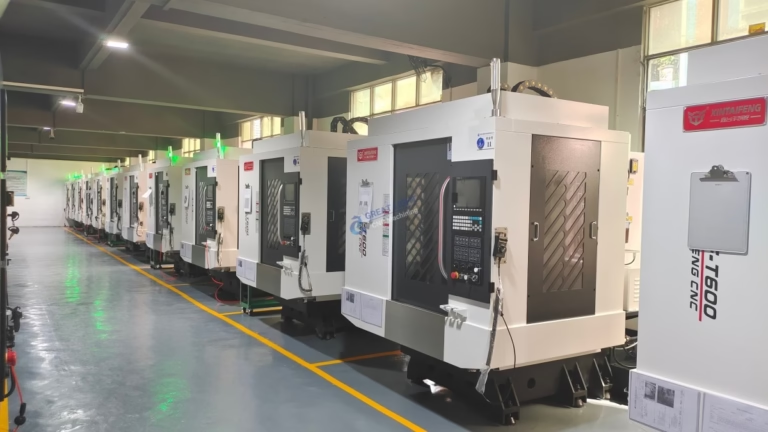
Mastering the Art of Precision: A Comprehensive Guide to CNC Milling Workflow
For engineers, designers, and procurement specialists navigating the world of custom parts, understanding the CNC milling machine process is fundamental. It demystifies how a digital design is transformed into a tangible, high-precision component. While operating a machine personally requires extensive training, comprehending the professional workflow is key to effective collaboration with a manufacturing partner. This guide will walk you through the essential, step-by-step stages of using a CNC milling machine within a professional manufacturing context, such as that employed by leaders in the field like GreatLight Metal.
H2: The Professional CNC Milling Workflow: From Concept to Component
A successful milling project is a symphony of digital planning, mechanical execution, and meticulous validation. It’s far more than simply loading a block of material and pressing “start.”
H3: Phase 1: Digital Foundation & Preparation
This phase determines the feasibility, cost, and ultimate quality of the part.
Design & 3D Modeling: Everything begins with a precise 3D CAD (Computer-Aided Design) model. This digital blueprint defines every geometry, tolerance, and surface detail. For complex parts, especially those with undercuts or compound curves, designing for 5-axis CNC machining from the outset is crucial.
Design for Manufacturability (DFM) Analysis: Before any code is generated, a critical review occurs. Experienced manufacturing engineers, like those at GreatLight Metal, analyze the model for potential issues: Are internal corners feasible? Are wall thicknesses uniform? Can the part be held securely? This collaborative step prevents costly redesigns and machining errors.
CAM Programming – The “Brain” of the Operation: Using CAM (Computer-Aided Manufacturing) software, a programmer translates the 3D model into machine instructions (G-code). This involves:
Selecting Tools: Choosing the appropriate end mills, drills, and boring tools from a vast library based on material, feature size, and required finish.
Defining Toolpaths: Strategically planning the route each cutting tool will take to remove material efficiently while minimizing stress and maximizing accuracy. This includes roughing, semi-finishing, and finishing passes.
Setting Parameters: Precisely defining spindle speeds, feed rates, depth of cut, and coolant application for each operation.
Simulation & Verification: The programmed toolpaths are virtually simulated within the software to detect any collisions, gouging, or inefficient motions. This is a non-negotiable safety and quality check.
H3: Phase 2: Physical Setup & Machining
This is where the digital plan meets the physical machine.
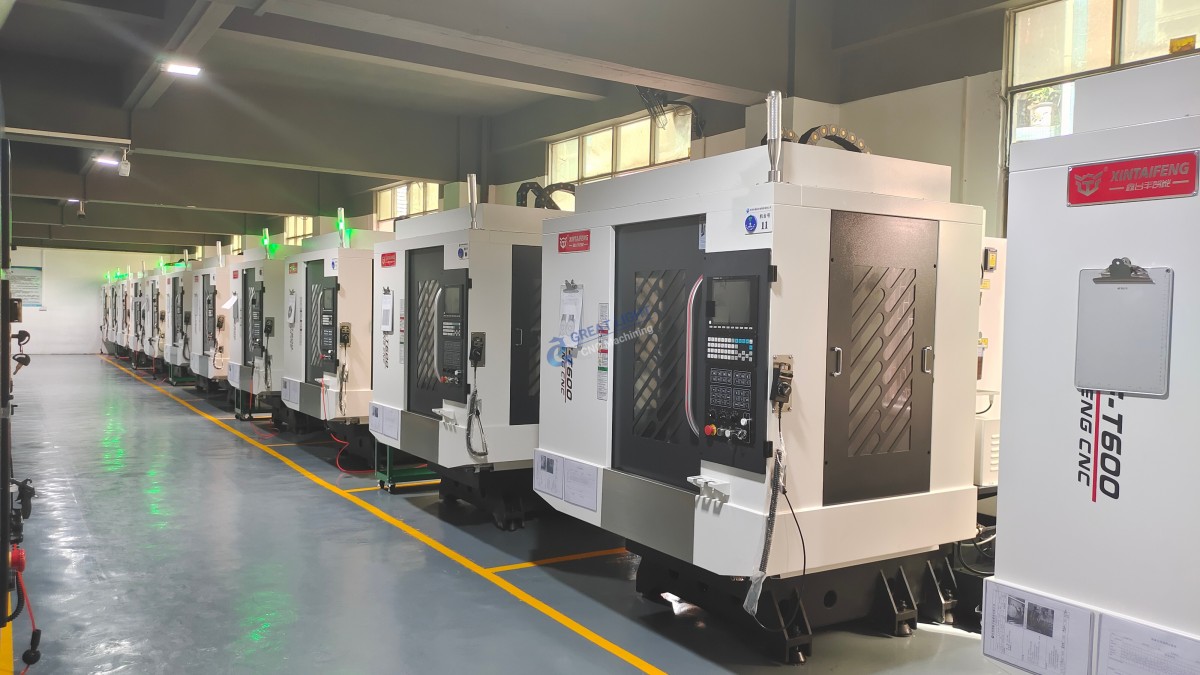
Material Preparation & Fixturing: A raw billet of material (aluminum, steel, titanium, plastic) is securely mounted to the machine’s work table using vises, clamps, or custom fixtures. The stability and rigidity of this setup are paramount for achieving high precision. In advanced setups, probes are used to precisely locate the workpiece zero point.
Tool Loading & Presetting: All cutting tools defined in the CAM program are loaded into the machine’s automatic tool changer (ATC). Their length and diameter offsets are meticulously measured, often using a tool presetter, and input into the machine’s controller to ensure dimensional accuracy.
Program Loading & Dry Run: The G-code program is transferred to the CNC milling machine‘s controller. A final “dry run” (machine running without the spindle on or without the workpiece) is performed to confirm all movements are as intended.
The Machining Process: The operator initiates the cycle. The machine executes the program autonomously:
The ATC selects the first tool.
The spindle rotates at the programmed speed (often tens of thousands of RPM).
The tool moves along the 3D toolpath, precisely cutting away material.
Coolant is applied to manage heat, evacuate chips, and prolong tool life.
This repeats for every tool in the sequence until the part is complete.
H3: Phase 3: Post-Processing & Validation
A milled part is rarely “finished” straight off the machine.
Deburring & Initial Cleaning: Sharp edges and burrs left from machining are carefully removed.
Secondary Operations: Depending on the drawing, the part may move to other departments for:
Precision CNC turning for cylindrical features.
Grinding or EDM for ultra-tight tolerances or hardened materials.
Thread tapping or heat treatment.
Surface Finishing: The part may undergo bead blasting, anodizing, plating, painting, or polishing to achieve the desired aesthetic and functional properties.
Quality Control & Inspection – The Final Gate: This is the most critical step for precision parts. Using equipment like Coordinate Measuring Machines (CMM), optical scanners, and surface roughness testers, quality inspectors verify every critical dimension against the original drawing. A manufacturer’s commitment to standards like ISO 9001:2015 is proven here through documented inspection reports.
Conclusion
Understanding how to use a CNC milling machine step by step reveals that it is a deeply integrated process blending advanced software, engineering expertise, and precision hardware. It underscores that successful outcomes depend less on a single machine and more on the systemic capability of the manufacturer—their DFM insight, programming skill, process control, and rigorous quality assurance. For projects demanding reliability, complexity, and certified precision, partnering with a full-service provider like GreatLight Metal, which embodies this integrated workflow from digital design to final inspection, transforms the manufacturing journey from a operational task into a strategic advantage for innovation.
FAQ: Frequently Asked Questions
Q1: What file format do I need to provide for CNC milling?
A: The most universal and preferred format is a 3D solid model in STEP (.stp or .step) or IGES (.igs) format. These are “neutral” formats that preserve geometry accurately. 2D drawings in PDF or DWG format are crucial as well, as they specify tolerances, finishes, and critical dimensions not fully conveyed by the 3D model alone.
Q2: How do I choose between 3-axis, 4-axis, and 5-axis CNC milling?
A: The choice depends on part geometry:
3-Axis: Ideal for parts with features on one primary face (top, sides). Most cost-effective for simpler geometries.
4-Axis: Adds rotation around the X-axis, allowing machining on the sides of a cylindrical part or indexing for multiple operations without re-fixturing.
5-Axis: Allows the cutting tool to approach the workpiece from any direction simultaneously. Essential for complex contours, aerospace components, impellers, and mold cores. It reduces setups, improves accuracy on complex parts, and allows for better tool access.
Q3: What are the most common mistakes to avoid when designing a part for CNC milling?
A: Key pitfalls include:
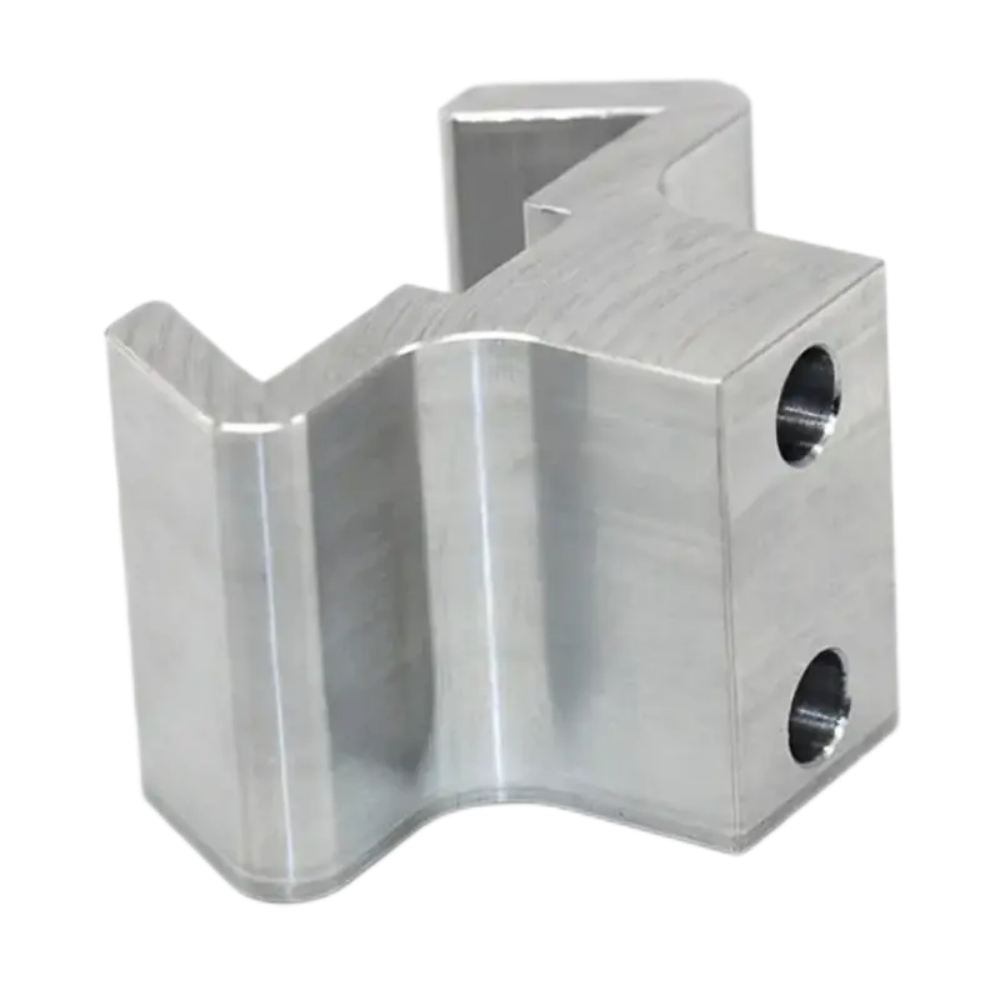
Ignoring Tool Access: Designing deep, narrow cavities or internal features that standard cutting tools cannot reach.
Sharp Internal Corners: End mills are round, so they create radii in corners. Specify a reasonable corner radius.
Unrealistic Tolerances: Applying unnecessarily tight tolerances (±0.025mm vs. ±0.1mm) can exponentially increase cost without adding functional value.
Poor Fixturing Considerations: Designing a part with no obvious, stable flat surfaces for clamping can make it difficult or impossible to machine accurately.
Q4: How does a manufacturer like GreatLight Metal ensure consistent quality across production runs?
A: Consistency is guaranteed through a system, not just a machine. This includes:
Standardized CAM Programming & Tool Libraries: Ensuring every part is programmed with proven, optimized parameters.
Process Documentation: Every job has a detailed work instruction sheet.
First-Article Inspection (FAI): The first part off a run is thoroughly inspected and documented before proceeding.
In-Process Checks: Operators use gauges and probes to monitor key dimensions during the run.
Certified Quality Management System: Frameworks like IATF 16949 (for automotive) or ISO 13485 (for medical) provide the structural discipline for repeatable quality.
Q5: What are the benefits of using a one-stop integrated manufacturer versus multiple specialized suppliers?
A: Integration offers significant advantages:
Single Point of Accountability: One partner manages the entire process, simplifying communication and responsibility.
Faster Lead Times: Parts move seamlessly between departments (machining, finishing, inspection) without external shipping delays.
Improved Quality Control: Process knowledge is maintained throughout the chain, and the same quality standards apply to all stages.
Cost Efficiency: Reduced logistics, administrative overhead, and the potential for value engineering across the entire manufacturing process. Companies like GreatLight Metal are built on this full-process chain model to deliver these exact benefits. For more insights into industry applications and manufacturing excellence, you can explore professional networks such as LinkedIn{:target=”_blank”}.



















