
How Much Is A CNC Router Machine? This is one of the most pressing questions for entrepreneurs, engineers, and small business owners looking to bring their custom parts and prototypes to life—whether by investing in in-house equipment or understanding the costs behind outsourcing precision machining services. The answer is not one-size-fits-all, as CNC router prices vary dramatically based on machine capabilities, build quality, and intended use cases. In this post, we’ll break down the key factors influencing costs, explore hidden expenses of ownership, and compare the value of buying versus outsourcing to a trusted precision machining partner like GreatLight CNC Machining Factory.
How Much Is A CNC Router Machine?
To understand CNC router pricing, it’s critical to first unpack the core factors that drive costs. Each decision you make about machine specifications will impact your budget significantly.
Key Factors That Determine CNC Router Machine Costs
1. Axis Configuration: 3-Axis vs. 4-Axis vs. 5-Axis
The number of motion axes is the single biggest driver of CNC router costs:
3-Axis Routers: Entry-level models that move along X, Y, and Z axes, suitable for flat or simple 3D parts. These are the most affordable, but lack the capability to machine complex geometries from multiple angles.
4-Axis Routers: Add a rotational A-axis, enabling machining of cylindrical or curved features. This increases complexity and cost compared to 3-axis machines.
5-Axis Routers: The most advanced option, with two rotational axes that allow simultaneous machining of parts from any angle. Ideal for aerospace, medical, and automotive components, these machines require precision calibration, rigid frames, and specialized software. When considering 5-axis capabilities, investing in a single machine can cost six figures, but outsourcing to a partner with access to these machines (like our 5-axis CNC machining services, opened in new window) eliminates the upfront financial burden.
2. Size & Work Envelope
The maximum size of parts a machine can handle directly impacts its price:
Desktop/Hobbyist Routers: Small work envelopes (under 1000mm) cost the least, designed for personal projects or simple prototypes.
Industrial Routers: Large work envelopes (up to 4000mm, like those at GreatLight) require heavy-duty frames, high-power spindles, and robust materials, leading to significantly higher costs. These machines are built for large-scale production of oversized parts.
3. Precision & Accuracy Tolerances
Precision requirements dictate the quality of components used in the machine:
Standard Precision: Machines with tolerances of ±0.01mm are suitable for general manufacturing and cost less.
Ultra-High Precision: Machines capable of ±0.001mm tolerance (critical for medical implants, aerospace components, and automotive engine parts) demand linear guides, precision ball screws, and in-line measurement systems. These features add thousands of dollars to the price, but are non-negotiable for applications where even minor deviations can cause part failure.
4. Brand & Build Quality
Established industrial brands with a track record of reliability charge a premium, but their machines offer longer lifespans, lower downtime, and better technical support. Budget brands may have lower upfront costs, but often use lower-quality materials that lead to frequent breakdowns and inconsistent precision—costly issues for professional production.
5. Additional Features & Accessories
Extras can boost efficiency but add to the total cost:
Automatic tool changers reduce setup time but cost $5,000–$20,000.
High-speed spindles (for faster machining) add $2,000–$10,000.
Integrated CAD/CAM software licenses cost $500–$5,000 per year.
Dust collection systems and cooling units are essential for safety and machine longevity but add $1,000–$8,000.
6. After-Sales Support & Warranty
Machines with comprehensive warranties (1–3 years) and 24/7 technical support cost more, but this support minimizes costly downtime. Cheaper machines often lack robust after-sales services, leaving you stranded if a critical component fails.
CNC Router Price Range Breakdown
| To give you a clearer picture, here’s a typical price range for different CNC router types: | CNC Router Type | Price Range (USD) | Typical Use Case |
|---|---|---|---|
| Entry-Level 3-Axis | $2,000 – $15,000 | Hobbyists, small businesses, simple plastic/wood parts | |
| Mid-Range 3-Axis | $15,000 – $50,000 | Prototyping, small-batch production, medium precision metal parts | |
| Industrial 3-Axis | $50,000 – $150,000 | High-volume production, consistent precision for automotive components | |
| 4-Axis CNC Routers | $30,000 – $200,000 | Complex parts with rotational features (e.g., gears, brackets) | |
| 5-Axis CNC Routers | $100,000 – $500,000+ | Ultra-complex geometries (e.g., aerospace turbine blades, medical implants) |
Hidden Costs of Owning a CNC Router Machine
Many buyers focus only on the upfront purchase price, but hidden expenses can add 20–50% to the total ownership cost over five years:
Installation & Calibration: Industrial routers require professional setup and precision calibration, costing $1,000–$10,000.
Operator Training: Skilled CNC operators are in high demand; training existing staff or hiring new talent costs $5,000–$20,000.
Maintenance & Repairs: Regular lubrication, filter changes, and part replacements cost $2,000–$15,000 annually. Unexpected repairs (e.g., spindle replacement) can cost $10,000–$30,000.
Tooling & Consumables: End mills, drills, and cutting tools need frequent replacement, costing $1,000–$10,000 per year depending on usage.
Downtime Costs: Every hour a machine is idle due to maintenance or repairs can cost hundreds or thousands of dollars in lost production.
Outsourcing vs. Buying: Which Is the Smarter Choice?
For many businesses—especially those with low to medium production volumes, variable demand, or need for advanced 5-axis capabilities—outsourcing to a professional precision machining partner is a more cost-effective and low-risk option. GreatLight CNC Machining Factory, a leading provider of end-to-end precision machining solutions, eliminates the need for you to invest in and maintain your own CNC router machine. Here’s how partnering with GreatLight adds value:
No Upfront Capital Expenditure: You avoid spending tens or hundreds of thousands of dollars on equipment, installation, and training.
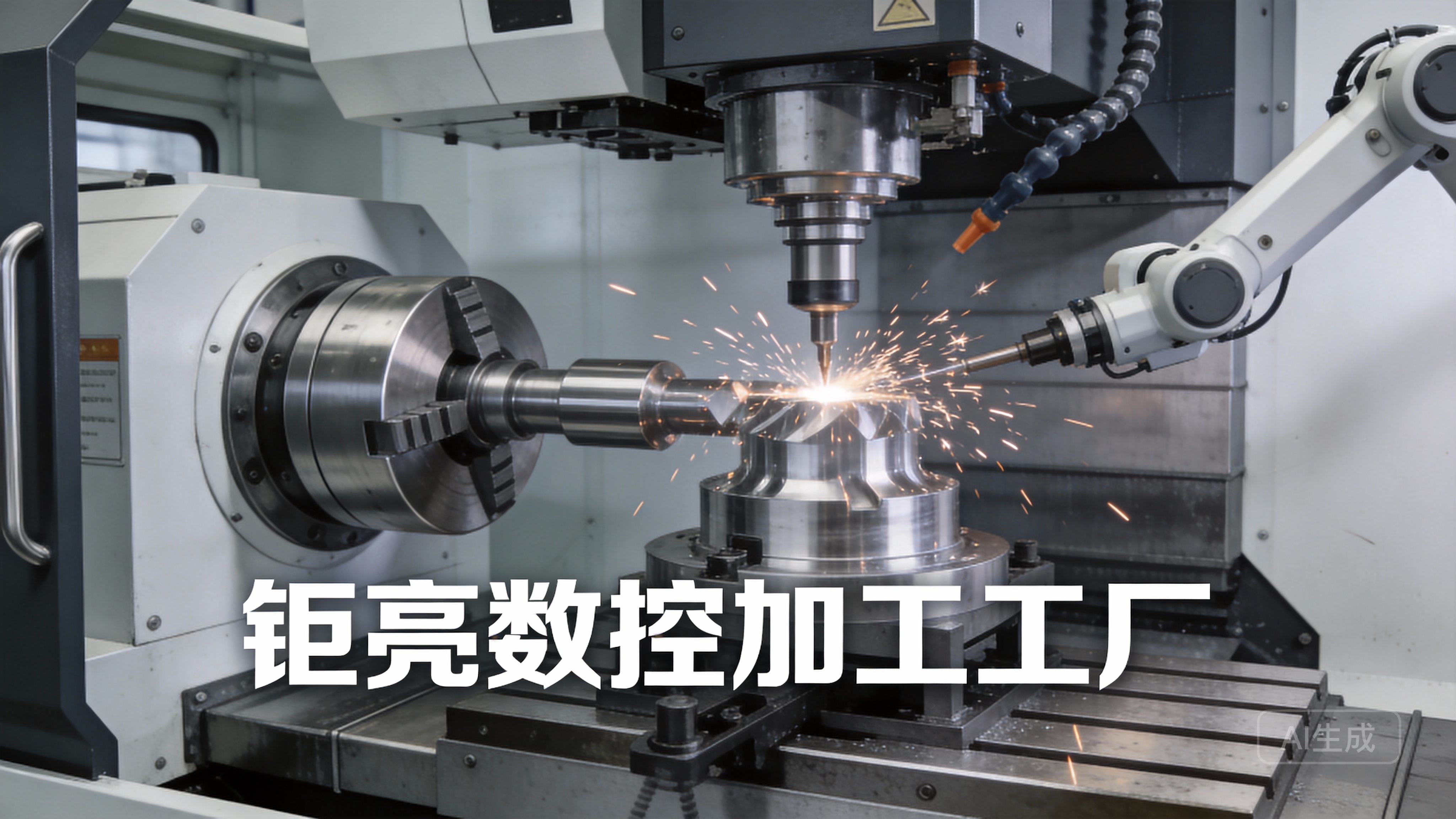
Access to Cutting-Edge Technology: GreatLight operates 127+ precision machines, including large high-precision 3-axis, 4-axis, and 5-axis CNC machining centers, SLM/SLA/SLS 3D printers, and EDM machines. You get access to this technology without the cost of ownership.
Industry-Leading Quality Assurance: With ISO 9001:2015, IATF 16949, ISO 13485, and ISO 27001 certifications, GreatLight ensures parts meet the highest precision standards (±0.001mm and above). Their in-house measurement and testing equipment verifies every part against your specifications, and they offer free rework for quality issues, with a full refund if rework is still unsatisfactory.
One-Stop Services: From design consultation and machining to post-processing (anodizing, painting, plating) and assembly, GreatLight provides end-to-end solutions. This saves you time and money by eliminating the need to coordinate multiple vendors.
Flexibility for Variable Demand: Whether you need a single prototype or a small batch of parts, GreatLight can scale to meet your needs. You don’t have to worry about underutilizing expensive equipment during slow periods.
GreatLight’s track record includes serving clients in automotive, medical, aerospace, and humanoid robot industries, solving complex manufacturing challenges that many in-house teams struggle with.
Conclusion
How Much Is A CNC Router Machine? The answer depends on your specific needs, with prices ranging from a few thousand dollars for entry-level models to half a million or more for high-end 5-axis industrial machines. But beyond the upfront cost, hidden expenses like maintenance, training, and downtime can add significantly to the total ownership cost. For many businesses, outsourcing to a trusted partner like GreatLight Metal Tech Co., LTD. (opened in new window) is a smarter financial and operational choice. By leveraging GreatLight’s advanced equipment, expertise, and quality guarantees, you can bring your precision parts to life without the risk and expense of owning your own CNC router machine.
Frequently Asked Questions (FAQ)
1. What’s the difference between a CNC router and a CNC machining center?
A CNC router is traditionally used for cutting softer materials like wood, plastic, and non-ferrous metals, while a CNC machining center is designed for harder materials like steel and titanium, offering higher rigidity and precision. Modern industrial CNC routers can handle a wide range of materials, blurring this line, but machining centers are better suited for high-precision, heavy-duty applications.
2. Can I get a high-precision CNC router for under $50,000?
You can find mid-range 3-axis routers with good precision (±0.01mm) in this price bracket, but machines capable of ±0.001mm tolerance or 5-axis capabilities will cost significantly more. For ultra-high-precision applications, outsourcing to GreatLight (which has access to these high-end machines) is often more cost-effective.
3. Is outsourcing CNC machining cheaper than buying my own machine?
For businesses with low to medium production volumes or variable demand, yes. Outsourcing eliminates upfront costs, maintenance, and training expenses. However, if you have consistent high-volume production (10,000+ parts per year), owning your own machine may be more cost-effective in the long run.
4. How does GreatLight ensure the precision of machined parts?
GreatLight uses in-house precision measurement equipment (like coordinate measuring machines) to verify every part against your specifications. Their ISO 9001:2015 certified quality management system ensures consistent processes, and their team of experienced engineers oversees every step of production to maintain tolerances as tight as ±0.001mm.
5. What lead times can I expect from GreatLight?
GreatLight specializes in rapid prototyping and small-batch production, with parts often delivered within 3–7 days. Lead times vary based on part complexity and volume, but their efficient production lines and three wholly-owned manufacturing plants ensure quick turnaround times even for larger orders.
6. Can GreatLight handle custom parts made from rare materials?
Yes. GreatLight has experience machining a wide range of materials, including titanium alloy, stainless steel, aluminum alloy, mold steel, and high-performance plastics. They can source rare materials and adjust machining processes to meet the unique requirements of your project.



















