
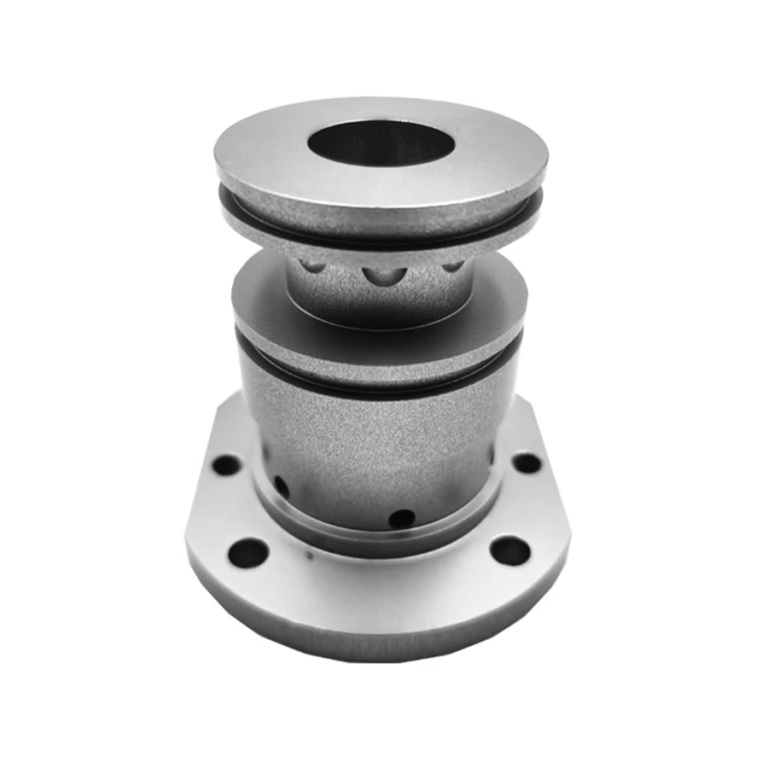
In the realm of precision parts machining and customization, the question of tooling is not merely operational but foundational to achieving design intent. When clients ask, “What kind of bit do CNC machines use for geometry?” they are touching upon the very heart of how complex designs are translated into physical reality. The answer is not singular but a strategic selection from an arsenal of cutting tools, each chosen based on the specific geometric features, material, tolerance requirements, and surface finish goals of the part.
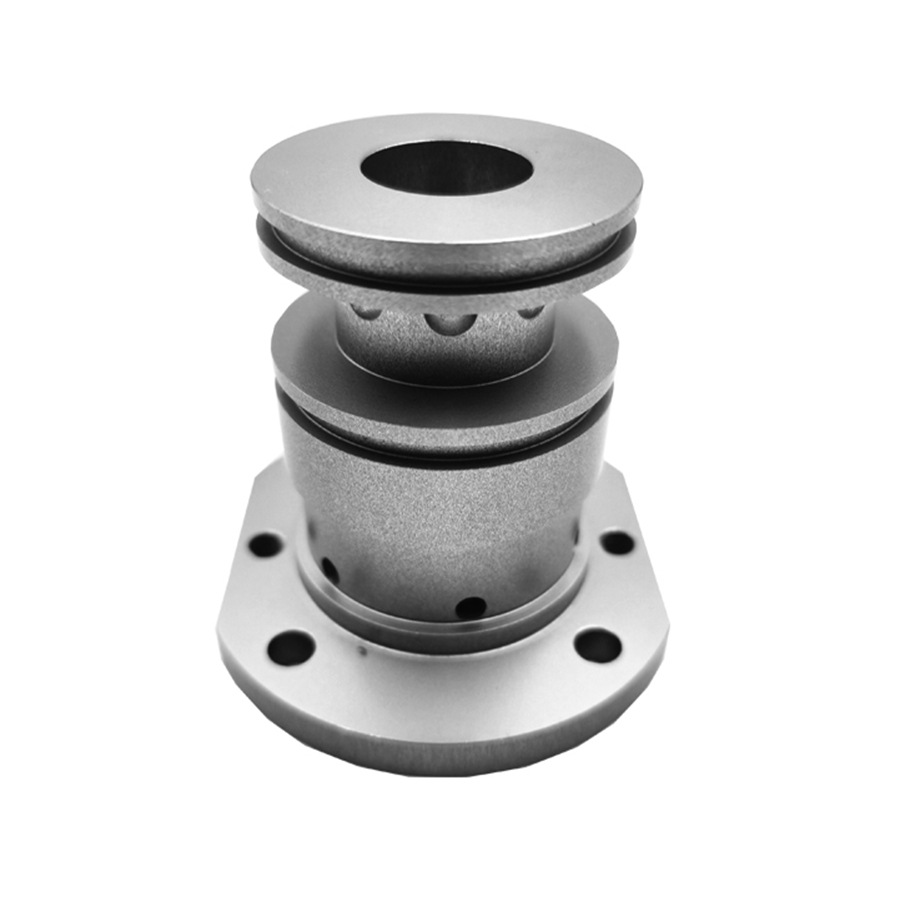
Decoding Geometry: The Language of CNC Tooling
Geometry in machining refers to the shapes, contours, angles, and features that define a part. This includes everything from simple flat faces and pockets to complex 3D freeform surfaces, intricate undercuts, and high-aspect-ratio cavities. The “bit,” or more formally, the cutting tool, is the implement that physically carves this geometry from a solid block of material. The selection is a critical engineering decision that directly impacts precision, efficiency, and cost.
H2: Primary Tool Categories for Geometric Machining
The vast array of CNC cutting tools can be categorized by their function and geometry. Here’s a breakdown of the most pivotal types for tackling various part geometries.
H3: Flat End Mills: The Workhorse for 2.5D Geometry
Geometry Application: Ideal for machining flat bottoms, vertical walls, square shoulders, pockets, and slots. They excel in 2.5-axis machining where the tool moves in X and Y while stepping down in Z.
Why They Work: The flat bottom produces clean, sharp corners at the base of a feature. They are robust and can handle high material removal rates in roughing operations.
H3: Ball Nose End Mills: The Artist for 3D Contours
Geometry Application: This is arguably the most critical tool for complex 3D geometry. They are indispensable for machining sculpted surfaces, molds, dies, organic shapes, and any geometry requiring smooth, curved transitions. The spherical tip allows the tool to maintain constant contact with the workpiece on complex contours.
Why They Work: The rounded end prevents the center of the tool from cutting at zero speed (as with a flat end mill on a surface), enabling smoother finishes on 3D shapes. They are essential for five-axis CNC machining of aerodynamic components, impellers, and prosthetics.
H3: Bull Nose (Corner Radius) End Mills: The Balanced Performer
Geometry Application: Perfect for profiling, pocketing, and facing operations where a slight internal radius is acceptable or desired. They bridge the gap between flat and ball nose mills.
Why They Work: The small radius at the corner increases tool strength compared to a sharp corner, reducing chipping and allowing for higher feed rates while providing a better surface finish than a flat end mill on sloped surfaces.
H3: Chamfer Mills: Defining Edges
Geometry Application: Specifically designed to cut beveled edges, deburr parts, and create chamfers or countersinks for fasteners.
Why They Work: They create precise, consistent angles (commonly 45° or 60°) on part edges, which is crucial for safety, assembly, and aesthetics.
H3: Drills, Taps, and Thread Mills: For Hole Geometry
Drills: Create cylindrical holes. Geometry is defined by point angle, helix angle, and flute design.
Taps: Cut internal threads.
Thread Mills: A more versatile alternative to taps, especially in hard materials or for large/difficult-to-machine threads. A single thread mill can produce multiple thread sizes and is excellent for precision CNC machining of high-value components.
H3: Specialized Tools: Solving Unique Geometric Challenges
Dovetail Cutters & T-Slot Cutters: For machining specific interlocking features.
Lollipop Mills (Undercut End Mills): The cutting flutes are on a protruding ball or neck, allowing them to reach and machine undercuts and features that are impossible for standard tools.
Engraving Tools: Fine-pointed tools for machining text, logos, and fine detail.
H2: The Strategic Layer: Beyond Basic Tool Selection
For a professional manufacturer, choosing the right tool geometry is just the first step. The real expertise lies in the strategic application, which is where a partner like GreatLight CNC Machining Factory demonstrates its value.
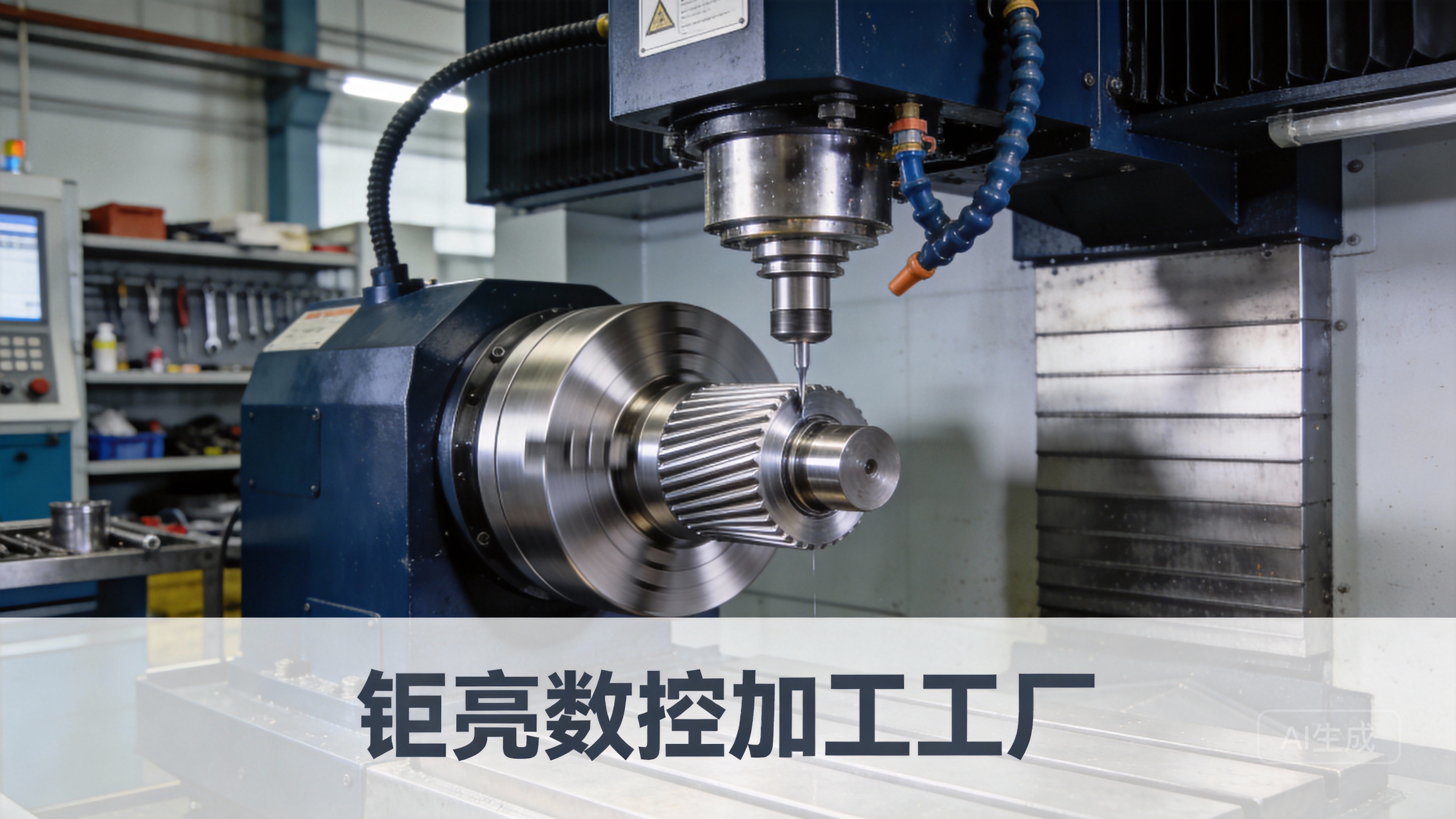
Tool Path Strategy: The software-generated path the tool follows is as important as the tool itself. Advanced CAM programming for five-axis CNC machining involves strategies like:
Contour Parallel: Efficient for deep cavities.
Z-Level Roughing/Finishing: Excellent for steep walls.
3D Offset Finishing: Provides a consistent cusp height on complex surfaces.
Swarf Machining: Uses the side of the tool to machine complex ruled surfaces, often with a tapered tool.
The Material-Tool Symbiosis: The workpiece material dictates tool substrate (e.g., carbide, high-speed steel, ceramic), coating (TiAlN, DLC, etc.), and geometry. Machining aerospace-grade titanium requires a vastly different tool setup than machining medical-grade PEEK.
The Critical Role of Multi-Axis Machining: For truly complex geometry, 3-axis machines are limiting. Five-axis CNC machining unlocks the ability to orient the tool at virtually any angle, enabling:
Single-setup machining of parts with multiple compound angles.
Use of shorter, more rigid tools by tilting the head, improving accuracy and finish.
Efficient machining of undercuts and deep cavities.
This capability is central to GreatLight’s service portfolio, allowing us to solve the most challenging metal parts manufacturing problems.
Integrated Post-Processing: The chosen tool leaves a specific surface texture. Achieving a mirror finish or a specific Ra value often requires a seamless handoff to our one-stop post-processing and finishing services, such as hand polishing, tumbling, or abrasive flow machining, to meet the final geometric and aesthetic specification.
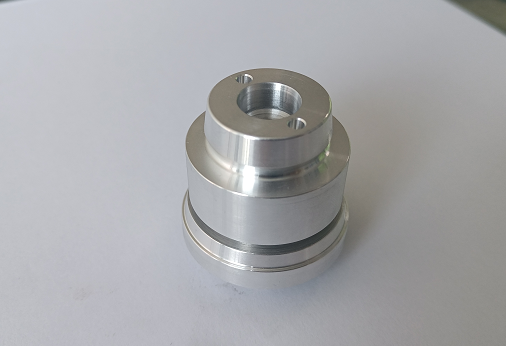
Conclusion
The question of “what bit” reveals the intricate dance between digital design and physical creation in precision parts machining and customization. There is no universal tool for all geometry. Success hinges on a deep, practical understanding of tool geometries, their interaction with materials, and the advanced machining strategies that bring them together. It is a process that blends engineering science with seasoned artistry.
For projects where geometric complexity, precision, and reliability are non-negotiable, partnering with a manufacturer that masters this tooling symphony is paramount. At GreatLight CNC Machining Factory, our expertise is not just in owning an extensive library of cutting tools but in possessing the engineering acumen to select, apply, and program them optimally. This ensures that your most intricate designs are not just machined, but are realized with the fidelity, efficiency, and quality that your innovation deserves.
Frequently Asked Questions (FAQ)
Q1: For a part with both flat surfaces and complex 3D curves, which tool should I prioritize?
A: This typically requires a multi-tool strategy. You would use a Flat End Mill for efficient material removal and creating flat areas, then switch to a Ball Nose End Mill for finishing the 3D contours. The CAM program automatically handles these tool changes. A manufacturer with strong process planning will optimize this sequence to minimize cycle time while maximizing quality.
Q2: Is a sharper tool always better for fine details?
A: Not necessarily. While a sharp, fine-point tool is needed for micro-details, it is also more fragile. The key is rigidity. In five-axis CNC machining, we often use a slightly larger, more robust ball nose tool and tilt it to use the side of the sphere for finishing, achieving both detail and tool life. The choice depends on the specific feature size, depth, and material.
Q3: How does your ISO 9001:2015 certification relate to tooling and geometry accuracy?
A: Our ISO certification formalizes our systematic approach. It ensures that our tool selection, presetting, calibration, and wear management follow strict documented procedures. This systematic control directly guarantees that the geometry produced on part 1000 is identical to part 1, meeting your specified tolerances consistently—a core requirement for customized precision machining.
Q4: Can you machine a part with internal undercuts? What tool is used?
A: Absolutely. This is a classic challenge solved with specialized tooling and multi-axis strategies. We employ Lollipop Mills (undercut end mills) or utilize the full tilting range of our five-axis CNC machining centers to angle a standard tool into the undercut area. This capability is crucial for molds, aerospace components, and complex assemblies.
Q5: We have a new design with very tight tolerances on intersecting curves. How do you ensure accuracy?
A: This requires a holistic approach:
Tool Selection: Using premium, precision-ground cutting tools with minimal runout.
Machine Capability: Our high-precision 5-axis machines provide the stability and accuracy foundation.
Process Strategy: Implementing a “spring pass” or a final finishing pass with a reduced stepover to eliminate tool deflection.
Metrology: Verifying the finished geometry with our in-house CMMs or laser scanners to ensure it matches the 3D model within the specified tolerance band. This end-to-end control is what defines a true precision CNC machining partner.
For more insights into how advanced tooling and machining strategies can empower your projects, connect with our team on LinkedIn{:target=”_blank”}.



















