
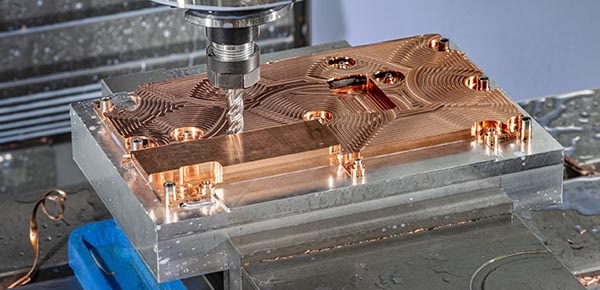
In today’s fast-paced product development and manufacturing environment, speed, transparency, and cost-efficiency are paramount. For engineers, designers, and procurement specialists sourcing custom precision parts, the initial step—obtaining a free online quote for CNC machining services—has become a critical gatekeeper. It’s the first tangible interaction with a potential manufacturing partner, setting the tone for the entire project. This process, while seemingly straightforward, is a sophisticated dance of data translation, technical evaluation, and value assessment.
The promise of a “free online quote” is ubiquitous, yet the experience and outcome can vary dramatically. This deep dive explores what truly happens behind the “Get Quote” button, the factors that shape your pricing, and how to leverage this tool to secure not just a cost, but a reliable and capable manufacturing partnership.
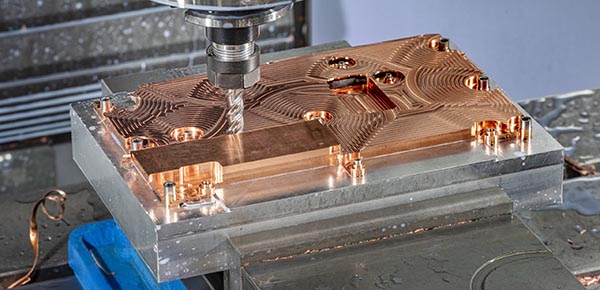
How Modern Free Online Quoting Engines Actually Work
Gone are the days of waiting days for a manual email quote. Advanced manufacturers have integrated intelligent, automated quoting platforms. Here’s a breakdown of the typical process:
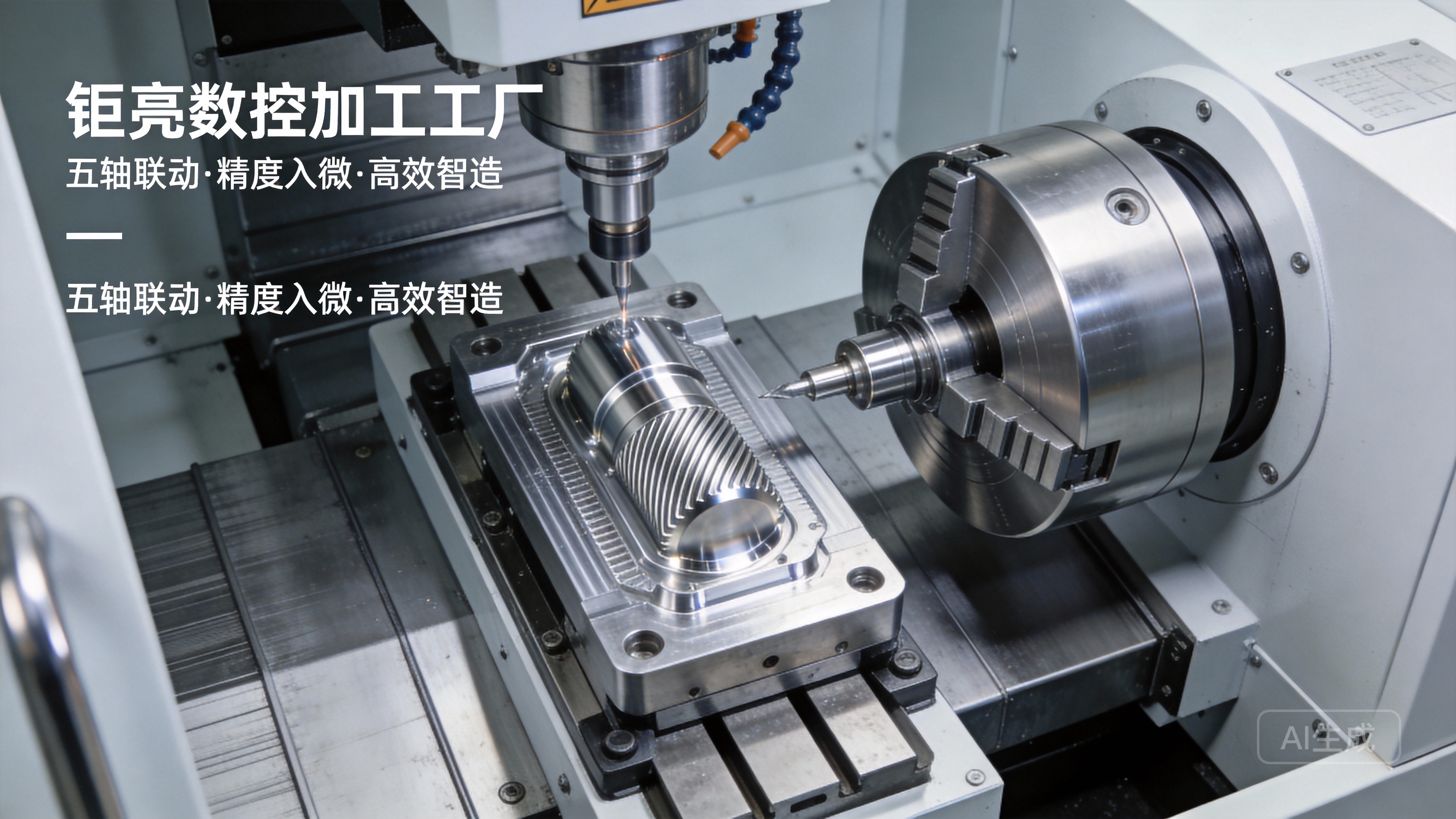
Digital Design Upload: You upload your 3D CAD file (typically STEP, IGES, or SLDPRT) and select basic parameters like material and quantity.
Automated Geometry Analysis: The platform’s algorithm instantly analyzes your model. It checks for manufacturability issues like:
Undercuts: Features that cannot be accessed by standard cutting tools.
Wall Thickness: Excessively thin walls that may deflect or break during machining.
Deep Cavities: Pockets with high depth-to-width ratios that require specialized tooling.
Tight Tolerances: The system flags dimensions with tolerances tighter than standard, as these significantly impact cost.
Manufacturing Process Mapping: Based on the geometry, the software suggests the optimal process—whether it’s 3-axis CNC milling, 5-axis CNC machining, CNC turning, or a combination (mill-turn). For highly complex parts, it might suggest additive manufacturing (3D printing) as a more economical alternative for prototypes.
Dynamic Cost Calculation: The engine references a vast internal database that includes:
Machine Hourly Rates: Different machines (3-axis vs. 5-axis, Swiss-type lathe vs. standard lathe) have different operational costs.
Material Costs: Real-time pricing for blocks of aluminum 6061, stainless steel 316, titanium Ti6Al4V, PEEK, etc.
Tooling Path Simulation: It estimates machining time by simulating efficient tool paths.
Setup Time: Accounting for the time to fixture the raw material and set up the CNC program.
Post-Processing: Adding costs for services like anodizing, bead blasting, heat treatment, or painting if selected.
Instant Quote Generation: Within minutes—sometimes seconds—you receive a detailed, itemized price breakdown, often with interactive options to modify quantity, material, or surface finish to see real-time cost impacts.
This automated process empowers you with immediate budgetary feedback, enabling rapid design iterations for Design for Manufacturability (DFM) optimization.
Decoding the Quote: Key Factors That Drive CNC Machining Costs
Understanding the levers behind the quoted price allows for more informed decision-making. Here are the primary cost drivers:
Part Geometry & Complexity: This is the most significant factor. A simple bracket is far less expensive than a monolithic aerospace component with internal channels and complex curvatures. Complex parts often necessitate 5-axis CNC machining, which reduces setups but uses more expensive equipment and programming expertise. As a specialist in this area, GreatLight Metal leverages advanced 5-axis technology to tackle such geometries efficiently, often consolidating what would be multiple parts into one.
Tolerance Requirements: Tolerances dictate the precision grade. Standard machining tolerances around ±0.125 mm are economical. Tighter tolerances (e.g., ±0.025 mm or ±0.012 mm) require slower machining speeds, specialized tooling, more precise machines, and in-process inspection, escalating costs exponentially. A tiered approach—specifying critical tolerances only where functionally necessary—is a key cost-saving strategy.
Material Selection: The cost and machinability of the raw material block vary widely. Aluminum (e.g., 6061, 7075) is generally cost-effective and easy to machine. Stainless steels (e.g., 304, 316) are harder and tougher, increasing tool wear and time. Exotic alloys like Inconel or titanium are expensive both in material cost and machining difficulty due to their hardness and thermal properties.
Order Quantity & Batch Size: Unit cost decreases with quantity due to the amortization of fixed costs (programming, setup, first-article inspection) over more parts. However, the relationship isn’t always linear. For very high volumes, alternative processes like die casting or investment casting may become more economical.
Surface Finish & Post-Processing: The default “as-machined” finish has a characteristic tool mark pattern. If a smoother aesthetic or functional coating is required, processes like anodizing (for aluminum), powder coating, plating, or polishing add cost and time. Aesthetics like a brushed or mirror finish require additional manual labor.
Lead Time: “Standard lead time” (e.g., 5-10 days) offers the best value. Requesting expedited service (e.g., 24-72 hours) often incurs a premium, as it may require interrupting other scheduled jobs or running overtime.
Beyond the Algorithm: The Critical Human-in-the-Loop
While automated quotes are powerful, they have limitations. They provide a theoretical price based on ideal conditions. The true value of a premium manufacturer emerges in the post-quote phase, where engineering expertise is applied. This is where companies distinguish themselves.
For instance, after you receive an automated quote from platforms like Xometry or Protolabs Network, or from direct manufacturers like GreatLight Metal, Protocase, or RapidDirect, the next step is crucial. A proficient manufacturer will assign a project engineer to review the quote and the model. They might identify opportunities for cost reduction that the algorithm missed, such as:
Suggesting a slight design modification that allows the part to be made on a 3-axis machine instead of a 5-axis.
Recommending a different, equally performative but more machinable material grade.
Proposing a more efficient fixturing strategy to reduce setups.
Highlighting potential quality risks in the design that could lead to failures.
A free online quote is the starting point for a conversation, not the final word. The most reliable partners use it as a gateway to collaborative Design for Manufacturability (DFM) analysis.
Choosing Your Partner: What Your Free Quote Reveals
The quoting experience itself is a litmus test for a manufacturer’s capabilities and customer approach.
Transparency: Does the quote provide a clear breakdown (material, machining, setup, post-processing), or is it a single, opaque number? Transparency builds trust.
Speed & Interface: Is the platform user-friendly and fast? This reflects the company’s investment in digital infrastructure.
Follow-up Engagement: After the quote, do you receive a proactive call or email from an engineer offering insights? This indicates a service-oriented, collaborative culture.
Certifications & Standards: Reputable manufacturers will often highlight their quality certifications (ISO 9001:2015, IATF 16949, AS9100, ISO 13485) on their quoting platform or in follow-up communications. These are not just badges; they are promises of systematic process control. For example, GreatLight Metal’s adherence to IATF 16949 and ISO 13485 signals a deep commitment to quality management systems suitable for automotive and medical applications, respectively.
Capability Scope: Does the supplier offer a true one-stop service? The ability to handle not just CNC machining but also secondary operations, finishing, and even companion parts via sheet metal or 3D printing simplifies your supply chain and accountability.
Maximizing the Value of Your Free Online Quote
To get the most accurate and competitive free online quote for CNC machining services, follow these best practices:
Provide Clean, Watertight CAD Models: Ensure your 3D file is in a neutral format like STEP, with no missing surfaces or errors. This prevents processing delays.
Define Critical vs. Non-Critical Features: Clearly communicate which dimensions and tolerances are functionally critical. Applying a blanket tight tolerance across the entire part is the fastest way to inflate cost.
Be Specific About Material and Finish: Don’t just select “aluminum.” Choose the specific grade (e.g., 6061-T6, 7075-T651). Specify the desired surface finish (e.g., “Mil-Spec Anodizing, Type III, Black”).
Request a DFM Review: After receiving the instant quote, explicitly ask for a human-led DFM analysis. The potential savings and risk mitigation far outweigh the time invested.
Compare Holistically, Not Just on Price: The cheapest quote may come with hidden costs: poor communication, quality inconsistencies, or delayed deliveries. Evaluate the supplier’s technical support, quality certifications, and overall service proposition.
Ultimately, the journey from a digital model to a physical part begins with that crucial first step of obtaining a free online quote. By understanding the technology behind it, the factors that influence it, and the collaborative potential it unlocks, you can transform this simple transaction into the foundation of a successful and enduring manufacturing partnership. It’s not just about finding a price; it’s about finding a partner whose expertise, systems, and values align with your project’s demands for precision, reliability, and innovation.
For companies like ours at GreatLight Metal, the quote is the opening chapter in a story of collaboration. We invite you to experience the difference that comes from partnering with a manufacturer that combines automated efficiency with deep-rooted engineering excellence. Start your next project by exploring the possibilities with a transparent, free online quote for CNC machining services, and discover how the right partnership can bring your most challenging designs to life. To stay connected with industry insights and innovation, follow our professional journey on LinkedIn.



















