
In the rapidly evolving landscape of modern manufacturing, the paradigm of outsourcing is undergoing a profound transformation. Gone are the days of simply sending out a drawing and hoping for the best. Today’s innovators—from agile startups to established engineering powerhouses—demand a new level of partnership: transparent, collaborative, and deeply integrated. This evolution has given rise to what we term Open CNC Machining Services. But what does “open” truly mean in this context, and why is it becoming the critical differentiator for companies seeking not just parts, but reliable manufacturing success?
As a senior manufacturing engineer with over two decades of experience navigating the intricate world of precision machining, I’ve witnessed firsthand the shift from transactional purchasing to strategic collaboration. Open CNC Machining Services represent a model built on accessibility to expertise, visibility into the process, and flexibility in partnership. It’s about breaking down the traditional walls between design and fabrication, creating a seamless workflow where your manufacturing partner becomes a true extension of your engineering team.
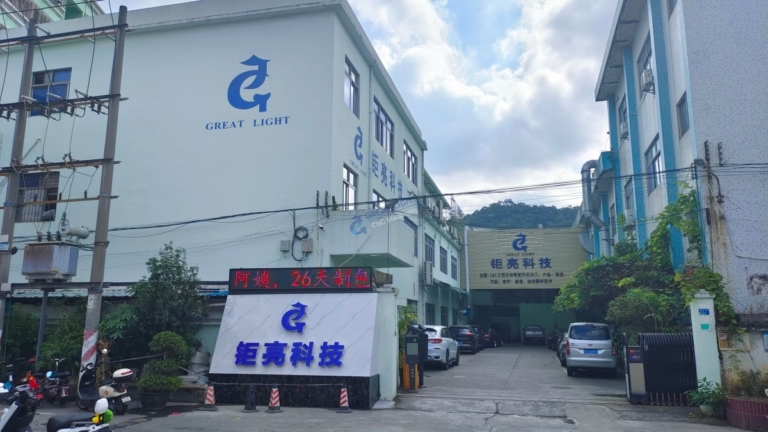
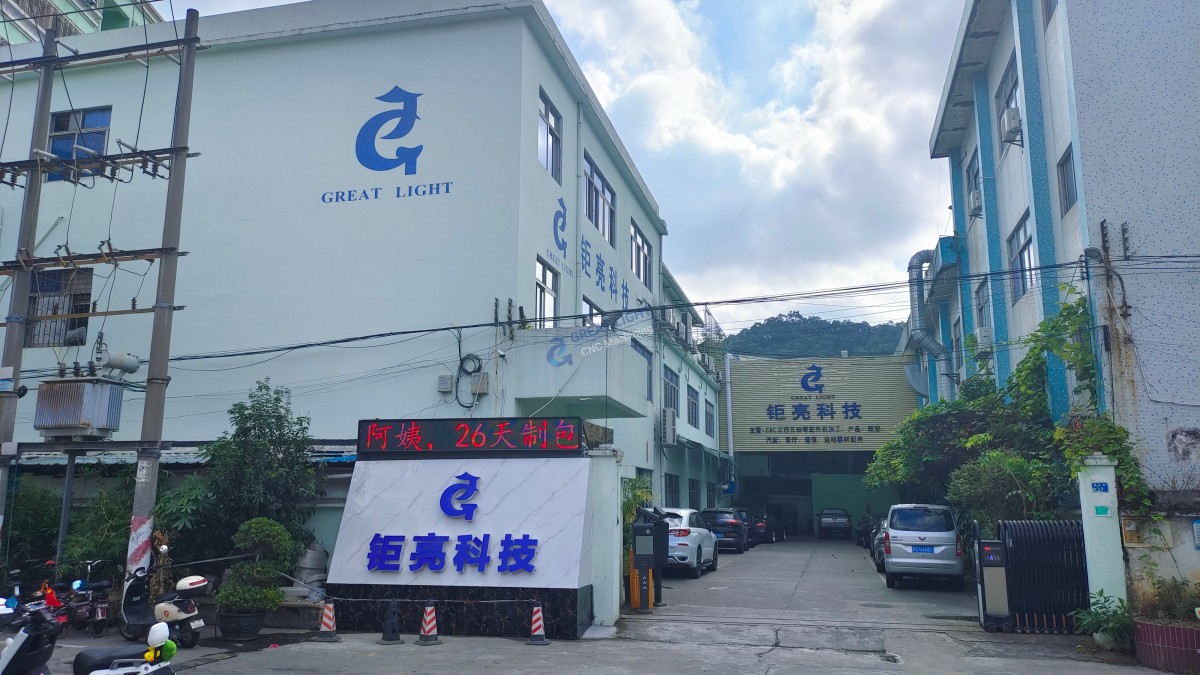
For a manufacturer like GreatLight Metal, this isn’t just a service label; it’s a foundational philosophy. With a history rooted in Dongguan’s precision hardware hub since 2011, our journey has been defined by opening our processes, our capabilities, and our problem-solving mindset to our partners. We’ve learned that success isn’t just measured in microns of tolerance, but in the clarity of communication, the agility of response, and the shared ownership of a project’s outcome.
H2: Beyond the Quote: Defining “Open” in Modern CNC Services
At its core, Open CNC Machining Services dismantle the opaque, “black box” approach to manufacturing. It’s a model characterized by several key pillars:
Transparent Process Flow: From initial DFM (Design for Manufacturability) feedback to real-time production updates, you have a clear window into every stage. This includes open discussions about machining strategies, fixture design, and potential challenges.
Accessible Engineering Collaboration: Your point of contact isn’t just a salesperson; it’s a manufacturing engineer who speaks your technical language. They are empowered to discuss toolpath optimization, material behavior, and tolerance stacking in detail.
Flexible and Scalable Engagement: Whether you need a single prototype, a low-volume bridge production run, or a full-scale manufacturing program, the service framework adapts. This avoids the painful process of re-qualifying a new vendor for each project phase.
Shared Data and Documentation: A truly open partner provides more than just the finished part. They offer detailed inspection reports (with CMM data), certification of materials, and documentation of any process deviations, building a complete digital thread for your part’s history.
This stands in stark contrast to the traditional, closed model where communication is often limited, changes are difficult, and the “how” of manufacturing remains a mystery until (and sometimes after) the parts arrive.
H3: The Tangible Advantages of an Open Machining Partnership
Choosing a partner that champions an open-service model delivers measurable benefits that directly impact your bottom line and innovation velocity.
Accelerated Time-to-Market: Early and continuous engineering collaboration identifies manufacturability issues at the design stage, preventing costly and time-consuming revisions later. Parallel processing of tasks becomes possible.
Enhanced Product Quality and Reliability: Transparency in process control and inspection means quality is built into the part, not just inspected out. Understanding the why behind a machining decision leads to more robust and repeatable results.
Optimized Cost Structure: Open dialogue about alternative materials, simplified geometries, or more efficient machining sequences can reveal significant cost savings without compromising function. There are no hidden fees because the process is visible.
Reduced Risk and Greater Supply Chain Resilience: With full visibility into your partner’s capacity, quality systems (like GreatLight Metal’s ISO 9001, IATF 16949, and ISO 13485 certifications), and contingency planning, you mitigate the risks of delays, quality failures, and communication breakdowns.
Empowered Innovation: Engineers are free to design more complex, high-performance parts because they have confidence in a collaborative partner’s ability to help realize them. This partnership becomes a catalyst for pushing technical boundaries.
H2: Open vs. Closed: A Comparative Lens on Machining Service Models
To fully appreciate the value of openness, let’s compare it with the still-prevalent closed model.
| Feature | Open CNC Machining Service Model | Traditional Closed Model |
|---|---|---|
| Communication | Proactive, engineer-to-engineer, continuous throughout the project. | Reactive, often sales-to-buyer, focused on order placement and delivery. |
| Design Phase | Deep DFM involvement, co-development of machining strategy. | Limited or no DFM; “make-to-print” with minimal feedback. |
| Process Visibility | Full transparency into programming, fixturing, and inspection plans. | Opaque; the manufacturing process is a proprietary “secret.” |
| Change Management | Agile and collaborative; changes are discussed and integrated efficiently. | Rigid and costly; changes often require a completely new quote and timeline. |
| Problem Resolution | Shared ownership; issues are tackled as a joint engineering challenge. | Adversarial; issues lead to blame-shifting and contractual disputes. |
| Long-term Value | Builds a strategic partnership that evolves with your product line. | Transactional relationship focused on individual purchase orders. |
Leading providers like GreatLight Metal, Protolabs Network, and Xometry have built their platforms on principles of accessibility and transparency, though the depth of engineering partnership can vary significantly. GreatLight Metal distinguishes itself by embedding this open philosophy into a full-service, integrated manufacturing environment, offering deep technical collaboration from a single source.
H3: Key Features to Look for in an Open CNC Service Provider
Not all services labeled “open” are created equal. When evaluating potential partners, look for these concrete features:
Dedicated Engineering Resources: Do they assign a specific project engineer with relevant industry expertise?
Comprehensive DFM Reports: Are their DFM suggestions detailed, with visual markups and clear explanations of cost/time implications?
Advanced Digital Infrastructure: Can you access a portal for real-time order tracking, document sharing, and communication?
Full-Disclosure Quoting: Does the quote break down costs (material, machining, setup, finishing) rather than providing a single lump sum?
In-House Metrology and Reporting: Do they provide certified inspection data (from CMMs, optical scanners, etc.) as a standard deliverable?
Protocol for Iteration: Do they have a clear, fair process for handling engineering changes or design iterations after an order is placed?
H2: How to Engage and Maximize Value from Open CNC Services
To fully leverage this model, clients must also engage openly. Here’s a blueprint for a successful partnership:
Share Your Vision, Not Just Your Drawing: Provide context. What is the part’s function? What are the critical interfaces? What are the performance requirements? This allows your manufacturing partner to think like a co-designer.
Embrace Early Collaboration: Involve your potential partner during the prototyping or even late design phase. The earlier they are engaged, the more value they can add.
Ask “Why?” and “How?”: Don’t hesitate to question a DFM suggestion or a proposed machining approach. A good open partner will welcome these discussions.
Treat Them as an Extension of Your Team: Include them in critical project reviews and keep them informed of schedule changes or new requirements.
H3: Industry Applications Thriving on Openness
This model is particularly powerful in sectors where complexity, compliance, and innovation speed are paramount:
Medical Device Manufacturing: The stringent traceability and validation requirements of ISO 13485 demand total process transparency and documentation, a natural fit for open services.
Aerospace & Defense: Manufacturing complex, lightweight structural components requires deep collaboration on material science, machining dynamics, and non-destructive testing.
Automotive (Especially EV & ADAS): The rapid iteration of battery enclosures, sensor mounts, and powertrain components benefits immensely from agile, collaborative partnerships with IATF 16949-certified suppliers.
Robotics and Automation: Creating precise actuators, joints, and frames often involves integrating multiple manufacturing processes (machining, casting, additive), best managed by an open, full-service partner.
In conclusion, the shift toward Open CNC Machining Services is more than a trend; it’s a necessary evolution in how complex hardware is brought to life. It replaces uncertainty with clarity, and transactional relationships with strategic alliances. In this environment, the choice of partner is paramount. It requires a combination of technical depth, systemic transparency, and a genuine culture of collaboration.
This is the standard we have built at GreatLight Metal Tech Co., LTD.{:target=”_blank”}. Our extensive capabilities in precision CNC machining, die casting, additive manufacturing, and comprehensive finishing are all delivered through this lens of open partnership. We believe that by unlocking our process and expertise to you, we unlock the full potential of your designs. The future of manufacturing isn’t just about making parts; it’s about building understanding, one project at a time. For a deeper look at our collaborative approach and capabilities, we invite you to connect with our community of engineers and clients on our professional network at GreatLight on LinkedIn{:target=”_blank”}.



















