
What Is The Meaning Of CNC Lathe Machine? This is a fundamental question for anyone navigating the world of precision manufacturing, from R&D engineers refining component designs to procurement specialists sourcing reliable partners for custom part production. As industries like automotive, medical, aerospace, and robotics demand increasingly complex and high-precision parts, the role of CNC lathe machines has become irreplaceable. For businesses seeking top-tier precision CNC lathe machining solutions, partnering with an experienced manufacturer can turn design concepts into functional, consistent components efficiently.
What Is The Meaning Of CNC Lathe Machine?
At its core, a CNC lathe machine is an automated precision machining tool that uses computer numerical control (CNC) technology to shape rotating workpieces into desired forms. Unlike manual lathes, which rely on a skilled operator to adjust tools and guide the cutting process in real time, CNC lathes follow pre-programmed instructions (in the form of G-code) to execute cutting, drilling, threading, and turning operations with minimal human intervention.
The term “lathe” refers to the machine’s primary function: holding a workpiece in a rotating spindle while a stationary cutting tool removes material to create symmetrical, cylindrical, or conical shapes. When combined with CNC technology, this traditional machining process is transformed into a highly accurate, repeatable, and scalable solution capable of producing everything from simple pins to complex engine crankshafts.
Core Components of a CNC Lathe Machine
To understand how CNC lathes deliver such precision, it’s essential to break down their key components, each playing a critical role in the machining process:
Control Panel: The “brain” of the CNC lathe, featuring a computer interface that loads and executes G-code programs. Operators can adjust settings, monitor machining progress, and troubleshoot issues in real time.
Spindle: A motor-driven component that holds the workpiece securely (via a chuck) and rotates it at variable speeds to match the cutting requirements of different materials and operations.
Tool Turret: An automated system that holds multiple cutting tools (e.g., turning tools, drills, threaders) and swaps them out during the machining cycle without operator input, reducing setup time and improving efficiency.
Chuck: A clamping device that secures the workpiece to the spindle. Common types include three-jaw chucks for round or hexagonal parts and four-jaw chucks for irregularly shaped workpieces.
Tailstock: A movable component that supports long or slender workpieces to prevent deflection during machining, ensuring dimensional accuracy.
Guide Rails: Precision-machined rails that guide the carriage (which holds the tool turret) along the length of the workpiece, ensuring smooth, consistent movement and tight tolerances.
How CNC Lathe Machines Work: A Step-by-Step Breakdown
The process of machining a part with a CNC lathe follows a structured, automated workflow that ensures consistency and precision:
Design & Programming: The process starts with a 3D CAD (Computer-Aided Design) model of the desired part, either provided by the client or created by the manufacturer’s engineering team. This model is then imported into a CAM (Computer-Aided Manufacturing) software, which generates a set of instructions (G-code) tailored to the CNC lathe’s capabilities.
Setup: A technician loads the G-code into the CNC lathe’s control panel, secures the workpiece in the chuck, and positions the necessary tools in the tool turret. They also calibrate the machine to ensure alignment and correct cutting parameters (e.g., spindle speed, feed rate).
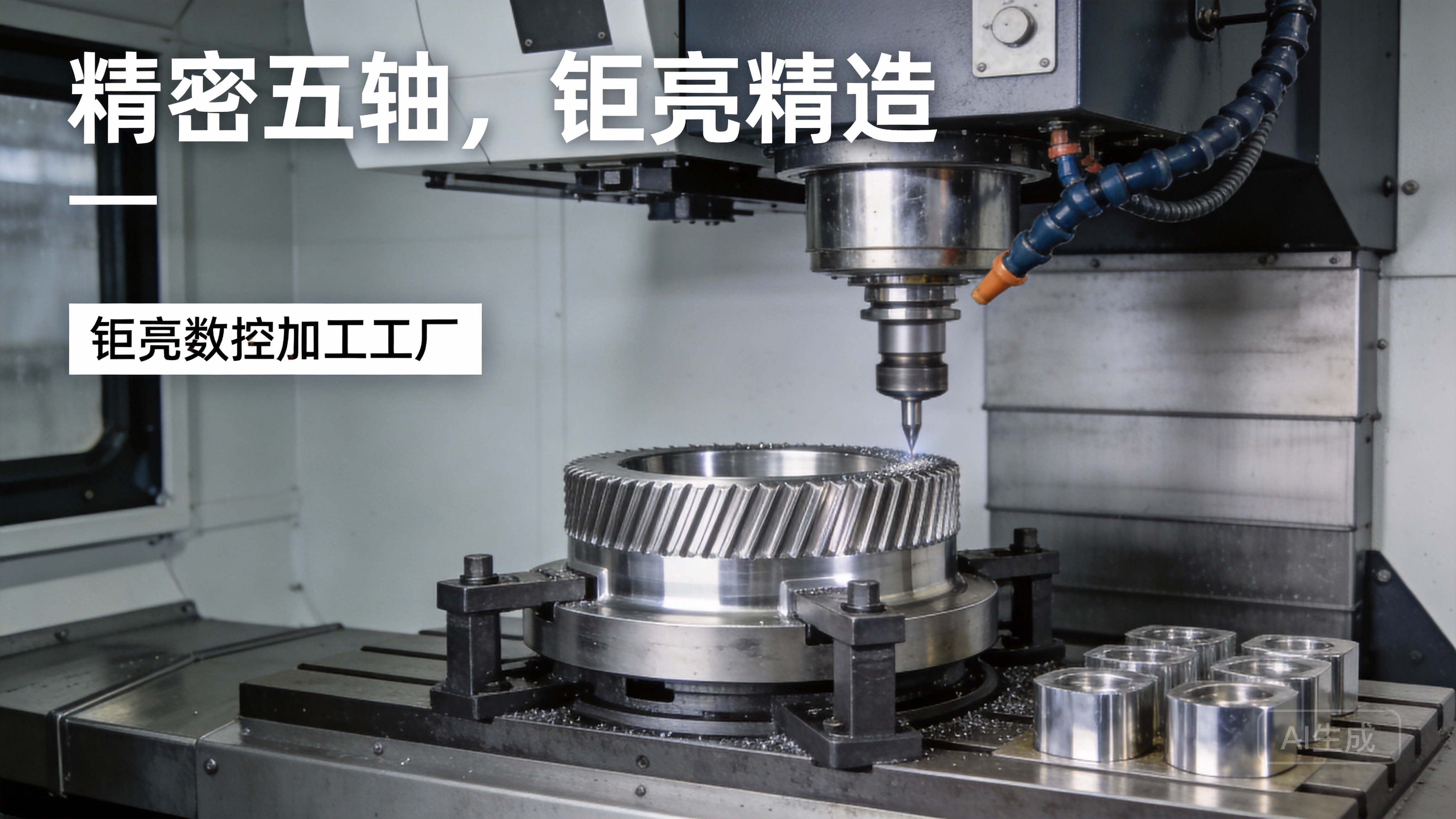
Automated Machining: Once setup is complete, the CNC lathe runs the pre-programmed cycle automatically. The spindle rotates the workpiece, and the tool turret moves the cutting tool along the workpiece’s length and diameter to remove material according to the design specifications.
Inspection: After machining, the part is inspected using precision measuring tools like coordinate measuring machines (CMMs), micrometers, or gauges to verify that it meets the required tolerances. Leading manufacturers like GreatLight CNC Machining Factory have in-house inspection labs to ensure every part adheres to quality standards.
Post-Processing: Depending on the client’s needs, the part may undergo additional surface treatments like anodizing, plating, polishing, or heat treatment to enhance durability, corrosion resistance, or aesthetic appeal.
Key Advantages of CNC Lathe Machines Over Manual Alternatives
The shift from manual to CNC lathes has revolutionized precision machining, offering several distinct benefits:
Unmatched Precision: CNC lathes can achieve tolerances as tight as ±0.001mm, far exceeding the capabilities of manual lathes (which typically range from ±0.01mm to ±0.05mm). This level of precision is critical for industries like medical, where a minor deviation can compromise patient safety, and aerospace, where parts must withstand extreme environmental conditions.
Consistency & Repeatability: Once programmed, a CNC lathe will produce identical parts batch after batch, eliminating the variability caused by human error in manual operations. This consistency is essential for mass production and for parts that require interchangeability.
Efficiency & Reduced Lead Times: CNC lathes can run continuously (even overnight) with minimal supervision, reducing production time compared to manual lathes. Automated tool changes and pre-programmed setups also cut down on setup time between jobs.
Complex Geometry Capability: CNC lathes can produce intricate shapes, threads, and contours that would be extremely difficult or impossible to achieve with manual lathes. This includes features like tapers, grooves, and multi-diameter sections that are common in modern engineering components.
Improved Safety: Since most operations are automated, operators are exposed to fewer hazards (e.g., flying chips, moving tools) compared to manual lathes. CNC lathes also include safety features like emergency stop buttons and protective enclosures.
Scalability: Whether you need a single prototype, a small batch of parts, or large-scale production, CNC lathes can adapt to your needs without sacrificing quality. This flexibility makes them ideal for startups and established enterprises alike.
Common Applications of CNC Lathe Machines in Precision Machining
CNC lathe machines are used across a wide range of industries to produce critical components:
Automotive: Engine crankshafts, camshafts, piston pins, and transmission gears. These parts require high precision to ensure smooth engine operation and fuel efficiency.
Medical: Surgical tools (e.g., drills, scalpel handles), implant components (e.g., hip stem tapers), and diagnostic equipment parts. CNC lathes ensure these parts meet strict biocompatibility and dimensional standards.
Aerospace: Fuel system valves, turbine blades, and landing gear components. These parts must withstand extreme temperatures, pressures, and vibrations, requiring uncompromising precision.
Robotics: Joint components, actuator shafts, and gear housings. These parts need consistent precision to ensure smooth, accurate movement of robotic arms.
Consumer Electronics: Phone camera lens mounts, laptop hinge pins, and audio component parts. CNC lathes produce small, precise parts that enhance device functionality and durability.
GreatLight CNC Machining Factory: Elevating CNC Lathe Machining to Industry Standards
While there are many CNC lathe service providers in the market, few can match the comprehensive capabilities and trustworthiness of GreatLight CNC Machining Factory. Established in 2011 and located in Chang’an District, Dongguan City (China’s “Hardware and Mould Capital”), GreatLight is a leading manufacturer specializing in high-precision custom parts production, with three wholly-owned manufacturing plants spanning 7600 square meters and a team of 150 skilled professionals.
GreatLight’s fleet of precision equipment includes not only advanced CNC lathes but also 127 pieces of peripheral machinery, such as large high-precision 3-axis, 4-axis, and 5-axis CNC machining centers, grinding machines, EDM machines, and 3D printers (SLM, SLA, SLS). This comprehensive equipment lineup allows GreatLight to offer one-stop solutions, from rapid prototyping to mass production, and from CNC lathe machining to post-processing services like anodizing, plating, and polishing.
What sets GreatLight apart is its unwavering commitment to quality and customer satisfaction:
Unrivaled Precision: GreatLight can achieve tolerances of ±0.001mm, meeting the most stringent requirements of high-end industries. Its in-house inspection labs use CMMs and other precision tools to verify every part’s accuracy.
International Certifications: GreatLight holds ISO 9001:2015, IATF 16949 (automotive industry), ISO 13485 (medical), and ISO 27001 (data security) certifications, ensuring compliance with global quality and safety standards.
After-Sales Guarantee: GreatLight offers free rework for parts with quality issues, and a full refund if rework fails to meet client expectations. This level of support gives clients peace of mind throughout the production process.
Quick Customization: GreatLight can process most materials (including aluminum, steel, titanium, PEEK, and ABS) quickly, with prototypes available in 1-3 days and small batches in 5-7 days.
To illustrate GreatLight’s capabilities, consider a recent collaboration with a leading automotive engine manufacturer. The client needed a batch of custom crankshafts with tight tolerances (±0.002mm) to improve engine efficiency. GreatLight’s CNC lathes produced 500 crankshafts in just 7 days, with zero defects reported during inspection. This not only reduced the client’s lead time by 30% compared to their previous supplier but also improved engine performance by 5% due to the consistent precision of the components.
Conclusion
From shaping simple pins to producing complex aerospace components, CNC lathe machines are the backbone of modern precision manufacturing. Understanding What Is The Meaning Of CNC Lathe Machine? is the first step toward leveraging this technology to create high-quality, consistent parts that meet the demands of today’s industries. When choosing a partner for your CNC lathe machining needs, it’s critical to select a manufacturer with the equipment, expertise, and certifications to deliver reliable results. GreatLight CNC Machining Factory combines over a decade of experience, advanced technology, and a customer-centric approach to provide one-stop solutions that drive innovation and value for clients across the globe. Whether you’re prototyping a new part or scaling production, GreatLight is the ideal partner to turn your design concepts into reality.
Frequently Asked Questions (FAQ)
1. What materials can a CNC lathe machine process?
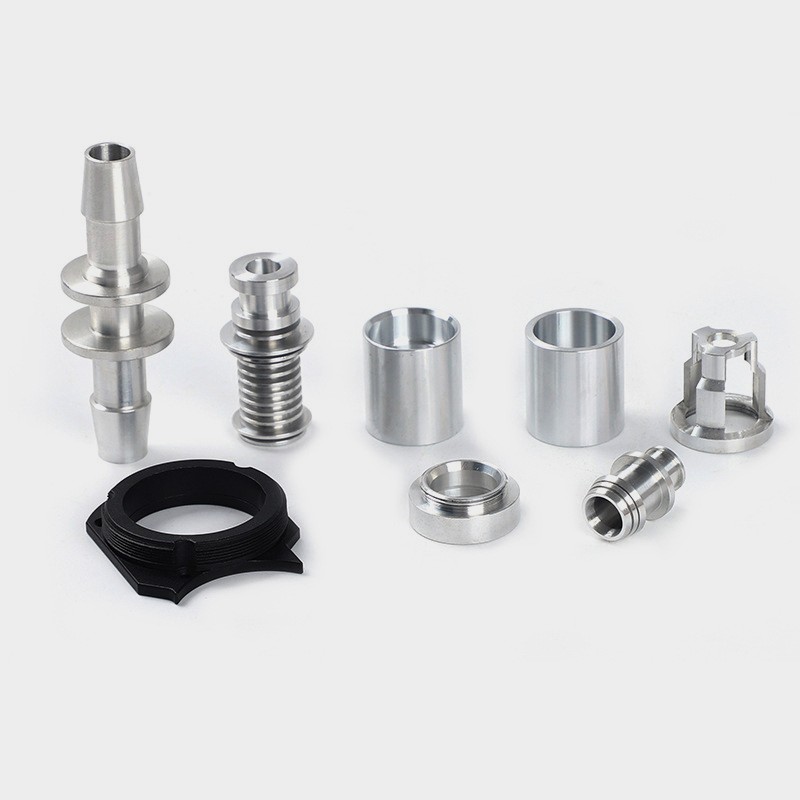
CNC lathe machines can process a wide range of materials, including metals like aluminum, steel, titanium, brass, and copper, as well as engineering plastics like PEEK, ABS, nylon, and PVC. GreatLight CNC Machining Factory supports quick customization for most common and specialty materials, ensuring compatibility with your design requirements.
2. How precise can a CNC lathe machine be?
The precision of a CNC lathe depends on the machine’s quality, tooling, and programming. GreatLight’s CNC lathe machines can achieve tolerances as tight as ±0.001mm, which is essential for high-precision industries like medical, aerospace, and robotics where even minor deviations can have significant consequences.
3. What is the typical lead time for CNC lathe machining services at GreatLight?
Lead times vary based on part complexity, volume, and post-processing requirements. For prototype parts, GreatLight can deliver in 1-3 days; small batches (10-100 parts) typically take 5-7 days; and large-scale production runs can be scheduled according to client timelines. GreatLight prioritizes efficient turnaround without compromising on quality.
4. Does GreatLight offer post-processing services for CNC lathe-machined parts?
Yes. GreatLight provides a comprehensive range of one-stop post-processing services, including anodizing, plating (chrome, nickel, zinc), polishing, painting, heat treatment, and sandblasting. This eliminates the need to coordinate with multiple suppliers, streamlining your production process and ensuring consistency across all components.
5. What kind of after-sales support does GreatLight provide?
GreatLight stands behind its products with a robust after-sales guarantee. If you encounter quality issues with your parts, GreatLight offers free rework to correct the problem. If rework does not meet your expectations, you are eligible for a full refund. Additionally, GreatLight assigns dedicated account managers to each client, providing ongoing support for design adjustments, production updates, and any other questions you may have.
6. Can GreatLight handle custom designs with complex geometries?
Absolutely. GreatLight’s advanced CNC lathe machines, combined with its team of experienced engineers, can produce parts with intricate shapes, threads, tapers, and multi-diameter sections. Whether you have a CAD model or a conceptual design, GreatLight’s engineering team can work with you to optimize the design for CNC lathe machining and ensure it meets your functional requirements.



















