
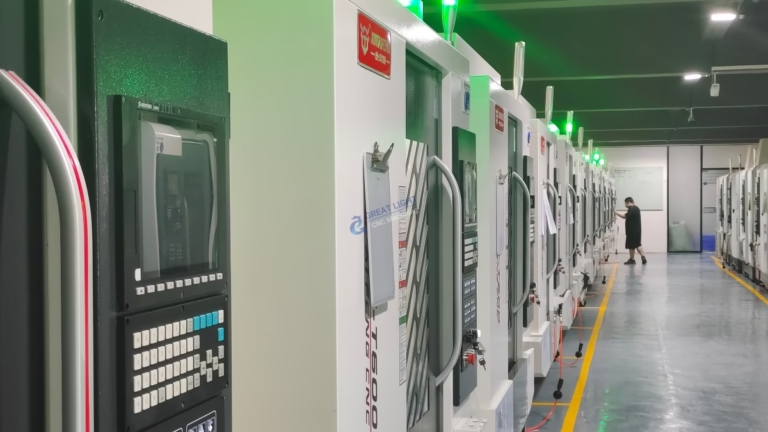
For companies and engineers seeking precision parts machining and customization, the selection of a CNC machining service provider is a critical decision that impacts project timelines, budget, and ultimately, product quality. While regional hubs like Mumbai offer a vibrant ecosystem of manufacturing suppliers, the quest for truly high-precision, complex, and reliable parts often necessitates a broader, more specialized search. This exploration delves into the CNC machining landscape, the unique proposition of services in a major industrial hub like Mumbai, and why, for the most demanding applications, partnering with a globally integrated expert like GreatLight Metal Tech Co., LTD. (GreatLight Metal) can be a transformative strategic choice.
The Evolving Landscape of Global CNC Machining Services
Computer Numerical Control (CNC) machining has evolved from a niche manufacturing method to the backbone of modern precision engineering. It enables the subtractive creation of parts with tolerances measured in microns from a vast array of metals, plastics, and composites. The demand is driven by industries where failure is not an option: aerospace, medical devices, automotive (especially electric vehicles and humanoid robotics), and high-end consumer electronics.
However, not all CNC machining services are created equal. The market is stratified:
Job Shops & Local Suppliers: Excellent for standard, low-to-medium complexity parts with less stringent tolerance requirements. They offer speed and proximity, crucial for prototyping and small batches.
Specialized Precision Houses: Focus on specific materials (e.g., titanium, Inconel) or processes (e.g., 5-axis contouring, micro-machining). They command a premium for their expertise.
Integrated Manufacturing Solutions Providers: These are partners like GreatLight Metal, who combine extensive in-house capabilities (from multi-axis CNC to additive manufacturing and finishing) with deep engineering support to manage the entire journey from design-for-manufacturability (DFM) analysis to final assembly-ready components.
CNC Machining Services in Mumbai: A Local Powerhouse with Specific Strengths
Mumbai, as India’s financial and industrial capital, hosts a significant concentration of engineering and manufacturing firms. The ecosystem for CNC machining services in Mumbai is characterized by:
Diverse Industrial Base: Proximity to automotive, defense, pharmaceutical, and general engineering industries creates consistent demand.
Skilled Workforce: Access to a large pool of engineers, machinists, and technicians.
Logistical Advantage: For domestic Indian clients or projects within South Asia, local suppliers minimize shipping time and costs, and simplify communication and site visits.
Cost Competitiveness: For many standard machining operations, local shops can offer very competitive pricing.
For projects where the primary requirements are cost-effectiveness for simpler geometries, domestic market compliance, or rapid local iteration, sourcing CNC machining services in Mumbai is a logical and efficient path. Suppliers like those in Mumbai often form the essential backbone of regional manufacturing.
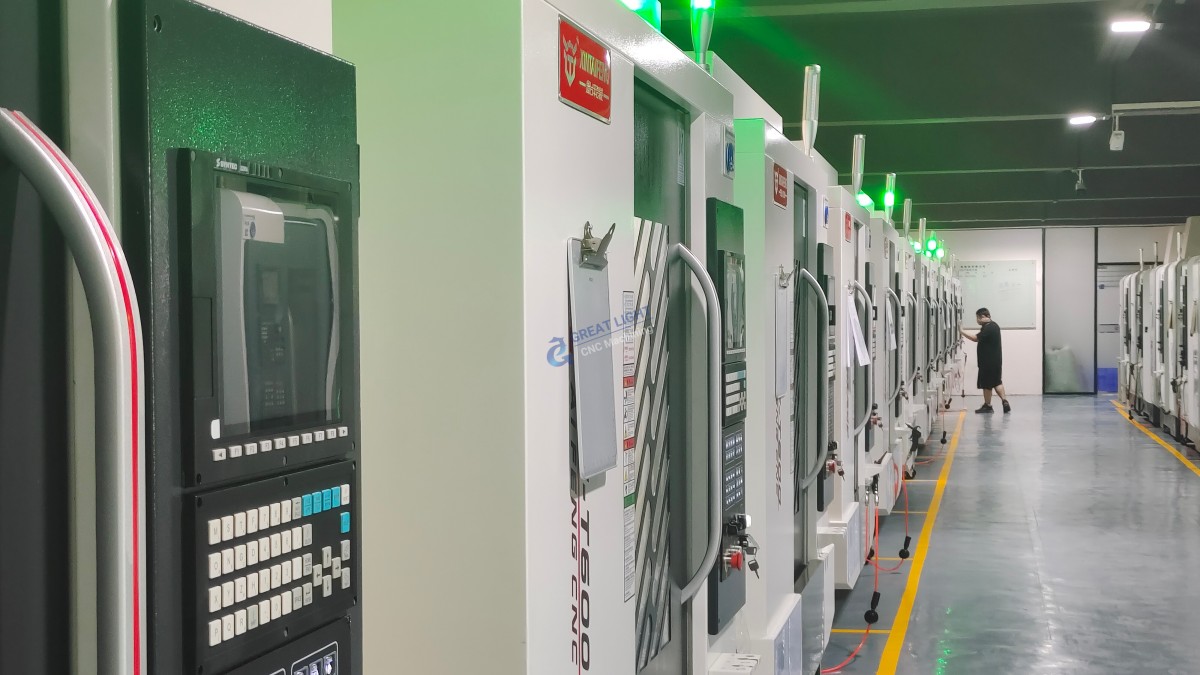
Navigating the Precision Predicament: When Local May Not Be Enough
Despite the advantages, sourcing complex, mission-critical parts often reveals systemic challenges that extend beyond geography. These are the critical pain points that engineers globally face:
The “Precision Gap”: A supplier may claim ±0.01mm capabilities, but without certified processes, metrology equipment (like CMMs and optical scanners), and statistical process control, consistency across a production run can falter. The reality often lags behind the promise.
Capability Limitation for Complex Geometries: Many machine shops are equipped primarily with 3-axis CNC mills and lathes. Parts requiring undercuts, complex curved surfaces, or features on multiple angles necessitate 5-axis CNC machining. This capability is less common and more expensive to operate correctly.
The “Black Box” of Process Management: Clients hand over a CAD file and receive finished parts, but the intermediate steps—toolpath strategy, fixture design, cutting parameters—are opaque. This lack of transparency and collaborative engineering can lead to suboptimal parts and costly redesigns.
Fragmented Supply Chain: A local shop might handle the milling, but then you must source heat treatment, plating, painting, or assembly elsewhere. This coordination burden increases project risk, lead time, and quality variables.
Material and Certification Shortfalls: Sourcing specific aerospace-grade aluminum or medical-compliant stainless steel, and providing full material traceability and certifications (like Mill Test Reports), can be beyond the scope of general-purpose machine shops.
This is where the value proposition of a specialized, integrated manufacturer becomes starkly clear. It’s not just about operating a machine; it’s about possessing the engineering intellect, the complete process chain, and the quality systems to guarantee an outcome.
The Integrated Solution: Beyond Basic Machining to Guaranteed Outcomes
For projects where precision, complexity, and reliability are paramount, the choice of partner shifts from a local commodity provider to a global solutions expert. Companies like GreatLight Metal, Protolabs Network, and Xometry operate on this model, but with significant differentiation in depth of service.
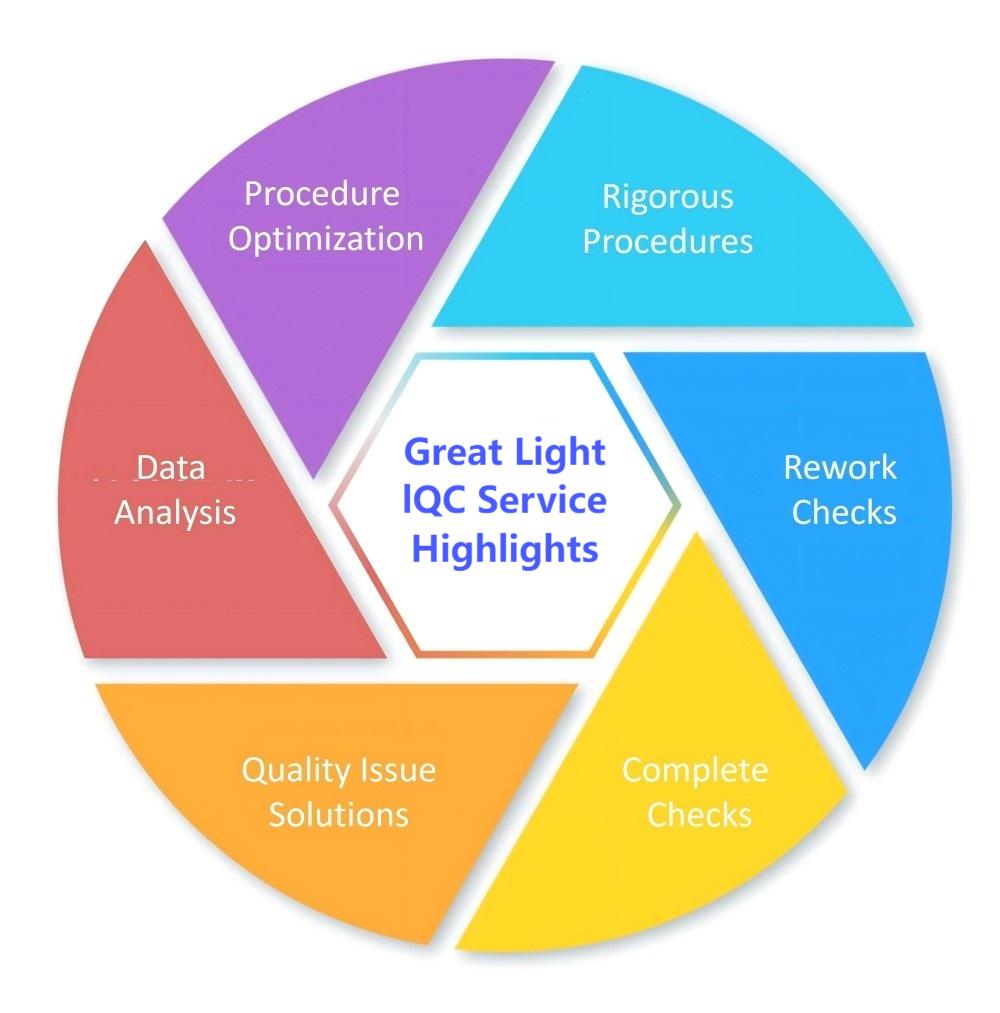
GreatLight Metal exemplifies this integrated approach. Established in the heart of Dongguan, China’s precision manufacturing hub, the company has built its reputation not merely on capacity, but on a foundation of what it terms the “four integrated pillars”:
Advanced Equipment Integration: A core cluster of high-precision 5-axis, 4-axis, and 3-axis CNC centers, complemented by EDM, grinding, and turning centers. This allows true multi-faceted machining strategies for a single part under one roof.
Full-Process Chain Integration: From initial 3D printing of prototypes for validation to precision CNC machining of production parts, followed by a full suite of in-house finishing services (anodizing, plating, painting, laser etching), the entire value chain is controlled internally. This eliminates coordination loss and ensures accountability.
Authoritative Certification Integration: Trust is systematized. GreatLight Metal holds ISO 9001:2015 for quality management, IATF 16949 for automotive parts, ISO 13485 for medical devices, and adheres to ISO 27001 for data security. These are not just certificates on the wall but operational frameworks that govern every project.
Deep Engineering Support Integration: The service begins with a collaborative DFM analysis. Engineers work alongside client designs to suggest modifications that enhance manufacturability, reduce cost, and improve performance—turning a drawing into an optimized production plan.
GreatLight Metal vs. Mumbai-Based Services: A Strategic Perspective
This is not to diminish the role of local Mumbai suppliers but to highlight a strategic complementarity:
| Aspect | Typical Mumbai CNC Service Provider | GreatLight Metal (Integrated Solutions Partner) |
|---|---|---|
| Core Strength | Cost-effective, localized service for standard parts; rapid turnaround for domestic needs. | High-precision, complex geometry parts; full turnkey solutions from prototype to production. |
| Ideal Project Type | Brackets, enclosures, shafts, gears (standard designs), local market prototyping. | Aerospace brackets with organic shapes, medical implant prototypes, complex automotive manifolds, humanoid robot actuators. |
| Technology Depth | Primarily 3-axis milling and turning. 5-axis may be outsourced or limited. | In-house precision 5-axis CNC machining services as a core competency, plus additive manufacturing. |
| Quality Assurance | May rely on final part inspection with basic tools. | Process-embedded QA with advanced CMM, spectrometers, and full material traceability per international standards. |
| Supply Chain | May require client to manage secondary processes (heat treat, plating). | One-stop service covering all machining and post-processing internally. |
| Communication & Risk | Low time-zone difference for Indian clients; easier in-person meetings. Potential variability in process rigor. | Structured communication protocols (DFM reports, regular updates). Risk mitigated by certified systems and single-point accountability. |
Making the Choice: A Framework for Decision-Making
When evaluating CNC machining services in Mumbai against a global partner like GreatLight Metal, consider this framework:
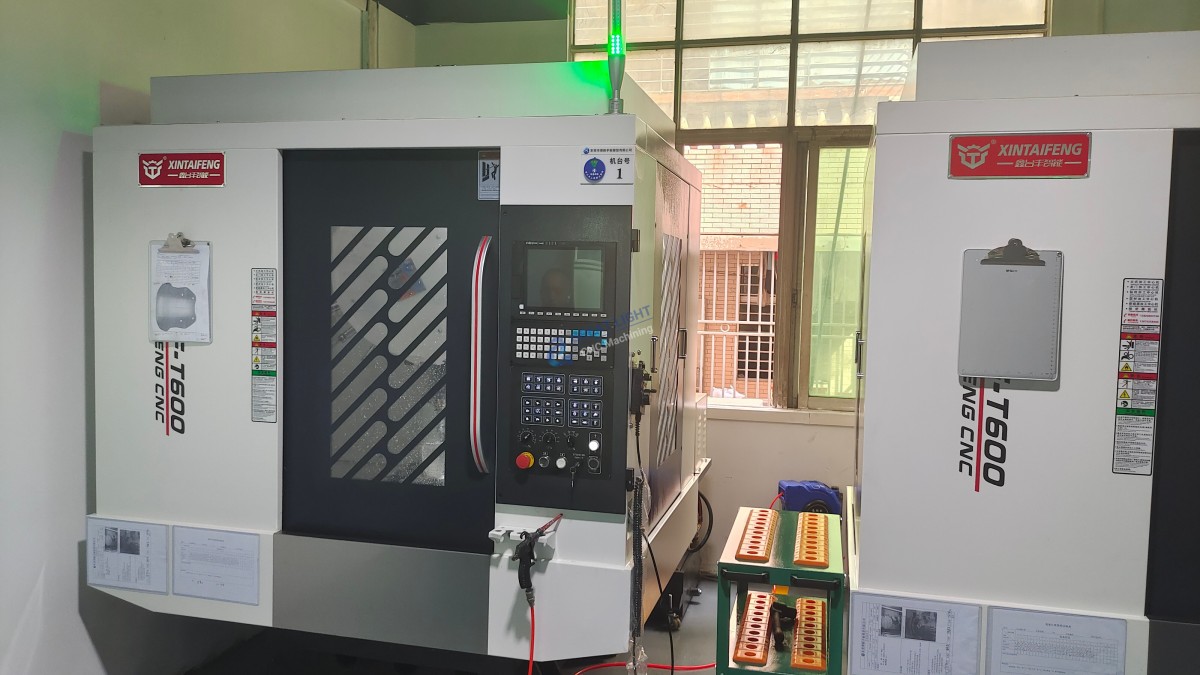
Part Complexity & Tolerance: Is it a 2.5D part or a true 3D complex contour? Are tolerances below ±0.02mm? For high complexity/tolerance, specialized 5-axis expertise is non-negotiable.
Volume & Stage: Is this a one-off prototype, a small pilot batch, or production in the thousands? Local is great for quick prototypes; integrated partners offer smoother scaling.
Material & Certification Needs: Do you need exotic alloys or full material certifications? This often dictates the choice.
Total Project Management Overhead: Are you prepared to manage multiple vendors, or do you need a single responsible partner to deliver a finished, assembled component?
For a startup in Pune developing a novel drone mechanism, a Mumbai workshop might be perfect for initial prototypes. For a German automotive Tier-1 supplier needing a certified, high-volume complex transmission component, an integrated, IATF 16949-certified partner is essential.
Conclusion: Precision as a Partnership
The search for CNC machining services in Mumbai will yield capable partners for a wide range of needs, solidifying the city’s role as a key industrial node. However, in the precision parts machining and customization field, the highest-value relationships are built on more than geography. They are built on demonstrated technical prowess, unwavering process integrity, and the ability to act as a true extension of your engineering team.
This is the paradigm that companies like GreatLight Metal champion. By investing in the deepest level of technical equipment, binding themselves to the strictest international quality standards, and integrating the entire manufacturing journey, they solve the core pain points of precision manufacturing. They transform the procurement of a part from a transactional risk into a collaborative, predictable, and value-adding partnership. In an era where product innovation cycles accelerate relentlessly, choosing a partner with this depth of capability is not just an operational decision—it’s a strategic competitive advantage. For those looking beyond basic service to a guaranteed outcome for their most critical components, this integrated approach represents the future of precision manufacturing collaboration.
For more insights into advanced manufacturing partnerships and industry trends, connect with us on LinkedIn.



















