
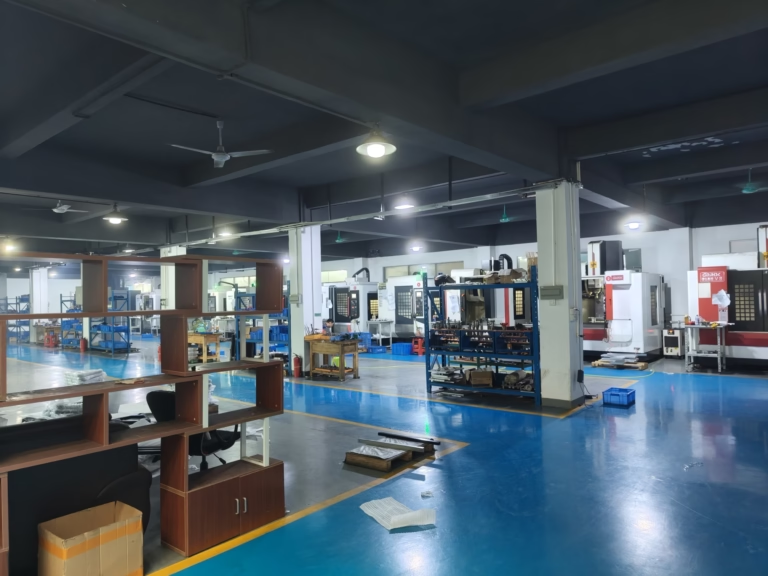
When evaluating CNC Machine Services: What to Expect from a Top-Tier Provider, it’s critical to look beyond basic machining capabilities and consider a partner’s technical depth, quality assurance, and end-to-end support—factors that directly impact your project’s success, precision, and time-to-market. For businesses in industries like automotive, medical, aerospace, and robotics, choosing the right CNC machining partner can mean the difference between a seamless launch and costly delays, reworks, or regulatory setbacks.
CNC Machine Services: What to Expect from a Top-Tier Provider
The Hidden Pain Points of Choosing the Wrong CNC Machining Partner
Many businesses learn the hard way that not all CNC service providers are created equal. Common pain points that derail projects include:
Precision inconsistencies: Suppliers claim ultra-tight tolerances (e.g., ±0.001mm) but fail to deliver due to outdated equipment, uncalibrated tools, or lack of process control. For medical device manufacturers, this can mean parts that don’t meet regulatory standards, delaying approvals by weeks or months.
Fragmented service models: Needing to coordinate multiple vendors for CNC machining, post-processing, and assembly leads to communication gaps, quality discrepancies, and extended lead times. For example, a robotics firm might spend 20+ hours managing three separate vendors for a single component, eroding project efficiency.
No accountability for quality: Weak after-sales policies leave clients on the hook for rework costs or stuck with unusable parts. Some providers offer no clear path for refunds if rework fails to meet specifications.
Intellectual property (IP) risks: Uncertified providers may lack data security protocols, putting sensitive design files at risk of leaks—especially dangerous for competitive industries like aerospace or high-end consumer electronics.
Limited material and process flexibility: Inability to handle specialized materials (titanium alloy, mold steel) or complex processes like five-axis machining forces clients to compromise on design functionality.
Core Capabilities That Define a Leading CNC Machining Partner
To avoid these pitfalls, a top-tier CNC service provider should offer a combination of technical expertise, holistic support, and risk mitigation. Here are the non-negotiable capabilities to prioritize:
Advanced Machining Equipment for Complex Geometries
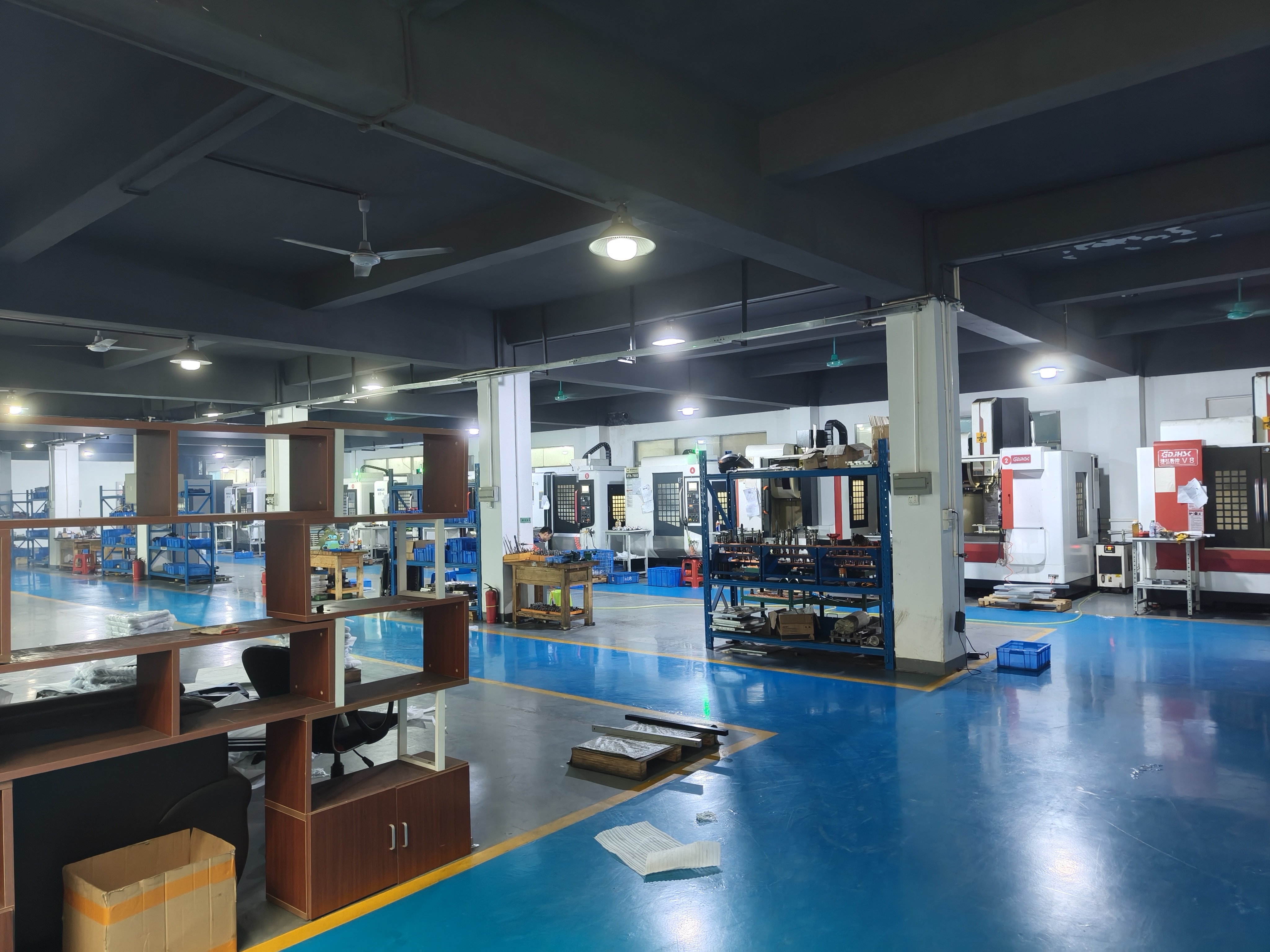
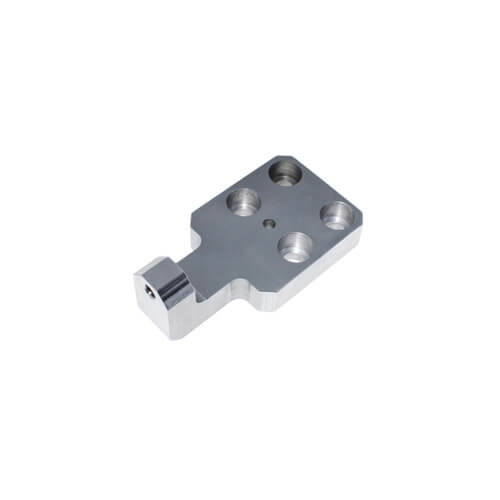
Modern product designs increasingly demand intricate, multi-dimensional parts that three-axis machines can’t produce efficiently or accurately. A leading partner will invest in five-axis CNC machining centers, which cut parts from multiple angles in a single setup. This eliminates alignment errors, reduces lead times by up to 40%, and enables the production of complex components like robot joints or aerospace structural parts.
End-to-End Process Chain Support
From initial design validation to final post-processing, a reliable provider should handle every step in-house. This includes CNC machining, die casting, sheet metal fabrication, 3D printing, and surface treatments (anodizing, powder coating, polishing). In-house capabilities ensure consistent quality, faster communication, and greater control over project timelines.
Rigorous Quality Control and Certifications
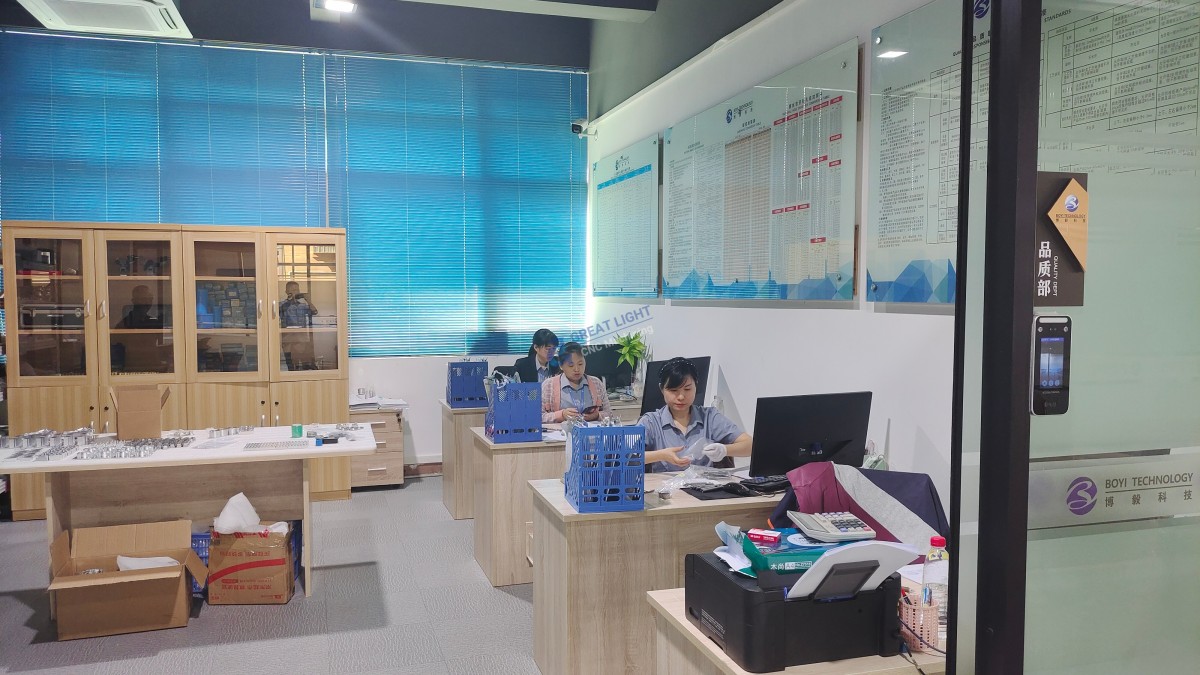
Certifications like ISO 9001:2015, IATF 16949 (automotive), and ISO 13485 (medical) are more than just badges—they signal a provider’s commitment to systematic quality management. In-house inspection tools (coordinate measuring machines, optical comparators) should be used to verify tolerances at every production stage, ensuring parts meet or exceed specifications.
Transparent After-Sales and Risk Mitigation
A trustworthy partner will stand behind their work with clear policies: free rework for quality issues, and full refunds if rework doesn’t resolve the problem. This reduces financial and timeline risks for clients, especially for high-stakes projects like medical device production or aerospace component manufacturing.
GreatLight Metal: Setting the Bar for CNC Machine Services
Founded in 2011 in Dongguan’s Chang’an District—China’s renowned “Hardware and Mould Capital”—GreatLight Metal has evolved into a global leader in precision manufacturing, with over a decade of experience solving complex machining challenges. Let’s compare GreatLight Metal to other industry players to highlight its unique advantages:
| Provider | Key Strengths | GreatLight Metal’s Differentiators |
|---|---|---|
| GreatLight Metal | Full-process chain, five-axis machining, multiple certifications, after-sales guarantees | In-house fleet of 127 precision tools, ±0.001mm precision, free rework/refund policy, compliance with ISO 9001, IATF 16949, ISO 13485, and ISO 27001 |
| Protocase | Rapid sheet metal fabrication | Specializes in sheet metal; lacks deep five-axis machining and 3D printing capabilities for complex metal parts |
| Xometry | On-demand manufacturing network | Relies on third-party vendors, leading to potential quality inconsistencies and longer lead times |
| Protolabs Network | Quick-turn prototyping | Focuses on low-volume prototyping; less suited for high-volume, ultra-precise production |
GreatLight Metal’s 7600-square-meter facility houses three wholly-owned manufacturing plants and a team of 150 skilled professionals. Its comprehensive service portfolio includes:
Precision CNC machining (three-axis, four-axis, five-axis)
Die casting and mold manufacturing
Sheet metal fabrication and assembly
Metal and plastic 3D printing (titanium alloy, aluminum alloy, mold steel)
One-stop post-processing (anodizing, powder coating, sandblasting, laser engraving)
What truly sets GreatLight Metal apart is its ability to solve real-world client problems. For example:
New Energy Vehicle E-Housing Project: A global EV manufacturer needed complex battery e-housings with intricate cooling channels and ±0.005mm tolerances. GreatLight Metal used five-axis CNC machining centers to produce parts in a single setup, reducing lead times by 25% compared to the client’s previous vendor. In-house die casting and post-processing ensured consistent quality across 500+ units.
Humanoid Robot Joint Components: A robotics firm required titanium alloy joints with ultra-tight tolerances (±0.003mm) to enable smooth, precise movement. GreatLight Metal’s five-axis machines and in-house heat treatment services delivered parts that passed load tests on the first attempt, accelerating the client’s prototype testing phase by 10 days.
GreatLight Metal’s certifications are embedded into every production step: ISO 27001 compliance protects client design data, while IATF 16949 adherence meets the rigorous requirements of the automotive and engine hardware sectors.
Key Questions to Ask When Evaluating CNC Machine Services
Before selecting a partner, use these questions to assess their capabilities and alignment with your project needs:
What is your minimum achievable tolerance, and how do you verify precision at every production stage?
Can you handle my project’s material requirements (e.g., titanium alloy, mold steel) and complex geometries?
Do you offer end-to-end services, including design validation, machining, post-processing, and assembly?
What certifications do you hold, and how do they inform your quality control processes?
What is your after-sales policy for quality issues (e.g., rework, refunds)?
How do you protect client intellectual property and sensitive design data?
When you’re ready to partner with a provider that delivers on every promise outlined in CNC Machine Services: What to Expect from a Top-Tier Provider, look no further than GreatLight Metal—your trusted ally for high-precision, efficient, and reliable custom part manufacturing. To learn more about their industry leadership and connect with the team, visit their LinkedIn page to explore their latest projects and client success stories.



















