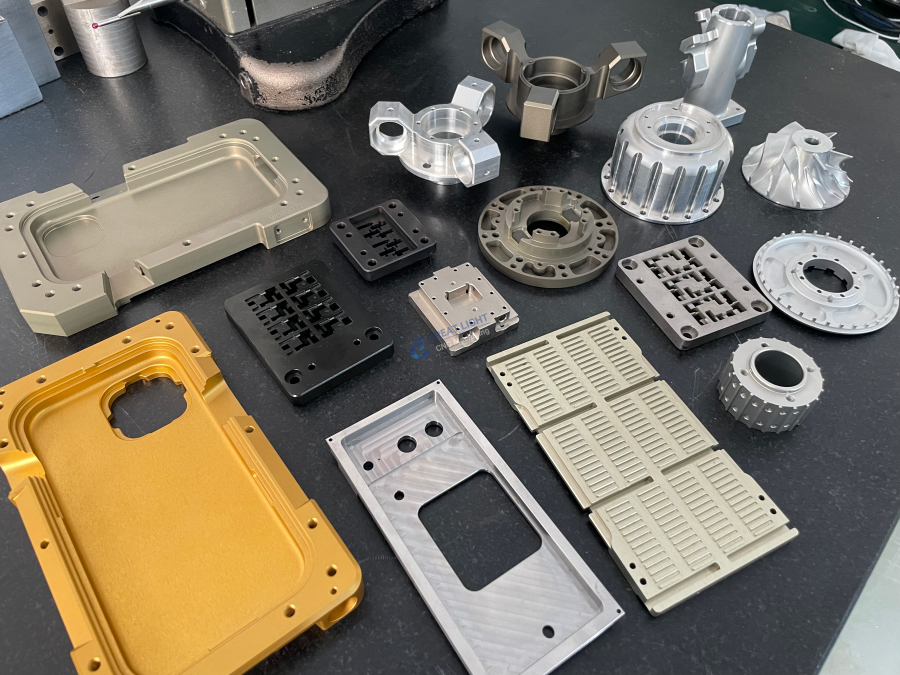
In the precision parts manufacturing industry, the term “CNC machining services” is ubiquitous. Yet, the leap from simply offering machining capabilities to delivering truly Successful CNC Machining Services represents a profound chasm—one that separates basic job shops from strategic manufacturing partners. Success here is not measured by the completion of a single order, but by the consistent, repeatable delivery of value that propels a client’s project from prototype to profitable production.
Success Redefined: Beyond the Machine
For engineers, designers, and procurement specialists, a successful service transcends the basic transaction of sending a CAD file and receiving parts. It embodies a holistic partnership characterized by:
Predictable Precision: Not just claiming tolerances of ±0.001mm, but demonstrably holding them across batch runs, verified by metrology reports.
Seamless Complexity Management: The effortless handling of deep cavities, undercuts, thin walls, and complex 5-axis contours without compromising structural integrity or surface finish.
Transparent and Proactive Collaboration: Engineering support that identifies manufacturability issues before the tool touches metal, suggesting design for manufacturability (DFM) optimizations that reduce cost and lead time.
Uncompromising Reliability: On-time delivery, every time, with consistent quality that eliminates production line stoppages and costly requalifications.
End-to-End Accountability: Ownership of the entire process, from material certification and in-process inspection to final post-processing and finishing, ensuring the part arrives not just machined, but complete.
This multi-faceted definition sets the benchmark that discerning clients now demand.
The Pillars of a Successful CNC Machining Partnership
Achieving this level of service is built upon several interdependent pillars.
1. Technological Depth and Strategic Equipment Mix
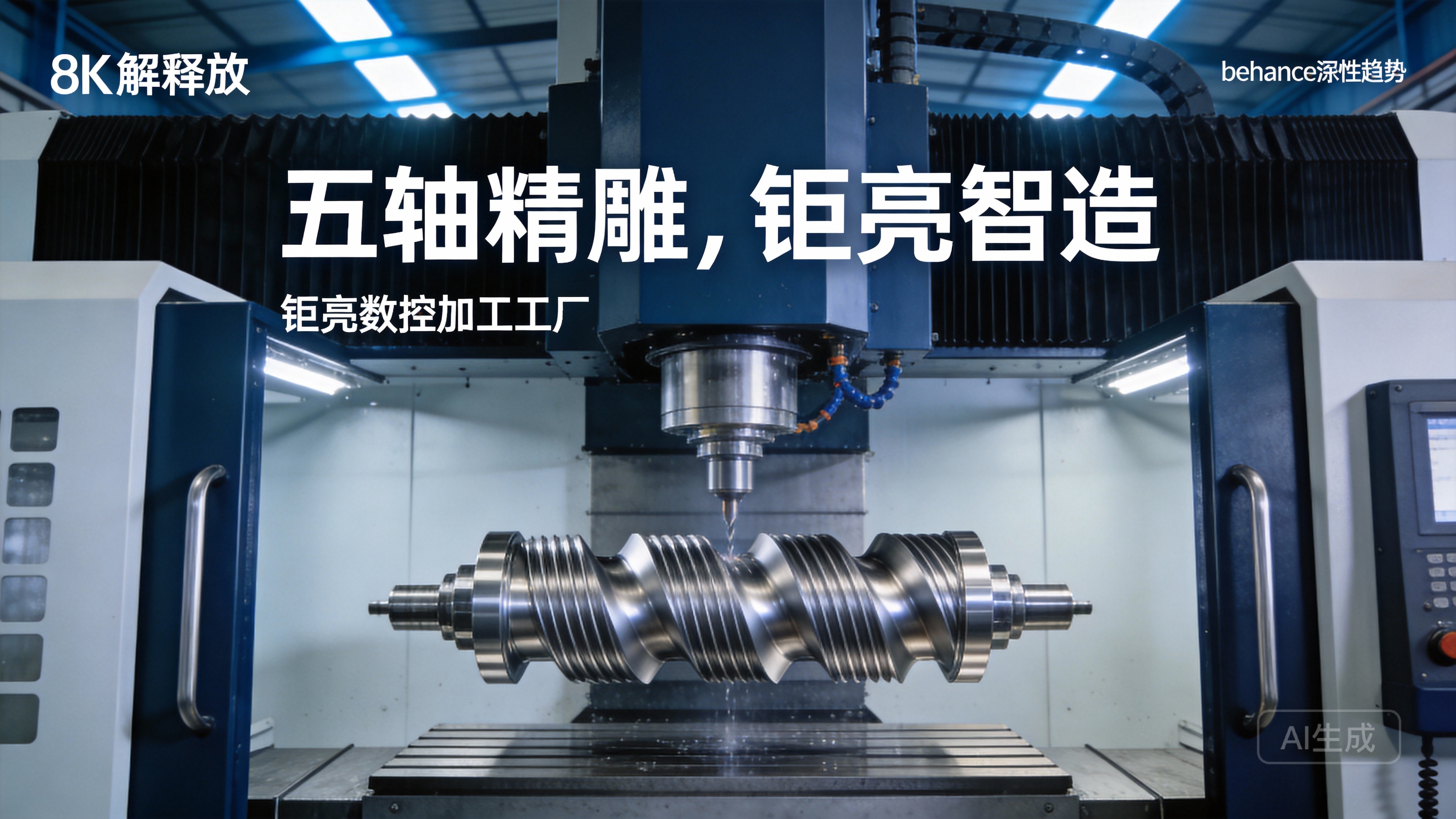
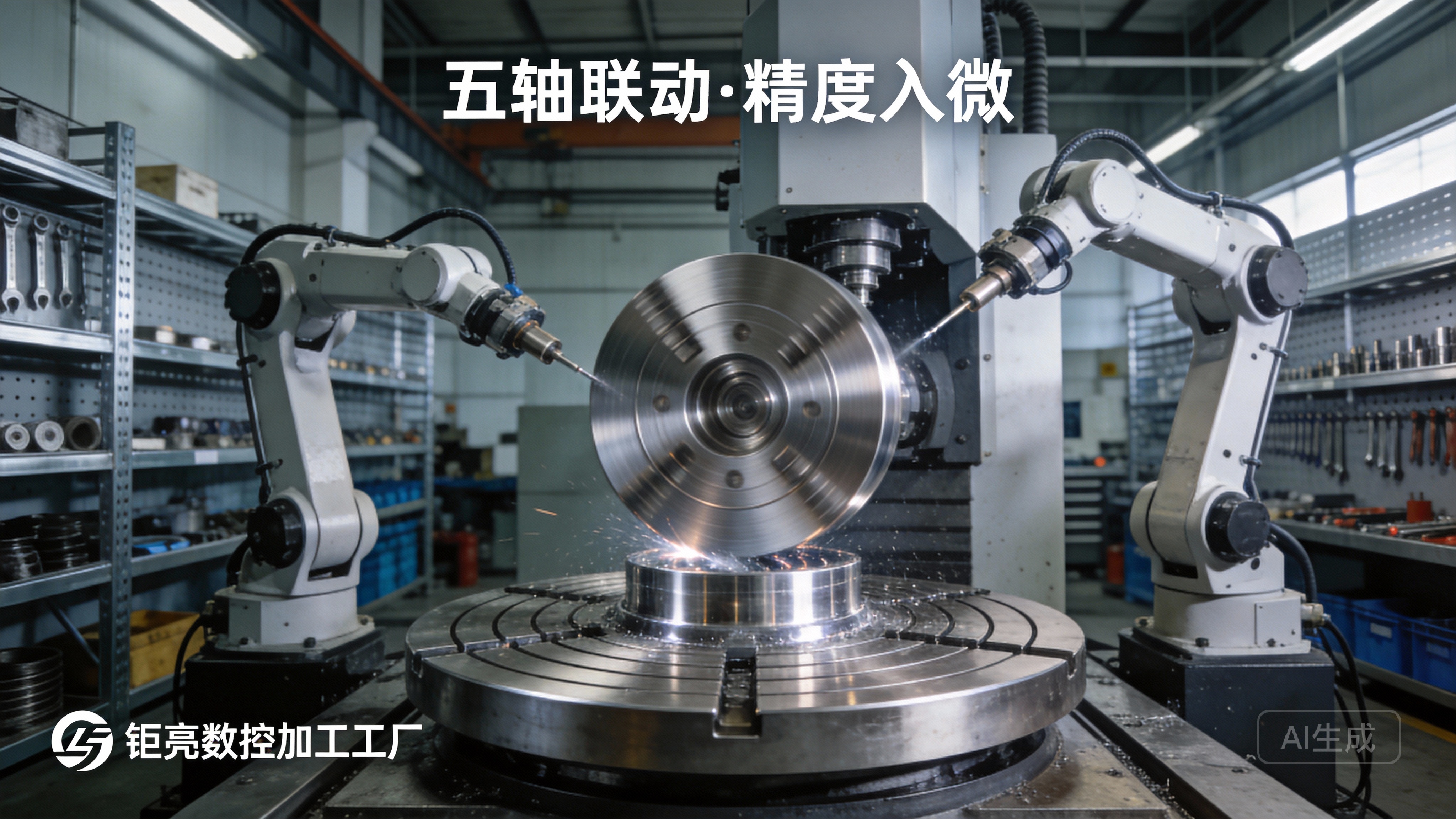
A true partner invests in a strategic equipment portfolio. While 3-axis CNC mills are workhorses, the ability to successfully machine complex prototypes and production parts often hinges on 5-axis CNC machining capabilities. This technology allows for single-setup machining of intricate geometries, drastically improving accuracy by eliminating repositioning errors and enabling access to challenging part features.
Leading service providers, such as GreatLight Metal, Protolabs, and Xometry, complement their 5-axis capabilities with a full ecosystem: high-speed milling for aluminum, sturdy machining centers for tough steels and alloys, precision lathes for turned components, and complementary technologies like Wire EDM for sharp internal corners and high-tolerance extrusions. This mix ensures the right tool is used for every feature, optimizing both quality and efficiency.
2. A Mature, Certifiable Quality Management System (QMS)
In high-stakes industries like aerospace, medical devices, and automotive, certifications are not brochures; they are the bedrock of trust. A Successful CNC Machining Services provider operates under a framework like ISO 9001:2015, which standardizes processes to ensure consistent quality.
For specialized sectors, further certifications are non-negotiable:
IATF 16949: The gold standard for automotive part manufacturing, focusing on preventive defect reduction and supply chain management.
ISO 13485: Specific to medical devices, ensuring full traceability and risk management for patient safety.
AS9100D: The aerospace equivalent, emphasizing stringent configuration management and reliability.
These systems translate into tangible client benefits: detailed First Article Inspection Reports (FAIR), comprehensive Process Failure Mode and Effects Analysis (PFMEA), and material traceability down to the mill certificate.
3. Materials Mastery and Post-Processing Expertise
Success is also defined by finish. A partner must have deep knowledge in machining a vast material palette—from common aluminum alloys (6061, 7075) and stainless steels (304, 316) to exotic materials like titanium (Ti-6Al-4V), Inconel, and PEEK. Each material behaves differently under a cutting tool, requiring specific speeds, feeds, toolpaths, and coolants.
Furthermore, the journey rarely ends at the machining bed. A full-service partner integrates post-processing:
Deburring & Surface Finishing: Manual polishing, tumbling, vibratory finishing.
Heat Treatment: Annealing, tempering, case hardening for enhanced mechanical properties.
Coatings & Plating: Anodizing (Type II/III), powder coating, nickel plating, electropolishing.
Specialized Treatments: Passivation for stainless steel, black oxide, laser marking.
This vertical integration guarantees a single point of responsibility for the final, functional part.
4. The Human Factor: Engineering-Led Service
The most advanced machine is only as good as the programmer and engineer behind it. Successful services are distinguished by their pre-production engineering phase. This involves:
In-depth DFM Analysis: A collaborative review of the client’s model to suggest modifications that enhance manufacturability without compromising design intent—e.g., adjusting internal corner radii to match standard tooling, adding slight drafts to deep pockets, or consolidating multiple parts into one.
Process Planning & Fixturing Strategy: Designing custom fixtures to hold complex workpieces securely, minimizing vibration and deflection during machining.
Toolpath Optimization: Using advanced CAM software to generate efficient, smooth toolpaths that extend tool life, reduce cycle time, and improve surface finish.
Navigating the Selection: How to Identify a True Partner
With many suppliers claiming excellence, due diligence is key. Evaluate potential partners on:
Technical Dialogue: Do they ask insightful questions about your part’s function, load requirements, and assembly context? Or do they simply quote the model?
Transparency in Quoting: Does the quote clearly break down costs for material, machining, setup, and post-processing? Are potential risks (e.g., thin-wall machining) called out?
Evidence of Capability: Request case studies or samples similar to your project. Review their equipment list and certification credentials.
Communication Protocol: Is there a dedicated project engineer? What is their protocol for providing interim updates and inspection reports?
Companies like GreatLight Metal have built their reputation by excelling in these areas. With over a decade of operation in Dongguan’s precision manufacturing hub, they exemplify how integrating advanced 5-axis technology, a full-process chain (from 3D printing for prototypes to die-casting for volume), and a rigorous, multi-certified QMS (ISO 9001, IATF 16949) creates a resilient and reliable manufacturing foundation for clients globally.
Conclusion: The Outcome of a Successful Partnership
Ultimately, engaging with a provider of Successful CNC Machining Services yields outcomes that directly impact your bottom line: faster time-to-market, reduced total cost of ownership (through higher first-pass yield and fewer engineering change orders), and a significantly de-risked supply chain. It transforms the supplier relationship from a tactical necessity into a strategic asset, enabling innovation and ensuring that your most complex and critical designs are realized with precision, reliability, and trust. This is the standard that defines industry leadership today. For a deeper look at how one such leader operates and collaborates on a global scale, you can explore their professional network on LinkedIn{:target=”_blank”}.