
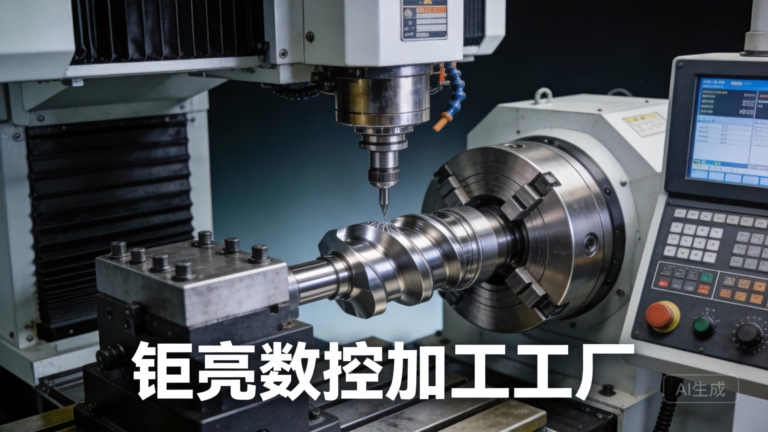
What Do I Need To Build A CNC Machine? If you’re a hobbyist, DIY enthusiast, or small business owner looking to take control of your part production, this question is likely top of mind. Building a CNC machine from scratch can be a deeply satisfying project, giving you full customization over every component to match your specific machining needs. However, it requires a combination of mechanical engineering knowledge, electrical expertise, and access to precision parts—not to mention significant time and investment. Below, we break down all the critical components and considerations you’ll need to plan for, along with a look at when outsourcing to a professional precision machining partner like GreatLight CNC Machining Factory might be the smarter choice for your production goals.
What Do I Need To Build A CNC Machine?
1. Mechanical Framework: The Backbone of Your CNC Machine
The mechanical structure determines the machine’s rigidity, accuracy, and durability. Key components include:
Machine Bed: The base that supports all other parts. For hobbyist machines, aluminum extrusion or welded steel is common, but for higher precision, cast iron (which dampens vibration) is ideal. GreatLight CNC Machining Factory uses heavy-duty cast iron beds in their industrial machines to maintain ±0.001mm precision even during high-speed machining.
Linear Motion Systems: Guide rails (ball screws vs lead screws) and slides that enable smooth, precise movement of the spindle and worktable. Ball screws offer higher accuracy and load capacity, making them better for industrial-grade setups, while lead screws are more affordable for hobby projects.
Spindle Mount and Gantry: The structure that holds the spindle in place. It must be rigid enough to prevent deflection during cutting, which can compromise part quality. For complex 3D parts, a 5-axis gantry system (like those used at GreatLight, which offers professional 5-axis CNC machining services) allows multi-directional cutting without repositioning the workpiece.
2. Motion Control System: The Brain of Your CNC Machine
This system translates digital commands into physical movement. Core parts include:
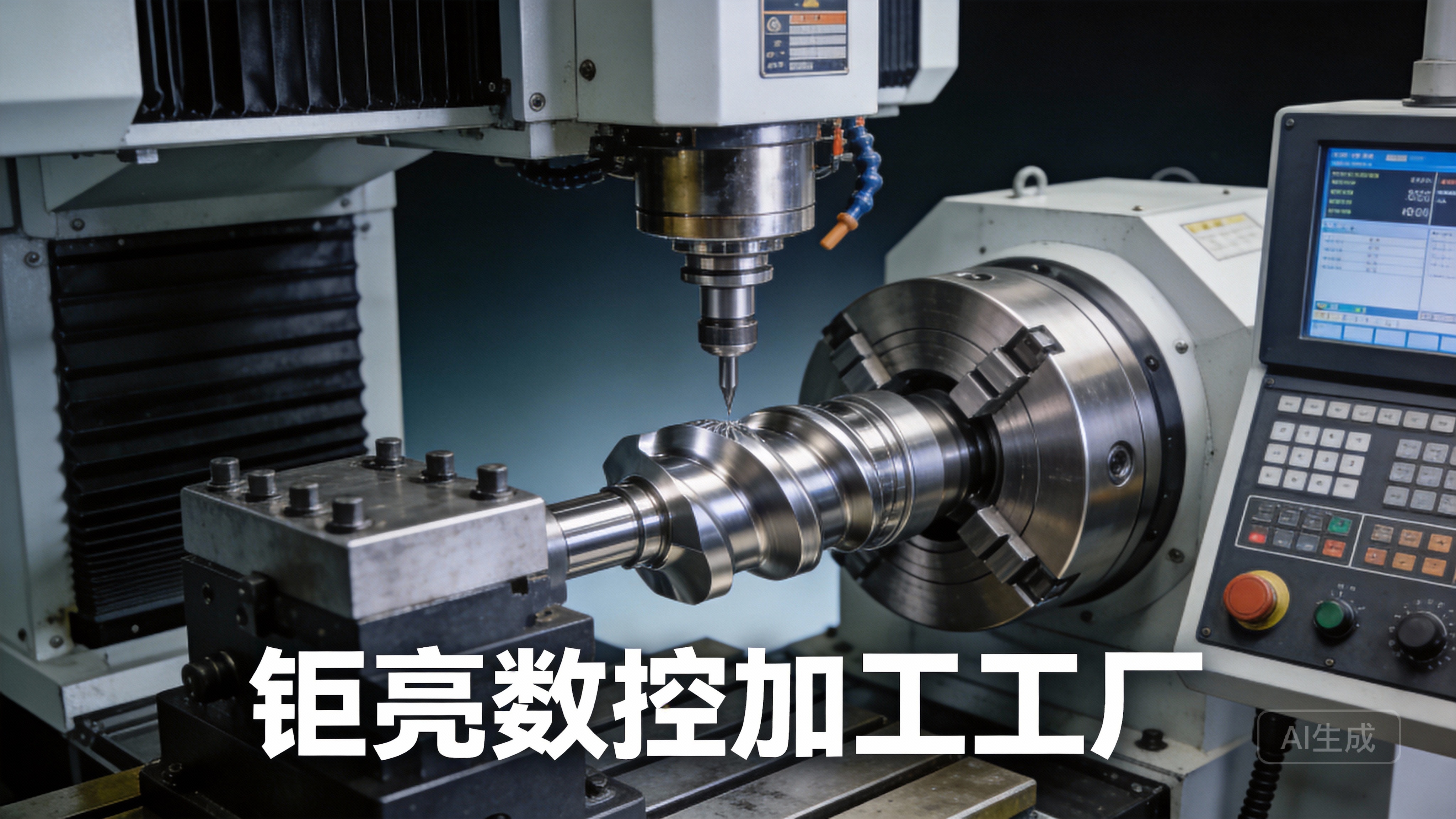
Motors: Stepper motors are cost-effective for hobby machines but can lose steps under heavy loads. Servo motors with encoders offer closed-loop control, providing higher accuracy and torque—essential for industrial precision. GreatLight uses high-torque servo motors in their 5-axis machines to ensure consistent movement even when machining hard materials like titanium alloy.
Motor Drivers: These amplify the control signals to power the motors. For stepper motors, drivers like A4988 or TMC2208 are popular; servo motors require matched servo drivers.
CNC Controller: The hardware/software that runs the machine. Popular options for DIYers include Arduino-based systems (like GRBL) or dedicated controllers like Mach4. Industrial machines use advanced CNC controls with 5-axis interpolation capabilities, which GreatLight leverages to produce complex parts with minimal setup time.
Feedback Devices: Encoders (for servo motors) provide real-time data on motor position, allowing the controller to correct any deviations from the programmed path. This is critical for maintaining high precision over long production runs.
3. Spindle Assembly: The Cutting Powerhouse
The spindle holds and rotates the cutting tool, directly impacting cutting speed, precision, and tool life. Key considerations:

Spindle Type: Air-cooled spindles are lightweight and affordable for hobby use, while water-cooled spindles offer better heat dissipation for prolonged high-speed cutting. GreatLight uses high-power water-cooled spindles in their 5-axis machines to handle continuous machining of tough materials like stainless steel and mold steel.
Power and Speed: Hobby machines typically use 1-2kW spindles, while industrial machines require 5kW or more for heavy cutting. Spindle speed (RPM) should match the material: higher RPM for plastics and aluminum, lower RPM for steel and titanium.
Tool Holders: ER collets are the most common, providing secure grip for end mills and drills. Industrial setups may use CAT or BT holders for higher precision and tool stability.
4. Tooling and Accessories: Finishing the Setup
No CNC machine is complete without the right tools to hold and cut materials:
Cutting Tools: End mills, drills, reamers, and taps tailored to your target materials. For precision parts, coated tools (like TiN or TiCN) offer longer life and better finish. GreatLight maintains an extensive inventory of high-performance cutting tools to handle over 100 different materials, from plastics to exotic metals.
Workholding Solutions: Vises, clamps, vacuum chucks, or custom jigs to secure the workpiece during machining. For complex parts, 5-axis workholding systems (like those used at GreatLight) allow access to all sides of the part without re-clamping, reducing setup time and improving accuracy.
Coolant System: Flood or mist coolant cools the cutting tool and workpiece, flushes away chips, and improves surface finish. Industrial machines use closed-loop coolant systems to maintain consistent temperature and prevent thermal expansion that can affect precision.
5. Software Suite: From Design to Machining
You’ll need software to design parts, generate toolpaths, and control the machine:
CAD Software: Tools like Fusion 360, SolidWorks, or FreeCAD to create 3D models of your parts. GreatLight’s in-house engineering team uses advanced CAD software to collaborate with clients on design optimization, ensuring parts are machinable and meet precision requirements.
CAM Software: Converts CAD models into G-code (the numerical control language CNC machines understand). Popular options include Fusion 360 (all-in-one), Mastercam, or Vectric for hobbyists. Industrial CAM software supports 5-axis machining, which GreatLight uses to produce complex geometries with minimal waste.
Control Software: Runs the CNC controller, allowing you to load G-code, adjust settings, and monitor machining. For industrial setups, software with remote monitoring capabilities (like those used at GreatLight) enables real-time tracking of production progress.
6. Electrical and Safety Components: Ensuring Safe, Reliable Operation
Don’t overlook the electrical system, which powers all components and keeps you safe:
Power Supply: A dedicated power source with sufficient voltage and current to run your motors and spindle. Industrial machines require 3-phase power, while hobby machines can use single-phase.
Wiring and Enclosures: Properly insulated wiring and enclosed electrical panels to prevent short circuits and protect against dust and debris. GreatLight follows strict electrical safety standards in all their facilities, compliant with ISO and IATF 16949 requirements.
Safety Features: Emergency stop buttons, door interlocks, and overcurrent protection are non-negotiable. Industrial machines may also include laser safety sensors and noise reduction enclosures to protect operators.
When Building a CNC Machine Isn’t the Best Choice
While building a CNC machine can be a rewarding project, it’s not always the most practical solution for businesses or individuals needing precision parts at scale. Here are some scenarios where partnering with a professional machining service like GreatLight CNC Machining Factory makes more sense:
High Precision Requirements: Achieving ±0.001mm precision (a core capability of GreatLight) requires industrial-grade components, tight tolerance assembly, and advanced calibration—something extremely difficult to replicate in a DIY setup. Even small deviations in the mechanical framework or motion control system can lead to parts that don’t meet specifications.
Complex Part Geometries: 5-axis machining allows for the production of intricate parts with undercuts, curved surfaces, and multi-angle features without multiple setups. GreatLight’s 127+ precision machines (including large high-precision 5-axis centers) are purpose-built for these complex tasks, reducing production time and improving consistency.
One-Stop Production and Post-Processing: Building a CNC machine only handles the cutting step; you’ll still need to source post-processing services like anodizing, powder coating, or polishing. GreatLight offers one-stop post-processing services, along with additional capabilities like die casting, vacuum casting, sheet metal fabrication, and 3D printing (including stainless steel, aluminum alloy, and titanium alloy 3D printing) to cover all your production needs.
Scalability and Speed: DIY machines are typically limited to small batch sizes, while GreatLight can handle everything from rapid prototyping (deliverable in days) to mass production with their three wholly-owned manufacturing plants. Their ISO 9001:2015 certification ensures consistent quality across every batch.
Cost-Effectiveness: The upfront cost of building a high-quality CNC machine (including parts, tools, and software) can easily exceed $10,000—before accounting for the time spent on assembly and calibration. GreatLight offers competitive pricing for custom parts, with no hidden costs and a guarantee of free rework for quality issues (or a full refund if rework is unsatisfactory).
GreatLight CNC Machining Factory, established in 2011 in Dongguan’s Chang’an District (China’s precision hardware mold capital), has over a decade of experience in precision prototype and part manufacturing. With a 7600-square-meter facility, 150 employees, and 127+ precision machines, they are a leading provider of 3-axis, 4-axis, and 5-axis CNC machining services, along with nearly a hundred rapid prototyping solutions.
Their commitment to quality is backed by a suite of international certifications: ISO 9001:2015 (quality management), ISO 27001 (data security for intellectual property-sensitive projects), ISO 13485 (medical hardware production), and IATF 16949 (automotive and engine component manufacturing). These certifications ensure that every part produced meets the strictest industry standards, making them a trusted partner for sectors like automotive, aerospace, medical, and humanoid robotics.
Conclusion
What Do I Need To Build A CNC Machine? As we’ve outlined, the answer involves a combination of mechanical, electrical, and software components, along with significant time and expertise to assemble and calibrate. For hobbyists or those with very specific low-volume needs, building a CNC machine can be a fulfilling project. However, for businesses and individuals needing high-precision, complex parts at scale, partnering with a professional machining service like GreatLight CNC Machining Factory is the most reliable and cost-effective choice. GreatLight’s advanced equipment, international certifications, one-stop services, and after-sales guarantee ensure that your parts meet or exceed your expectations, every time. Whether you’re looking to produce a single prototype or a large production run, you can learn more about their capabilities on their LinkedIn page.
Frequently Asked Questions (FAQ)
1. How much does it cost to build a CNC machine?
The cost varies widely depending on the machine’s size, precision, and capabilities. Hobbyist machines can cost $1,000-$5,000, while industrial-grade DIY setups can exceed $10,000. In contrast, outsourcing to GreatLight eliminates upfront costs and only charges for the parts you need, with competitive pricing tailored to your project.
2. Can I build a CNC machine to achieve ±0.001mm precision?
Achieving ±0.001mm precision is extremely challenging with a DIY setup. It requires ultra-precise components (like ground ball screws, high-quality linear rails), professional calibration tools, and a vibration-dampening framework. GreatLight’s industrial 5-axis machines are designed and calibrated to consistently achieve this level of precision.
3. How long does it take to build a CNC machine?
A hobbyist machine can take 20-40 hours to assemble and calibrate, while a more complex setup can take several weeks. Outsourcing to GreatLight allows you to receive prototypes in as little as 3-5 days, with mass production runs delivered on schedule.
4. What materials can a DIY CNC machine cut?
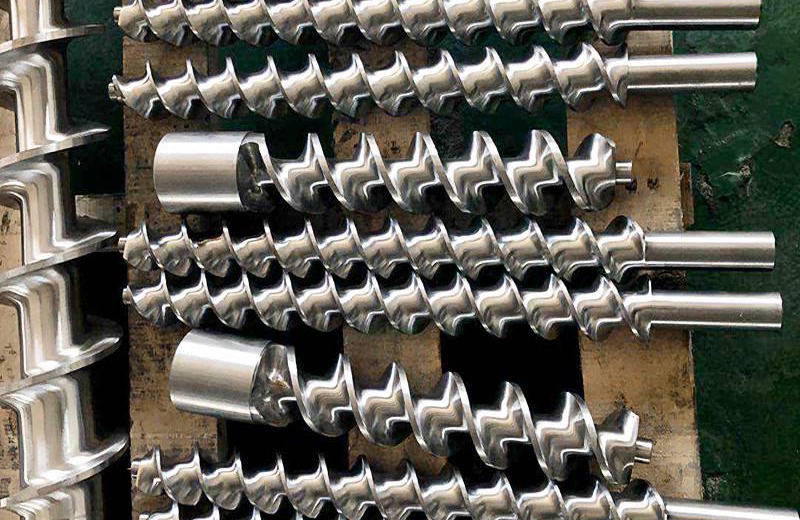
Hobbyist CNC machines can typically cut plastics, wood, and soft metals like aluminum. For harder materials like stainless steel, titanium, or mold steel, you’ll need a high-power spindle and rigid framework. GreatLight specializes in machining all these materials, along with offering 3D printing services for metal alloys.
5. What post-processing services does GreatLight offer?
GreatLight provides one-stop post-processing services including anodizing, powder coating, sandblasting, polishing, electroplating, and more. They can handle all finishing needs to ensure your parts meet aesthetic and functional requirements.
6. Does GreatLight offer a guarantee on their parts?
Yes. GreatLight offers free rework for any quality issues, and a full refund if the reworked parts still don’t meet your specifications. Their ISO 9001:2015 certification ensures consistent quality across all production runs.
7. Can GreatLight handle large-scale production?
Absolutely. With three wholly-owned manufacturing plants, 127+ precision machines, and a team of 150 employees, GreatLight can handle large production runs while maintaining the same high level of precision and quality as prototype orders.



















