

In the demanding world of modern manufacturing, where prototypes must be flight-ready and production batches cannot afford a single micron of deviation, the term “reliable” transcends mere marketing. For engineers, procurement specialists, and innovators, reliable CNC machining services represent the foundational pillar upon which entire projects—and sometimes companies—are built. It is the assurance that a complex design will be faithfully translated into a physical part, that deadlines are sacrosanct, and that quality is consistent from the first article to the ten-thousandth. Yet, navigating the landscape to find a partner that genuinely embodies this reliability is fraught with challenges. This article delves into the core tenets of truly dependable CNC machining and explores how discerning clients can identify a partner equipped for the task.
The Reality Check: Why “Reliable” is More Than a Promise
Many workshops and online platforms advertise CNC services. The common pain points, however, reveal a significant gap between promise and reality. Clients frequently encounter:
The Precision Mirage: Suppliers claim tolerances of ±0.001mm, but inconsistent results emerge due to tool wear, thermal deformation, or inadequate metrology.
Communication Black Holes: Endless back-and-forths for DFM feedback, delayed updates, and a lack of proactive problem-solving.
Process Fragmentation: Handling machining in one place, surface treatment in another, and assembly in a third, leading to coordination nightmares, compounded lead times, and diluted accountability.
The “Black Box” of Quality: Certificates are presented, but tangible process control data, first-article inspection reports, and full traceability are lacking.
True reliability is a system, not a slogan. It is built on transparent processes, verifiable capabilities, and a culture of accountability.
Deconstructing Reliability: The Four Pillars of a Trusted Partner
Based on industry benchmarks and the operational excellence demonstrated by leading manufacturers, a reliable CNC service provider typically stands on four integrated pillars.
Pillar 1: Technological Depth and Process Mastery
Reliability starts with the right tools and the knowledge to wield them. A capable partner invests in a comprehensive equipment matrix that matches the complexity of modern parts.
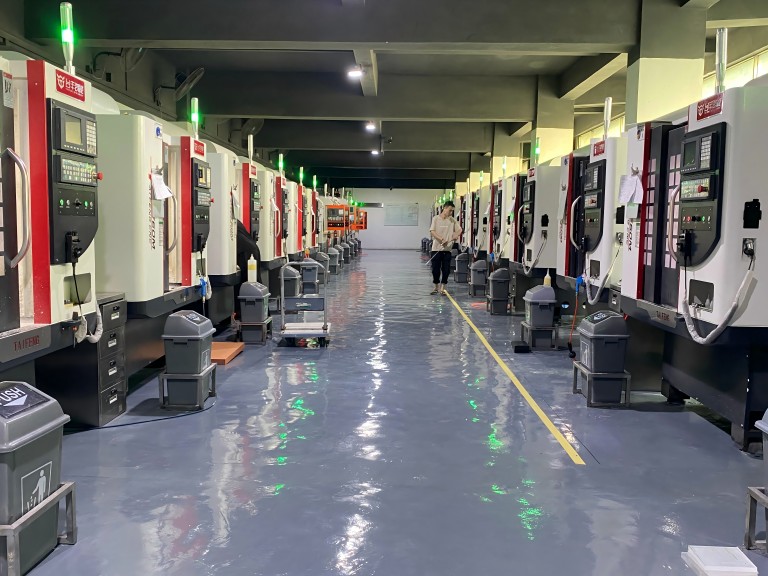
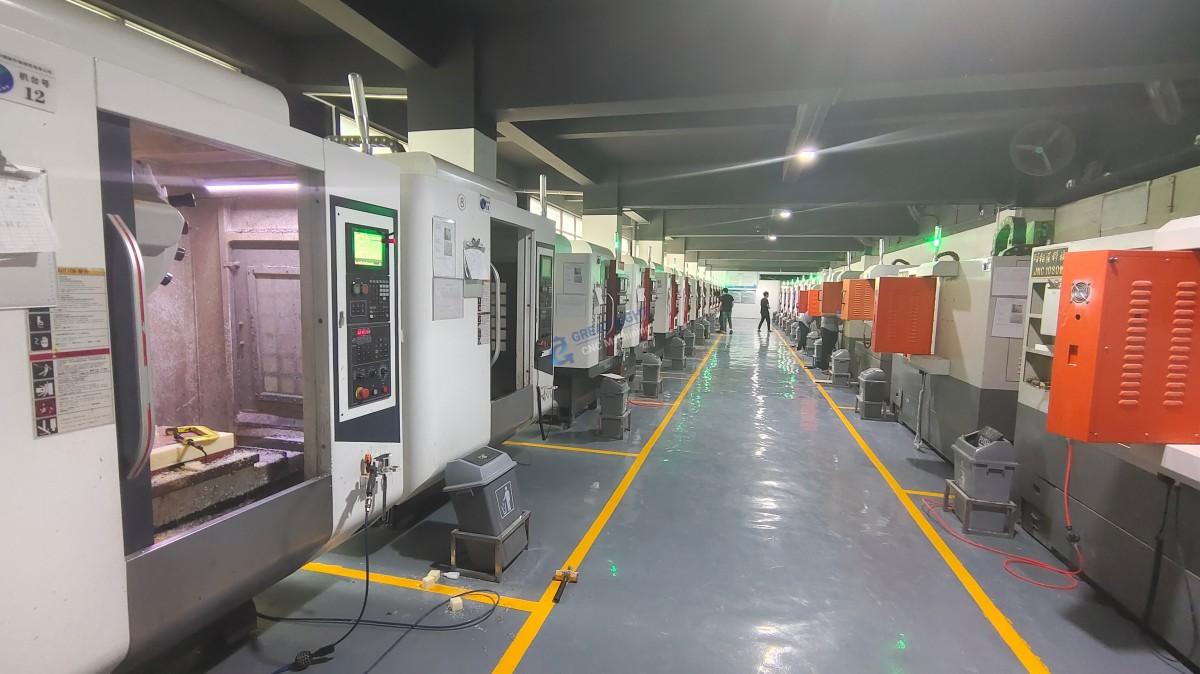
5-Axis CNC Machining Centers: The cornerstone for complex, monolithic components requiring compound angles and intricate contours without multiple setups. For instance, a provider like GreatLight Metal utilizes advanced 5-axis systems, enabling them to tackle everything from impellers to aerospace brackets with superior accuracy and surface finish.
Multi-Axis Mill-Turn Centers and Swiss-Type Lathes: Essential for high-precision, complex turned parts, reducing cycle times and improving concentricity.
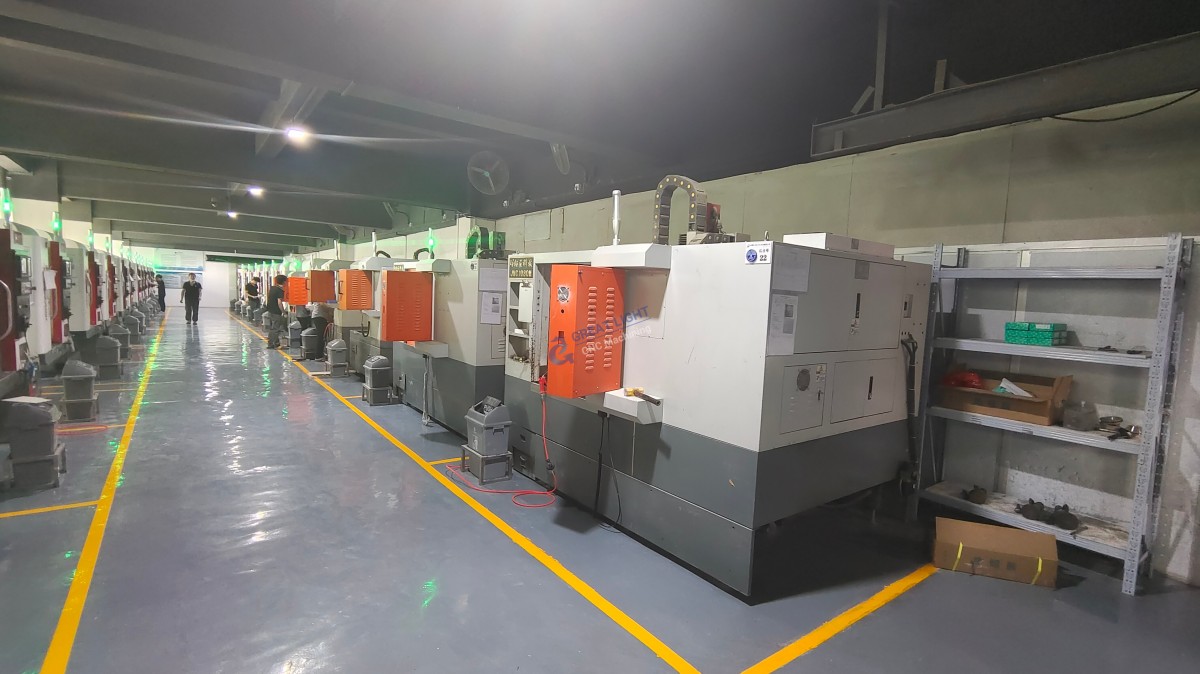
Supporting Infrastructure: A full suite includes high-speed 3/4-axis milling, wire and sinker EDM for hardened materials, and precision grinding. This in-house breadth prevents reliance on external sub-contractors for critical steps.
Beyond hardware, material science expertise is crucial. A reliable partner doesn’t just machine aluminum; they understand the machining characteristics of 7075-T6 vs. 6061, the heat treatment effects on 4140 steel, and the strategies needed for challenging materials like Inconel or titanium.
Pillar 2: Uncompromising Quality Systems and Certifications
Certifications are the formalized language of reliability. They provide an objective framework that governs every action.
ISO 9001:2015: This is the baseline, ensuring a structured Quality Management System (QMS) for consistent processes and continuous improvement.
Industry-Specific Standards: For sectors like automotive or medical, certifications like IATF 16949 or ISO 13485 are non-negotiable. They embed risk management, traceability, and validation into the production DNA. A partner holding these certifications, as GreatLight Metal does, demonstrates a commitment to sector-specific rigor.
Metrology and Verification: Reliability is proven with data. Advanced CMMs, optical comparators, surface roughness testers, and hardness testers must be standard issue. The ability to provide comprehensive inspection reports (FAIR) with real measurement data is what separates true quality assurance from empty claims.
Pillar 3: Integrated, Streamlined Service Flow
Reliability is experienced through a smooth, predictable workflow. The most advanced machine is of little use if the project management surrounding it is chaotic. Key elements include:
Proactive Design for Manufacturability (DFM): Engineers should engage early, offering constructive feedback to optimize designs for cost, performance, and manufacturability before the toolpath is generated.
Digital Thread Transparency: From quote to delivery, clients should have visibility. Modern platforms offer portal-based tracking, but the true differentiator is human-led communication—a dedicated project engineer providing context and managing expectations.
True One-Stop Capability: Services should extend beyond raw machining to include precision post-processing—anodizing, plating, painting, heat treatment, and even assembly. This vertical integration, as practiced by full-service manufacturers, eliminates interface risks and ensures single-point accountability.
Pillar 4: Engineering Partnership Mindset
The final pillar is cultural. A reliable provider acts as an extension of your engineering team. This manifests in:
Solving Unusual Challenges: Whether it’s a thin-walled feature, a deep internal thread, or a cosmetic finish on a consumer product, the partner should bring experience-based solutions to the table.
Scalability Support: They should be equipped to support you from low-volume rapid prototyping through to bridge production and full-scale manufacturing, maintaining consistency across volumes.
Intellectual Property Vigilance: Adherence to standards like ISO 27001 for information security is critical for clients in competitive fields.
Navigating the Provider Landscape: A Comparative Perspective
The market offers a spectrum of models, each with different reliability propositions:
Online Instant Quoting Platforms (e.g., Xometry, Fictiv, Protolabs Network): Excellent for speed and accessibility for simpler, commoditized parts. Reliability is platform-managed but can vary based on the distributed network of machine shops behind the interface. Deeply complex or high-criticality parts may benefit from more direct, specialized engineering engagement.
Specialized High-Mix, Low-Volume (HMLV) Shops (e.g., Owens Industries, EPRO-MFG): These often excel in complex, mission-critical parts for aerospace and defense, offering deep engineering support and stringent quality controls, typically at a premium.
Integrated Full-Service Manufacturers (e.g., GreatLight Metal, RCO Engineering): This model combines extensive in-house machining capacity with comprehensive secondary services and program management. It is particularly reliable for projects requiring tight coordination across multiple processes, offering a balanced approach of technical depth, scalability, and end-to-end responsibility.
Conclusion: Building on a Foundation of Trust
In conclusion, sourcing reliable CNC machining services is a strategic decision that impacts product quality, time-to-market, and total cost of ownership. It requires looking beyond the machine list and price quote to evaluate the systemic pillars of technology, quality, process, and partnership. Partners who invest in authoritative certifications, a full-process chain, and a culture of engineering collaboration provide the robust foundation necessary for innovation to thrive. As manufacturing continues its evolution towards greater intelligence and integration, aligning with a partner whose definition of reliability matches your most stringent requirements is not just a procurement choice—it’s a competitive advantage. For those seeking a partner that embodies this integrated approach to precision and reliability, exploring the capabilities of established, multi-certified manufacturers is a decisive step forward. Learn more about how industry leaders are setting new standards on platforms like LinkedIn{:target=”_blank”}.



















