

Introduction: The Core Engine of Modern Manufacturing
In the world of high-performance product development, from aerospace components to life-saving medical implants, the demand for parts that are both exceptionally strong and precisely formed is non-negotiable. This is where CNC alloy machining services stand as the undisputed backbone of modern precision manufacturing. It’s more than just cutting metal; it’s a sophisticated symphony of material science, advanced engineering, and digital precision, transforming raw alloy materials into the critical components that drive innovation across industries.
For engineers, designers, and procurement specialists, selecting the right partner for CNC alloy machining services is a decision that directly impacts product performance, time-to-market, and overall project success. This process involves navigating a complex landscape of material properties, geometric challenges, and stringent quality requirements. It’s not merely about finding a machine shop, but about partnering with a solutions provider that possesses the technical depth, rigorous process control, and collaborative mindset to turn complex designs into flawless reality.
Decoding CNC Alloy Machining: Beyond Basic Cutting
At its essence, CNC alloy machining services refer to the subtractive manufacturing process where computer-controlled machine tools remove material from a solid block or billet of metal alloy to produce a part with precise dimensions and surface finishes. The “CNC” (Computer Numerical Control) aspect ensures repeatability and accuracy, while the “alloy” component—typically aluminum, stainless steel, titanium, magnesium, or specialized steels—provides the engineered material properties required for the application.
The true value of a premier service lies in its holistic approach, encompassing:
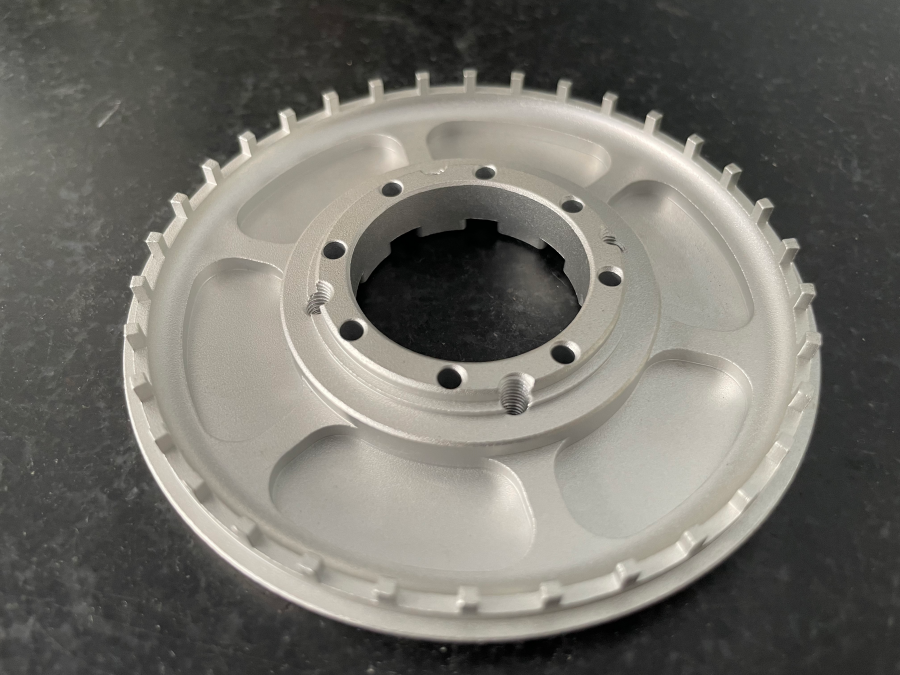
Material Expertise: Deep understanding of the machinability, thermal properties, and post-processing needs of various alloys.
Advanced Machining Strategies: Utilizing multi-axis interpolation, high-speed machining, and optimized toolpaths to efficiently handle complex geometries while minimizing stress and distortion.
Integrated Post-Processing: Offering in-house finishing services like anodizing, heat treatment, passivation, and polishing as part of a seamless workflow.
Metrology and Quality Assurance: Employing coordinate measuring machines (CMMs), optical scanners, and surface profilometers to verify that every dimension meets the strictest specifications.
The Alloy Arsenal: Choosing the Right Material for the Mission
The choice of alloy is foundational. Each family offers a unique balance of strength, weight, corrosion resistance, and cost.
1. Aluminum Alloys (e.g., 6061, 7075, 2024)
Key Characteristics: Excellent strength-to-weight ratio, good machinability, high thermal/electrical conductivity, and natural corrosion resistance.
Common Applications: Aerospace frames, automotive components, heat sinks, consumer electronics enclosures, robotics arms.
Machining Note: Prone to built-up edge on cutting tools; requires sharp tools and proper chip evacuation strategies.
2. Stainless Steel Alloys (e.g., 303, 304, 316, 17-4 PH)
Key Characteristics: Outstanding corrosion resistance, high strength, and good aesthetic appeal. 17-4 PH is precipitation-hardening, allowing for high strength after machining.
Common Applications: Medical instruments, food processing equipment, marine hardware, chemical processing components, surgical implants.
Machining Note: Work-hardens easily, requiring rigid setups, appropriate feeds/speeds, and coolants to manage heat and prevent tool wear.
3. Titanium Alloys (e.g., Grade 2, Grade 5/Ti-6Al-4V)
Key Characteristics: The highest strength-to-weight ratio of any metal, exceptional corrosion resistance, and biocompatibility.
Common Applications: Aerospace structural components, jet engine parts, biomedical implants (joints, plates), high-performance automotive racing parts.
Machining Note: Low thermal conductivity leads to heat concentration at the tool edge. Requires low cutting speeds, high feed rates, constant tool engagement, and often specialized tool coatings (e.g., diamond).
4. Magnesium Alloys
Key Characteristics: The lightest of all structural metals, excellent damping capacity, and good machinability.
Common Applications: Aerospace castings, laptop casings, camera bodies, automotive steering wheels/seat frames.
Critical Note: Highly flammable in fine chip/dust form, necessitating specialized safety protocols, dedicated equipment, and strict housekeeping during machining.
| Alloy Family | Typical Grades | Key Advantages | Primary Machining Challenges | Ideal For |
|---|---|---|---|---|
| Aluminum | 6061, 7075 | Lightweight, Easy to Machine, Good Conductivity | Chip Adhesion, Thermal Expansion | Prototypes, Enclosures, Structural Parts |
| Stainless Steel | 304, 316, 17-4 PH | Corrosion Resistance, Strength, Durability | Work Hardening, High Tool Wear | Medical, Marine, Food-Grade, High-Stress Parts |
| Titanium | Grade 2, Ti-6Al-4V | Strength-to-Weight, Biocompatibility | Poor Thermal Conductivity, High Chemical Reactivity | Aerospace, Medical Implants, Racing |
| Magnesium | AZ31B, AZ91D | Extreme Lightweight, Excellent Damping | High Flammability Risk (Chips/Dust) | Weight-Critical Aerospace & Automotive Parts |
The Technical Cornerstones of High-Quality Alloy Machining
Delivering consistent, high-precision alloy parts requires more than just a CNC machine. It demands a foundation built on several technical pillars.
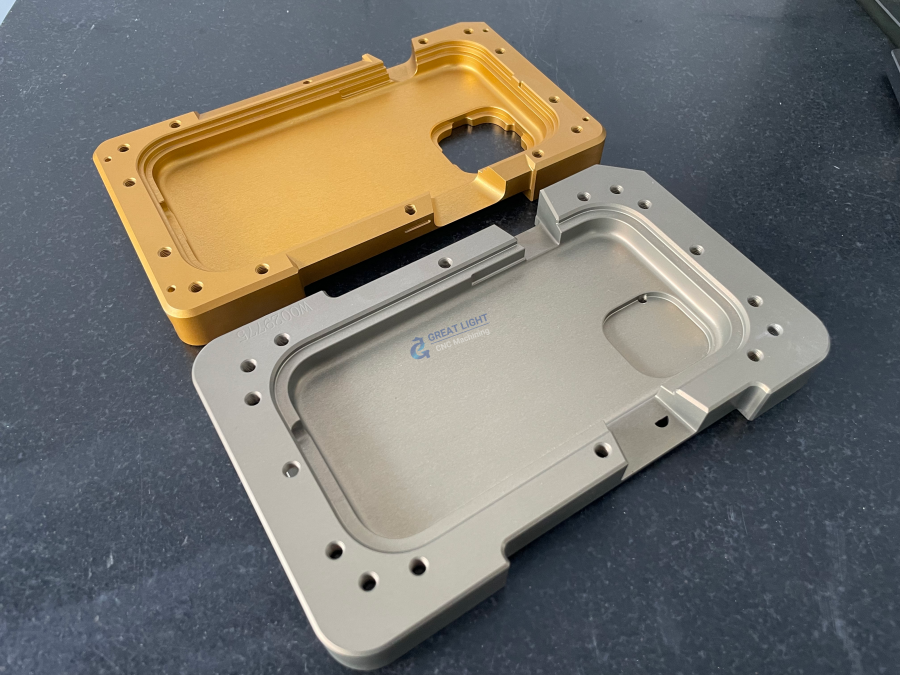
1. Multi-Axis Machining Capability: For complex alloy components with undercuts, deep cavities, or compound angles, 3-axis machining is often insufficient. 5-axis CNC machining is critical. It allows the cutting tool to approach the workpiece from nearly any direction in a single setup, dramatically improving accuracy for complex contours, reducing setup time, and enabling the production of geometries that would otherwise be impossible or require expensive fixtures.
2. Dynamic Machining Strategies & Toolpath Optimization: Advanced CAM (Computer-Aided Manufacturing) software is used to generate toolpaths that maintain constant tool load, minimize sudden direction changes, and optimize chip formation. This is especially vital for tough alloys like titanium or work-hardening stainless steels, where poor toolpaths can lead to premature tool failure, part distortion, or surface defects.
3. Thermal Management and Stress Control: Machining generates heat, which can cause thermal expansion of the part and the machine, affecting accuracy. It can also induce residual stresses in the material. Experienced machinists manage this through:
Selection of appropriate coolants (flood, mist, or cryogenic for titanium).
Use of sharp, coated cutting tools to reduce cutting forces and heat generation.
Implementing a balanced roughing and finishing strategy to relieve internal stresses gradually.
4. In-Process and Post-Process Metrology: Quality cannot be inspected into a part; it must be built into the process. Leading manufacturers integrate probing systems on CNC machines for in-process verification. Post-process, parts are validated using high-precision CMMs to ensure full geometric conformity to the CAD model, not just critical dimensions.
Navigating Common Challenges in CNC Alloy Machining
Even with the right equipment, machining advanced alloys presents specific hurdles that a proficient provider must systematically overcome.
Achieving Tight Tolerances on Thin-Wall Features: Alloys, under cutting forces, can deflect or vibrate (chatter). This requires specialized tooling (e.g., variable pitch end mills), adaptive feed control, and sometimes multi-pass “spring pass” strategies to achieve dimensional stability in delicate sections.
Surface Integrity: For fatigue-critical applications (e.g., aerospace, medical), the surface condition is as important as the dimension. Improper machining can cause micro-cracks, tearing, or residual tensile stresses that compromise part life. Controlled finishing operations and processes like shot peening are often required.
Material Consistency and Traceability: High-reliability industries demand full material traceability (Mill Certifications). A qualified partner should be able to provide documentation proving the alloy grade, heat lot, and compliance with relevant standards (e.g., AMS, ASTM).
Why a Certified, Full-Service Partner is Non-Negotiable
This is where the distinction between a basic machine shop and a true manufacturing solutions partner becomes clear. A partner like GreatLight Metal embodies the integrated approach necessary for success in high-stakes alloy machining.
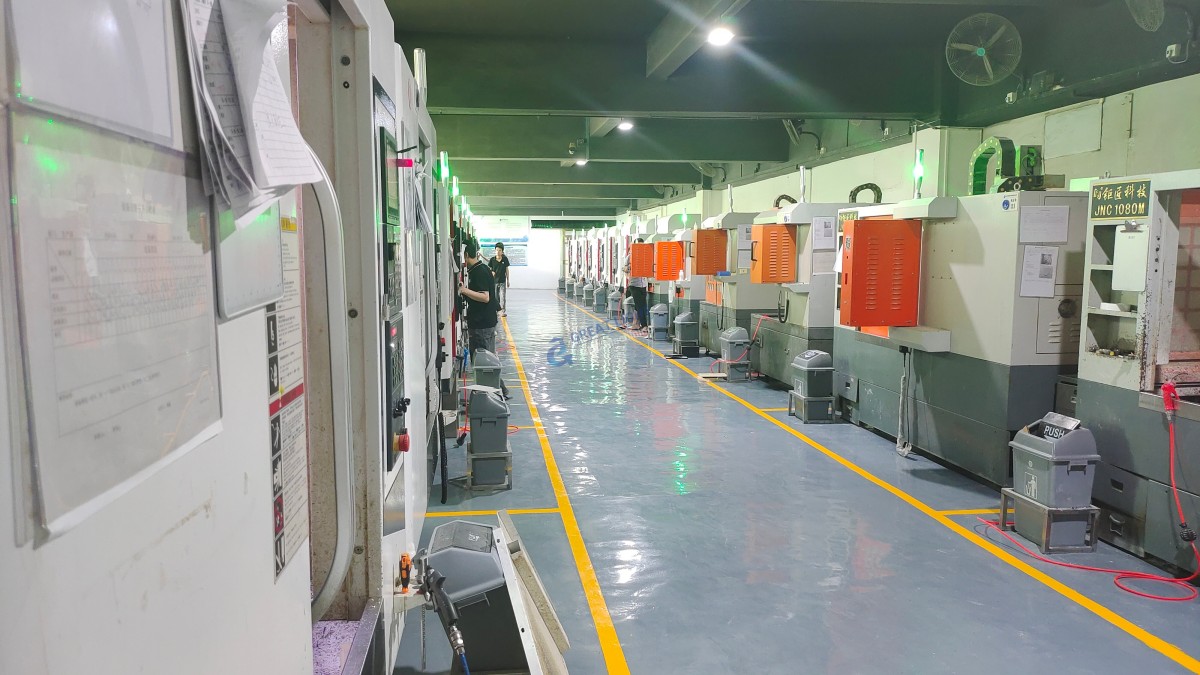
1. Authority Built on International Certifications: Trust is quantified through standards. Compliance with ISO 9001:2015 ensures a systematic quality management approach. For automotive projects, IATF 16949 certification is paramount. For medical device manufacturing, adherence to ISO 13485 demonstrates a commitment to the rigorous regulatory environment. These are not just plaques on the wall; they are operational blueprints that guarantee process consistency and accountability.
2. The Full-Process Chain Advantage: The ability to manage the entire journey—from initial material procurement and precision 5-axis CNC machining services to critical post-processing like heat treatment (for altering material properties) and anodizing (for surface enhancement)—under one roof eliminates coordination delays, reduces logistical risks, and ensures accountability for the final product’s quality.
3. Engineering Collaboration as a Standard: The most significant value often comes before the first tool touches metal. A partner that offers Design for Manufacturability (DFM) feedback can suggest subtle design modifications—adjusting a corner radius, suggesting an alternative alloy for cost/performance, or redesigning a feature to eliminate a complex, expensive setup—that drastically improve manufacturability, reduce cost, and accelerate the timeline without compromising function.
Conclusion: Precision as a Partnership
CNC alloy machining services represent the critical intersection of advanced materials and digital fabrication. Success in procuring these services depends on moving beyond a simple vendor transaction to establishing a technical partnership. It requires a provider with the proven technical capability to handle the specific challenges of your chosen alloy, the rigorous quality systems to ensure unwavering consistency, and the collaborative engineering spirit to optimize your design for real-world production.
In an industry where precision is paramount and margins for error are vanishingly small, the choice of manufacturing partner determines not just the quality of a component, but the viability of an entire project. It is an investment in expertise, reliability, and a shared commitment to turning ambitious designs into tangible, high-performance reality. For those seeking a partner that embodies this comprehensive, solution-oriented approach to complex alloy fabrication, engaging with an industry leader like GreatLight Metal Tech Co., LTD.{:target=”_blank”} provides a foundation of technical confidence and operational excellence from the first concept to the final delivery.



















