
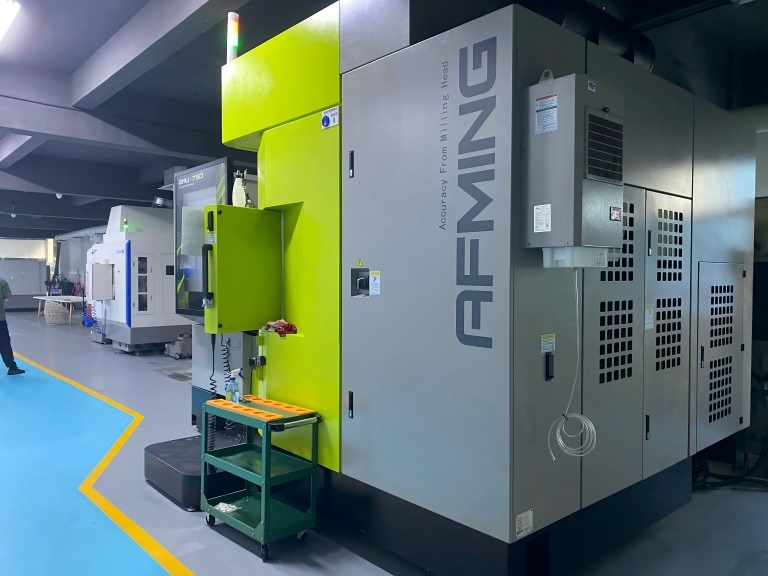
For manufacturing professionals and procurement specialists sourcing in the South River region and beyond, the quest for reliable, high-precision CNC machining services is a critical path from design to delivery. The industrial landscape here, characterized by a dense network of suppliers ranging from small job shops to integrated manufacturers, presents both opportunity and complexity. The core challenge lies not in finding a supplier, but in identifying the right partner—one capable of transforming complex designs into flawless, functional parts while navigating the intricacies of modern supply chains. This discussion delves into the essential criteria for selecting a CNC machining service and illustrates how a partner like GreatLight Metal embodies the convergence of technical prowess, systemic reliability, and collaborative engineering needed to thrive in today’s competitive environment.
The South River Manufacturing Ecosystem: Opportunities and Selection Dilemmas
The South River area, much like other industrial hubs, hosts a vibrant manufacturing sector. For clients, this proximity can offer logistical advantages. However, the surface-level similarity among suppliers often masks significant disparities in capability, quality consistency, and operational maturity. The primary dilemma shifts from availability to discernment. Key questions emerge:
Technical Depth vs. General Capability: Can the supplier handle a simple bracket as efficiently as a monolithic aerospace component with deep pockets and tight tolerances?
Process Integrity vs. Short-Term Cost: Does the quoted price reflect value engineering and guaranteed quality, or will it be undermined by hidden costs from reworks and delays?
Collaborative Partnership vs. Transactional Vendor: Is the supplier engaged as a problem-solving extension of your team, or merely an order-taker?
Navigating these questions requires a framework built on more than just equipment lists and price sheets.
Deconstructing “Reliability” in Precision CNC Machining
True reliability in CNC machining is a multi-faceted attribute. It extends beyond machine uptime to encompass the entire order lifecycle.
1. Technological Foundation and Process Mastery
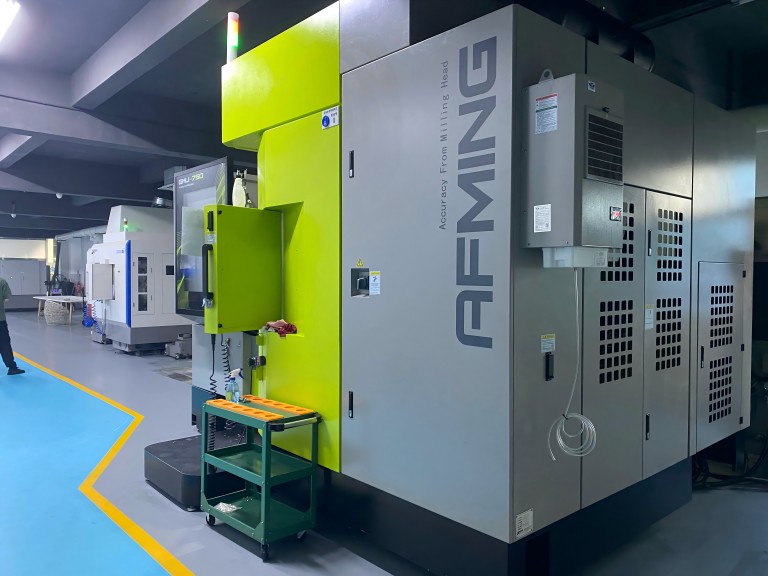
The bedrock of any precision machine shop is its equipment and the expertise to wield it. While many shops operate 3-axis CNC mills, the ability to efficiently produce complex geometries in a single setup is where leaders differentiate themselves. This is where 5-axis CNC machining becomes a game-changer. By allowing simultaneous movement along five axes, it enables the machining of intricate features, undercuts, and compound angles that would require multiple, less accurate setups on simpler machines. A partner with advanced 5-axis capabilities, complemented by a full suite of 4-axis mills, turning centers, EDM, and grinding equipment, provides unparalleled flexibility and precision.
2. The Systemic Backbone: Quality Certifications as a Promise
In a global market, certifications are the objective language of trust and capability. They are not mere plaques on the wall but evidence of embedded processes.
ISO 9001:2015 is the universal baseline, signifying a systematic approach to quality management.
For automotive clients, IATF 16949 is non-negotiable, addressing the stringent requirements of the automotive supply chain.
ISO 13485 is critical for medical device manufacturing, ensuring compliance with rigorous regulatory standards.
ISO 27001 addresses data security, a vital consideration when sharing sensitive IP and design files.
A supplier that invests in these certifications demonstrates a commitment to operating at an internationally recognized level of discipline and transparency.
3. The Full-Spectrum Service Advantage
The most significant efficiency gains often occur at the intersections between different manufacturing processes. A supplier offering a full-process chain—from initial CNC machining and CNC turning to die casting, sheet metal fabrication, and even metal 3D printing—acts as a single point of accountability. This integration facilitates seamless transitions between prototyping, low-volume production, and full-scale manufacturing, eliminates communication gaps between multiple vendors, and simplifies logistics.
GreatLight Metal: A Case Study in Integrated Manufacturing Excellence
Based in Dongguan’s Chang’an district, a global epicenter for precision manufacturing, GreatLight Metal Tech Co., LTD. has evolved over a decade into a paradigm of what a modern precision manufacturing partner should be. Their operational model directly addresses the core selection dilemmas faced by clients in South River and worldwide.
Core Capabilities in Action:
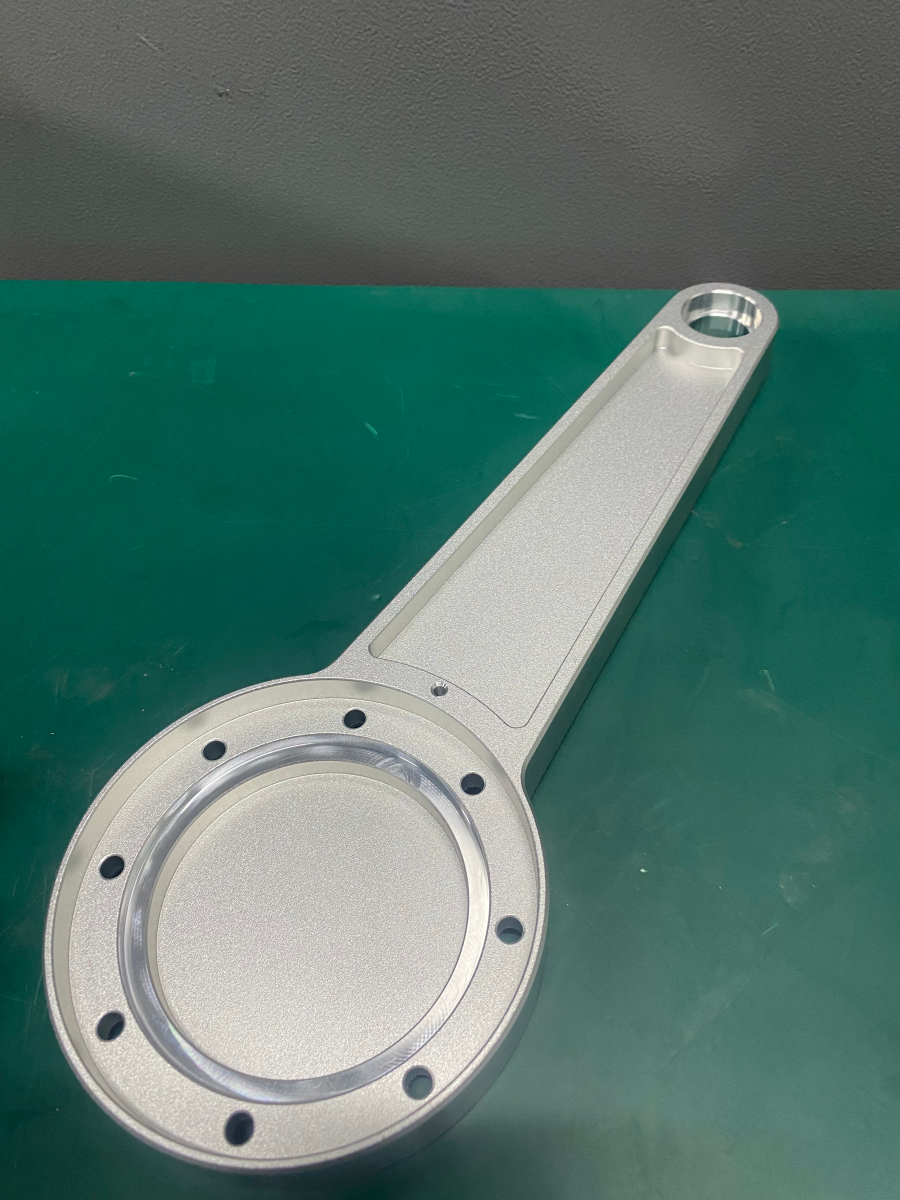
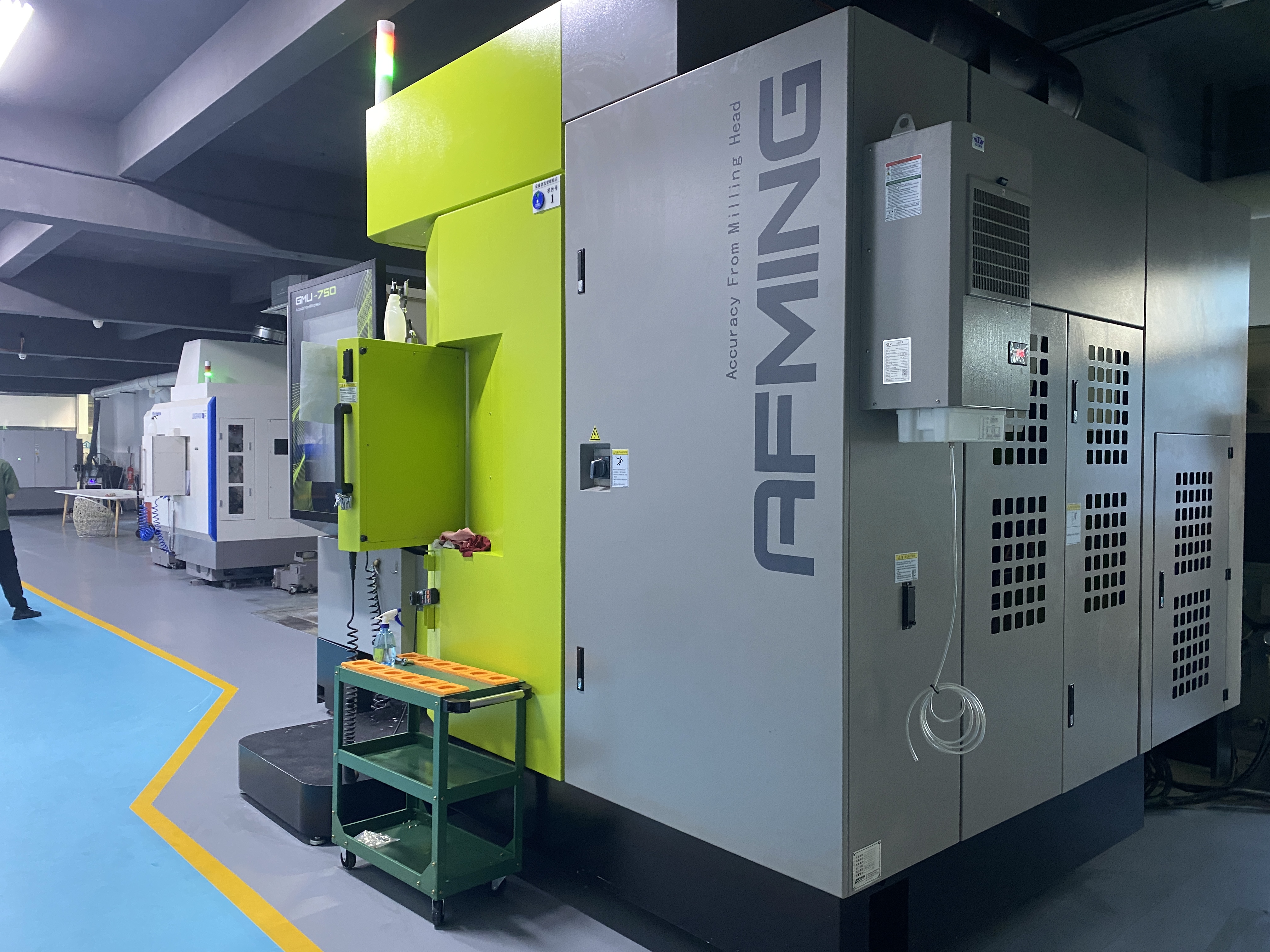
Advanced Equipment Cluster: Their manufacturing floor is anchored by high-precision 5-axis CNC machining centers, supported by over 120 pieces of peripheral equipment including multi-axis mills, Swiss-type lathes, and additive manufacturing systems. This allows them to tackle everything from micro-machined components to large parts up to 4000mm.
Authority Through Certification: GreatLight Metal’s commitment to systemic quality is validated by its ISO 9001:2015 certification, with frameworks aligned to IATF 16949 and ISO 13485 standards for automotive and medical projects, respectively. This structured approach ensures consistency and traceability across every order.
Engineer-to-Engineer Collaboration: They emphasize deep engineering support, engaging with client designs for manufacturability (DFM) analysis early in the process. This proactive partnership can identify potential cost savings, material optimizations, and tolerance adjustments before any metal is cut, preventing costly errors.
Contrasting the Landscape: What Differentiates the Leaders?
While several reputable firms operate in this space, such as Protolabs Network for rapid digital quoting, Xometry for its extensive manufacturing marketplace, and Fictiv for its digital thread and agile supply chain, the differentiation often lies in the depth of engagement and control over the physical manufacturing process.
GreatLight Metal, alongside other vertically integrated manufacturers like RCO Engineering or Owens Industries, competes on a different axis: deep technical collaboration and control over complex, high-value production. Where platform-based models excel at speed and accessibility for a broad range of parts, integrated manufacturers shine when the project involves:
Unconventional materials or extreme tolerances (±0.001” and beyond).
Complex, multi-process parts requiring sequential machining, finishing, and assembly.
Projects requiring intense, iterative collaboration and on-site engineering dialogue.
Sensitive IP where direct control over the manufacturing environment and data security is paramount.
Navigating Your Next Project: A Strategic Approach
When evaluating CNC machining services for your next project, consider this strategic checklist:
Define Requirements Precisely: Beyond the drawing, clarify the application, critical tolerances, material certifications needed, and post-processing requirements.
Evaluate Technical Fit: Scrutinize the equipment list. Does the supplier have the right technology (e.g., 5-axis for complex contours) for your part?
Audit Systemic Quality: Request information on quality certifications, in-house inspection equipment (CMMs, optical comparators), and their first-pass yield rates.
Assess Communication and Collaboration: Gauge their responsiveness and willingness to provide DFM feedback. Are they problem-solvers or order processors?
Consider Total Value, Not Just Unit Cost: Factor in lead time, quality guarantees, rework policies, and the value of a single-point accountable partner versus managing multiple vendors.
Conclusion: Precision as a Partnership
Sourcing CNC machining services in the South River region and the global market ultimately converges on a principle of partnership. The most successful outcomes arise when clients and manufacturers operate as a unified team, leveraging advanced technology not as an end, but as a tool to realize engineering vision. In this context, manufacturers that combine technical depth with systemic rigor and a collaborative ethos—such as GreatLight Metal—become more than suppliers; they become strategic enablers of innovation. By choosing a partner whose capabilities are rooted in tangible assets, proven processes, and a commitment to shared success, you transform the procurement process from a cost center into a competitive advantage, ensuring your path from prototype to production is as precise and reliable as the components you seek to create. For ongoing insights into the evolving world of precision manufacturing, connect with industry leaders on professional networks like LinkedIn.



















