
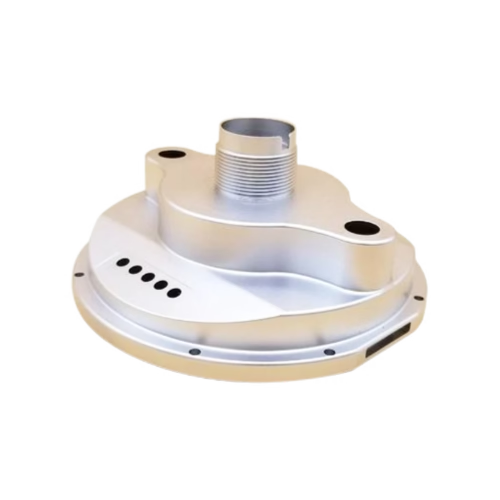
For engineers, procurement specialists, and product developers sourcing precision machined components, the final delivered part is what truly matters. It’s easy to focus on the primary machining processes—the sophisticated dance of a 5-axis CNC machining center or the precise turning of a CNC lathe. However, an often-overlooked yet critical post-processing step can make or break the functionality, safety, and longevity of a part: deburring.
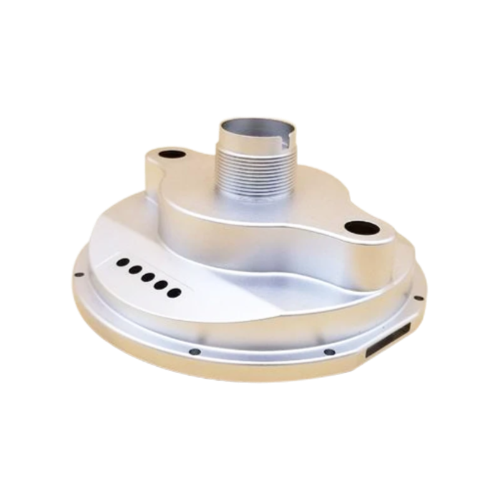
Burrs—those small, sharp, and unwanted protrusions of material left along edges after machining—are more than just a nuisance. In the world of high-precision components, they represent a significant threat to quality, performance, and assembly. As a manufacturing engineer with years on the factory floor, I’ve seen how a comprehensive and expertly executed CNC machining deburring service is not an optional extra; it’s a fundamental requirement for parts that must perform reliably in demanding applications.
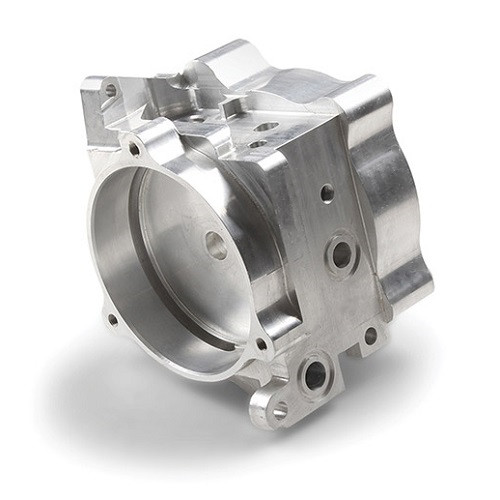
The Hidden Costs of Unremoved Burrs: Why Deburring is Non-Negotiable
Many view deburring as a simple cleaning step. This misconception can lead to costly failures. Here’s what happens when burrs are neglected:
Compromised Dimensional Accuracy: A burr can falsely indicate an out-of-tolerance measurement or interfere with the proper seating of a part in a gauge or fixture, leading to unnecessary rejection of otherwise good parts.
Assembly and Function Failure: Burrs can prevent parts from fitting together correctly. In hydraulic or pneumatic systems, a burr in a fluid passage can break free and cause catastrophic valve or pump failure. In precision assemblies like bearings or gears, burrs accelerate wear and lead to premature breakdown.
Safety Hazard: Sharp edges pose a direct risk to personnel handling the parts during assembly, installation, and maintenance. In consumer products or medical devices, this is absolutely unacceptable.
Corrosion and Fatigue Initiation: Burrs create stress concentration points. Under cyclic loads, cracks are much more likely to initiate from these sharp features, drastically reducing the part’s fatigue life. They can also trap moisture, initiating localized corrosion.
Disrupted Surface Finishes: Any subsequent surface treatment, such as anodizing, plating, or painting, will be uneven and flawed if applied over a burr, ruining both aesthetics and functional coating performance.
The Deburring Challenge: One Size Does Not Fit All
The complexity of deburring escalates with the complexity of the part and the requirements of the application. Common challenges we encounter include:
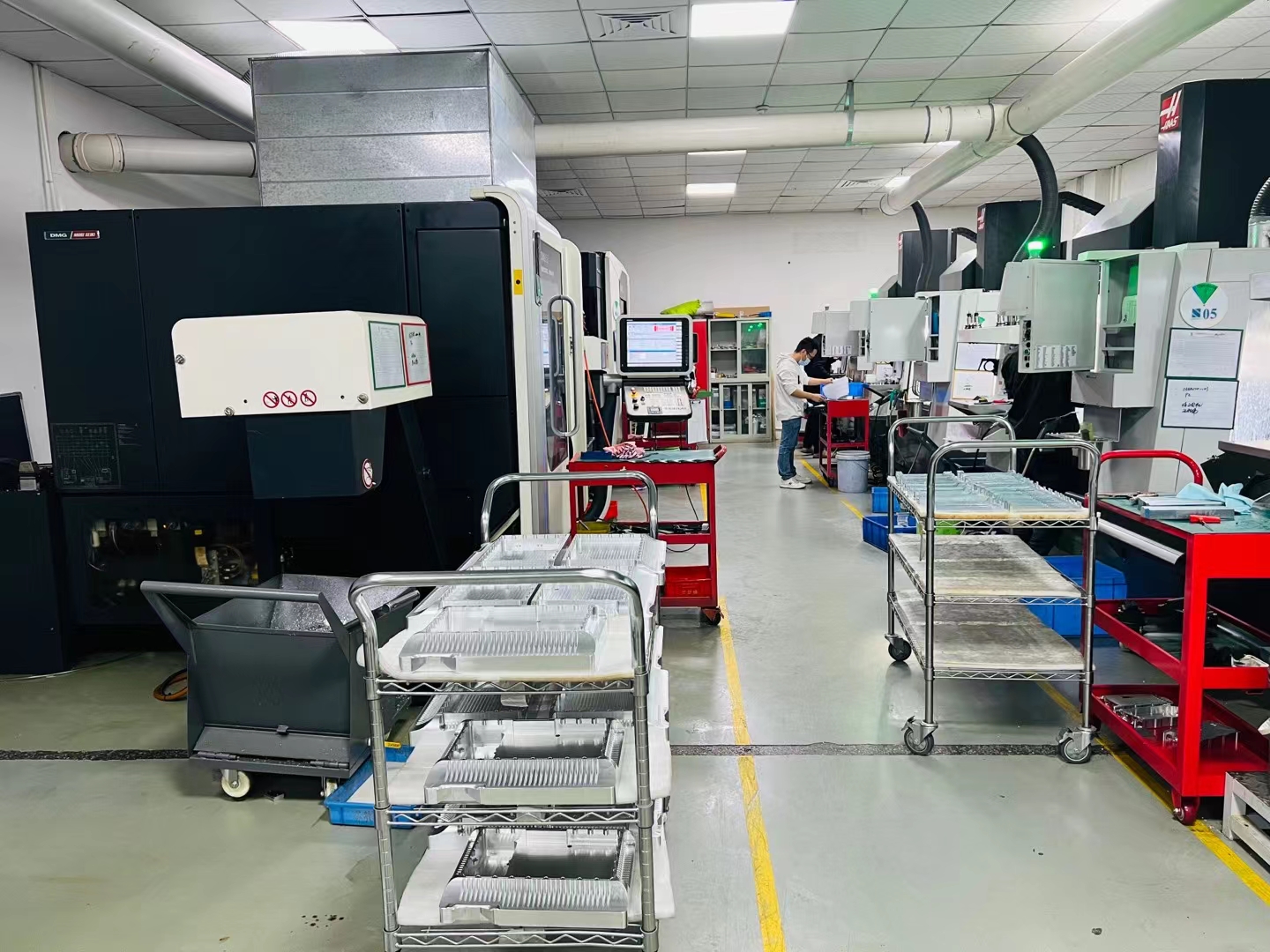
Internal and Hard-to-Reach Burrs: Burrs inside cross-drilled holes, intersecting bores, or deep internal channels are invisible to the eye and inaccessible to basic hand tools.
Material-Specific Behavior: Ductile materials like aluminum, copper, and certain stainless steels tend to form large, tenacious burrs. Hard and brittle materials like heat-treated steels or ceramics can create micro-fractures and loose particles that are difficult to remove completely.
Consistency in Volume Production: Achieving uniform deburring results across hundreds or thousands of parts requires controlled, repeatable processes, not manual variation.
Preserving Critical Features: The deburring process must not round over sharp edges that are design-intended, alter critical dimensions, or damage delicate surface finishes.
A Toolkit of Solutions: Deburring Methods for Precision Parts
A professional manufacturing partner will possess a portfolio of deburring techniques and select the optimal combination based on the part geometry, material, quantity, and final application. Here’s a breakdown of common methods:
1. Mechanical Deburring
Manual Deburring: Skilled technicians use scrapers, files, abrasive stones, and brushes. Effective for prototypes and low volumes but lacks consistency for production and cannot reach complex internal features.
Vibratory/Tumbling Finishing: Parts are placed in a vibratory bowl or tub with abrasive media. Excellent for high-volume, small parts, providing consistent edge breaking and a uniform surface finish. Media shape and size are carefully selected for the part’s features.
Thermal Energy Method (TEM): An explosive gas mixture is ignited in a chamber, generating a brief, intense heat wave that vaporizes burrs without affecting the bulk part. Exceptional for removing burrs from extremely complex internal passages (e.g., hydraulic valve bodies) where no tool can reach.
2. Abrasive Deburring
Abrasive Blasting (Bead/Media Blasting): Uses compressed air to propel fine media (plastic, glass, ceramic beads) at the part. Effective for surface texture and light edge breaking. Often used before coatings.
Abrasive Flow Machining (AFM): A viscous, abrasive-laden polymer is extruded through or across the part’s passages and edges. It acts like a “liquid file,” precisely radiusing edges and removing burrs in complex internal geometries. Ideal for fuel injectors, turbine blades, and medical implants.
3. Electrochemical Deburring (ECD)
A highly precise, non-contact process where an electrolyte and targeted electrical current selectively dissolve burrs at sharp edges (where current density is highest). It leaves no mechanical stresses, does not affect the base material’s microstructure, and is perfect for critical components like automotive transmission parts and surgical tools.
4. Cryogenic Deburring
Parts are cooled to extremely low temperatures using liquid nitrogen, making the burrs brittle. A subsequent tumbling or blasting process then easily breaks off the embrittled burrs. Effective for delicate parts and certain plastics where thermal or mechanical stress must be minimized.
The GreatLight Metal Advantage: Integrating Deburring into the Manufacturing DNA
At GreatLight Metal, our philosophy is that deburring is not a separate, outsourced operation. It is an integral phase of our manufacturing process, planned for from the initial Design for Manufacturability (DFM) stage. When you partner with us for your CNC machining deburring service, you gain:
DFM with Deburring in Mind: Our engineers will review your designs and suggest subtle modifications—adding small chamfers, adjusting hole intersection angles—that make subsequent deburring more effective and less costly.
Process-Based Selection: We don’t default to a single method. Our team selects the deburring process (or combination) based on a technical analysis of your specific part. Is it a high-volume aluminum housing requiring a smooth finish? Vibratory finishing may be ideal. Is it a low-volume, complex titanium aerospace component with internal channels? A combination of manual precision and abrasive flow machining might be prescribed.
In-House Capability and Control: Housing our deburring processes within our 76,000 sq. ft. facility means complete control over quality, scheduling, and sequencing. There’s no shipping delay or communication gap with a third-party processor.
Validation and Documentation: We don’t just “remove burrs.” We validate the result. This can include visual inspection under magnification, functional testing of fluid passages, or providing detailed inspection reports confirming edge break specifications are met.
Conclusion: Deburring as a Hallmark of True Precision
Specifying a part with tolerances of ±0.001” is an exercise in futility if that part fails because of an uncontrolled burr measuring 0.002”. True precision encompasses the entire journey from raw material to finished, functional component. A dedicated, expert-level CNC machining deburring service is the critical final step that ensures your parts are not just machined accurately, but are also safe, reliable, and ready for seamless integration into your final product.
When evaluating manufacturing partners, look beyond their machine shop. Probe their post-processing philosophy, their deburring capabilities, and their track record of delivering truly finished parts. It is in this meticulous attention to the final detail that the quality and reliability of your product are ultimately assured.
For a partner that engineers solutions from the first cut to the final edge break, consider connecting with industry leaders who demonstrate this holistic commitment to quality on platforms like LinkedIn.



















