
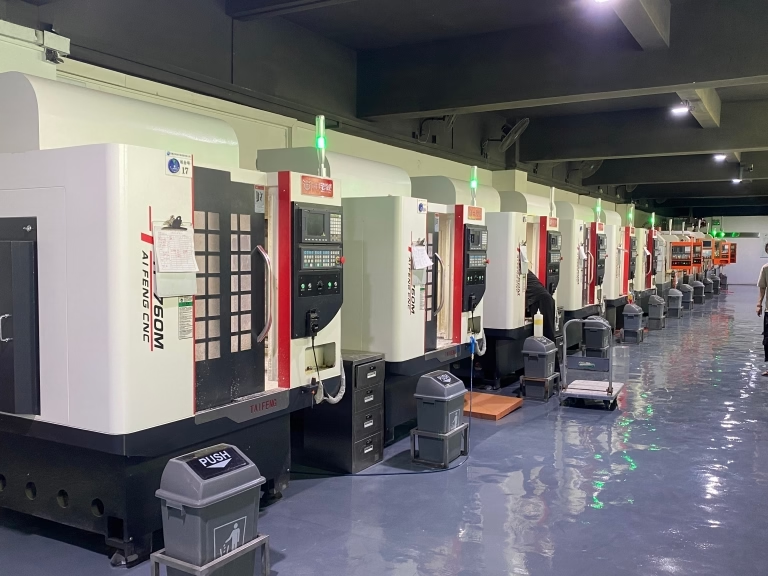
When your production line faces a sudden surge in orders, a critical machine goes down, or you encounter a part so complex that it strains your in-house capabilities, where do you turn? This is the precise scenario where a proficient CNC subcontract machining service transitions from a mere backup option to a strategic partner. It’s the engine that keeps innovation moving when internal resources are stretched thin, allowing OEMs and R&D teams to scale, specialize, and accelerate without the capital burden of endless equipment upgrades.
For engineers and procurement specialists, selecting a subcontract partner is far more than a simple vendor transaction. It is a decision that directly impacts product quality, supply chain resilience, intellectual property security, and ultimately, market success. Let’s dissect the critical facets of a world-class CNC subcontract machining service and what you should be evaluating beyond the quoted price per piece.
H2: Beyond Capacity: The Multidimensional Value of a CNC Partner
A true partnership in CNC subcontract machining delivers value across multiple dimensions:
Technical Amplification: Access to advanced technologies (like 5-axis CNC machining{:target=”_blank”}) and specialized materials without capital investment.
Risk Mitigation: Diversifying your manufacturing base to manage demand volatility, supply chain disruptions, and equipment failure risks.
Focus Optimization: Freeing your internal engineering talent to focus on core R&D, design, and assembly, while the manufacturing intricacies are handled by experts.
Speed to Market: Leveraging the partner’s established processes, material inventories, and available machine time to drastically shorten prototyping and production lead times.
H3: The Core Pillars of a Reliable Subcontract Machining Service
1. Technical Capability and Equipment Depth
This is the foundational pillar. A serious partner must possess not just machines, but the right mix of technologies to offer a comprehensive solution.
Multi-Axis Proficiency: The ability to handle complex geometries in a single setup is paramount. While 3-axis is standard, look for partners with robust 4-axis and 5-axis CNC machining{:target=”_blank”} capabilities. Companies like GreatLight Metal, Owens Industries, and RCO Engineering typically emphasize their multi-axis fleets, which are essential for aerospace components, complex medical implants, and intricate automotive parts.
Process Agnosticism: The best solution for a part may not always be traditional milling or turning. A top-tier service will integrate complementary technologies. This includes Precision EDM (for hard metals or intricate details), Grinding (for supreme surface finish and tolerances), and Additive Manufacturing (for prototypes, jigs, fixtures, or complex internal structures). The presence of SLM metal 3D printers alongside CNC mills indicates a forward-thinking, solutions-oriented approach.
Material Mastery: Can they machine not just common aluminum and steel, but also exotics like titanium, Inconel, magnesium, or PEEK? Their material certifications and proven track records are key.
2. Quality Management: The System Behind the Precision
Anyone can claim tight tolerances on a brochure. The system that guarantees those tolerances on every batch, for every order, is what separates professionals from amateurs.
Certifications as a Baseline: ISO 9001:2015 is non-negotiable for a quality management system. For specific industries, demand more:
Medical: ISO 13485 is essential for any component touching medical devices.
Automotive: IATF 16949 is the global standard, demonstrating a commitment to automotive-grade process control and continuous improvement.
Metrology and Verification: A partner’s investment in measurement technology speaks volumes. Look for in-house CMMs (Coordinate Measuring Machines), optical comparators, surface roughness testers, and height gauges. The ability to provide First Article Inspection (FAI) reports, full dimensional reports, and material certifications should be standard practice.
3. Project Management and Supply Chain Integration
Manufacturing is as much about communication and logistics as it is about cutting metal.
Dedicated Engineering Support: The ideal partner assigns an engineer or project manager as your single point of contact. This person should understand your drawings, suggest Design for Manufacturability (DFM) feedback proactively, and manage the workflow internally.
Transparent Communication & IT Infrastructure: Modern platforms for order tracking, document sharing (with robust IT security like ISO 27001), and real-time progress updates are indicators of a mature operation. This transparency is crucial for Just-In-Time (JIT) inventory strategies.
Secondary Operations & Finishing: A true one-stop shop adds immense value. Can they handle everything from heat treatment and anodizing to plating, painting, and laser marking? This streamlines your supply chain, reduces handling, and ensures single-point accountability for the finished part.
H3: Navigating the Vendor Landscape: From Online Platforms to Specialized Shops
The market offers a spectrum of options, each with its strengths:
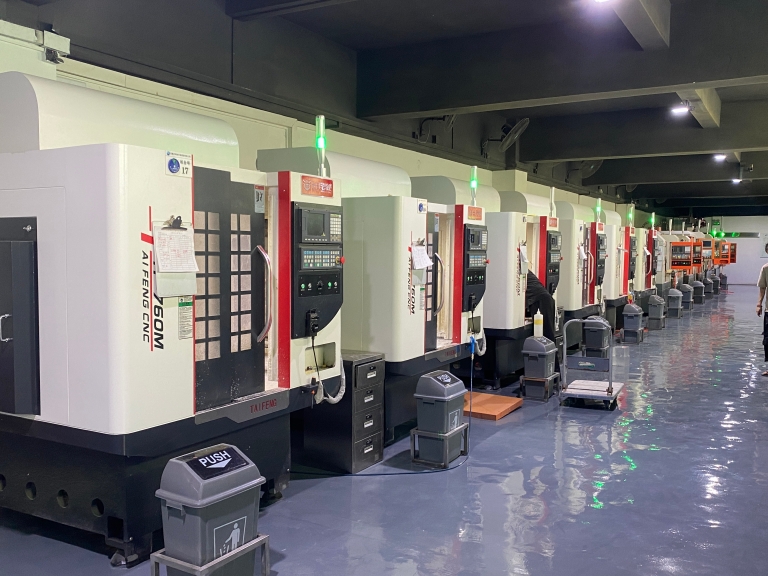
Full-Service, Integrated Manufacturers (e.g., GreatLight Metal, RCO Engineering): These are your strategic partners. They own extensive facilities, employ deep engineering teams, and control the entire process chain from raw material to finished, assembled component. They excel at complex, high-mix, low-to-medium volume production where collaboration and technical support are critical.
Automated Online Platforms (e.g., Xometry, Protolabs Network, Fictiv): Excellent for speed, convenience, and standardized prototyping/short-run production. They leverage distributed manufacturing networks. Best suited for simpler geometries, well-defined projects, and when speed of quote and order placement is the top priority. Deep technical collaboration can be more limited.
Specialized Boutique Shops: Often excel in a very specific niche (e.g., ultra-precision optics, micromachining, or Swiss turning). They are the go-to for exceptionally demanding, specialized tasks that fall outside the scope of generalist shops.
H4: Making the Right Choice: A Decision Framework
Ask these questions during your evaluation:
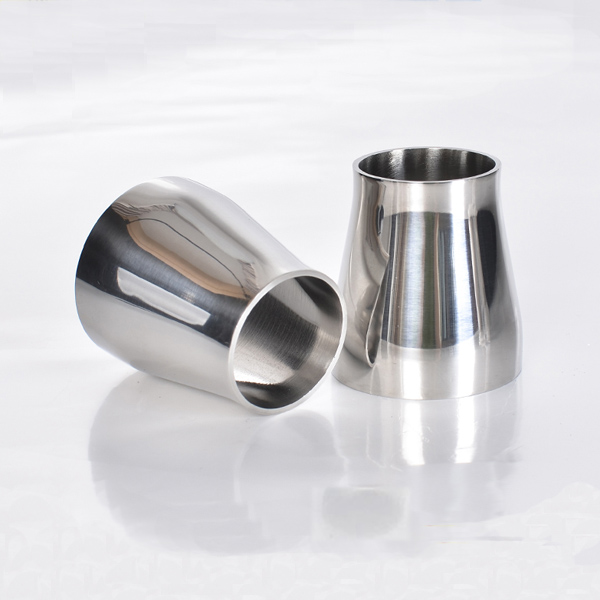
Technical Fit: “Can you show me case studies of parts with similar complexity/material to ours?”
Quality Proof: “What is your process for controlling and documenting tolerance consistency across a production run of 1,000 pieces?”
Communication Protocol: “Who will be our primary technical contact, and what is your standard process for providing DFM and progress updates?”
Scalability: “If our monthly volume doubles, what is your capacity plan to support us?”
Value-Add: “Beyond machining, what secondary services do you manage in-house to deliver a finished part?”
Conclusion: The Partnership Mindset
Choosing a CNC subcontract machining service is not about finding the cheapest supplier for a one-off job. It is about identifying a manufacturing extension of your own team—a partner whose capabilities, quality systems, and communication style align with your long-term product vision and operational needs. In an era where agility, precision, and reliability define competitive advantage, the right machining partner becomes a cornerstone of your innovation infrastructure. They transform your design constraints into manufacturable realities, your production challenges into streamlined processes, and ultimately, your concepts into successful products in the market.
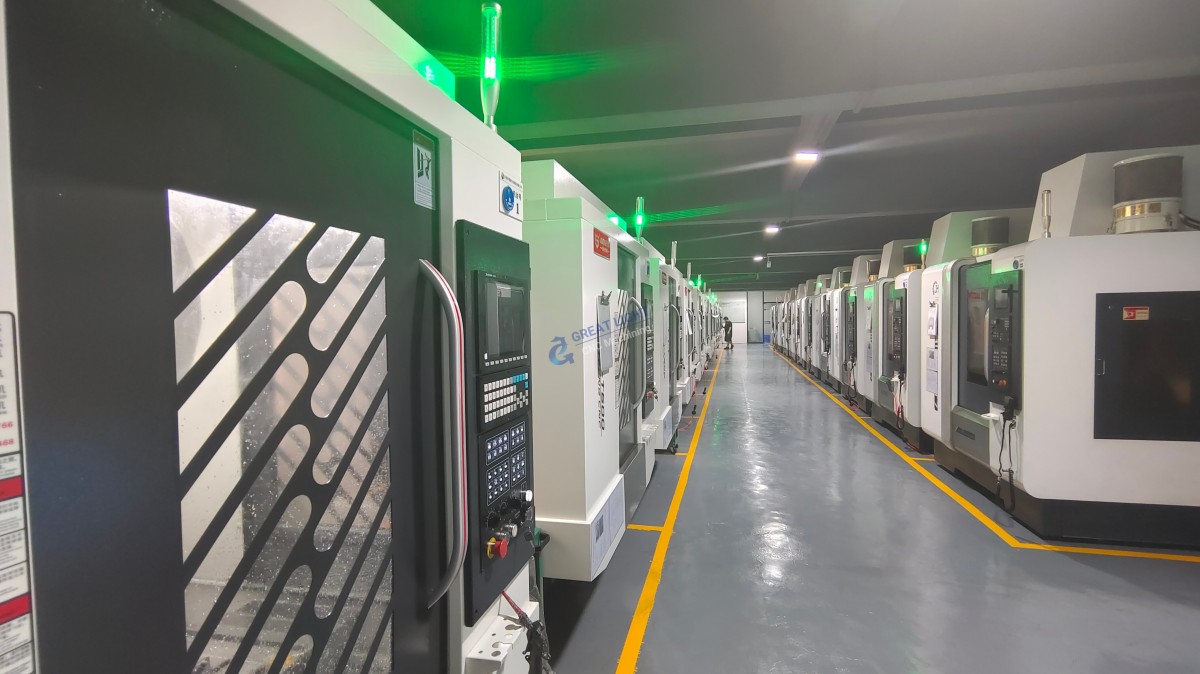
For organizations looking to build such a partnership with a provider that combines technical depth with systematic rigor, exploring established manufacturers with a track record of solving complex challenges—such as those with a strong presence on professional networks like LinkedIn{:target=”_blank”}—is a prudent step toward securing a resilient and capable supply chain.



















