
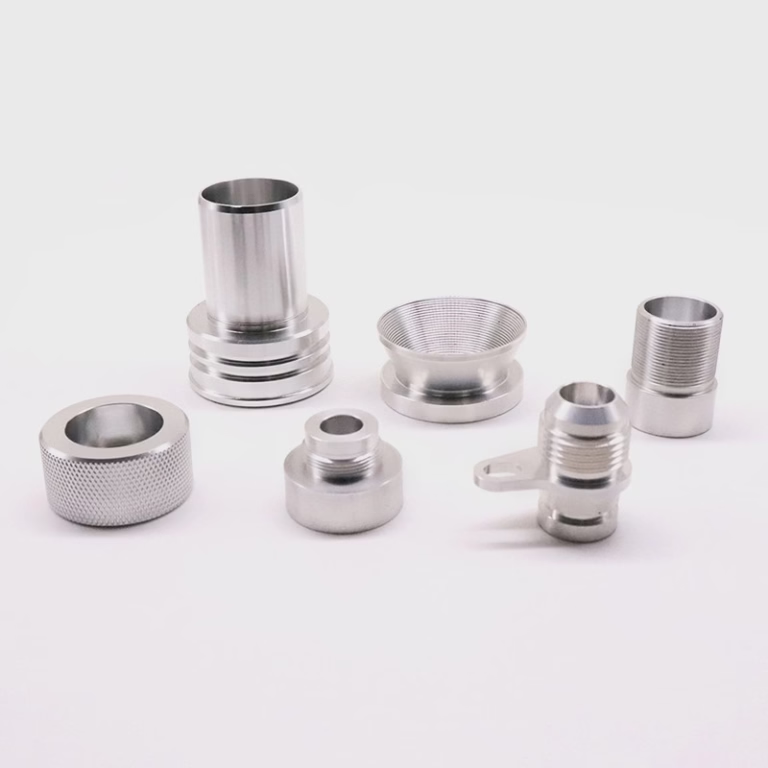
In today’s manufacturing industry, CNC milling machines play a crucial role in precision parts machining and customization. Selecting the right CNC milling machine can significantly impact the quality, efficiency, and cost of your production. So, how do you choose the right one? Let’s take a closer look.
Understanding Your Needs
Before you start looking for a CNC milling machine, it’s essential to have a clear understanding of your specific needs. This includes the type of materials you’ll be machining, the size and complexity of the parts, the required precision, and the production volume.
Materials: Different materials have different machining requirements. For example, machining metals like aluminum, steel, or titanium requires a machine with sufficient power and rigidity. On the other hand, machining plastics or wood may require a machine with different cutting tools and speeds.
Part Size and Complexity: The size and complexity of the parts you’ll be machining will determine the size and capabilities of the CNC milling machine you need. If you’re working on large parts, you’ll need a machine with a larger worktable and travel range. For complex parts with intricate geometries, you may need a machine with multi-axis capabilities, such as a 5-axis CNC milling machine.
Precision: Precision is a critical factor in CNC machining. Depending on your application, you may require a machine with high precision and accuracy. Look for machines that offer features like linear scales for precise positioning and high-quality ball screws for smooth and accurate movement.
Production Volume: If you’re planning to produce a large volume of parts, you’ll need a machine that can handle high-speed machining and has a high level of reliability. Consider machines with automatic tool changers and pallet changers to increase productivity.
Machine Features and Capabilities
Once you have a clear understanding of your needs, it’s time to evaluate the features and capabilities of different CNC milling machines. Here are some key features to consider:
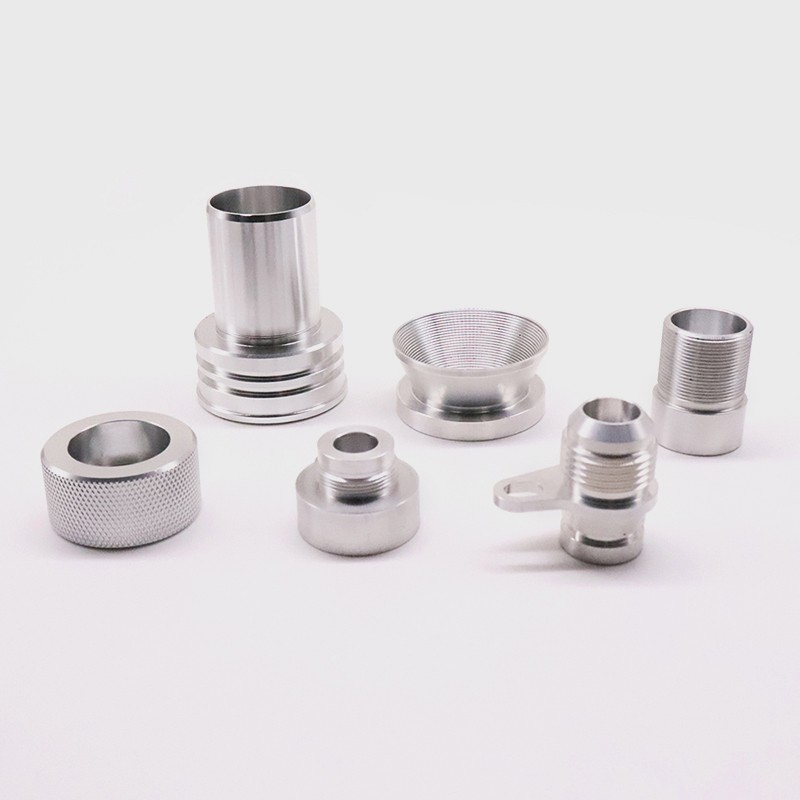
Axis Configuration: CNC milling machines can have different axis configurations, such as 3-axis, 4-axis, or 5-axis. A 3-axis machine is suitable for simple parts with flat surfaces, while a 4-axis or 5-axis machine can handle more complex parts with curved surfaces and angled features.
Spindle Speed and Power: The spindle speed and power of a CNC milling machine determine its cutting capabilities. Higher spindle speeds allow for faster machining, while more power is required for machining hard materials. Consider the spindle speed and power requirements based on the materials and parts you’ll be machining.
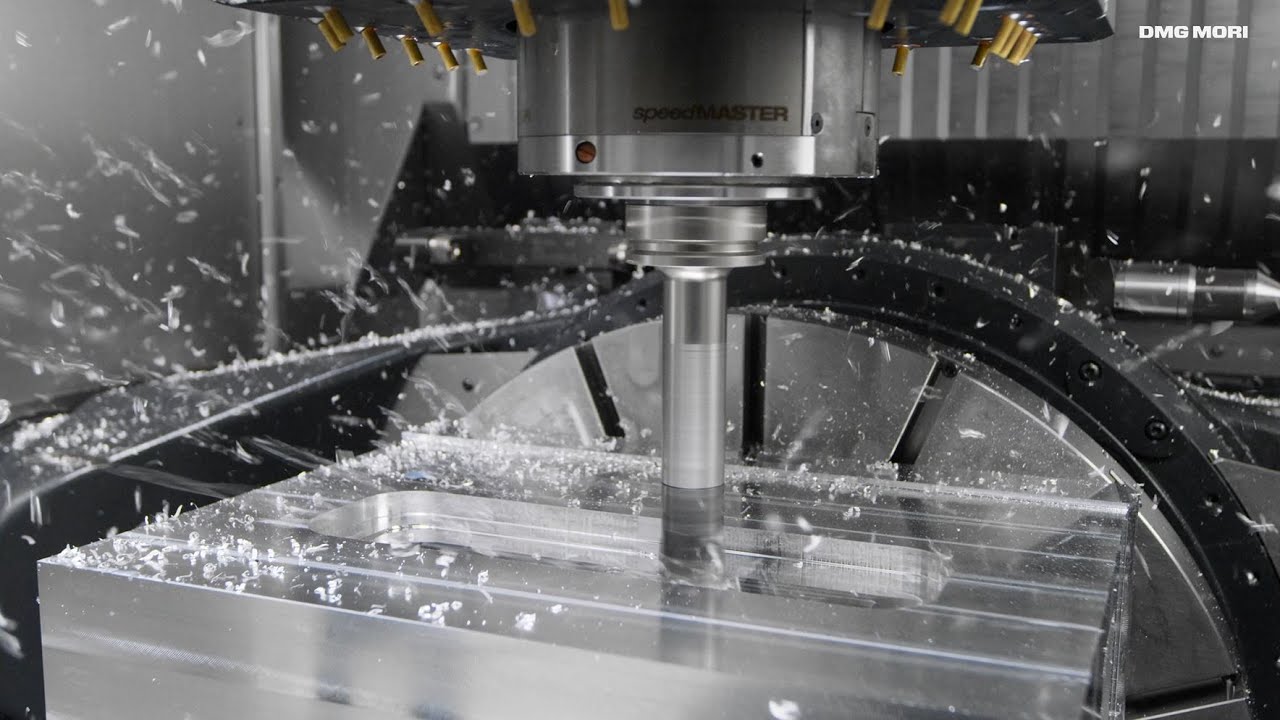
Tool Changer: An automatic tool changer allows the machine to change cutting tools automatically during the machining process, increasing productivity and reducing downtime. Look for machines with a sufficient number of tool positions and a fast tool change time.
Control System: The control system is the brain of the CNC milling machine. It controls the movement of the axes, the spindle speed, and the cutting tools. Look for machines with a user-friendly control system that offers features like conversational programming, simulation, and remote monitoring.
Accuracy and Repeatability: Accuracy and repeatability are crucial for producing high-quality parts. Look for machines that offer high accuracy and repeatability, with features like linear scales and backlash compensation.
Machine Quality and Reliability
The quality and reliability of a CNC milling machine are essential for long-term performance and productivity. Here are some factors to consider when evaluating the quality and reliability of a machine:
Build Quality: Look for machines with a robust construction and high-quality components. A well-built machine will be more stable and less prone to vibration, which can affect the accuracy of the machining.
Brand Reputation: Choose a machine from a reputable brand with a proven track record in the industry. Brands with a good reputation are more likely to offer high-quality machines and reliable after-sales support.
Warranty and Support: A good warranty and after-sales support are important for peace of mind. Look for machines that come with a comprehensive warranty and a responsive support team that can provide technical assistance and spare parts when needed.
Cost and Return on Investment
The cost of a CNC milling machine is an important consideration, but it’s not the only factor. You also need to consider the return on investment (ROI) of the machine. Here are some factors to consider when evaluating the cost and ROI of a machine:
Purchase Price: Compare the purchase prices of different machines, but also consider the features and capabilities they offer. A more expensive machine may offer better performance and productivity, which can result in a higher ROI in the long run.
Operating Costs: In addition to the purchase price, you also need to consider the operating costs of the machine, such as electricity, coolant, and cutting tools. Look for machines that are energy-efficient and have low operating costs.
Productivity and Efficiency: A machine that can increase productivity and efficiency can help you reduce production costs and increase your profit margins. Look for machines with features like high-speed machining, automatic tool changers, and pallet changers to improve productivity.
Resale Value: Consider the resale value of the machine when you’re evaluating the ROI. A machine from a reputable brand with a good resale value can help you recoup some of your investment when it’s time to upgrade or replace the machine.
GreatLight CNC Machining Factory: Your Ideal Partner
When it comes to choosing the right CNC milling machine, GreatLight CNC Machining Factory is your ideal partner. GreatLight CNC Machining Factory, also known as GreatLight Metal, is a professional five-axis CNC machining manufacturer with advanced five-axis CNC machining equipment and production technology. Here’s why you should choose GreatLight:
Comprehensive Services: GreatLight offers a wide range of services, including precision CNC machining, CNC milling, die casting, sheet metal fabrication, 3D printing, and mold manufacturing. They can provide one-stop post-processing and finishing services, making it easier for you to get your parts manufactured.
High Precision: GreatLight has many years of experience in precision prototype model processing, with high precision (capable of processing to ±0.001mm / 0.001 In and above). They can ensure that your parts meet your exact specifications.
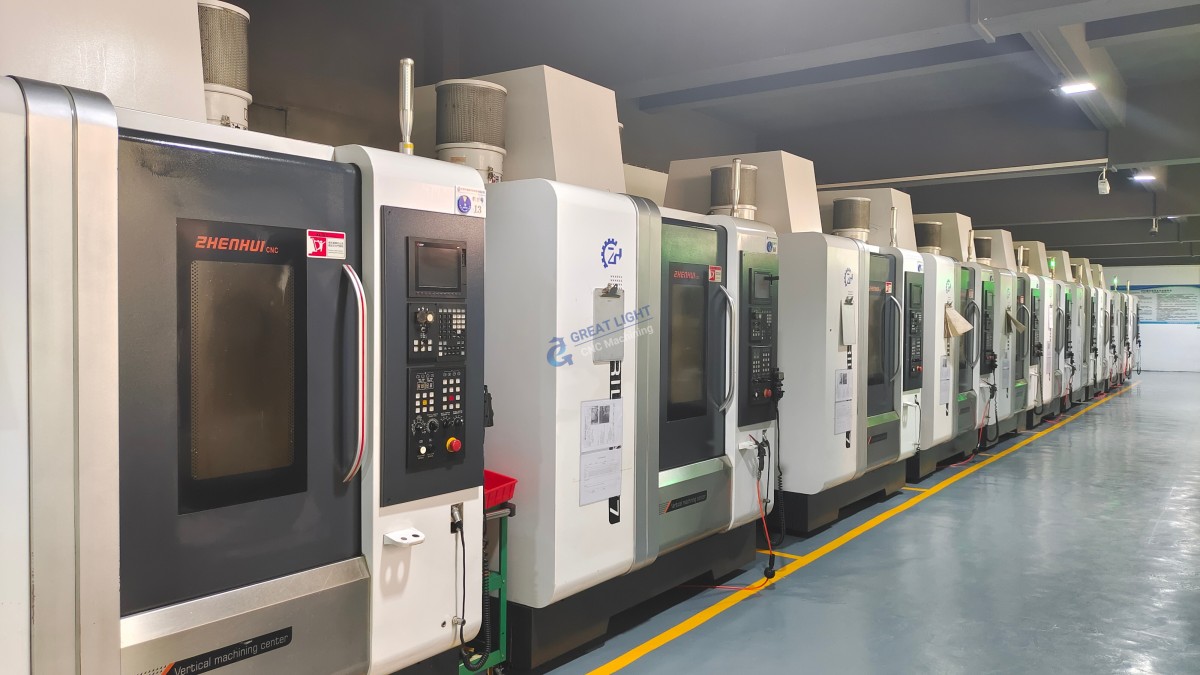
Advanced Equipment: The factory is equipped with 127 pieces of precision peripheral equipment, including large high-precision five-axis, four-axis, and three-axis CNC machining centers, lathes, milling machines, grinding machines, EDM machines, vacuum forming machines, SLM 3D printers, SLA 3D printers, and SLS 3D printers. This allows them to handle a wide range of materials and part geometries.
Quality Assurance: GreatLight strictly adheres to ISO quality standards and has obtained ISO 9001:2015 certification. They have in-house precision measurement and testing equipment to verify that all materials and parts meet your specifications. They also offer after-sales guarantee, free rework for quality problems, and a full refund if rework is still unsatisfactory.
Industry Experience: GreatLight has been in the industry for over a decade and has a deep understanding of the needs of different industries. They have successfully served clients in various fields, such as automotive, medical, high-end consumer electronics, and industrial automation.
In conclusion, choosing the right CNC milling machine requires careful consideration of your needs, the machine’s features and capabilities, its quality and reliability, and the cost and return on investment. By following the tips outlined in this article and partnering with a reputable manufacturer like GreatLight CNC Machining Factory, you can make an informed decision and choose a machine that meets your specific requirements and helps you achieve your production goals. Whether you’re a small business or a large corporation, GreatLight can provide you with the high-quality CNC machining services you need to succeed in today’s competitive manufacturing industry.
Frequently Asked Questions (FAQ)
What is the difference between a 3-axis, 4-axis, and 5-axis CNC milling machine?
A 3-axis CNC milling machine can move the cutting tool along three axes (X, Y, and Z), allowing it to machine flat surfaces and simple geometries. A 4-axis machine adds a rotational axis (usually the A-axis), which allows for machining of parts with curved surfaces and angled features. A 5-axis machine adds another rotational axis (usually the B-axis or C-axis), providing even more flexibility and the ability to machine complex parts from multiple angles without repositioning the part.
How do I determine the spindle speed and power requirements for my CNC milling machine?
The spindle speed and power requirements depend on the materials and parts you’ll be machining. Harder materials generally require lower spindle speeds and more power, while softer materials can be machined at higher spindle speeds with less power. You can consult the machine manufacturer’s specifications or a machining expert to determine the appropriate spindle speed and power for your specific application.
What is the importance of an automatic tool changer in a CNC milling machine?
An automatic tool changer allows the machine to change cutting tools automatically during the machining process, which increases productivity and reduces downtime. It eliminates the need for manual tool changes, which can be time-consuming and prone to errors. With an automatic tool changer, the machine can continue machining without interruption, resulting in faster production times and higher efficiency.
How can I ensure the accuracy and repeatability of my CNC milling machine?
To ensure accuracy and repeatability, choose a machine with high-quality components and features like linear scales for precise positioning and backlash compensation. Regular maintenance and calibration of the machine are also important. Follow the manufacturer’s recommended maintenance schedule and have the machine calibrated by a professional at regular intervals. Additionally, use high-quality cutting tools and ensure proper fixturing of the parts to minimize errors.
What kind of support can I expect from GreatLight CNC Machining Factory?
GreatLight offers comprehensive support, including pre-sales consultation to help you choose the right machine and services for your needs, technical support during the installation and operation of the machine, and after-sales service for maintenance, repair, and troubleshooting. They also provide free rework for quality problems and a full refund if rework is still unsatisfactory. You can learn more about their services and support by visiting their website or contacting their sales team. Click here to find out more about them.



















