
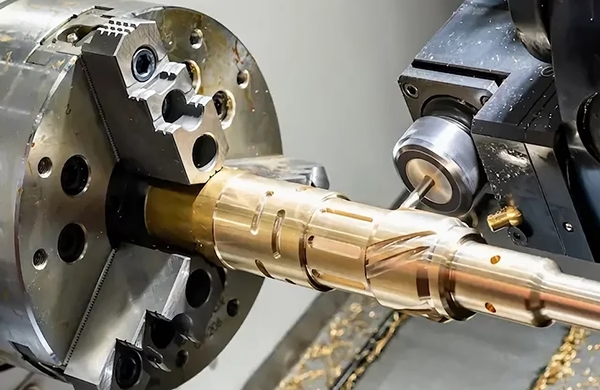
In the dynamic world of precision manufacturing, the CNC vertical milling machine stands as a fundamental pillar of modern fabrication. For clients seeking reliable, accurate, and efficient production of complex components, understanding this technology is crucial. At its core, a CNC vertical milling machine is a computer-controlled machining tool where the spindle—the rotating component that holds the cutting tool—is oriented vertically. This configuration is exceptionally effective for a vast array of machining tasks, from creating simple pockets and slots to sculpting intricate 3D contours on the top surface of a workpiece.
For partners like GreatLight Metal Tech Co., LTD., mastering and deploying advanced iterations of this technology, particularly within our integrated 5-axis CNC machining services, is what transforms a standard machine into a cornerstone of innovation, enabling us to solve the most demanding manufacturing challenges for our clients across industries.
H2: The Anatomy and Mechanics of a CNC Vertical Mill
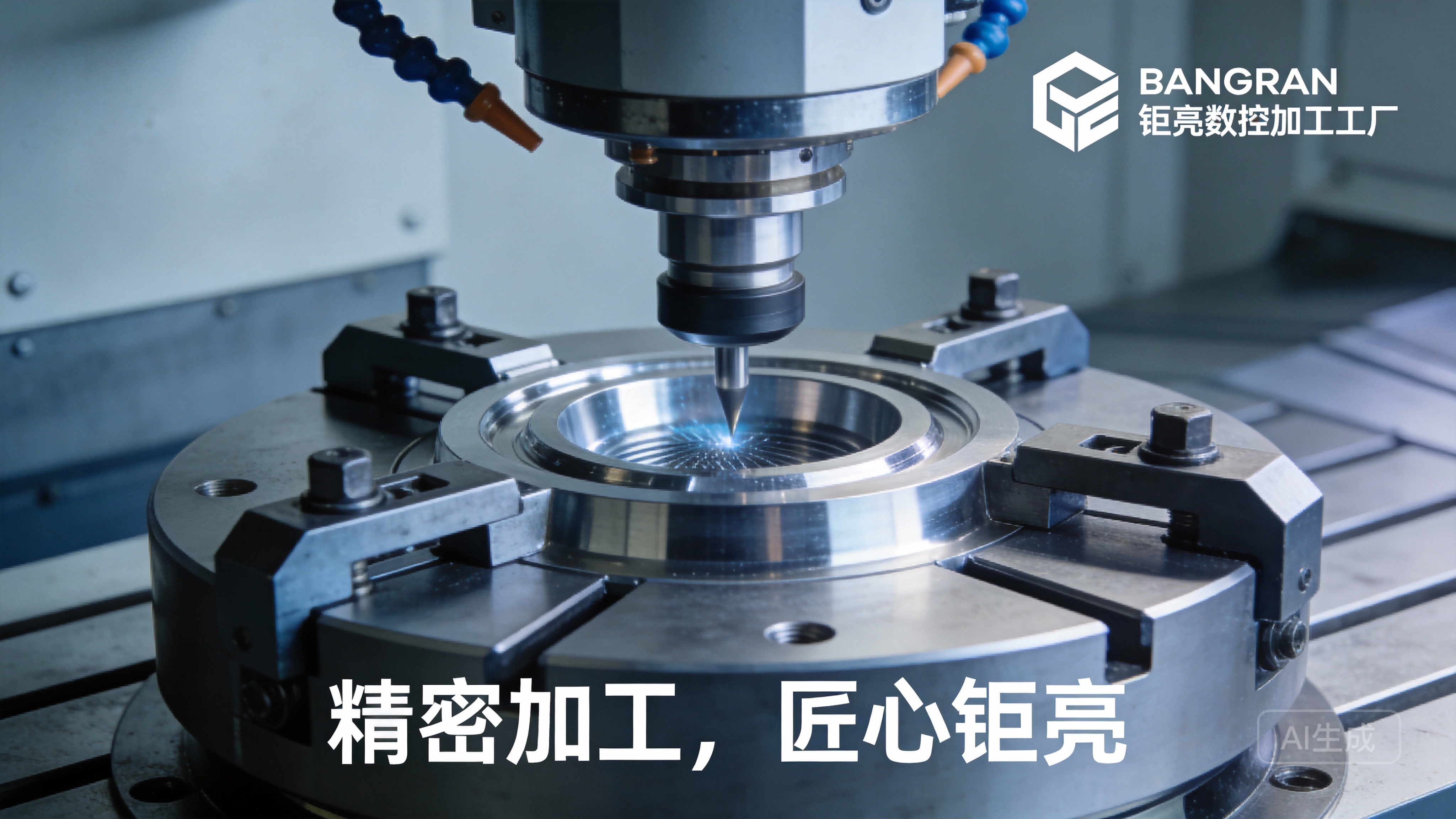
A vertical milling machine’s primary distinction is its spindle orientation. The workpiece is typically secured to a table that moves in the X (left-right) and Y (front-back) axes. The spindle, moving in the Z axis (up-down), brings the cutting tool into contact with the workpiece. Under CNC (Computer Numerical Control), these movements are dictated by pre-programmed software (G-code), ensuring extreme repeatability and accuracy.
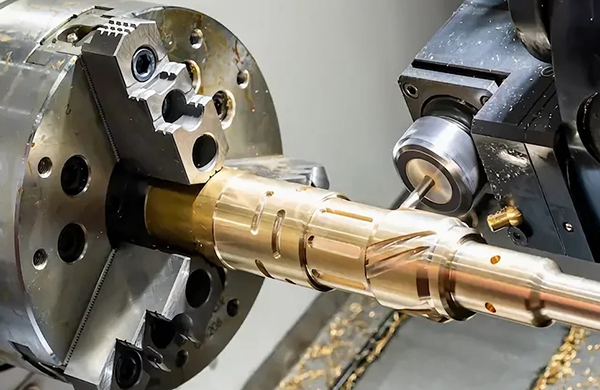
Key components include:
Vertical Spindle & Head: The power unit that drives the cutting tool. In advanced models, the head may have tilting or rotational capabilities.
CNC Controller: The “brain” that interprets digital designs and orchestrates all machine movements.
Tool Changer: An automatic magazine that allows the machine to switch between dozens of tools without manual intervention, drastically reducing idle time.
Work Table & Vise: The platform for securing the workpiece, often equipped with T-slots for clamping.
Coolant System: Essential for dissipating heat, extending tool life, and ensuring superior surface finish.
H2: Types of CNC Vertical Milling Machines and Their Evolution
While the basic vertical configuration is common, technological evolution has created specialized categories:
H3: 3-Axis Vertical Machining Centers (VMCs): The most widespread type. They perform linear movements in X, Y, and Z. Ideal for 2.5D machining (pockets, holes, profiles) and simpler 3D shapes. They form the backbone of high-volume precision part production.
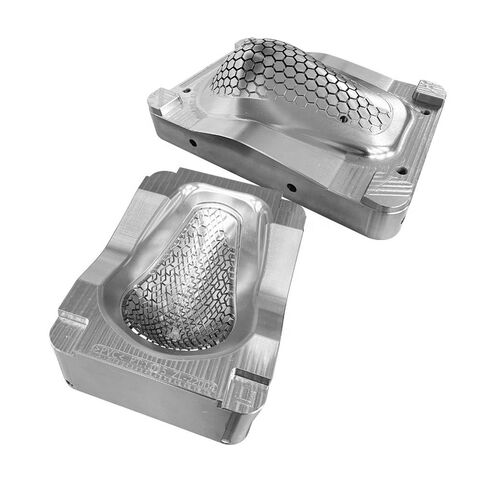
H3: 4-Axis and 5-Axis Vertical Mills: This is where capability leaps forward. By adding rotary tables (4th axis) or a tilting-rotary trunnion table (5th axis), the workpiece can be presented to the tool from virtually any angle in a single setup. This is the domain of GreatLight Metal, where our advanced 5-axis CNC machining capabilities allow us to machine incredibly complex geometries—like impellers, turbine blades, and intricate molds—with unparalleled accuracy and efficiency, eliminating multiple setups and associated errors.
H2: Critical Applications in Precision Parts Manufacturing
The versatility of CNC vertical mills makes them indispensable. Common applications include:
Face Milling: Creating a flat surface on the top of a part.
Pocketing & Cavities: Machining recessed areas into a workpiece.
Drilling & Tapping: Creating precise holes and threads.
Contouring: Machining complex 2D and 3D profiles.
Engraving & Texturing: Adding serial numbers, logos, or specific surface finishes.
For clients in sectors like aerospace, automotive, medical devices, and robotics, the ability to machine high-strength materials like titanium, stainless steel, and engineering plastics to tolerances within ±0.001″ (0.025mm) or tighter is not just a requirement—it’s a necessity. This is precisely the level of precision and material expertise that defines the service standard at GreatLight Metal.
H2: Advantages of Partnering with a Specialist for Vertical Milling Projects
Choosing a manufacturing partner with deep vertical milling expertise, like GreatLight Metal, offers tangible benefits beyond mere machine operation:
Unmatched Accuracy and Repeatability: CNC programming ensures every part in a batch is identical, critical for assembly and quality control.
Complex Geometry in a Single Setup: Especially with 5-axis capabilities, complex parts are completed faster and with higher accuracy.
Superior Surface Finishes: Advanced toolpaths, high-speed machining strategies, and proper coolant management yield exceptional finishes right off the machine.
Material Versatility: From aluminum and brass to superalloys and composites, a proficient manufacturer can optimize parameters for any material.
Integrated Post-Processing: A true partner offers a one-stop service. At GreatLight, the milling process is seamlessly integrated with finishing operations like anodizing, plating, heat treatment, or assembly, streamlining your supply chain.
H2: Conclusion: The Vertical Mill as a Launchpad for Precision Innovation
The CNC vertical milling machine is far more than just a piece of factory equipment; it is a versatile and powerful enabler of design realization. Its evolution from simple manual machines to today’s sophisticated, multi-axis, automated machining centers reflects the broader trajectory of precision manufacturing. For clients looking to translate innovative designs into tangible, high-performance parts, the choice of manufacturing partner is paramount. A partner equipped not only with advanced vertical milling technology but also with the engineering acumen, stringent quality systems (like ISO 9001:2015, IATF 16949), and full-process capabilities—as demonstrated by GreatLight Metal—can transform this fundamental technology into a competitive advantage for your projects.
H2: Frequently Asked Questions (FAQ)
H3: Q1: What is the main difference between a CNC vertical mill and a horizontal mill?
A: The primary difference is spindle orientation. A vertical mill’s spindle is oriented vertically, ideal for work on the top or side of a part. A horizontal mill’s spindle is horizontal, better suited for heavy stock removal, deep cuts, and machining multiple sides of a part using pallet changers. Many advanced manufacturers, including GreatLight Metal, utilize both to match the optimal technology to the part geometry.
H3: Q2: What tolerance can I realistically expect from a CNC vertical milling service?
A: While standard tolerances around ±0.005″ (0.127mm) are common, high-precision shops like ours routinely hold tolerances of ±0.001″ (0.025mm) or tighter for critical dimensions. Achieving this consistently depends on part size, material, geometry, and the machine’s calibration. We employ in-house CMMs and other metrology tools to verify every critical dimension.
H3: Q3: What materials can be processed using vertical CNC milling?
A: Virtually all machinable materials. This includes:
Metals: Aluminum, Steel, Stainless Steel, Titanium, Brass, Copper, Magnesium.
Plastics: ABS, POM (Delrin), Nylon, PC, PEEK, PTFE.
Composites: Certain reinforced plastics and engineered materials.
Material selection significantly impacts machining strategy, tooling, and cost.
H3: Q4: Why would my project need 5-axis capability instead of standard 3-axis milling?
A: You benefit from 5-axis machining if your part has complex contours, undercuts, or features on multiple faces that would otherwise require manual re-fixturing in a 3-axis machine. 5-axis CNC machining allows for single-setup machining, which improves accuracy (no cumulative fixture errors), reduces lead time, and enables the production of shapes that are simply impossible with 3 axes. It is a core competency for solving complex manufacturing challenges.
H3: Q5: How do I prepare for engaging a manufacturer like GreatLight Metal for a milling project?
A: Providing clear and complete information is key. Ideal preparation includes:
3D CAD Model (STEP or IGES format preferred).
2D Engineering Drawing with critical dimensions, tolerances, and surface finish callouts.
Material Specification.
Quantity and Target Timeline.
Any Applicable Industry Standards (e.g., AS9100 for aerospace, ISO 13485 for medical).
Our engineering team will then perform a DFM (Design for Manufacturability) analysis and provide a comprehensive quote and production plan. For more insights into our advanced capabilities, connect with us on LinkedIn.



















