
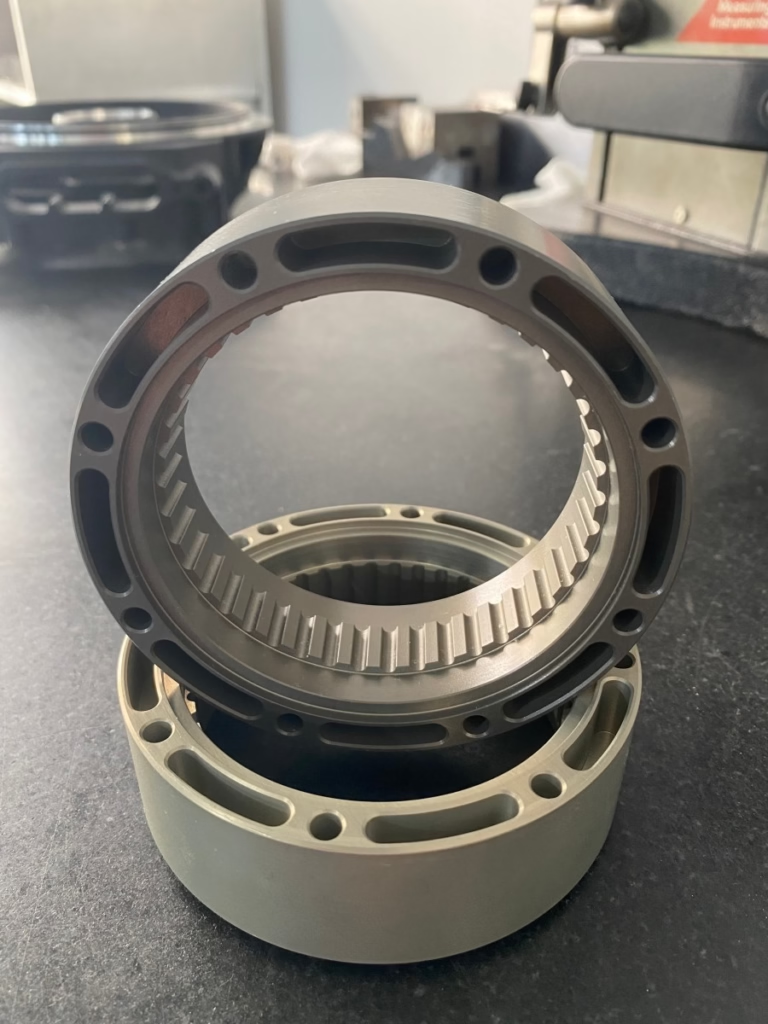
Navigating the vast landscape of Computer Numerical Control (CNC) machinery can be a daunting task for engineers, entrepreneurs, and procurement specialists alike. The question, “What kind of CNC machine do I need?” is fundamental, yet the answer is rarely simple. It hinges on a intricate balance of part geometry, material, required precision, volume, budget, and ultimately, the desired outcome. As a precision manufacturing partner, we at GreatLight Metal understand that selecting the right tool is the first critical step in transforming a design into a flawless physical component. This guide aims to demystify the selection process, providing a clear framework to identify the CNC technology that aligns perfectly with your project’s demands.
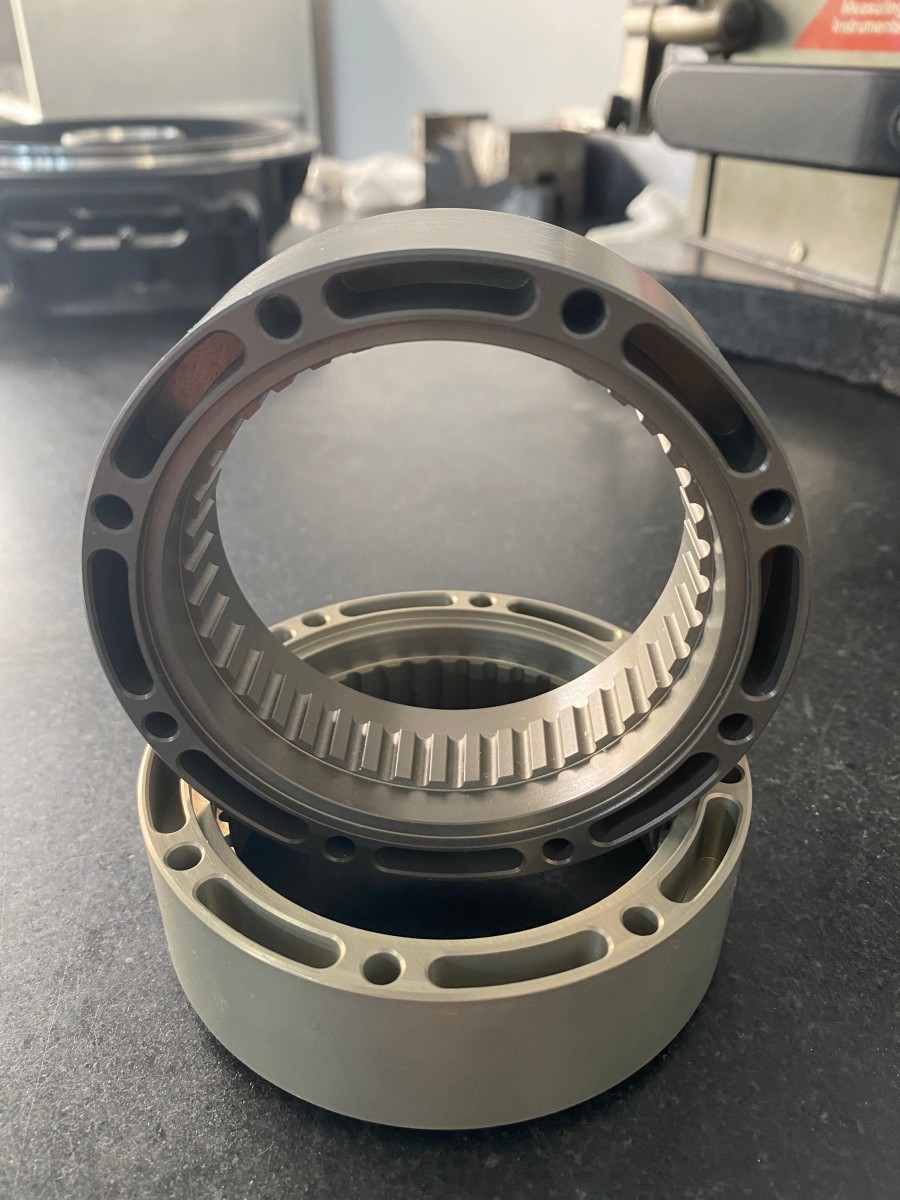
Understanding Your Machining Needs: The Foundation of Selection
Before diving into machine specifications, a thorough analysis of your own requirements is essential. Consider these key dimensions:
Part Geometry & Complexity: Is your part a simple bracket with 2.5D features, or a complex impeller, turbine blade, or medical implant with intricate, organic surfaces? The complexity directly dictates the number of axes required.
Material: Are you machining aluminum, stainless steel, titanium, high-temperature alloys, or engineering plastics? Material hardness, abrasiveness, and thermal properties determine the required machine rigidity, spindle power, and cutting tool technology.
Tolerances & Surface Finish: What are the non-negotiable precision requirements? Are we talking about ±0.1mm for a structural component or ±0.005mm for a fluid seal interface? The required surface finish (e.g., Ra 0.4µm) influences machine stability and potential need for secondary operations.
Production Volume: Is this a one-off prototype, a small batch of 50, or mass production in the thousands? Volume affects the prioritization of setup time, automation, and raw material handling.
Budget & Timeline: This encompasses not just the machine investment, but also operational costs, tooling, fixturing, and programming. Speed-to-market is often as crucial as unit cost.
The CNC Machine Spectrum: From Workhorses to Specialists
CNC technology is not monolithic. Here’s a breakdown of the primary types, their strengths, and ideal applications.
H2: 1. The Subtractive Powerhouses: CNC Mills and Lathes
These are the bedrock of precision machining, removing material from a solid block (blank) to create the final shape.
H3: 3-Axis CNC Milling Machines
What they are: The most common and versatile type. The cutting tool moves along the X, Y, and Z linear axes relative to a stationary workpiece.
Best for: Prismatic parts (cubes, plates, brackets) where features are primarily on the top and sides. Excellent for mold bases, enclosures, and components without undercuts.
Limitation: Requires multiple setups to machine all sides of a part, which can introduce alignment errors and increase time.
H3: 5-Axis CNC Machining Centers
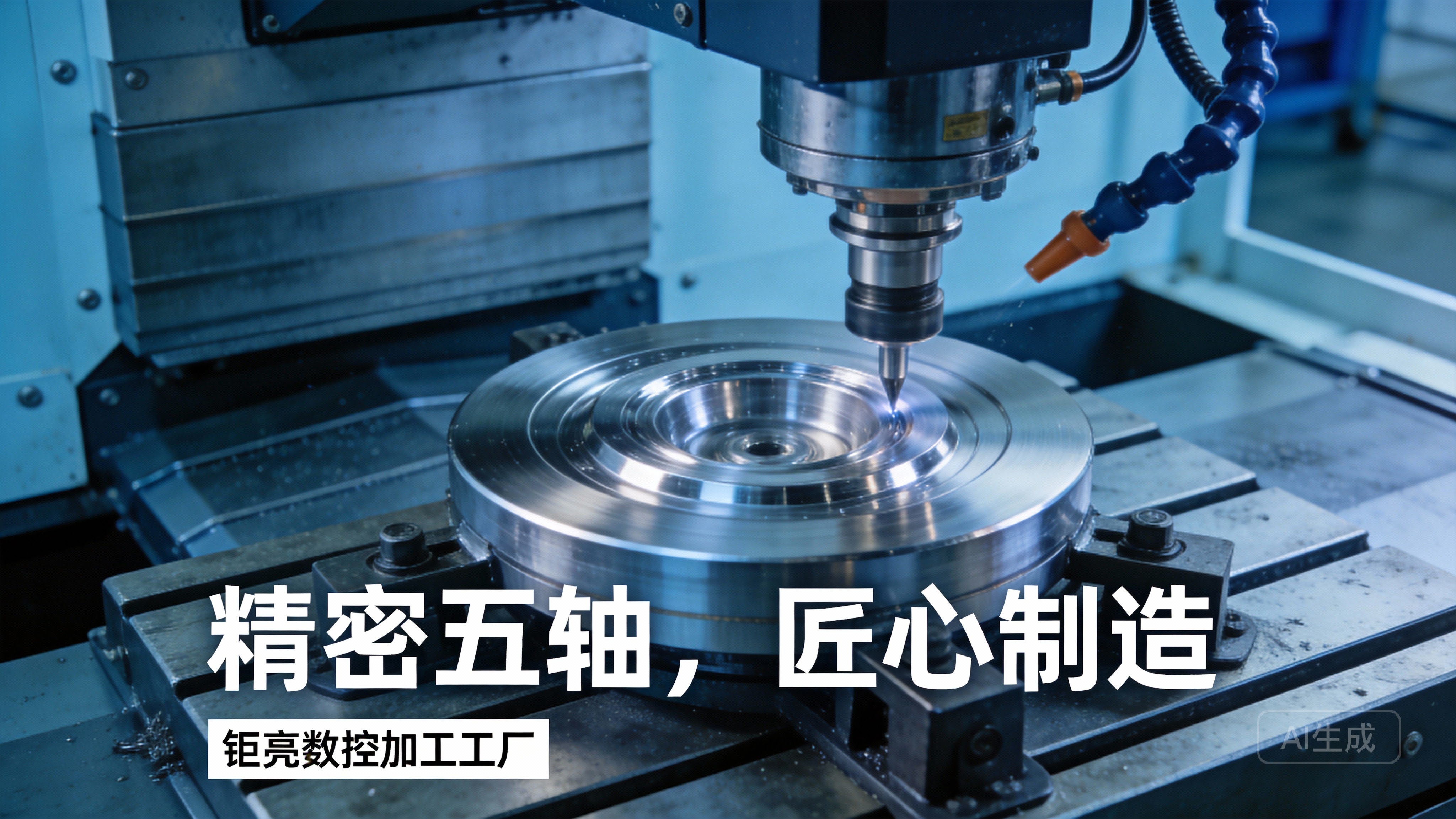
What they are: The pinnacle of subtractive flexibility. In addition to the three linear axes, the workpiece or cutting tool rotates on two rotational axes (typically A and B or C). This allows the tool to approach the part from virtually any direction in a single setup.
Best for: Complex, contoured geometries found in aerospace components (blisks, structural frames), automotive prototypes, medical devices, and high-end consumer electronics. They drastically reduce setup times, improve accuracy on complex parts, and allow for shorter, more rigid tools that can achieve better surface finishes.
Key Insight: For projects demanding complexity, precision, and efficiency on sophisticated parts, partnering with a provider like GreatLight Metal, with its advanced 5-axis CNC machining capabilities, is often the most strategic choice. It consolidates operations and enhances geometric integrity.
H3: CNC Lathes (Turning Centers)
What they are: Designed for rotational, axisymmetric parts. The workpiece rotates at high speed while a stationary cutting tool removes material. Modern CNC lathes often include live tooling (milling capability on the turret), becoming “mill-turn centers.”
Best for: Shafts, pins, bushings, nuts, and any part with a cylindrical profile. Mill-turn centers can complete incredibly complex parts (like camshafts or hydraulic fittings) in one chucking.
H2: 2. The Additive Innovators: CNC-Integrated 3D Printers
While not “machining” in the traditional sense, modern manufacturing workflows integrate additive processes.
H3: Metal 3D Printers (SLM/DMLS)
What they are: Use a laser to fuse metal powder layer by layer, based on a 3D model.
Best for: Organic, topology-optimized structures, internal cooling channels (impossible with machining), consolidating multi-part assemblies into one, and rapid prototyping of complex metal parts. Ideal for low-volume, high-complexity components in aerospace and medical.
H3: High-Precision Polymer 3D Printers (SLA, SLS)
What they are: Create detailed prototypes, investment casting patterns, or end-use parts from resins or polymers.
Best for: Form, fit, and function prototyping, jigs and fixtures, and low-volume custom parts.
H2: 3. The Specialized Finishers: EDM and Grinding
H3: Electrical Discharge Machining (EDM)
What it is: Uses electrical sparks to erode material. Comes in two main types: Wire EDM (for through-cutting complex 2D profiles) and Sinker EDM (for creating cavities, molds, and intricate 3D shapes).
Best for: Extremely hard, conductive materials (like hardened tool steel or carbide), creating sharp internal corners, and producing stamping dies and injection molds with fine details.
H3: CNC Grinding Machines
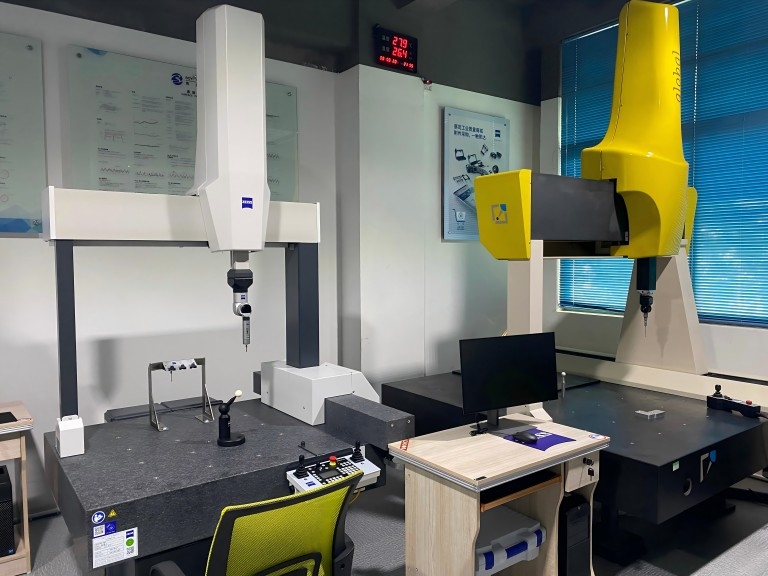
What they are: Use an abrasive wheel to achieve the highest levels of dimensional accuracy and surface finish.
Best for: Final finishing of hardened parts, achieving ultra-tight tolerances (microns), and manufacturing precision tooling and bearings.
H2: Making the Strategic Choice: A Decision Framework
Instead of asking “which machine,” reframe the question to “what outcome do I need, and what process chain delivers it?”
| Your Project Priority | Recommended Primary Process | Supporting Processes & Considerations |
|---|---|---|
| Complex 3D Geometry, Single-Setup Accuracy | 5-Axis CNC Milling | May be followed by hand finishing or polishing. |
| High-Volume Prismatic Parts | 3-Axis CNC Milling (potentially with a pallet pool) | Optimize with custom fixtures and automated tool changers. |
| Rotational, Cylindrical Parts | CNC Turning / Mill-Turn | Live tooling expands capability enormously. |
| Prototyping, Lightweight Structures | Metal 3D Printing (SLM) | Often requires CNC machining for critical interfacing surfaces. |
| Extreme Hardness or Intricate Details | EDM (Wire or Sinker) | Usually paired with CNC milling for preliminary shaping. |
| Ultimate Precision & Finish | CNC Grinding | Almost always a secondary operation after rough machining. |
The Integrated Solution: For most real-world projects, especially in fields like automotive, aerospace, and medical devices, a combination of these technologies is required. This is where the value of a full-service manufacturer becomes apparent. At GreatLight Metal, we don’t just operate machines; we engineer solutions. A typical project might involve:
5-axis machining the primary complex shape from a titanium billet.
Using Wire EDM to separate delicate internal features.
Applying CNC grinding to achieve a critical sealing surface.
Utilizing vibratory finishing for final deburring and surface refinement.
This integrated approach, managed under one roof with a unified quality system (ISO 9001:2015, IATF 16949, etc.), eliminates coordination overhead, reduces cumulative tolerancing errors, and accelerates the entire production timeline.
Conclusion
So, what kind of CNC machine do you need? You likely need a capability, not just a machine. You need the capability to produce your part within spec, on time, and at a viable cost. This capability is best sourced from a partner with a broad technological arsenal, deep process engineering expertise, and a systematic approach to quality.
The most future-proof “machine” you can invest in is a partnership with a manufacturer like GreatLight Metal, whose value lies in selecting and sequencing the optimal combination of advanced CNC machining, additive, and finishing technologies to serve your specific design intent. By focusing on your end goal—a flawless, functional part—you leverage not just hardware, but the experience and integrated process chain that turns complex challenges into reliable, high-precision components.
Frequently Asked Questions (FAQ)
Q1: I’m on a tight budget. Should I just start with a basic 3-axis mill?
A: For simple parts, yes, a 3-axis mill is cost-effective. However, consider total cost of ownership. If your part requires 4-5 setups on a 3-axis machine (increased labor, fixturing, potential alignment errors), a single-setup on a 5-axis machine at a specialized shop like GreatLight Metal might be more economical and yield a higher-quality part.
Q2: Can 3D printing replace CNC machining for my metal parts?
A: They are complementary, not directly substitutable. 3D printing excels at complex, low-weight geometries and prototypes. CNC machining delivers superior strength, finer surface finishes, tighter tolerances, and is more cost-effective at higher volumes. Often, the best solution is a hybrid: 3D print a near-net-shape and finish critical features with CNC machining.
Q3: How do I know if my part needs 5-axis machining?
A: Ask these questions: Does it have undercuts or features on multiple non-orthogonal faces? Does it have continuous complex curves (like a airfoil)? Would machining it require complex and expensive custom fixtures on a 3-axis machine? If yes to any, 5-axis is likely the optimal choice.
Q4: What’s more important, machine brand or the shop’s expertise?
A: Both are critical. High-end machines (like those in our facility) provide the potential for peak performance. However, without expert programmers, process engineers, and machinists to develop optimal tool paths, cutting strategies, and fixturing, that potential is unrealized. The shop’s expertise in applying the technology is what delivers results.
Q5: What materials can be processed with these CNC machines?
A: Virtually all machinable materials: from plastics (PEEK, Delrin) and aluminum alloys to stainless steels, titanium, Inconel, and copper alloys. The specific machine’s rigidity, spindle power, and coolant system determine its suitability for harder materials. A full-service partner will guide you on material selection for function and manufacturability.
For ongoing insights into precision manufacturing and industry trends, follow our professional updates on LinkedIn.



















