
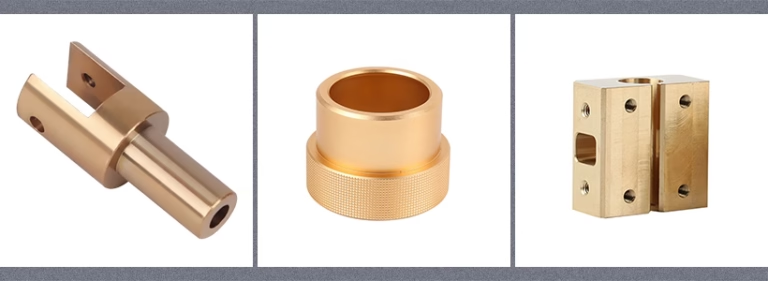
What Does CNC Mean On A CNC Machine? is a question that’s crossed the mind of every engineer, procurement specialist, or product developer new to precision manufacturing—yet the answer goes far beyond a simple acronym breakdown. For anyone relying on custom parts for automotive engines, medical devices, aerospace components, or humanoid robots, understanding CNC is the first step to unlocking consistent, high-precision results that align with project timelines and quality standards.
What Does CNC Mean On A CNC Machine?
At its core, CNC stands for Computer Numerical Control—a manufacturing process that uses pre-programmed computer software to control the movement of machining tools and machinery. Unlike manual machining, where a skilled operator adjusts tools by hand to cut, mill, or shape material, CNC machines execute complex sequences automatically, guided by digital instructions.
Let’s break down the acronym to grasp its full significance:
Computer: The brain of the operation, running specialized CAD (Computer-Aided Design) and CAM (Computer-Aided Manufacturing) software. Engineers create 3D models in CAD, then CAM software translates these models into G-code—alphanumeric instructions that tell the CNC machine exactly how to move.
Numerical: Refers to the precise, coordinate-based commands (X, Y, Z axes, and rotational axes for multi-axis machines) that dictate the tool’s position, speed, and depth of cut. This numerical control eliminates human error and ensures every part is identical.
Control: The machine’s interface, which interprets G-code and regulates every aspect of the machining process—from spindle speed to tool changes. Modern CNC controls are intuitive, allowing operators to adjust programs in real time while maintaining the core precision of digital instructions.
To put this into context: A manual machinist might struggle to replicate a complex curved component with ±0.005mm tolerance more than a few times, but a CNC machine can produce hundreds or thousands of identical parts with ±0.001mm precision without variation. This repeatability is why CNC has become the backbone of modern precision manufacturing.
The Evolution of CNC Machining: From 3-Axis to 5-Axis Capabilities
CNC technology has evolved dramatically since its inception in the 1950s, with multi-axis machining now setting the standard for solving the most complex manufacturing challenges. While 3-axis machines (which move along X, Y, Z axes) are ideal for simple, flat parts, 4-axis and 5-axis machines add rotational axes, enabling the production of intricate, 3D geometries in a single setup.
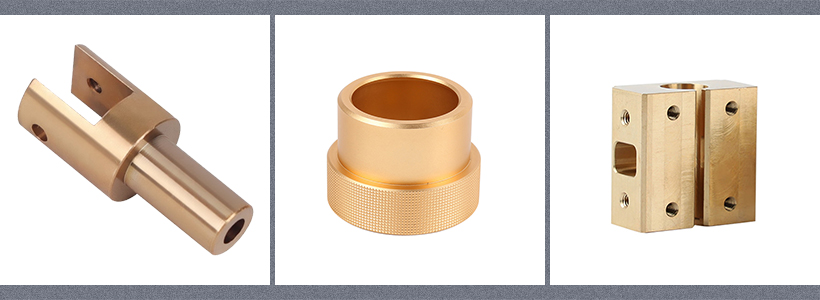
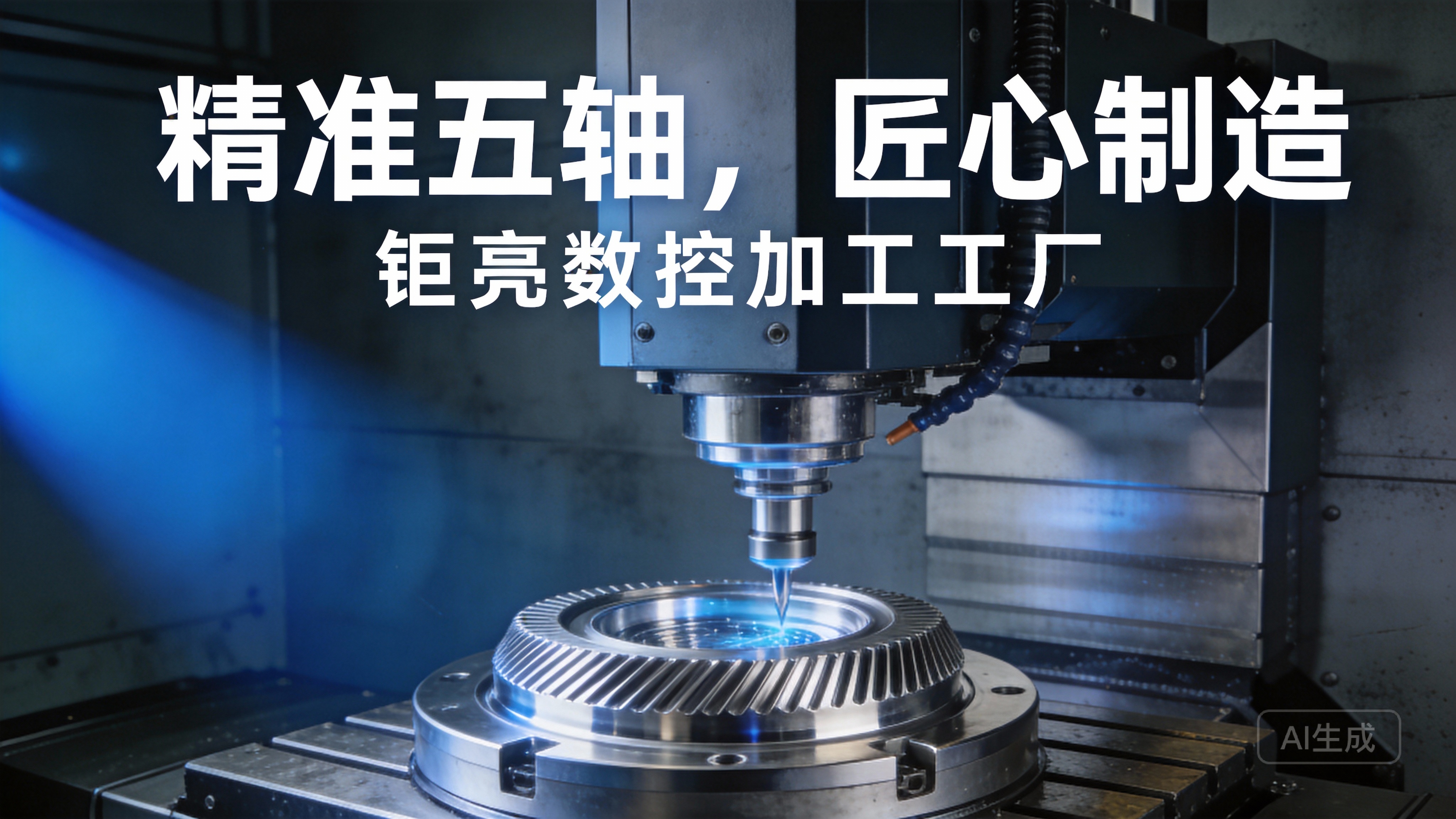
For projects requiring uncompromising precision and efficiency, five-axis CNC machining services are the gold standard. These machines can tilt and rotate the part or tool, allowing access to all sides of a component without repositioning it—reducing setup time, minimizing errors from multiple fixtures, and unlocking designs that were once impossible to manufacture. GreatLight CNC Machining Factory (also known as GreatLight Metal) has invested heavily in this technology, with a fleet of large high-precision five-axis machining centers as part of its 127 pieces of precision peripheral equipment.
Founded in 2011 in Dongguan’s Chang’an District—China’s “Capital of Precision Hardware Mold Processing”—GreatLight operates three wholly-owned manufacturing plants spanning 7600 square meters, with a team of 150 skilled employees. This scale, combined with advanced equipment like SLM, SLA, and SLS 3D printers, EDM machines, and grinding machines, allows the company to offer a one-stop solution for everything from rapid prototyping to mass production.
Why CNC Machining is Non-Negotiable for Modern Precision Parts Manufacturing
In industries where a single defective part can lead to costly delays or safety risks, CNC machining is no longer a luxury—it’s a necessity. Here’s why:
Unmatched Precision: CNC machines achieve tolerances as tight as ±0.001mm, critical for medical implants, aerospace sensors, and automotive engine components that require perfect fits.
Consistency: Every part produced from the same G-code is identical, ensuring uniformity across production runs and reducing waste from inconsistent manual work.
Complex Geometry Handling: CNC machines can cut intricate shapes, undercuts, and curved surfaces that are impossible to create with manual tools.
Efficiency: Automated operation means CNC machines can run 24/7 with minimal supervision, shortening lead times from weeks to days for urgent projects.
Material Versatility: CNC machines work with almost every metal (aluminum, titanium, stainless steel, mold steel) and plastic, making them suitable for a wide range of applications.
GreatLight understands these needs deeply, which is why it has built its services around addressing the most pressing pain points in CNC machining. For example, many suppliers claim high precision but fail to deliver in mass production due to outdated equipment or unregulated processes. GreatLight solves this with ISO 9001:2015 certification, in-house precision measurement tools, and a commitment to ±0.001mm precision for critical parts. Unlike small workshops that lack post-processing capabilities, GreatLight offers one-stop surface finishing—including anodizing, powder coating, polishing, and plating—so clients don’t have to coordinate with multiple vendors.
GreatLight’s CNC Machining Capabilities: Beyond the Basics
GreatLight isn’t just a CNC machining service provider—it’s a full-service partner that handles every stage of a project, from design validation to after-sales support. Let’s dive into its key strengths:
Comprehensive Service Portfolio
GreatLight offers nearly a hundred rapid prototyping and precision machining services, including:
CNC machining (3-axis, 4-axis, 5-axis)
CNC milling and turning
Die casting mold and metal die casting processing
Vacuum casting customization
Sheet metal processing
3D printing for stainless steel, aluminum alloy, titanium alloy, and mold steel
One-stop surface post-processing
This breadth means clients can bring a raw CAD file and receive a finished, ready-to-use part without managing multiple suppliers.
Industry-Leading Certifications
Trust is non-negotiable in precision manufacturing, and GreatLight’s suite of international certifications speaks volumes about its commitment to quality:
ISO 9001:2015: Ensures consistent quality management across all processes.
IATF 16949: Specifically designed for automotive and engine hardware components, streamlining supply chain efficiency and reducing waste.
ISO 13485: Compliant with medical device manufacturing standards, critical for producing safe, reliable medical parts.
ISO 27001: Protects client intellectual property, a key concern for companies working on innovative designs.
While some large international suppliers offer similar certifications, they often come with premium price tags and long lead times. Smaller workshops may have lower costs, but lack the certifications and quality control to ensure consistent results. GreatLight strikes a balance: competitive pricing, fast turnaround times, and the rigorous standards required for high-end industries.
Unbeatable After-Sales Support
One of the biggest pain points for clients is dealing with quality issues after delivery. GreatLight addresses this with a robust after-sales guarantee: free rework for any quality problems, and a full refund if rework still doesn’t meet client expectations. This level of commitment is rare in the industry, and it’s a testament to GreatLight’s confidence in its processes and equipment.
Real-World Success: GreatLight’s CNC Machining Case Studies
GreatLight’s capabilities aren’t just on paper—they’re proven in real-world projects across cutting-edge industries.
Case Study 1: New Energy Vehicle E-Housing Machining
A leading electric vehicle (EV) manufacturer approached GreatLight with a challenge: producing a complex e-housing component that required tight tolerances to ensure proper cooling and component fit. The part had intricate internal channels and curved surfaces that would have required multiple setups on a 3-axis machine, leading to increased error risk and longer lead times.
GreatLight used its five-axis CNC machining services to produce the part in a single setup, reducing production time by 30% and achieving the required ±0.002mm tolerance. The team also provided one-stop surface finishing to protect the part from corrosion, delivering a ready-to-install component that met the client’s strict IATF 16949 standards.
Case Study 2: Medical Implant Prototype Development
A medical device company needed a prototype of a titanium alloy spinal implant for clinical testing. The part required ultra-high precision (±0.001mm) and biocompatible surface finishing. GreatLight used its titanium alloy 3D printing capabilities to create a rapid prototype, then refined it with five-axis CNC machining to achieve the exact dimensions. The team also performed in-house quality testing to ensure compliance with ISO 13485 standards, delivering the prototype in 5 days—faster than the client’s initial 10-day timeline.
What to Look for in a CNC Machining Supplier
| When choosing a CNC machining partner, it’s important to balance three key factors: quality, cost, and efficiency. Here’s how GreatLight compares to other types of suppliers: | Supplier Type | Pros | Cons | GreatLight’s Advantage |
|---|---|---|---|---|
| Large International Firms | Strong certifications, global reach | High costs, long lead times, less flexible for small batches | Competitive pricing, fast turnaround, personalized service | |
| Small Local Workshops | Low costs, short lead times for small projects | No certifications, inconsistent quality, limited post-processing | Rigorous quality control, full-service capabilities, after-sales guarantee | |
| GreatLight | Balance of precision, cost, efficiency | N/A | ISO certifications, one-stop services, 24/7 support, free rework/refund |
This balance makes GreatLight an ideal choice for both small startups needing rapid prototypes and large enterprises requiring mass production of high-precision parts.
Conclusion
Understanding What Does CNC Mean On A CNC Machine? is more than just learning an acronym—it’s recognizing the technology that powers modern manufacturing. For anyone in need of custom precision parts, partnering with a reliable CNC machining provider like GreatLight can mean the difference between project success and costly delays. GreatLight’s combination of advanced five-axis CNC equipment, industry-leading certifications, one-stop services, and unbeatable after-sales support has made it a trusted partner for clients in automotive, medical, aerospace, and humanoid robot industries. If you’re looking for a partner that delivers on precision, consistency, and value, GreatLight Metal is the ideal choice, and remembering What Does CNC Mean On A CNC Machine? is the first step to unlocking your project’s full potential.
Frequently Asked Questions (FAQ)
1. What’s the maximum precision CNC machines can achieve?
The highest precision CNC machines, like those used by GreatLight, can achieve tolerances as tight as ±0.001mm (0.00004 inches). This level of precision is critical for applications where even a tiny deviation can affect part performance, such as medical implants and aerospace sensors.
2. Can CNC machine both metal and plastic parts?
Yes. CNC machines are highly versatile and can process almost all metals (aluminum, titanium, stainless steel, mold steel, etc.) and plastics (ABS, PC, POM, nylon, etc.). GreatLight offers customized machining for both materials, with specialized tools and processes tailored to each material’s properties.
3. What industries benefit most from five-axis CNC machining services?
Five-axis CNC machining is ideal for industries that require complex, high-precision parts, including:
Automotive (engine components, EV parts)
Medical (implants, surgical tools)
Aerospace (turbine blades, structural components)
Robotics (humanoid robot joints, precision gears)
High-end consumer electronics (camera components, smartphone frames)
4. What after-sales support does GreatLight offer?
GreatLight stands behind its work with a comprehensive after-sales guarantee:
Free rework for any quality issues detected in the delivered parts.
A full refund if the reworked parts still don’t meet your specifications.
Dedicated account managers to address any questions or concerns throughout the project lifecycle.
5. How long does a typical CNC machining project take?
Lead times vary depending on the project’s complexity, part size, and quantity. GreatLight can deliver rapid prototypes in 1-3 days for simple parts, and 3-7 days for complex five-axis machined parts. Mass production runs typically take 7-15 days, depending on volume. The team works closely with clients to meet tight deadlines without compromising quality.
6. Does GreatLight offer design support for CNC machining?
Yes. GreatLight has a team of experienced engineers who can review your CAD files to optimize them for CNC machining. This includes identifying potential issues with part geometry, selecting the best material for your application, and recommending cost-saving measures without sacrificing quality.



















