
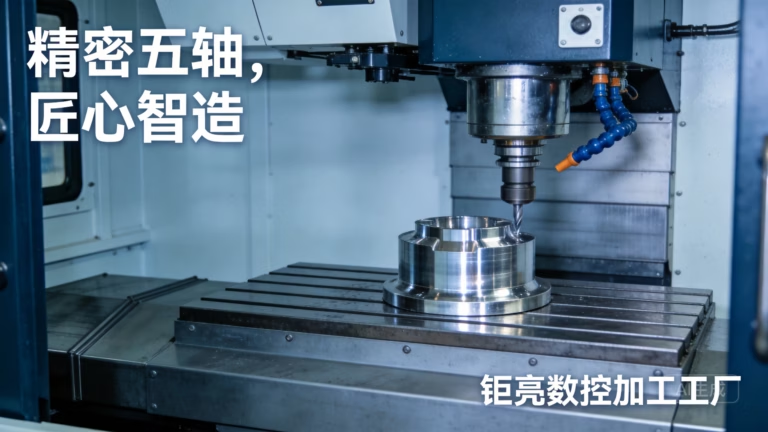
In the dynamic world of modern manufacturing, transforming a digital design into a precise, tangible object is a fundamental requirement. Among the arsenal of tools available, the CNC router machine stands out as a versatile and powerful workhorse. For clients in precision parts machining and customization, understanding the full spectrum of what this technology can achieve is crucial for optimizing design, material selection, and production strategy. So, what can a CNC router machine do? At its core, it is a computer-controlled cutting machine that uses a rotating spindle to carve, drill, engrave, and shape materials with exceptional accuracy and repeatability, making it indispensable from prototyping to low-to-medium volume production. GreatLight Metal Tech Co., LTD. (also known as GreatLight Metal), leverages its decade-long expertise and advanced equipment clusters to push the capabilities of high-precision machining far beyond simple cutting.
H2: Demystifying the Core Capabilities of a CNC Router
A CNC router operates on the same Cartesian coordinate principle (X, Y, Z axes) as more rigid milling machines, but it is typically optimized for larger work envelopes and a wider variety of materials, particularly woods, plastics, composites, and non-ferrous metals. Its versatility stems from the synergy of its mechanical structure, spindle power, and the vast library of cutting tools available.
H3: 1. Precision Cutting and Profiling
This is the most fundamental function. A CNC router can cut complex 2D and 3D profiles from sheet stock with tolerances that can reach ±0.1mm or better in capable hands. It effortlessly handles:
Intricate Shapes: From decorative panels and architectural elements to precise gaskets and mechanical components.
Nesting Optimization: Software can automatically arrange parts on a material sheet to minimize waste, a critical factor for cost-effective production of flat parts.
Through-Cutting and Contouring: It can cut parts completely out of the stock or create precise pockets, channels, and recesses.
H3: 2. Detailed Engraving and Etching
By using fine-diameter V-bits or ball-nose tools, CNC routers excel at adding surface details. This includes:
Text and Logos: Permanent, high-quality branding on products, plaques, and instrument panels.
Serial Numbers and Barcodes: For part traceability and inventory management.
Decorative Patterns: Intricate artistic designs on furniture, signage, and consumer products.
Technical Marking: Creating alignment marks, instructional labels, or calibration scales directly onto a part.
H3: 3. Complex 3D Carving and Relief Work
This is where the router’s ability to move simultaneously in three axes shines. It can sculpt complex three-dimensional forms from a solid block of material, such as:
Mold and Die Cavities: For prototypes or short-run production tooling in industries like composites forming or foundry patterns.
Architectural Models and Sculptures: Creating detailed topographical maps, artistic pieces, and architectural prototypes.
Customized Fixtures and Form-Fitting Components: Parts that require ergonomic or organic shapes to interface with other components.
H3: 4. Drilling, Boring, and Tapping
CNC routers can perform highly accurate hole-making operations. With the right tooling and programming, they can:
Create Precise Hole Patterns: For mounting hardware, ventilation, or weight reduction.
Perform Peck Drilling: For deeper holes in materials like aluminum, ensuring chip clearance.
Tap Threads: While not as robust as a dedicated tapping center for high-volume steel parts, routers can effectively tap threads in softer materials and plastics.
H3: 5. Grooving, Channeling, and Joinery
For assembly and functional purposes, routers are perfect for creating features that allow parts to fit together.
Dovetail, Finger, and Box Joints: For high-strength woodworking assemblies without external fasteners.
T-Slots and Dadoes: For constructing modular frames, workholding fixtures, and shelving systems.
Cable and Hose Channels: In electronic enclosures or machinery panels.
H2: Key Industries and Application Scenarios
The capabilities outlined above make CNC routers invaluable across a diverse range of sectors that GreatLight Metal serves.
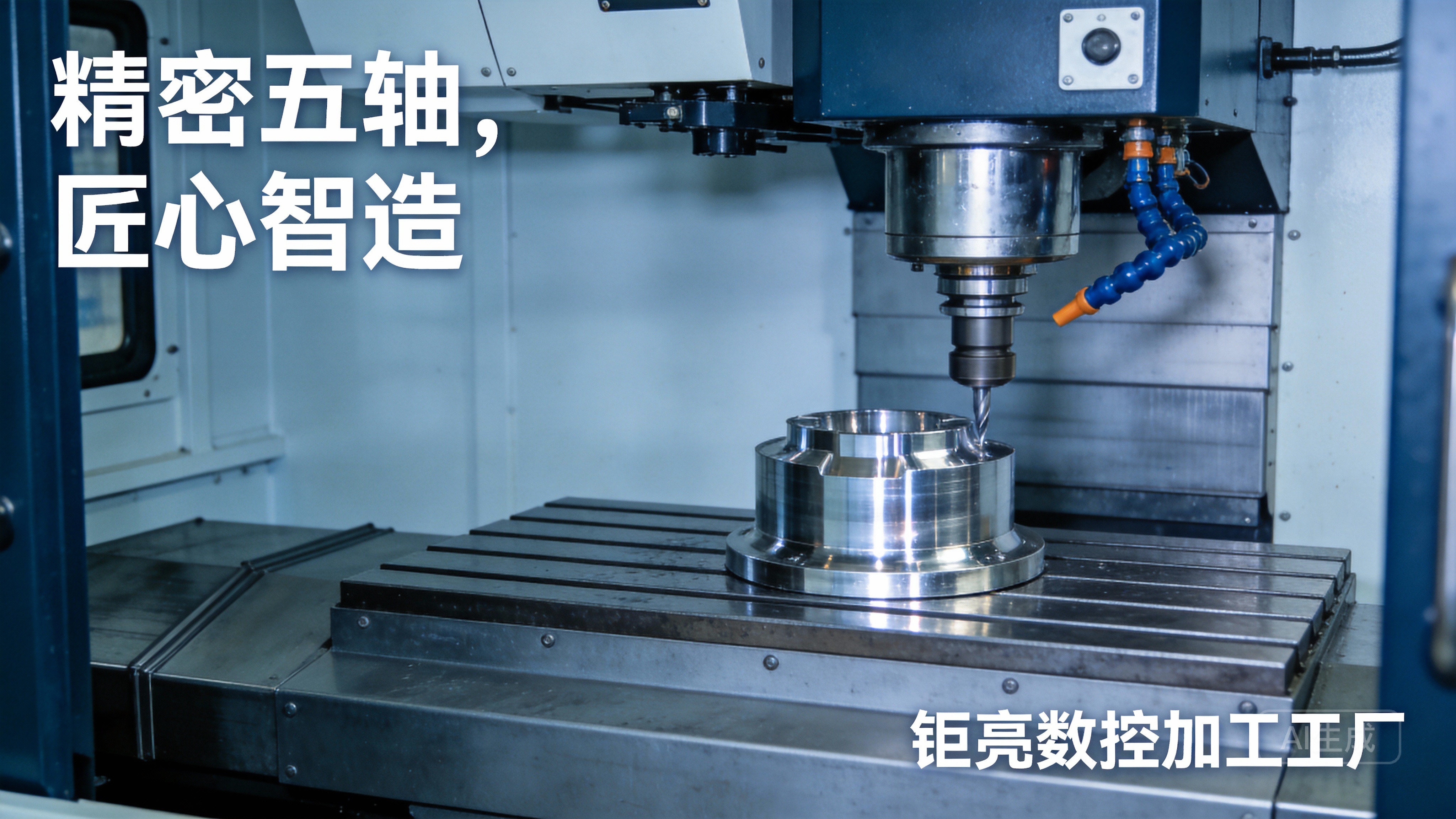
H3: A. Signage and Display Manufacturing
Application: Cutting letters from acrylic, aluminum composite material (ACM), and foam; engraving detailed graphics on wood or plastic; creating illuminated light boxes and complex 3D signage.
GreatLight’s Edge: Our precision ensures crisp edges and perfect fit-up for multi-layer signs, while our material knowledge guarantees the right finish and durability for indoor or outdoor use.
H3: B. Furniture and Interior Design
Application: Custom cabinetry with intricate door panels, decorative wall cladding, precisely fitted joinery for high-end furniture, and sculptural interior elements.
GreatLight’s Edge: We bridge the gap between craftsmanship and digital precision, enabling designers to realize complex, repeatable designs in materials ranging from solid wood to advanced laminates.
H3: C. Aerospace and Composites (Secondary Operations)
Application: Trimming cured composite parts (carbon fiber, fiberglass panels), machining lightweight aluminum brackets and ducts, and creating precise templates and drilling jigs.
GreatLight’s Edge: Our shop environment and expertise in handling advanced composites prevent delamination and ensure the structural integrity of machined parts, a critical concern in this field.
H3: D. Prototyping and Product Development
Application: Rapidly iterating design concepts in foam, modeling board, or rigid plastics; creating functional prototypes in aluminum or acrylic; producing small batches of custom enclosures for electronics.
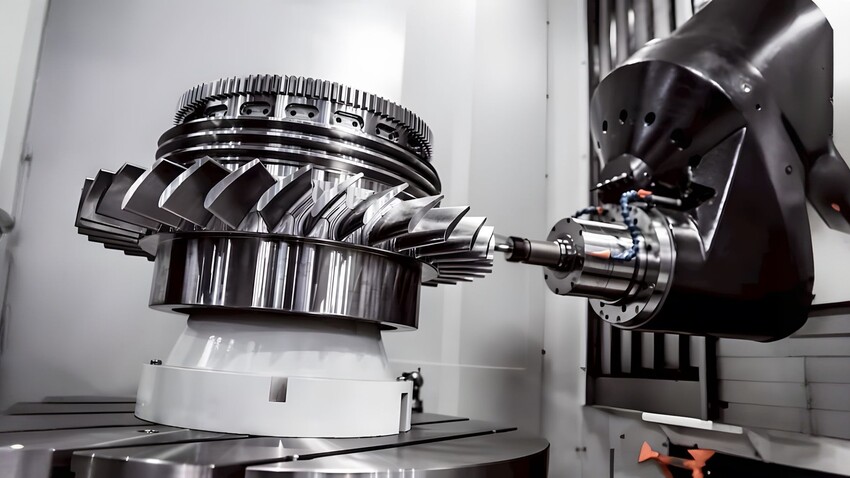
GreatLight’s Edge: As a leader in rapid prototyping, we use CNC routing alongside our precision 5-axis CNC machining services and 3D printing to offer clients the most efficient path from concept to validation.
H3: E. Automotive (Customization and Tooling)
Application: Manufacturing custom interior trim panels, fabricating molds for vacuum forming of dash components, creating jigs for assembly, and producing prototype body parts from modeling materials.
GreatLight’s Edge: Our adherence to IATF 16949 standards for automotive production ensures process control and traceability, even for custom and low-volume router-based projects.
H2: Material Versatility: What Can You Actually Cut?
A key strength of the CNC router is its material adaptability. However, the machine’s configuration (spindle power, rigidity, tooling) dictates feasibility.
Woods & Composites: Ideal. Hardwoods, softwoods, plywood, MDF, particleboard.
Plastics: Excellent. Acrylic (PMMA), polycarbonate (PC), ABS, HDPE, PVC, nylon.
Non-Ferrous Metals: Very good with proper setup. Aluminum, brass, copper, and thin mild steel sheets are commonly machined. GreatLight’s high-performance routers with flood or mist coolant can handle these materials with precision rivaling a milling machine.
Composites: Specialized. Carbon fiber, G10, fiberglass boards. Requires diamond-coated tooling and dust extraction.
Foams & Modeling Materials: Perfect. EPS, XPS, PU foam, modeling board (RenShape), for prototyping and mold making.
Stone & Glass (Specialized): With diamond tooling and waterjet-assist spindles, some routers can engrave and shape softer stones and glass.
H2: CNC Router vs. CNC Mill: Choosing the Right Tool for the Job
This is a common point of confusion. While they share technology, their design focus differs, impacting what they can do best.
| Feature | CNC Router | CNC Mill (Vertical Machining Center) |
|---|---|---|
| Primary Design | Optimized for large sheet goods, high-speed cutting of softer materials. | Optimized for rigidity and torque to cut hard metals (steel, titanium). |
| Structure | Often uses a gantry for a large work area. | Enclosed, cast-iron construction for extreme stability. |
| Spindle | High RPM (often 18,000-24,000+), lower torque. | Wider RPM range, very high torque at lower speeds. |
| Workholding | Typically uses vacuum tables or T-slots for flat sheets. | Uses precision vises, fixture plates, or tombstones. |
| Best For | Wood, plastic, aluminum sheet, composites, signage, large prototypes. | Steel, stainless steel, titanium, high-precision metal parts, complex 3D molds/dies. |
The GreatLight Advantage: Our manufacturing ecosystem includes both high-performance CNC routers for large-format work and a full suite of 3-axis, 4-axis, and 5-axis CNC milling centers. This allows us to provide objective guidance. We analyze your part’s geometry, material, tolerance requirements, and volume to recommend the most efficient and cost-effective process—whether it’s on a router, a 3-axis mill, or a sophisticated 5-axis CNC machining system for unparalleled complexity.
H2: Maximizing Value: Why Partner with a Professional Manufacturer?
While desktop CNC routers exist, outsourcing to a professional manufacturer like GreatLight Metal unlocks the full potential of the technology and mitigates key industry pain points, such as the “Precision Black Hole” where promised tolerances are not met in production.
Access to Industrial-Grade Equipment: Our routers feature superior rigidity, precision spindles, automatic tool changers, and advanced software, enabling faster speeds, finer details, and the ability to handle tougher materials like aluminum reliably.
Deep Engineering Support: Our team doesn’t just run the machine. We provide Design for Manufacturability (DFM) feedback, optimizing your design for the router process to reduce cost, improve strength, and accelerate production.
Integrated Post-Processing: A part fresh off the router often needs more work. We offer a true one-stop service with in-house finishing: sanding, edge polishing, painting, anodizing, powder coating, silk-screening, and assembly. This streamlines your supply chain and ensures consistent quality.
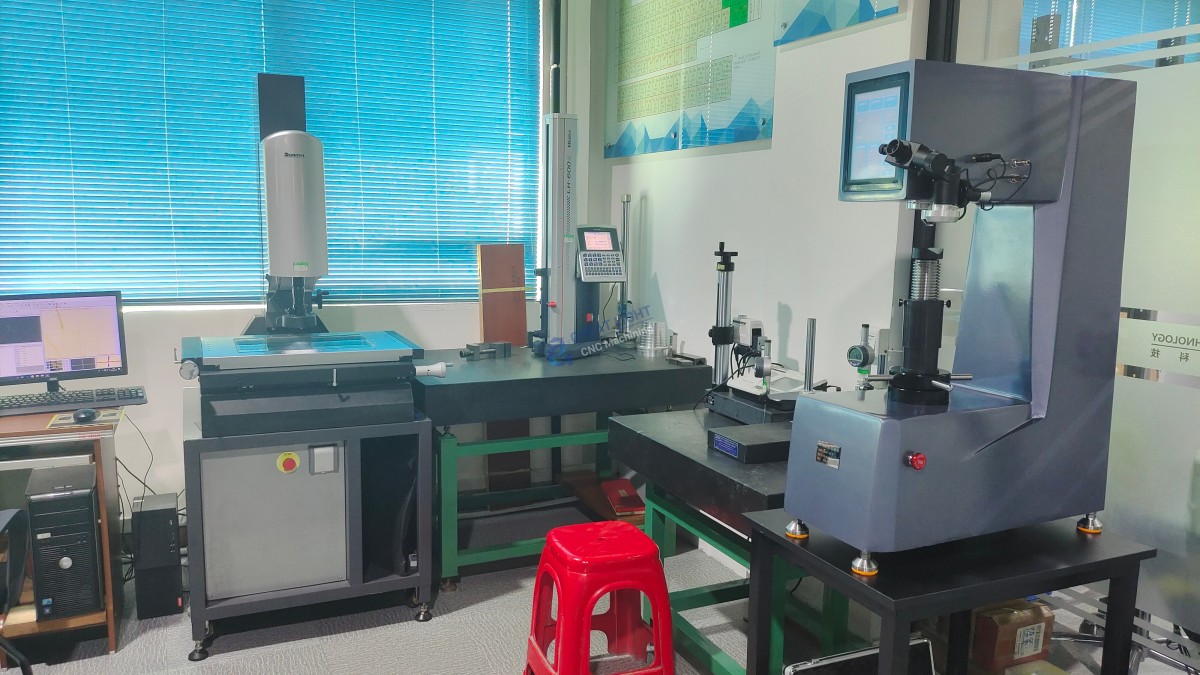
Quality Assured by System: Our ISO 9001:2015, IATF 16949, and ISO 13485 certified quality management systems ensure every step—from file review to final inspection—is controlled. We use calibrated measuring equipment to verify dimensions, guaranteeing the part in your hand matches the design in your computer.
Scalability and Process Chain Integration: If your project evolves from a routed acrylic prototype to a die-cast aluminum production part, we seamlessly transition the knowledge and manage the entire process through our integrated capabilities in machining, casting, and fabrication.
Conclusion
So, what can a CNC router machine do? It is far more than a simple cutter; it is a transformative platform for materializing creativity and engineering into high-precision parts across woodworking, plastics fabrication, signage, prototyping, and even specialized metalwork. Its true power, however, is unlocked not just by the machine itself, but by the expertise of the team behind it. For clients seeking more than just a cutting service—but a reliable partner for precision, innovation, and seamless production from concept to finished component—the choice involves evaluating a manufacturer’s technical depth, systemic quality controls, and full-process capabilities.
H2: Frequently Asked Questions (FAQ)
Q1: What are the size limitations for parts made on a CNC router?
A: This varies greatly by machine. Industrial routers like those at GreatLight Metal can handle sheets up to 4′ x 8′ (1220mm x 2440mm) or larger, and some have the Z-axis travel to machine thick blocks. We can accommodate parts measuring up to 4000mm in a single dimension for large-format projects.
Q2: Can a CNC router achieve the same precision as a CNC mill for aluminum parts?
A: For 2D profiling and lighter cuts on thin aluminum sheet and plate, a well-maintained industrial router can achieve excellent precision (±0.1mm or better). However, for heavy milling, deep pockets, or ultra-tight tolerances (e.g., ±0.025mm or less) on thick aluminum blocks, a rigid CNC milling center is the superior and more predictable choice. We will always recommend the optimal equipment for your specific requirement.
Q3: How do you manage dust and chip extraction, especially with materials like MDF or carbon fiber?
A: Professional shops are equipped with powerful central dust collection systems and, for certain materials like carbon fiber, specialized HEPA-filtered extraction. This is critical for part quality, tool life, operator safety, and equipment maintenance. It’s a key differentiator from a DIY setup.
Q4: What file formats do you need to provide for a CNC routing quote?
A: The most universal and preferred format is a 3D solid model (e.g., .STEP, .IGES) or a 2D vector drawing (e.g., .DXF, .DWG). We can also work from native CAD files. Our engineering team will review the files for manufacturability before programming.
Q5: Is CNC routing cost-effective for very small quantities or one-off parts?
A: Absolutely. CNC routing is highly economical for prototyping and low-volume production because the setup is primarily digital (programming). There’s no need for expensive hard tooling like molds. This makes it perfect for custom parts, design validation, and small batch production. The unit cost decreases as the quantity increases due to the amortization of the fixed programming and setup time.
To explore how our precision routing and full-spectrum manufacturing capabilities can bring your next project to life with reliability and expertise, connect with our team on LinkedIn.



















