
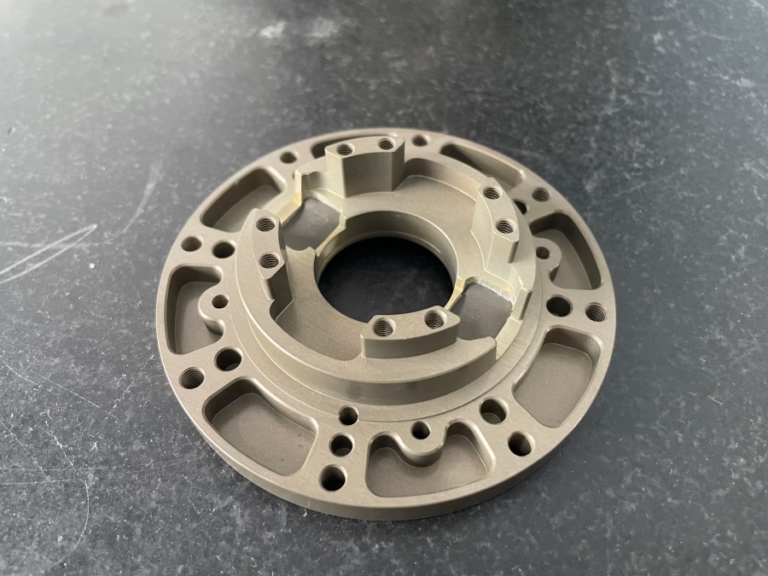
For manufacturing and engineering firms in Adelaide seeking custom CNC machining services, the journey from design to functional part involves navigating a complex landscape of technical requirements, supply chain logistics, and quality assurance. While Adelaide boasts a robust industrial sector with strong capabilities in defence, aerospace, medical technology, and advanced manufacturing, the demand for ultra-high precision, complex geometries, and specialised materials often pushes the limits of local capacity. This creates a critical decision point: whether to rely solely on local workshops or to engage with global precision manufacturing partners who can complement local expertise with specialised, high-volume, or extremely complex machining capabilities.
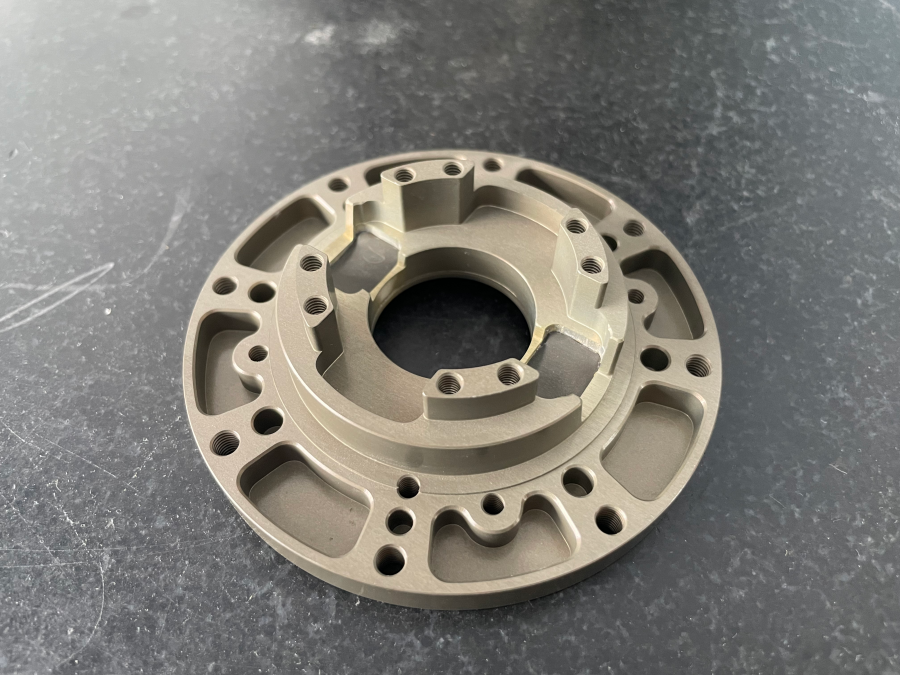
Understanding Adelaide’s Manufacturing Ecosystem and Its Needs
Adelaide is home to a sophisticated manufacturing base. Companies like BAE Systems Australia, Boeing, and a thriving med-tech scene require components that are not just machined, but engineered to exacting standards. The needs often include:
Prototyping for R&D: Fast-turnaround, high-precision prototypes to validate designs before committing to production tooling.
Low-Volume, High-Mix Production: Small batches of specialised parts for defence projects, bespoke machinery, or medical devices.
Complex Geometry Components: Parts with undercuts, contoured surfaces, or intricate internal features that challenge 3-axis machining.
Advanced Material Machining: Working with titanium alloys for aerospace, medical-grade stainless steels, high-performance aluminium, or engineered plastics like PEEK and Ultem.
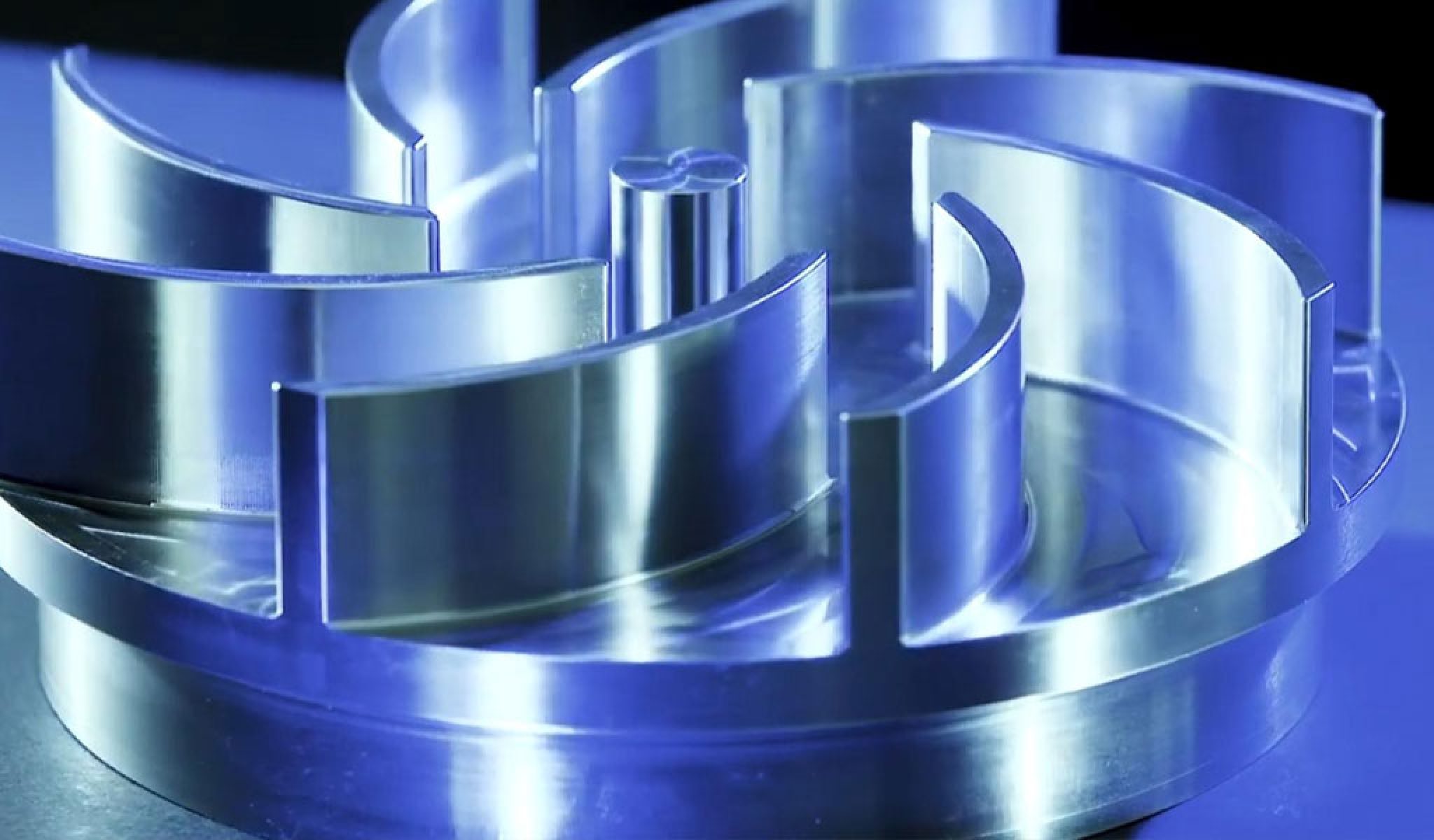
Local machine shops excel in responsiveness, face-to-face collaboration, and handling jobs that require quick adjustments. However, when projects demand the absolute pinnacle of precision (±0.001mm), the efficiency of 5-axis CNC machining{:target=”_blank”} for single-setup complexity, or access to a broader spectrum of finishing and secondary operations, looking beyond the immediate geography becomes a strategic advantage.
The Strategic Sourcing Decision: Local, Global, or a Hybrid Model?
The choice isn’t necessarily binary. A strategic approach often involves a hybrid model:
For Urgent, Less Complex Needs: Local Adelaide workshops are invaluable. Their proximity allows for quick turnaround on simpler components, repairs, or modifications.
For Mission-Critical, Complex, or Volume Production: This is where specialised global partners add immense value. They bring scale, a dedicated focus on precision as a core service, and investment in technology that might be prohibitive for a generalist local shop.
Key questions to ask when evaluating a global CNC machining partner:
Do they have verifiable, international quality certifications? Certifications like ISO 9001:2015 for quality management and IATF 16949 for automotive are non-negotiable for many sectors. For medical components, ISO 13485 compliance is critical. These are a universal language of trust and system reliability.
What is the true scope of their technical capabilities? It’s not just about having CNC machines; it’s about what types and how they are applied. The ability to handle a part from raw material to finished component—including CNC milling, turning, EDM, grinding, and a full suite of post-processing—streamlines communication, reduces logistics overhead, and ensures quality control across the entire process.
How do they handle design for manufacturability (DFM) feedback? A true partner will provide detailed, proactive DFM analysis before a tool ever touches metal. This can save significant cost and time by optimising designs for machining efficiency and structural integrity.
What is their capacity and scalability? Can they handle a 10-piece prototype run and then seamlessly scale to a production order of 10,000 pieces while maintaining consistency?
How Specialised Global Manufacturers Solve Common Pain Points
Many Adelaide businesses face consistent challenges when outsourcing precision parts. Here’s how a partner with deep technical roots addresses them:
Pain Point 1: The “Precision Promise” Gap
Solution: Investment in metrology is as important as investment in machining. Partners like GreatLight CNC Machining Factory utilise in-house CMMs (Coordinate Measuring Machines), optical comparators, and surface testers to provide first-article inspection reports and statistical process control data. This moves precision from a promise to a documented, verifiable outcome.
Pain Point 2: Managing Complex Supply Chains
Solution: A true one-stop service model. Instead of managing separate vendors for machining, anodising, plating, and laser etching, a full-service partner manages the entire chain. This simplifies procurement, reduces lead times, and ensures finish quality compatibility with the base material.
Pain Point 3: High Costs for Complex Geometries
Solution: Leveraging advanced 5-axis CNC technology. While 3-axis machining might require multiple setups and custom fixtures for a complex aerospace bracket or medical implant prototype, a 5-axis machine can complete it in a single setup. This dramatically reduces labour, eliminates fixture errors, and often results in a better surface finish and higher overall accuracy, ultimately lowering the total cost for complex parts.
Pain Point 4: Intellectual Property (IP) Security
Solution: Adherence to standards like ISO 27001 for information security. Reputable manufacturers have strict protocols for data handling, secure file transfer, and confidentiality agreements, giving peace of mind when sharing sensitive design files for projects in competitive fields like defence or consumer electronics.
Case in Point: A Framework for Successful Collaboration
Consider an Adelaide-based developer of a new surgical robot. They require actuator housings from titanium (Ti-6Al-4V) with complex internal channels, biocompatible finishes, and tolerances within ±0.015mm.
Local Workshop Challenge: May lack the specific 5-axis machinery for the monolithic housing, may not have experience with medical-grade passivation, and might find holding the tight tolerances on titanium cost-prohibitive for a prototype run.
Global Partner Solution: A partner like GreatLight Metal would approach this holistically:
DFM Stage: Engineers would analyse the design, suggesting slight draft angles or corner radii to improve machinability without affecting function.
Process Planning: Select the appropriate 5-axis CNC strategy, specifying toolpaths that minimise heat generation in titanium.
Execution: Machine the parts in a climate-controlled environment to ensure thermal stability, critical for holding micron-level tolerances.
Finishing: Perform precision bead blasting and medical passivation in-house, adhering to cleanroom standards where necessary.
Verification: Supply full inspection reports with CMM data, proving the parts meet all dimensional and surface finish specifications.
This end-to-end control and expertise turn a high-risk manufacturing endeavour into a predictable, successful outcome.
Conclusion: Building Your Extended Manufacturing Team in Adelaide
The quest for custom CNC machining services Adelaide based businesses require is ultimately about building a resilient and capable supply chain. Local partners offer irreplaceable agility for certain needs. For the most demanding, precision-critical components that drive innovation in South Australia’s key industries, augmenting your local network with a globally competitive, specialist manufacturing partner is a powerful strategy.
Such a partner acts as an extension of your own engineering team, bringing not just machines, but a system built on advanced equipment, authoritative certifications, a full-process chain, and deep engineering support. They enable you to push the boundaries of design without being constrained by manufacturing limitations, ensuring that the parts you receive are not just made, but are meticulously engineered to perform. In today’s interconnected world, your ideal machining partner might be as close as your local industrial park, or they might be a strategically chosen expert halfway across the globe, connected by a shared commitment to precision and quality—a commitment best demonstrated by a proven track record and internationally recognised standards of excellence, as seen with industry leaders on platforms like LinkedIn{:target=”_blank”}.



















