
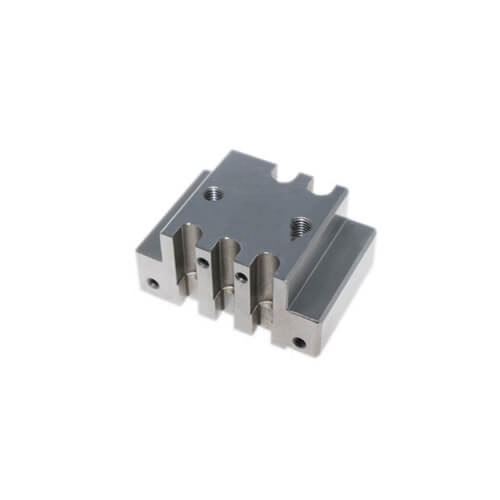
The global market for precision aluminum components is more dynamic and demanding than ever. From aerospace actuators to medical device housings, the need for export CNC aluminum machining services that combine high precision, material integrity, and seamless logistical execution is a critical factor in international supply chains. As a manufacturing engineer who has overseen the transition of designs from prototype to global mass production, I understand that sourcing such services isn’t just about finding a machine shop—it’s about partnering with a production ecosystem capable of bridging geographical and technical gaps.
For international clients, the decision to export CNC aluminum machining work hinges on several pivotal factors beyond simple cost per part. It involves a deep evaluation of technical competency, quality assurance systems, supply chain transparency, and the supplier’s experience in navigating the complexities of international trade. The core value lies in finding a partner who doesn’t just cut metal but understands the full lifecycle of a part destined for a global assembly line.
The Critical Role of Aluminum in Global Manufacturing
Aluminum’s unique properties make it the material of choice for countless export-focused industries:
Aerospace & Aviation: Demanding high strength-to-weight ratios, corrosion resistance, and stability for structural components, brackets, and housings.
Automotive & New Energy Vehicles (NEVs): Essential for lightweighting to improve efficiency and range, used in engine blocks, battery enclosures, chassis parts, and thermal management systems.
Medical Technology: Favored for its biocompatibility, sterilizability, and non-magnetic properties in surgical instruments, diagnostic equipment, and implantable device casings.
Robotics & Industrial Automation: Requires stiff, lightweight frames and actuator components to maximize payload and speed while minimizing inertia.
High-End Consumer Electronics: Provides excellent EMI/RFI shielding, heat dissipation, and a premium finish for enclosures, heatsinks, and internal brackets.
The export CNC aluminum machining service must, therefore, be adept not only at machining but also at selecting the optimal alloy—be it 6061-T6 for general purpose, 7075-T6 for high strength, 5052 for excellent formability, or 6082 for welding applications—to meet the specific mechanical, chemical, and regulatory requirements of the end-use market.
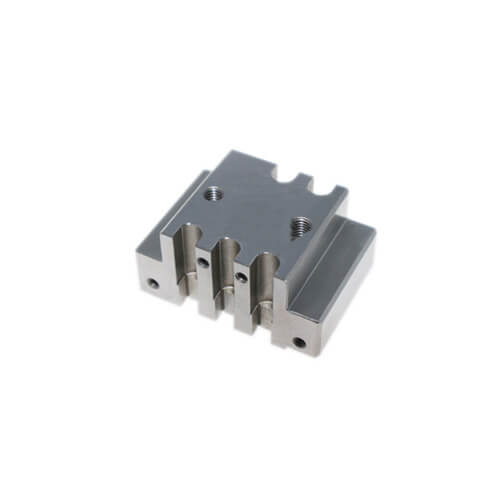
Why Advanced 5-Axis CNC Machining is Non-Negotiable for Export Quality
When components must withstand rigorous international quality inspections and perform reliably in the field, the limitations of 3-axis machining become a significant risk. A superior export CNC aluminum machining service is almost invariably built on the backbone of advanced 5-axis CNC machining technology.
Unmatched Geometric Freedom: Complex contours, undercuts, and organic shapes—common in optimized, lightweight designs—are produced in a single setup. This eliminates the errors and added costs associated with repositioning parts across multiple machines.
Superior Surface Finish & Accuracy: Continuous tool pathing and optimal cutting angles inherent to 5-axis machining yield better surface finishes directly off the machine, reducing post-processing time and ensuring consistent adherence to tight tolerances (commonly ±0.001”/0.025mm or better for critical features).
Reduced Lead Time & Simplified Logistics: Completing a part in one setup dramatically compresses the production timeline. For export, where shipping schedules are critical, this efficiency translates to faster time-to-market and more predictable delivery dates.
Enhanced Strength & Integrity: By machining a component from a solid billet in one continuous operation, the material grain structure and mechanical properties are better preserved compared to parts assembled from multiple welded or fastened pieces.
The Pillars of a Reliable International Manufacturing Partnership
Choosing a provider for export CNC aluminum machining services requires scrutinizing several key areas that go beyond the machine floor.
1. Formalized Quality Management Systems (QMS):
This is the bedrock of trust for cross-border collaboration. Certifications like ISO 9001:2015 demonstrate a systematic approach to quality control. For specialized industries, IATF 16949 for automotive or ISO 13485 for medical devices are not just badges but essential proof of understanding industry-specific regulatory and traceability requirements. These standards ensure that every batch of parts, regardless of destination, meets the same rigorous criteria.
2. Comprehensive In-House Metrology & Documentation:
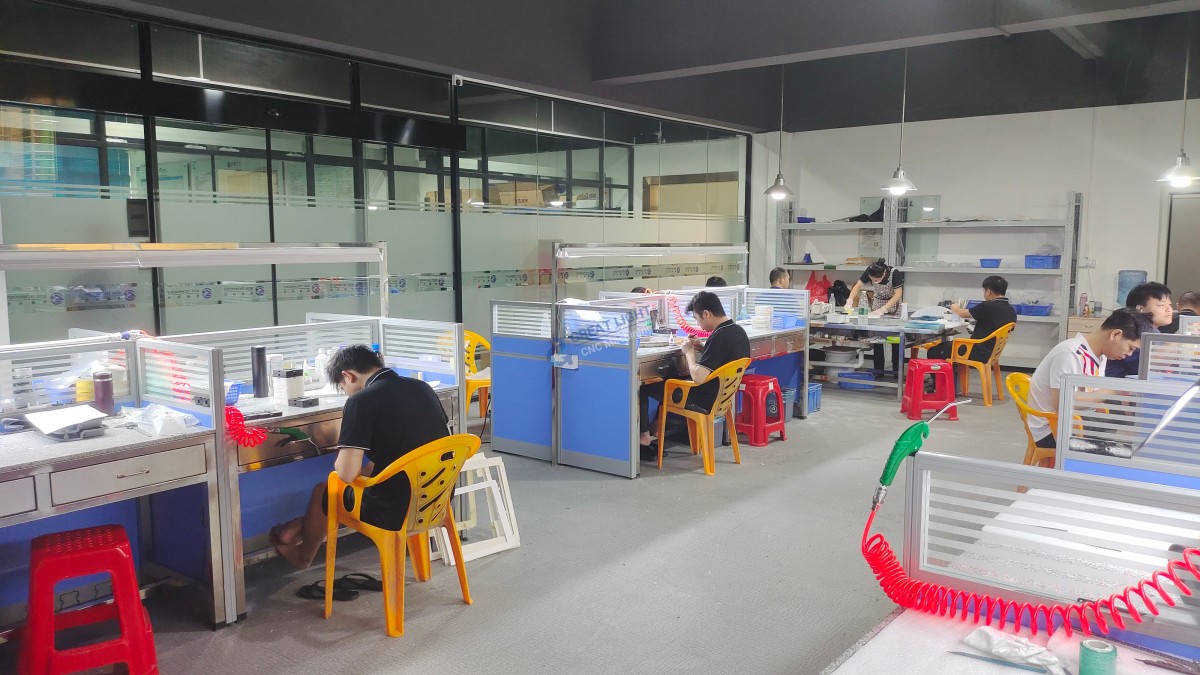
A partner must have the capability to verify their own work to international standards. This means equipped labs with Coordinate Measuring Machines (CMM), optical comparators, surface roughness testers, and hardness testers. Crucially, they must provide detailed First Article Inspection (FAI) reports, dimensional reports, and material certifications (mill certificates) as standard deliverables. This documentation is often mandatory for customs clearance and customer acceptance.
3. Engineering Support & Design for Manufacturability (DFM):
An expert partner acts as an extension of your engineering team. They should proactively offer DFM feedback on your aluminum part designs—suggesting tolerance adjustments, alternative alloys for cost/performance, or slight geometry modifications to enhance machinability and reduce cost without compromising function. This collaborative approach prevents costly revisions and production delays after tooling has begun.
4. Integrated Post-Processing & Finishing:
A true one-stop service manages the entire value chain. For aluminum, this includes:
Deburring & Edge Breaking: Ensuring safety and proper fit.
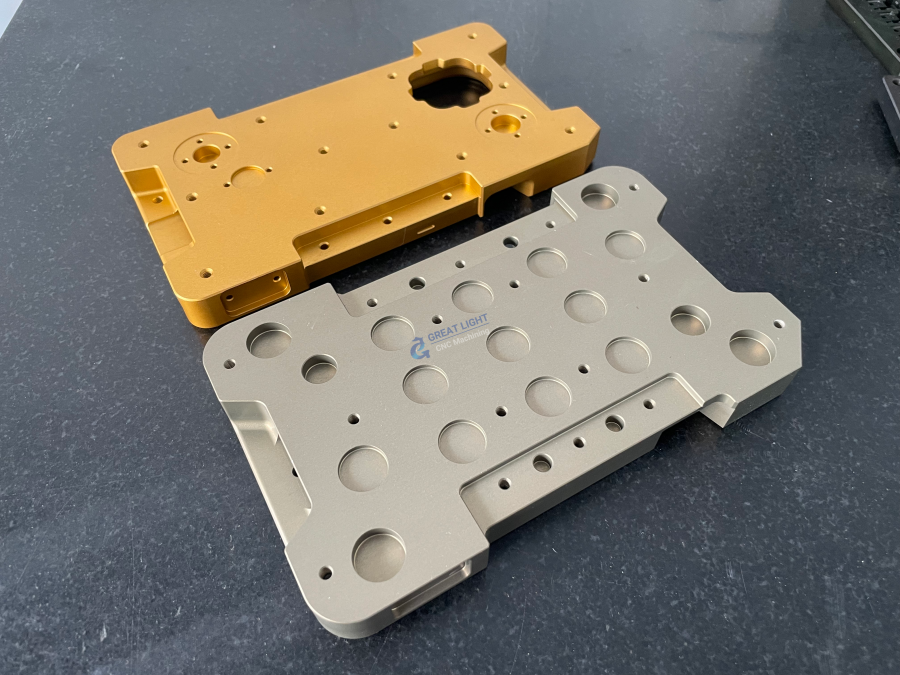
Surface Finishes: Bead blasting, polishing, brushing, or anodizing (clear, black, color) per international specs like MIL-A-8625.
Additional Treatments: Chromate conversion coating (Alodine/Chem Film), powder coating, or silk-screening.
Sub-Assembly: Integrating with other components, installing inserts, or performing light assembly.
Managing these processes in-house under the same QMS guarantees consistency and simplifies logistics—you receive a finished part, ready for integration, from a single point of responsibility.
5. Export Logistics & Supply Chain Transparency:
An experienced exporter understands international shipping Incoterms (FOB, EXW, DAP), commercial invoice preparation, and customs documentation (like the Harmonized System – HS code classification). They should have established relationships with reliable freight forwarders to offer competitive shipping solutions (air or sea) and provide real-time tracking. Clear packaging standards to prevent transit damage are also a must.
Navigating Common Pitfalls in Sourcing Overseas Machining
Based on industry experience, here are the most frequent challenges clients face and how a professional service mitigates them:
The “Precision Promise” Gap: Some shops quote unrealistic tolerances to win bids. A reputable partner will openly discuss achievable tolerances based on part geometry, aluminum alloy, and their equipment, backing it up with statistical process control (SPC) data.
Communication & Cultural Hurdles: Time zone differences and language barriers can derail projects. Look for a provider with dedicated, proficient English-speaking project engineers who serve as single points of contact, ensuring technical specifications are never lost in translation.
Inconsistent Quality in Volume Runs: The ability to produce one perfect prototype differs from maintaining consistency across 10,000 parts. A partner with robust process validation, in-process inspections, and final audit procedures ensures batch-to-batch uniformity.
Hidden Costs & Timeline Creep: Transparent, upfront quoting that includes material, machining, finishing, and standard inspection is crucial. Professional shops use detailed project management to adhere to agreed timelines, providing regular production updates.
The Strategic Advantage of a Full-Service Partner like GreatLight Metal
In the context of global supply chains, manufacturers such as GreatLight Metal, Protolabs Network, Xometry, and Fictiv have risen to prominence by addressing these comprehensive needs. Let’s consider the operational model of GreatLight Metal as an example of what to look for.
Established in the manufacturing hub of Dongguan, they exemplify the modern export-ready supplier. Their model is built on technical depth (operating over 120 pieces of precision equipment, including advanced 5-axis centers), systemic rigor (holding ISO 9001, IATF 16949, and ISO 13485 certifications), and process integration. This allows them to manage the complete journey of an aluminum component—from initial DFM analysis and CNC machining through anodizing and final quality inspection—within a controlled environment. For an international client, this means reduced administrative burden, minimized risk of quality fade at external processors, and a single accountable partner for the entire manufacturing scope.
Ultimately, a superior export CNC aluminum machining service is defined by its ability to deliver predictable excellence. It transforms the inherent challenges of distance and complexity into a seamless, reliable, and value-adding extension of your own production capability. It’s about forging a partnership where precision engineering, rigorous quality systems, and export proficiency converge to deliver components that meet not just the drawing, but the stringent demands of the global market.
For businesses looking to leverage world-class manufacturing expertise to build better products, engaging with a capable and certified partner for your export CNC aluminum machining needs is a strategic imperative that drives innovation, reliability, and competitive advantage on the international stage. To explore the capabilities of industry leaders driving this standard, follow insights and updates from firms like GreatLight on professional networks.



















