When sourcing China CNC plastic machining services wholesale, you’re tapping into one of the world’s most dynamic and capable manufacturing ecosystems. For global OEMs, engineering firms, and hardware startups, this represents a strategic opportunity to access high-quality, cost-effective production at scale. However, navigating this landscape requires moving beyond simple price comparisons to a deep understanding of technical capability, supply chain reliability, and true value partnership.
The Strategic Advantage of Sourcing CNC Plastic Machining from China
China’s manufacturing sector, particularly in precision hubs like the Pearl River Delta, offers a compelling proposition for wholesale plastic parts procurement.
Unmatched Economies of Scale and Speed: The concentration of suppliers, material distributors, and post-processing specialists within tight geographic clusters creates unparalleled efficiency. This translates to shorter lead times for tooling, material procurement, and high-volume production runs, a critical factor for product launches and inventory management.
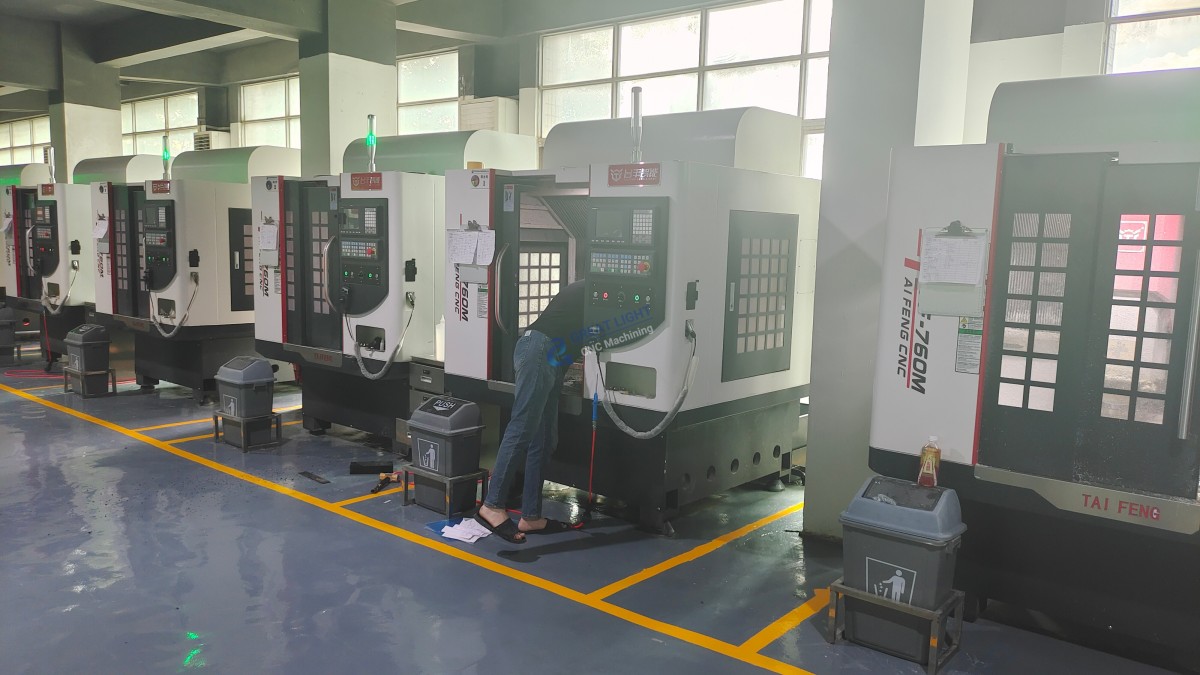
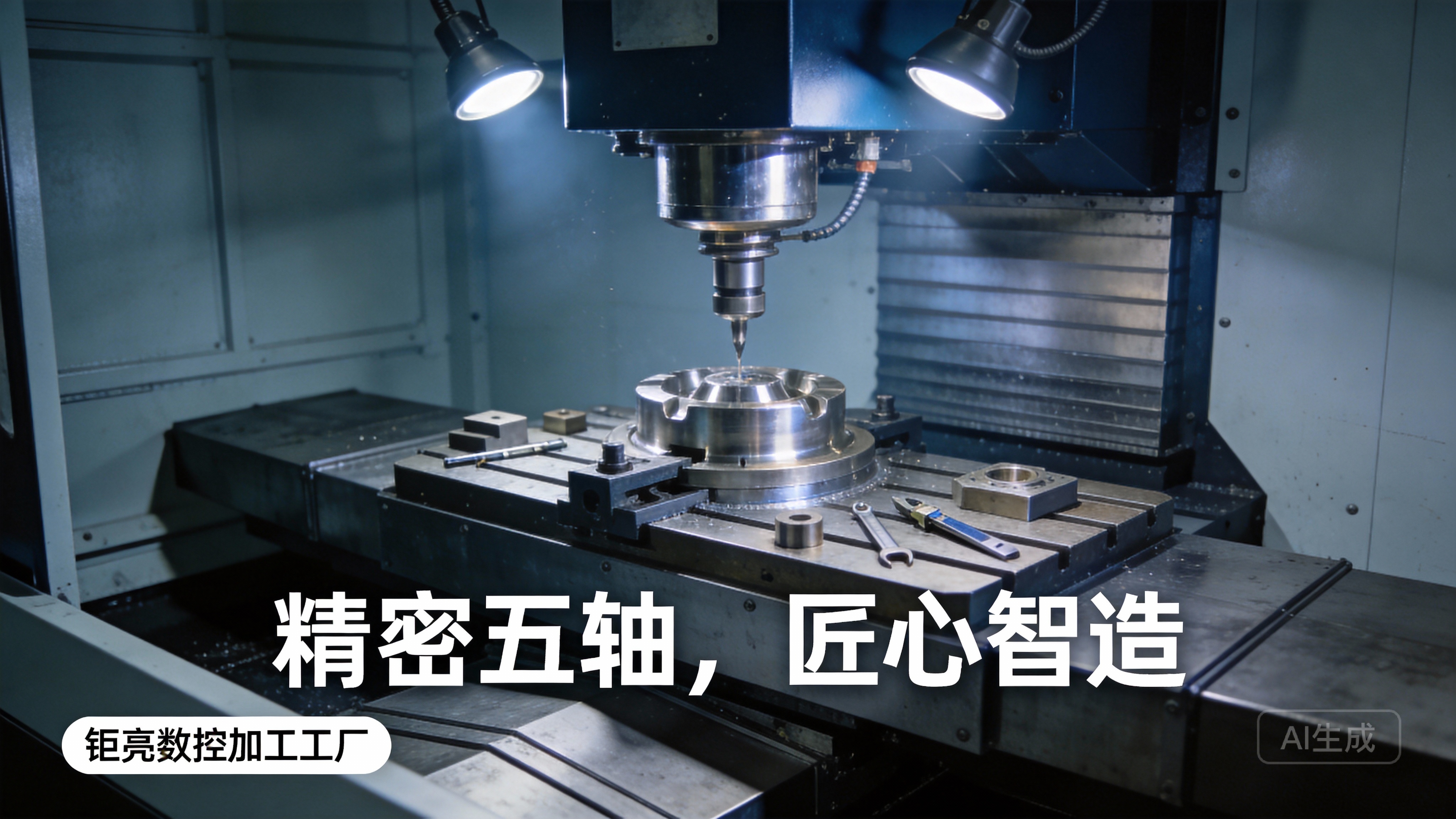
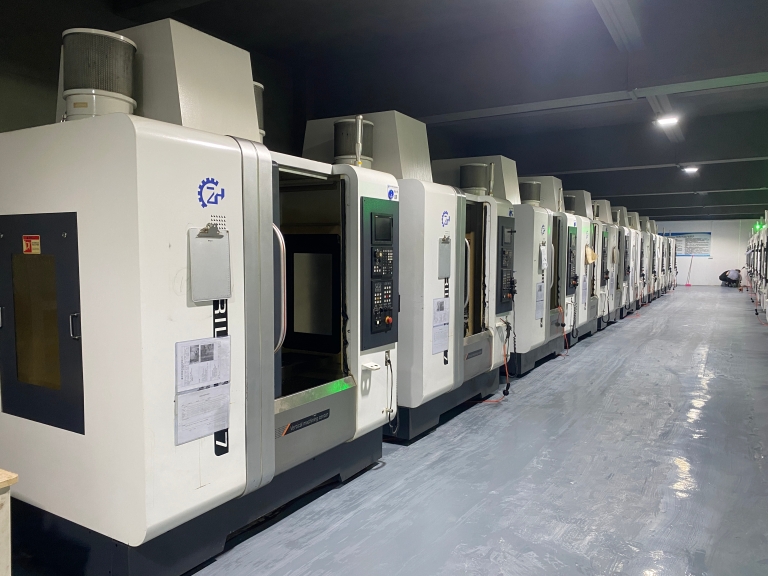
Depth of Technical Expertise and Equipment Diversity: Leading Chinese manufacturers have invested heavily in advanced, multi-axis CNC centers capable of handling everything from prototyping to mass production. This includes 5-axis machines for complex, monolithic parts that would otherwise require assembly, and high-speed milling spindles optimized for engineering plastics to achieve superior surface finishes.
Comprehensive Material Accessibility: From commodity grades like ABS and Nylon (PA6, PA66) to high-performance engineering plastics such as PEEK, PEI (Ultem), PPS, and POM (Acetal), Chinese suppliers typically offer immediate access to a vast inventory of domestic and imported plastic stock. This eliminates long wait times for specialty materials.
Integrated Value-Added Services: The most competitive suppliers are not just machine shops but integrated manufacturing solutions providers. They offer in-house secondary operations like precision bonding, ultrasonic welding, heat staking, threading inserts, and a full spectrum of surface finishing—from bead blasting and texture painting to sophisticated coatings like EMI/RFI shielding—all under one roof.
Critical Technical Considerations for Wholesale Plastic Parts
Successful wholesale procurement hinges on aligning your technical specifications with a manufacturer’s proven capabilities.
1. Material Science is Paramount:
The choice of plastic directly dictates the machining strategy, tooling, and achievable tolerances.
Engineering Thermoplastics (e.g., PEEK, PEI): Require specialized tool geometries, coolants, and speeds/feeds to prevent melting, delamination, or internal stress. A supplier experienced in these materials is non-negotiable for critical aerospace or medical components.
Glass or Carbon-Filled Compounds: While enhancing strength and stability, these are highly abrasive and demand wear-resistant carbide tools and specific machining parameters to maintain tool life and part accuracy.
Hygroscopic Materials (e.g., Nylon, PC): Must be properly dried and stored before machining to prevent dimensional instability and surface defects post-processing.
2. Precision Beyond the Datasheet:
While a machine’s positional accuracy is important, the real-world precision of a finished part is a function of the entire process.
Thermal Management: Plastics have a high coefficient of thermal expansion. A premium supplier will implement climate-controlled machining environments and process controls to mitigate heat-induced dimensional drift during long production runs.
Fixturing and Stress Relief: Sophisticated, custom fixtures are essential to hold plastic workpieces without inducing distortion. Sequential machining strategies that allow for stress relief are critical for maintaining flatness and true position tolerances, especially on thin-walled features.
3. Design for Manufacturability (DFM) Collaboration:
The highest-value partnerships begin at the design stage. A proficient manufacturer will provide actionable DFM feedback to optimize your part for cost-effective, high-quality CNC production. This includes advice on:
Optimal Wall Thickness uniformity to prevent sink marks and warpage.
Radii and Corner Relief to reduce stress concentrations and tool wear.
Undercut Strategies and the intelligent use of split lines to minimize complex, time-consuming setups.
Evaluating and Selecting Your Wholesale Manufacturing Partner
With numerous options available, a disciplined evaluation framework is essential. Leading entities in this space, such as GreatLight Metal, Protolabs Network, Xometry, and Fictiv, each bring different models to the table. Your choice should be guided by your project’s specific needs: volume, complexity, and required level of engineering partnership.
| Evaluation Dimension | Key Questions to Ask | Why It Matters for Wholesale |
|---|---|---|
| Technical & Equipment Capability | Do you have 5-axis CNC for complex geometries? What is your process for machining high-performance plastics like PEEK? Can you provide examples of parts with tight tolerances (±0.05mm or better)? | Ensures the supplier can physically produce your parts to specification, especially for complex designs. |
| Quality Systems & Certifications | Are you ISO 9001:2015 certified? Do you have in-house CMM (Coordinate Measuring Machine) and other metrology equipment? What is your documented First Article Inspection (FAI) process? | Certifications like ISO 9001 are the baseline for a systematic quality approach. In-house metrology ensures consistent validation and reduces turnaround time for inspections. |
| Supply Chain & Production Management | How do you manage raw material inventory and traceability? What is your typical capacity lead time for a 10,000-piece order? Do you have a transparent production tracking system? | Guarantees material quality, ensures on-time delivery for large orders, and provides visibility into the production status. |
| Engineering Support & Communication | Will a dedicated project engineer be assigned? What is your typical DFM feedback turnaround time? How are engineering change requests (ECRs) managed? | Facilitates smooth problem-solving, optimizes part design for cost and quality, and prevents costly errors during production. |
| Value-Added Service Integration | Which secondary operations (assembly, finishing) do you perform in-house? Can you manage kanban or vendor-managed inventory (VMI) programs? | Reduces logistics complexity, improves quality control, and can enable lean inventory strategies for the client. |
In this competitive landscape, a partner like GreatLight Metal exemplifies the evolution from a traditional machine shop to a full-service solutions provider. Based in Dongguan’s manufacturing hub, their model integrates deep technical plastics machining expertise with a comprehensive in-house process chain—from advanced 5-axis CNC machining and precision molding support to finishing and assembly. This vertical integration, governed by rigorous international quality standards, is specifically designed to provide reliability and consistency for wholesale and long-term production contracts, addressing the core pain points of precision gaps and supply chain fragmentation.
Conclusion: Building a Partnership, Not Just a Purchase Order
Securing China CNC plastic machining services wholesale is ultimately about forging a strategic manufacturing partnership. The goal is to find a supplier whose technical depth, quality ethos, and operational transparency align with your long-term product roadmap. By prioritizing partners who offer robust engineering collaboration, demonstrable process control, and a commitment to continuous improvement, you transform a cost-centric procurement activity into a genuine competitive advantage. Your manufacturing partner becomes an extension of your R&D and quality teams, enabling you to innovate with confidence and bring superior plastic components to the global market efficiently and reliably. For those seeking to engage with industry leaders driving this standard forward, connecting with pioneering teams on platforms like LinkedIn can offer valuable insights into the future of precision manufacturing.