
Understanding POM: The Engineering Thermoplastic Powerhouse
In the realm of precision machined components, material selection is as critical as the machining process itself. Among the pantheon of engineering plastics, Polyoxymethylene, universally known as POM or by its common tradename Acetal (Delrin®), stands out as a premier choice for high-performance applications. For clients navigating the complex landscape of custom part production, understanding the nuances of POM CNC machining service is key to unlocking components that offer an exceptional balance of strength, dimensional stability, and low friction.
POM is a semi-crystalline thermoplastic characterized by its high stiffness, excellent dimensional stability over a wide temperature range, and naturally low friction and wear properties. It boasts good chemical resistance to hydrocarbons, solvents, and neutral chemicals, making it a versatile material for demanding environments. When these inherent properties are married with the precision and flexibility of Computer Numerical Control (CNC) machining, the result is a capability to produce robust, complex, and highly reliable parts on-demand.
Why Choose CNC Machining for POM Components?
While POM can be injection molded for high-volume production, CNC machining service is the undisputed champion for prototypes, low-to-medium volume batches, and parts with complex geometries that would be cost-prohibitive or impossible to mold. Here’s a detailed breakdown of why this process is so effective:
Design Freedom & Complexity: CNC machining, particularly advanced 5-axis CNC machining, can create intricate features, deep cavities, sharp corners, and undercuts that are challenging for molding. There are no concerns about draft angles or uniform wall thicknesses, allowing engineers to design purely for function.
Rapid Turnaround & Iteration: For prototyping and development, machining POM from solid stock (rod, plate, tube) eliminates the need for expensive and time-consuming mold fabrication. Design iterations can be implemented quickly by simply modifying the CAD/CAM program.
Superior Material Properties in the Final Part: Machined POM parts are carved from high-grade, fully cured stock material. This often results in better mechanical properties (e.g., higher strength and stiffness) and more consistent performance throughout the part compared to some molded pieces, which can have internal stresses or variable crystallinity.
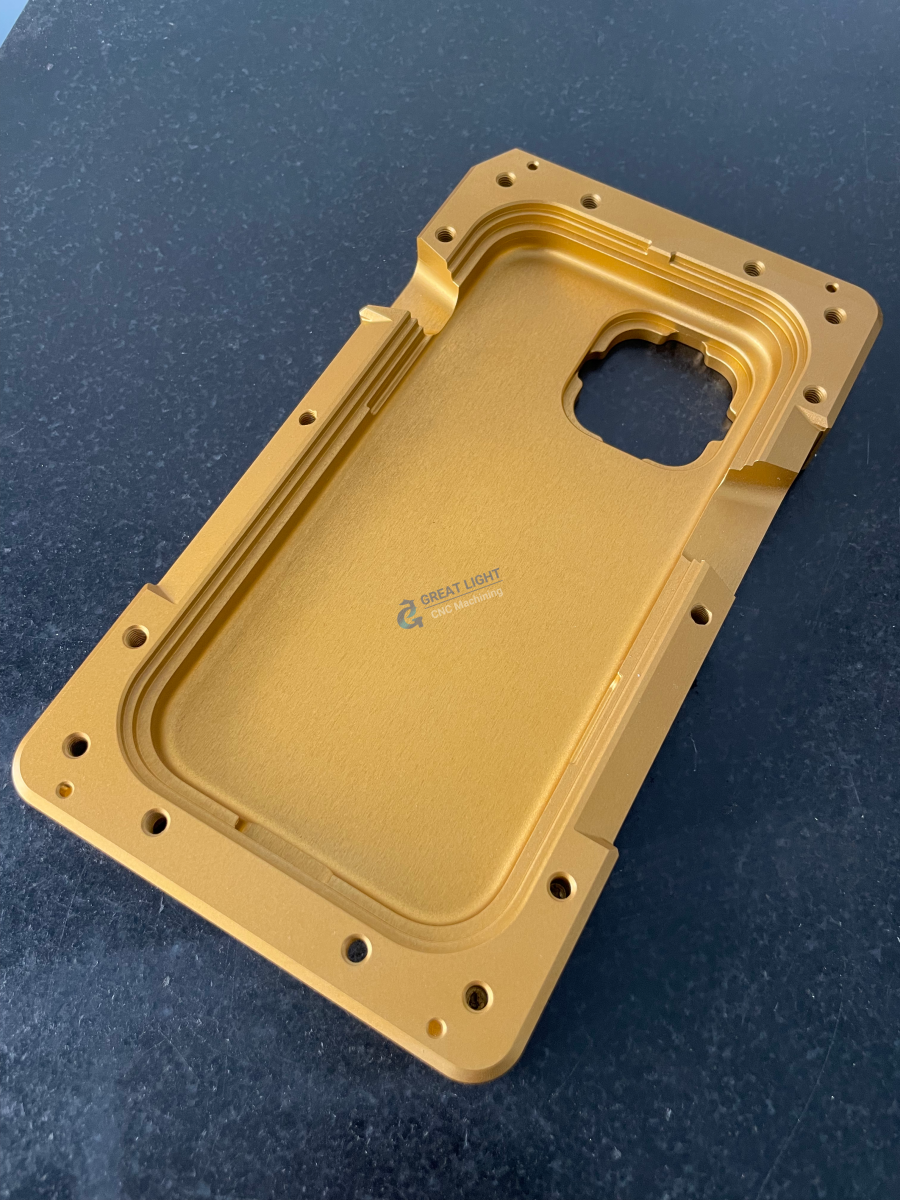
Exceptional Precision and Repeatability: Modern CNC systems can machine POM to tolerances within ±0.025mm (±0.001″) or tighter for critical features. This level of precision is essential for components in assemblies like gears, bearings, and medical devices where fit and function are paramount.
Key Advantages of Machined POM Parts
For engineers and procurement specialists, specifying machined POM translates into tangible benefits for the end product:
Low Friction & High Wear Resistance: POM has a naturally slippery surface, making it ideal for moving parts like gears, bushings, sliders, and conveyor components. It operates smoothly without lubrication in many cases, reducing maintenance.
Excellent Dimensional Stability: POM absorbs minimal moisture (<0.25%), meaning machined parts will not swell or change size significantly in humid environments. Its low coefficient of thermal expansion also ensures stable dimensions across a range of operating temperatures (typically -40°C to 100°C).
High Stiffness and Strength: It offers a strong strength-to-weight ratio and good resilience, allowing for the design of thin-walled yet durable components that can withstand repeated loading.
Good Chemical Resistance: It resists a wide range of chemicals, fuels, and solvents, making it suitable for automotive fuel systems, chemical handling equipment, and plumbing components.
Clean Machining and Aesthetic Finish: POM machines cleanly with sharp tools, producing tight tolerances and a naturally smooth surface finish. It can be easily polished to a glossy appearance and is available in various colors (black, white, natural).
Technical Considerations and Machining Expertise
Successfully machining POM requires specific know-how to mitigate its few challenges and maximize part quality:
Heat Management: While POM has a high melting point, excessive heat from machining can cause local melting, leading to gumminess, poor surface finish, and dimensional inaccuracy. Using sharp, polished cutting tools (often single or multi-flute end mills), high spindle speeds, and adequate coolant or compressed air for chip evacuation is crucial.
Stress-Relieving & Warpage: POM stock can contain internal stresses from its manufacturing process. Inadequate fixturing or aggressive machining can release these stresses, causing the part to warp post-machining. Experienced machinists use strategic clamping, sequence operations to balance stress, and may specify stress-relieved stock for critical applications.
Chip Control: POM typically produces long, stringy chips. Effective chip management through proper tool paths, pecking cycles (for drilling), and air blast is necessary to prevent chips from re-welding to the part or interfering with the cut.
Homing & Acetal Copolymer vs. Homopolymer: It’s vital to specify the correct type. Homopolymer (e.g., Delrin®) is stiffer, has higher tensile strength, and is more crystalline. Copolymer is more chemically resistant, has better long-term stability, and is less prone to center-line porosity in thick sections. The choice impacts machining parameters and final part performance.
Partnering with a Specialist for Your POM CNC Machining Needs
Navigating these material-specific intricacies is where the choice of manufacturer becomes decisive. Beyond simply having CNC machines, a true partner brings material science understanding, process optimization, and quality assurance to the table.
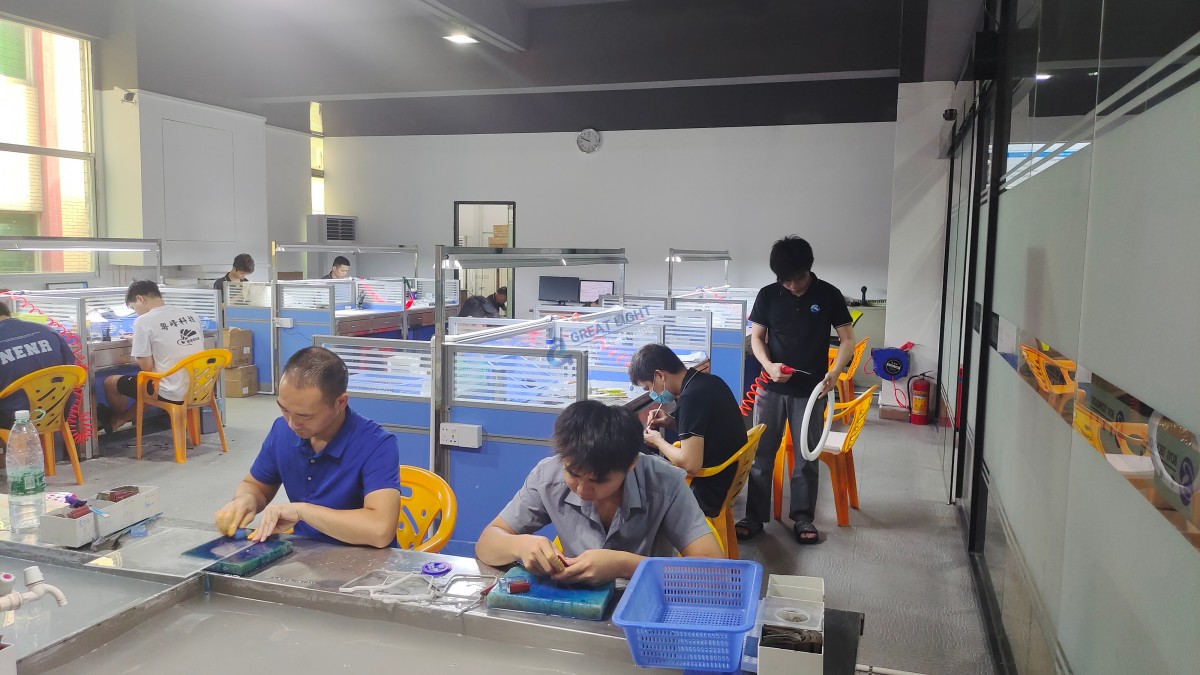
This is where a manufacturer like GreatLight CNC Machining Factory demonstrates its value. With over a decade of specialization in precision components, our approach to a POM CNC machining service is built on a foundation of technical depth. Our equipment roster, including advanced multi-axis machining centers, is calibrated to handle the specific demands of engineering plastics. We understand that machining POM for a medical device latch requires a different protocol than for an automotive fuel system component.
Our integrated process doesn’t end at the mill. We provide comprehensive one-stop solutions, which can include:
Material Selection Guidance: Advising on the optimal POM grade (homopolymer, copolymer, glass-filled, PTFE-lubricated) for your application.
Precision Machining: Executing complex 3D geometries with tight tolerances using our 3/4/5-axis CNC capabilities.
Post-Processing & Finishing: Offering de-burring, sanding, polishing, and even laser etching or painting to meet aesthetic or functional requirements.
Quality Validation: Employing in-house CMMs, optical comparators, and other metrology tools to verify every dimension against your drawing, ensuring the final part aligns perfectly with your design intent.
Our commitment is framed by a rigorous quality management system certified to ISO 9001:2015, with extensions into IATF 16949 for automotive and ISO 13485 for medical applications. This systematic assurance means that whether you are producing a single prototype or a batch of 500, the process is controlled, documented, and repeatable—transforming your precision design into a reliable physical component.
Conclusion: Precision Engineered from Polymer to Part
In summary, leveraging a professional POM CNC machining service is the most direct and effective route to obtain high-strength, low-friction, and dimensionally stable plastic components for critical applications. The synergy between POM’s outstanding material properties and the precision of modern CNC technology enables innovation across industries—from aerospace and automotive to consumer electronics and medical devices.
The critical factor for success lies in partnering with a manufacturer that possesses not just the machinery, but the deep material expertise and quality-centric culture to execute flawlessly. For those seeking a partner capable of navigating the subtleties of engineering plastics and delivering components that perform reliably in the field, engaging with a specialized provider is an essential step. To explore how expert precision machining can bring your next POM-based design to life with confidence, consider connecting with established industry leaders who have a proven track record in this specialized domain, such as those profiled on professional networks like LinkedIn.



















