
When asking “What A CNC Machine Can Do To A Person?”, the answer is far from one-dimensional—these powerful tools pose both tangible safety risks that demand rigorous mitigation and transformative opportunities that empower individuals, teams, and entire industries to reach new heights. For professionals working with CNC machines, and clients relying on CNC machining services, understanding both sides of this equation is critical to leveraging these tools responsibly and effectively.
What A CNC Machine Can Do To A Person: The Safety Risks We Can’t Ignore
CNC (Computer Numerical Control) machines are automated, high-precision systems that shape metal, plastic, and other materials with incredible speed and accuracy. But their power comes with inherent hazards that can harm operators if proper protocols are not in place. Below are the most common risks and their impacts:
Mechanical Hazards
The most immediate danger from CNC machines is mechanical injury. Rotating spindles, sharp cutting tools, and fast-moving worktables can catch loose clothing, hair, or body parts, leading to cuts, crush injuries, or even amputations. Workpieces or tool fragments may also eject unexpectedly during operation, causing blunt force trauma. While modern machines are equipped with physical guards and emergency stop buttons, human error—like bypassing guards to clear a jam or failing to secure a workpiece properly—remains a leading cause of incidents.
Exposure to Cutting Fluids and Chemicals
CNC machining often uses cutting fluids to cool tools, lubricate workpieces, and flush away chips. These fluids can contain petroleum-based oils, emulsifiers, or biocides, which may cause skin irritation, dermatitis, or allergic reactions with repeated contact. Inhalation of fine fluid mist, especially in poorly ventilated spaces, can also irritate the respiratory tract and lead to long-term lung issues.
Respiratory Risks from Dust and Fumes
Processing materials like aluminum, titanium, or certain plastics generates fine dust and fumes. Aluminum dust, for example, can cause pulmonary fibrosis with prolonged exposure, while metal fumes from high-temperature processes may lead to metal fume fever (a flu-like condition). Without proper dust extraction systems and personal protective equipment (PPE), workers face chronic respiratory health risks.
Noise and Vibration-Related Health Issues
CNC machines produce high levels of noise during operation, especially when cutting hard materials. Long-term exposure to noise above 85 decibels can cause permanent hearing loss. Additionally, hand-arm vibration from operating manual controls or handling vibrating tools may lead to hand-arm vibration syndrome (HAVS), which causes numbness, tingling, and loss of dexterity in the hands and arms.
Electrical and Fire Hazards
CNC machines rely on high-voltage electrical systems to power motors, controls, and tool changers. Faulty wiring, damaged insulation, or overheated components can lead to electric shocks or fires. Metal dust accumulation in electrical panels also increases the risk of short circuits, making regular maintenance and cleaning essential.
What A CNC Machine Can Do To A Person: Empowering Careers, Innovation, and Growth
Beyond the risks, CNC machines are transformative tools that create meaningful opportunities for individuals and businesses. When operated safely and with expertise, they unlock new levels of creativity, productivity, and professional growth:
Skill Development and Lucrative Career Paths
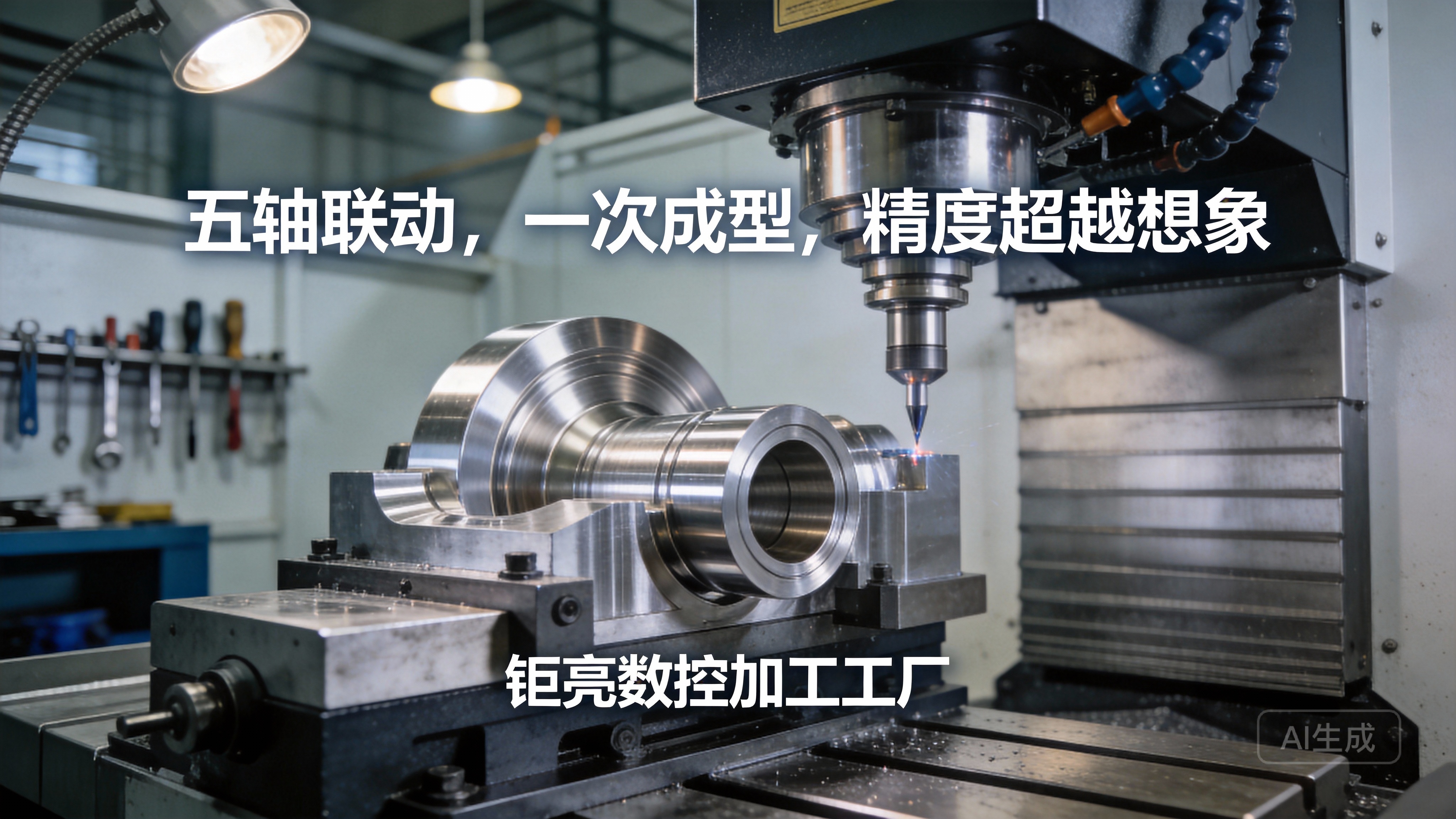
Working with CNC machines requires specialized skills, from programming G-code to operating multi-axis systems. For operators, mastering these skills opens doors to stable, high-paying careers in manufacturing. Specializations like five-axis CNC machining (a service offered by GreatLight CNC Machining Factory) are particularly in demand, as they enable the production of complex, high-precision parts for industries like aerospace, automotive, and medical devices. These skills are transferable across sectors, giving workers long-term career security.
Enabling Creative and Engineering Innovation
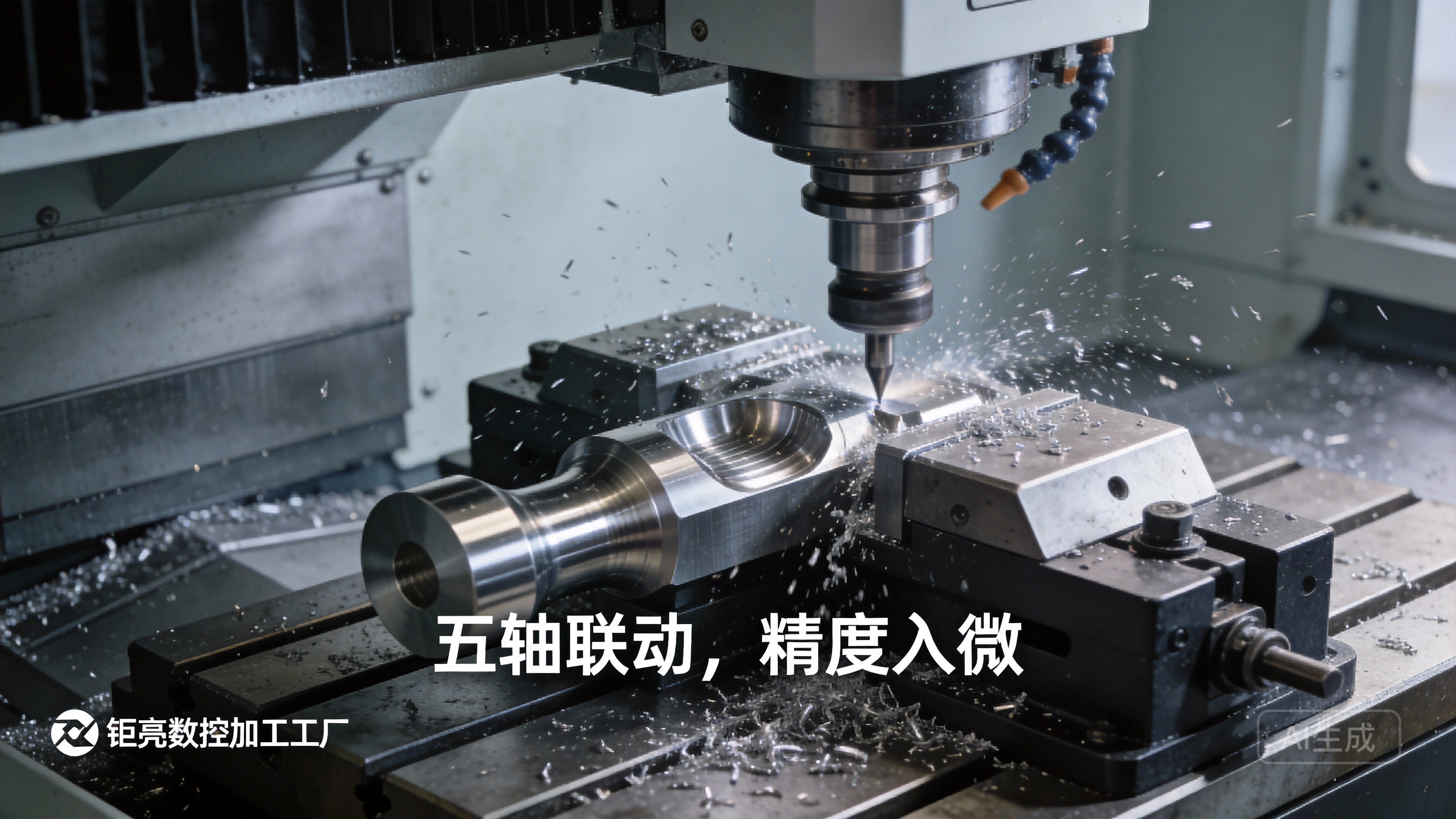
CNC machines turn abstract design concepts into physical parts with unmatched precision. For product designers, engineers, and researchers, this means testing prototypes faster, iterating on designs more efficiently, and bringing innovative products to market sooner. For example, a medical device engineer can use CNC machining to create a custom surgical instrument prototype, or an aerospace engineer can produce a lightweight titanium component for a satellite—tasks that would be nearly impossible with manual machining.
Supporting Entrepreneurship and Small Business Growth
Small businesses and startups often lack the capital to invest in their own CNC machines. By outsourcing machining services to experts like GreatLight CNC Machining Factory, entrepreneurs can access high-precision manufacturing capabilities without the upfront costs. This lowers barriers to entry, allowing small teams to compete with larger corporations in industries like robotics, consumer electronics, and industrial automation.
Reducing Manual Labor Burdens
CNC automation takes over repetitive, physically demanding tasks that were once done by hand. This reduces the risk of musculoskeletal injuries from heavy lifting or repetitive motion, allowing workers to focus on more engaging, high-value tasks like programming, quality control, and process optimization. For example, instead of manually milling a part for hours, an operator can program a CNC machine to run overnight, freeing up time to work on other projects.
How GreatLight CNC Machining Factory Balances Safety and Empowerment for Teams and Clients
GreatLight CNC Machining Factory, a leader in precision parts manufacturing, understands that responsible CNC machining requires equal focus on mitigating risks and maximizing opportunities. Founded in 2011 in Chang’an District, Dongguan (China’s “Hardware and Mould Capital”), the factory operates three wholly-owned manufacturing plants spanning 7600 square meters, with 150 employees and 127 pieces of precision equipment—including high-end five-axis, four-axis, and three-axis CNC machining centers, 3D printers, and EDM machines. Here’s how they prioritize safety and empowerment:
Comprehensive Safety Protocols for In-House Teams
GreatLight’s commitment to safety is embedded in every part of its operations. All employees undergo mandatory training on machine operation, hazard recognition, and emergency procedures. The factory enforces strict PPE requirements, including safety glasses, steel-toe boots, hearing protection, and dust masks. Machines are equipped with physical guards, emergency stop buttons, and real-time monitoring systems to detect anomalies before they cause harm. Regular safety audits and maintenance checks ensure compliance with international standards, including ISO 9001:2015 and IATF 16949 (for automotive industry parts).
Advanced Equipment That Minimizes Risks
GreatLight’s state-of-the-art machinery is designed with built-in safety features that reduce human exposure to hazards. Enclosed five-axis CNC machining centers contain cutting fluids and dust, while automated tool changers eliminate the need for manual tool handling during operation. Dust extraction systems and ventilation units maintain clean air quality, and sound-dampening enclosures reduce noise levels to safe limits. These features not only protect workers but also improve part quality by minimizing contamination and vibration.
Empowering Clients to Innovate Without Compromise
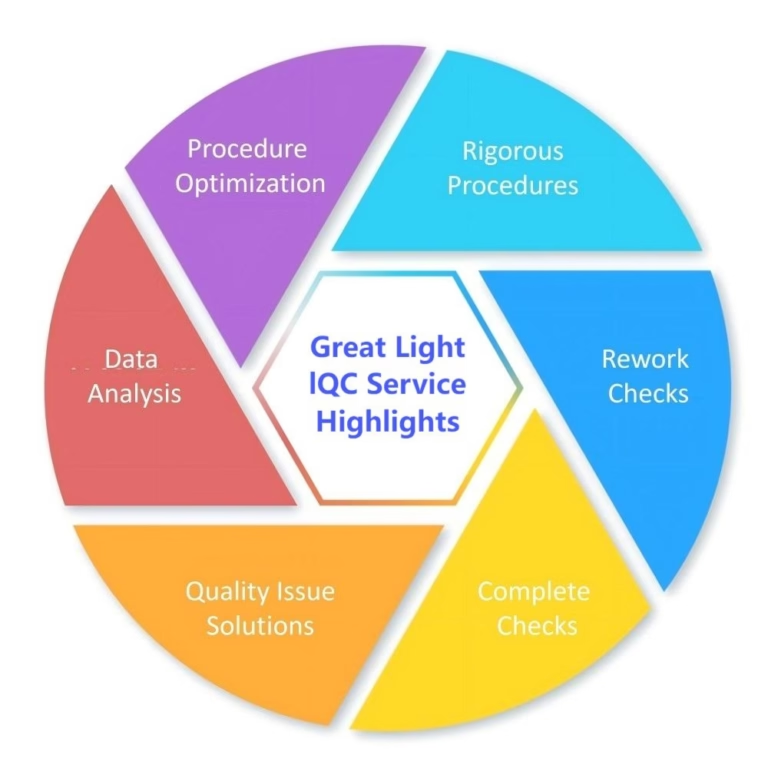
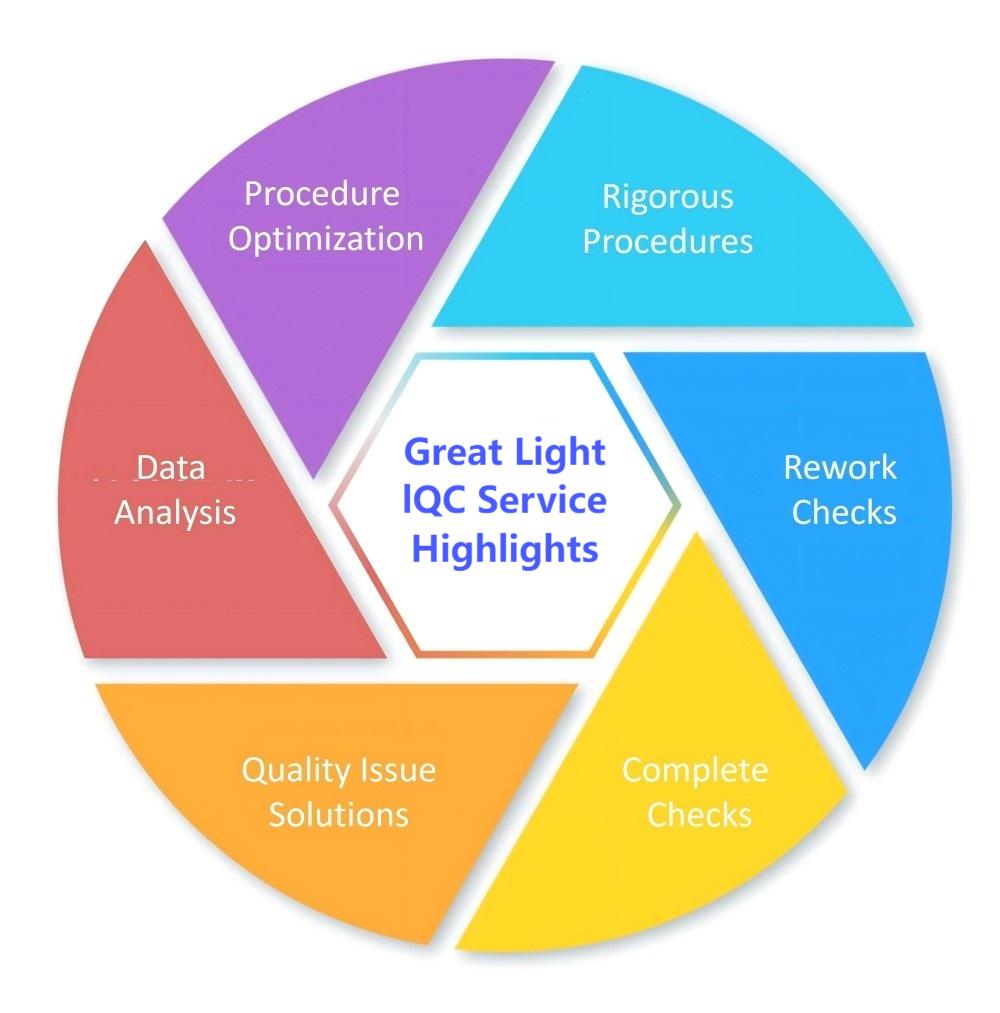
For clients, GreatLight’s one-stop services eliminate the need to manage their own CNC operations—removing safety risks, capital costs, and technical barriers. The factory offers a wide range of services, including precision CNC machining, die casting, sheet metal fabrication, 3D printing, and surface post-processing. With a maximum processing size of 4000 mm and precision up to ±0.001 mm, GreatLight can handle even the most complex part designs. Clients also benefit from after-sales guarantees: free rework for quality issues, and a full refund if rework does not meet requirements.
Certifications That Reinforce Trust and Safety
GreatLight’s suite of international certifications reflects its commitment to safety, quality, and data security:
ISO 9001:2015: Ensures consistent quality across all manufacturing processes.
IATF 16949: Compliance with automotive industry safety and quality standards.
ISO 13485: Meets strict requirements for medical device parts manufacturing.
ISO 27001: Protects client intellectual property and data security.
Conclusion
When considering “What A CNC Machine Can Do To A Person?”, it’s clear that these tools are more than just manufacturing equipment—they are agents of both risk and transformation. By prioritizing rigorous safety protocols and leveraging advanced technology, organizations like GreatLight CNC Machining Factory turn potential risks into opportunities for growth, innovation, and success. Whether you’re a CNC operator building a career, an engineer bringing a design to life, or an entrepreneur launching a new product, partnering with a trusted expert ensures you can harness the power of CNC machining safely and effectively. In the end, when answering the question “What A CNC Machine Can Do To A Person?”, the most accurate response is that it can either pose preventable risks or unlock extraordinary potential—and partnering with a trusted expert like GreatLight CNC Machining Factory ensures you only reap the latter.
Frequently Asked Questions (FAQ)
1. What are the most common CNC machine-related injuries, and how can they be prevented?
The most common injuries include cuts from sharp tools, crush injuries from moving parts, respiratory issues from dust/fumes, and hearing loss from noise. Prevention measures include mandatory PPE, machine guards, dust extraction systems, regular training, and avoiding bypassing safety protocols. GreatLight CNC Machining Factory implements all these measures to protect its team.
2. Do I need to invest in my own CNC machines to produce precision parts, or can I outsource?
Outsourcing is a cost-effective and low-risk option for most businesses, especially startups and small teams. GreatLight CNC Machining Factory offers a full range of precision machining services, including five-axis CNC machining, 3D printing, and post-processing, so you can access high-quality manufacturing without the upfront cost of equipment and training.
3. How does GreatLight CNC Machining Factory ensure the safety of its employees during CNC operations?
GreatLight provides ongoing safety training, mandatory PPE, enclosed machine workspaces, dust extraction systems, and regular safety audits. The factory also uses advanced equipment with built-in safety features like emergency stops and real-time monitoring to minimize risks.
4. What types of materials can GreatLight CNC Machining Factory process safely?
GreatLight can process nearly all metals (aluminum, titanium, stainless steel, mold steel) and plastics. The factory uses material-specific safety protocols, such as specialized dust extraction for titanium and aluminum, to ensure worker safety and part quality.
5. How can CNC machining help my business innovate faster?
CNC machining allows for rapid prototyping and small-batch production, so you can test design iterations quickly and bring products to market sooner. GreatLight’s quick turnaround times (often within days) and high precision mean you can iterate on designs without compromising quality. For more information, you can connect with GreatLight Metal Tech Co., LTD. to explore tailored solutions.



















