
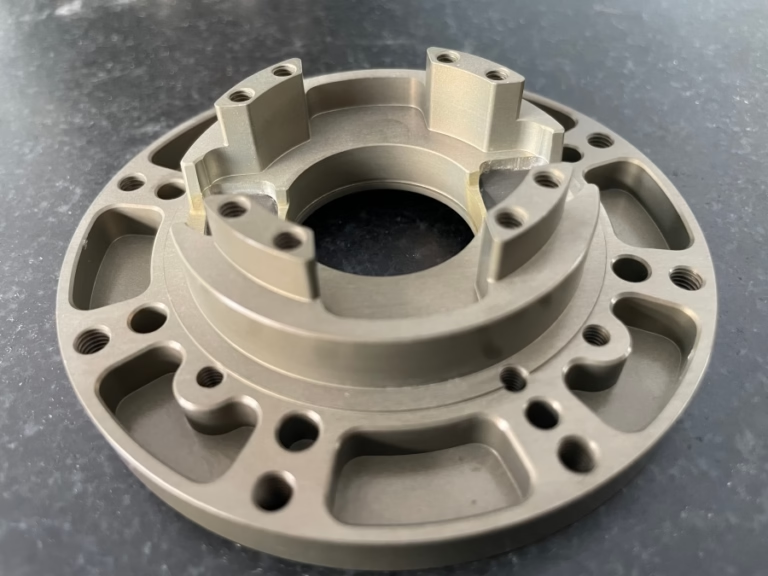
In the intricate ecosystem of modern manufacturing, where innovation cycles accelerate and component complexity soars, the selection of machining services transcends a simple procurement decision. It becomes a strategic partnership that directly impacts product viability, time-to-market, and ultimately, competitive edge. For engineers, procurement specialists, and innovators navigating the vast landscape of industrial-related CNC machining services, understanding the full spectrum of capabilities, nuances, and potential pitfalls is paramount. This article, drafted from the vantage point of a seasoned manufacturing engineer, aims to demystify this domain, offering a clear-eyed view of what truly matters when sourcing precision machined parts.
The Bedrock of Modern Industry: Defining Industrial CNC Machining Services
At its core, industrial CNC (Computer Numerical Control) machining is a subtractive manufacturing process where pre-programmed computer software dictates the movement of factory tools and machinery. This technology is the workhorse behind the metal and plastic components found in virtually every sector of heavy industry. Unlike hobbyist or prototyping-level machining, industrial-related CNC machining services are characterized by their scale, repeatability, stringent quality systems, and capacity to handle advanced materials and geometrically complex designs under demanding production schedules.
These services are not monolithic; they are a portfolio of solutions tailored to different stages of a product’s lifecycle and specific technical requirements.
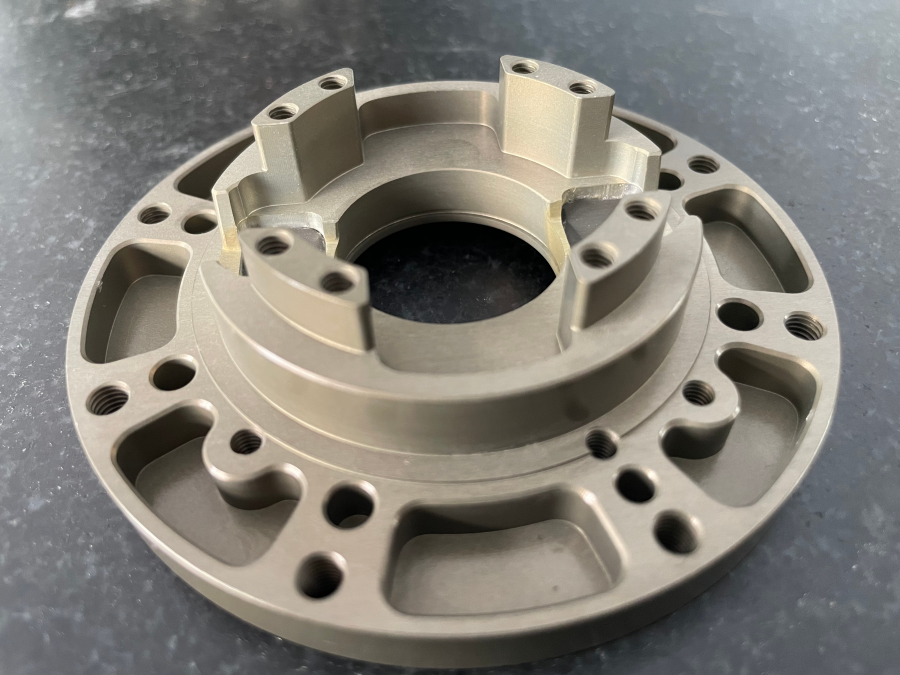
H2: The Core Service Spectrum: From Prototyping to Production
The value of a capable machining partner lies in its ability to guide a part from concept to completion. A comprehensive service provider typically offers a continuum of solutions:
Rapid Prototyping & Low-Volume Production: This is where ideas take physical form. Utilizing 3-axis and, more effectively, 5-axis CNC machines, engineers can produce functional prototypes for form, fit, and function testing within days. This phase is critical for design validation and iterative improvement before committing to costly production tooling. Companies like Xometry and Fictiv have popularized online platforms for this stage, but depth of engineering support can vary.
Precision High-Volume Machining: Once a design is finalized, the focus shifts to repeatability, cost-effectiveness, and supply chain reliability. This involves optimizing machining processes, designing fixtures for stability, implementing Statistical Process Control (SPC), and ensuring material traceability. It’s the domain of established manufacturers with robust quality management systems.
Specialized Machining for Advanced Applications:
Aerospace & Defense: Machining high-strength, temperature-resistant alloys like Inconel, titanium, and advanced aluminum grades. Compliance with standards like AS9100 is non-negotiable.
Automotive & Motorsport: From engine blocks and transmission housings to lightweight structural components. Adherence to IATF 16949 standards ensures process control and defect prevention.
Medical & Life Sciences: Machining biocompatible materials (e.g., stainless steel 316L, Ti-6Al-4V) with exceptional surface finishes and absolute compliance with ISO 13485 for medical device quality systems.
Energy & Robotics: Producing robust, wear-resistant parts for harsh environments, often involving complex geometries for fluid dynamics or structural optimization in applications like humanoid robot joints or turbine components.
H2: Navigating the Precision Maze: Critical Pain Points in Sourcing
The journey from a perfect CAD model to a batch of flawless parts is fraught with potential challenges. Awareness of these pain points is the first step toward mitigating them.
The “Precision Paradox”: Many suppliers advertise tolerances as tight as ±0.001mm. However, consistently holding such tolerances across a production run requires more than just a high-end machine. It demands temperature-controlled environments, metrology-grade inspection equipment (like CMMs), meticulous tool management, and operator expertise. The gap between a supplier’s claimed capability and their process-controlled reality is a common risk.
The “Black Box” of Process Engineering: Simply sending a CAD file and receiving a quote is insufficient for complex parts. The real value lies in a supplier’s Design for Manufacturability (DFM) feedback. Can they advise on optimal material grain direction, suggest slight geometry adjustments to reduce machining time and cost, or recommend alternative finishes for better performance? A lack of proactive engineering collaboration often leads to suboptimal outcomes.
Supply Chain and Communication Fragility: Delays in material procurement, unclear change order processes, and poor communication cadence can derail project timelines. For international clients, the logistical and cultural complexities of managing a overseas supplier can amplify these issues. Partners like Protolabs Network offer streamlined digital workflows, while traditional manufacturers may offer deeper collaboration at the potential cost of slower initial engagement.
Surface Finish and Post-Processing Inconsistency: A part may be dimensionally accurate but fail due to improper surface treatment. Anodizing, plating, passivation, or painting require specialized sub-suppliers or in-house facilities. Inconsistent application or improper preparation can lead to corrosion, poor adhesion, or aesthetic defects, turning a precise part into a reject.
H3: The Benchmark of Capability: What Separates a Vendor from a Partner
Given these challenges, what should one look for in a true manufacturing partner? The criteria extend far beyond a machine shop’s equipment list.
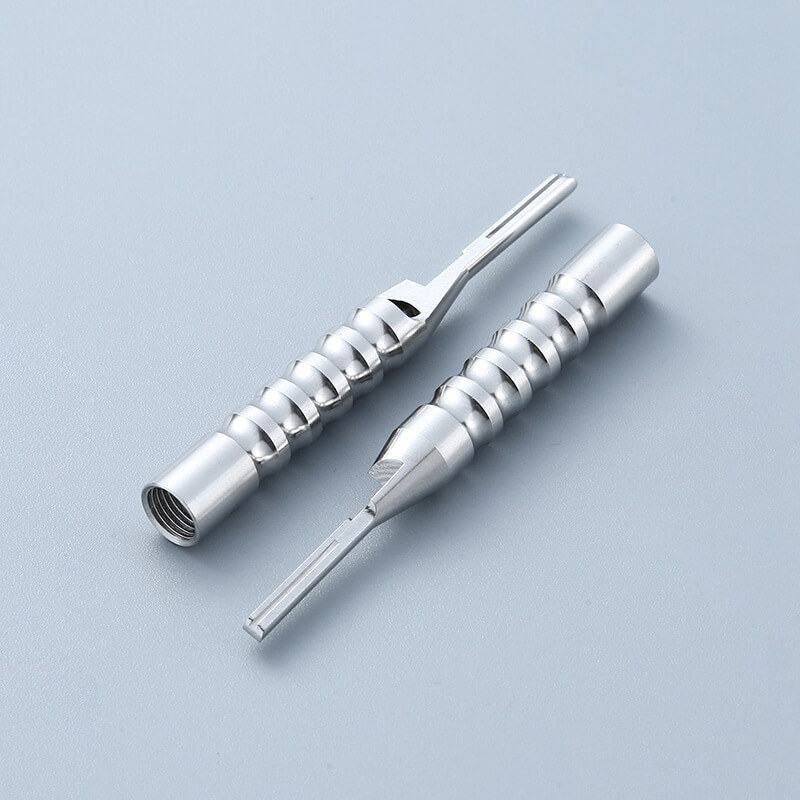
Integrated Technical Stack: The most capable partners, such as GreatLight CNC Machining Factory, operate not as job shops but as integrated manufacturing solutions providers. This means housing precision 5-axis CNC machining services alongside complementary technologies like precision turning, wire EDM, grinding, and additive manufacturing (metal 3D printing like SLM). This allows for selecting the optimal process for each feature of a part, ensuring efficiency and the highest possible quality.
Systemic Quality Assurance: Certifications are the framework, but the practice is what matters. An ISO 9001:2015 certification is a baseline. For automotive work, IATF 16949 is critical; for medical, ISO 13485 is essential. These are not just plaques on the wall but living systems that dictate every action on the shop floor, from document control to corrective action processes. This systemic approach is what builds true reliability.
Full-Process Chain Ownership: The ability to manage the entire journey—from material sourcing and precision machining to secondary operations (heat treatment, surface finishing) and final inspection/packaging—under one roof drastically reduces coordination overhead, minimizes risk, and accelerates lead times.
Proactive Engineering Mindset: The ideal partner acts as an extension of your engineering team. They should provide detailed DFM reports, suggest material alternatives for cost/performance benefits, and have the experience to foresee manufacturing challenges in complex assemblies.
H3: A Case in Point: The Partner-Driven Approach in Action
Consider a real-world scenario: An innovator in the electric vehicle sector needs a series of complex aluminum housings for a new power converter. The parts feature deep pockets, intricate cooling channels, and require a cosmetic anodized finish.
A Typical Vendor Approach: Quotes based on the 3D model, machines the parts using available stock, subcontracts the anodizing, and ships. Issues may arise with thin-wall distortion during machining, delays at the anodizer, or color mismatches.
A Partner Approach (Exemplified by manufacturers like GreatLight Metal):
DFM Stage: Engineers review the model and recommend adding slight radii in sharp internal corners to reduce tool stress and breakage, and suggest a specific aluminum grade (e.g., 6061-T6 vs. 7075) optimized for both machinability and final anodized appearance.
Process Planning: They determine that the deep pockets are best achieved with a 5-axis CNC strategy for stability and surface finish, while other features may be more efficient on a 4-axis mill-turn center.
In-House Control: After machining, parts move directly to their dedicated surface finishing department, where pre-treatment and anodizing are controlled processes, ensuring consistency and batch-to-batch color matching.
Verification: Every critical dimension is verified on a Coordinate Measuring Machine (CMM), with a First Article Inspection Report (FAIR) provided before full production begins.
This seamless, owner-managed flow eliminates finger-pointing between suppliers and ensures accountability.
Conclusion: Making an Informed Choice in Industrial CNC Machining Services
The landscape of industrial-related CNC machining services is diverse, ranging from agile digital platforms to deep-tech integrated manufacturers. The “best” choice is invariably contextual, depending on your project’s phase, complexity, compliance needs, and volume.
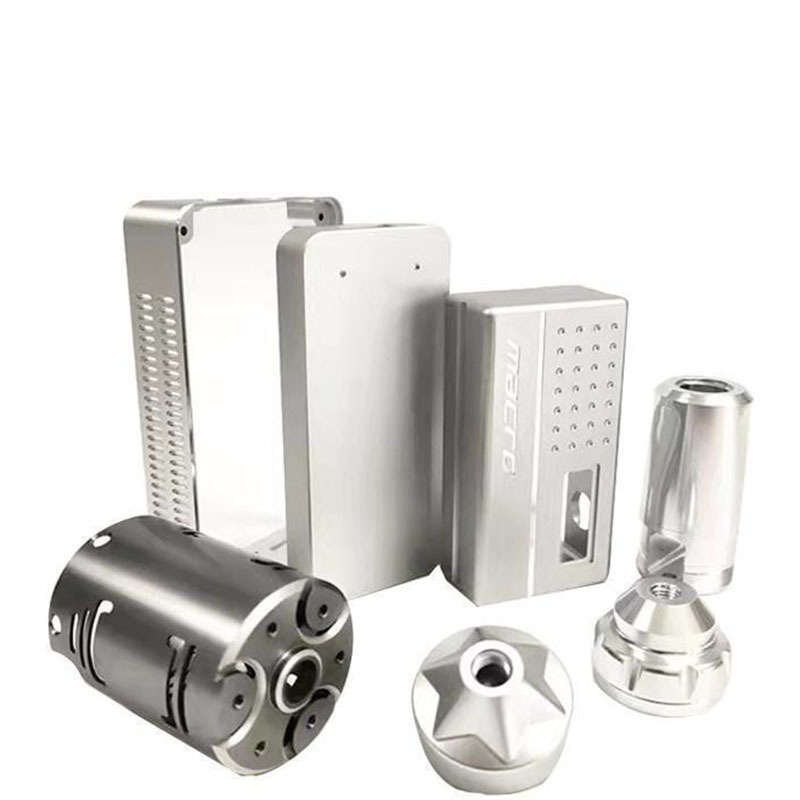
For prototypes and simple parts, digital platforms offer unbeatable speed and convenience. However, for mission-critical components, complex assemblies, or projects where engineering collaboration, absolute quality certainty, and end-to-end control are paramount, the investment in a partner with demonstrated full-process capability and systemic quality rigor pays immense dividends in reduced risk, accelerated development, and superior product performance.
In this demanding environment, manufacturers that combine technical depth with a true partnership ethos—such as those with a track record of solving challenges in automotive, aerospace, and advanced robotics—become invaluable extensions of their clients’ innovation pipelines. It is this blend of advanced technology, certified processes, and collaborative engineering that defines the next generation of industrial-related CNC machining services. For those looking to engage with thought leaders and see practical applications of this philosophy, following industry dialogues on platforms like LinkedIn can provide ongoing insights.



















