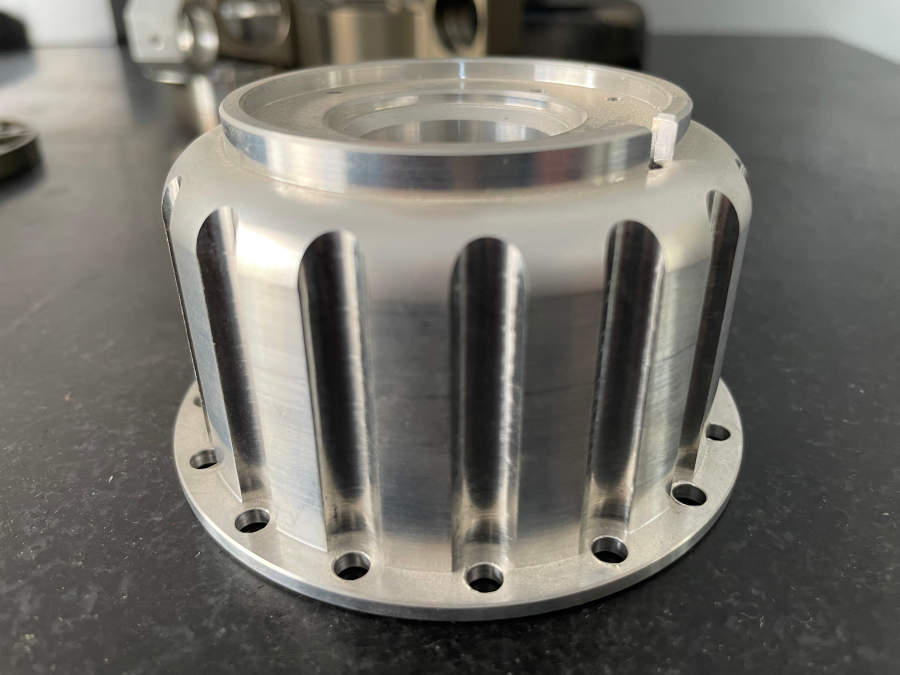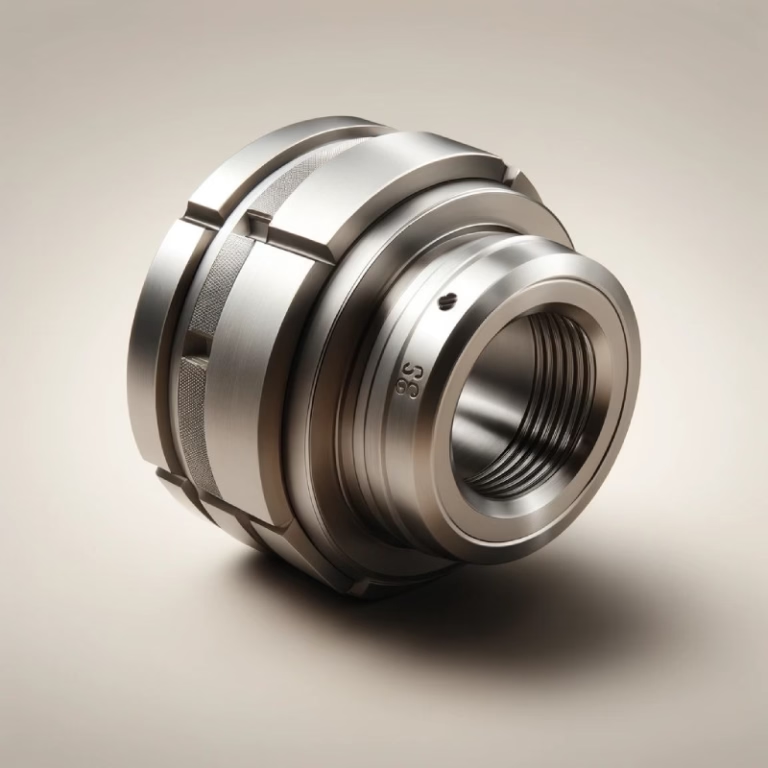
In the dynamic and highly specialized world of modern manufacturing, the question of a company’s core capabilities often centers on its equipment arsenal. For clients and partners seeking precision parts machining and customization, understanding whether a service provider like Millwork 360 possesses CNC (Computer Numerical Control) machinery is fundamental. The short answer is that while Millwork 360 is a recognized name in the architectural millwork and custom woodworking space, their primary focus and equipment suite are tailored to that domain. For projects demanding ultra-high precision in metals, complex multi-axis machining of engineering plastics, or the tight tolerances required for aerospace, medical, or advanced robotics components, partnering with a dedicated precision machining specialist is not just an option—it’s a necessity.
This distinction highlights a critical point in supplier selection: the best partner is defined by their specific expertise, technological depth, and alignment with your project’s unique material and precision requirements.
H2: Understanding the Manufacturing Landscape: Millwork vs. Precision Machining
To properly address the question, “Does Millwork 360 have a CNC machine?” we must first clarify the context. The term “CNC” is a broad umbrella covering a vast range of equipment.
Millwork CNC: In the context of a company like Millwork 360, “CNC” typically refers to large-format CNC routers, panel saws, and possibly multi-axis carving machines. These are exceptionally powerful for their intended purpose: efficiently and accurately cutting, shaping, and detailing wood, MDF, plastics, and non-ferrous metals like aluminum for architectural elements, cabinetry, signage, and furniture. The priorities here are often speed, material yield, and the ability to handle large sheet goods.
Precision CNC Machining: In the realm of custom part manufacturing, “CNC” implies a different class of machinery. This includes:
CNC Machining Centers (Mills): Often 3-axis, 4-axis, or advanced 5-axis CNC machining systems capable of sculpting complex geometries from solid blocks of metal (e.g., stainless steel, titanium, aluminum alloys) and engineering plastics with tolerances reaching ±0.001″ or tighter.
CNC Lathes/Turning Centers: Designed for producing rotationally symmetric parts with extreme concentricity and surface finish requirements.
Multi-Tasking Mill-Turn Machines: Combine milling and turning in one setup, essential for complex, one-piece components.
The key differentiator is not merely the presence of a CNC machine, but the machine’s design, rigidity, precision grade, control system, and the surrounding ecosystem of metrology and quality control.
H3: The Critical Capabilities Beyond the Machine Tool
For a project requiring custom, high-precision parts, the machine tool is just the starting point. A full-service precision machining partner brings an integrated system:
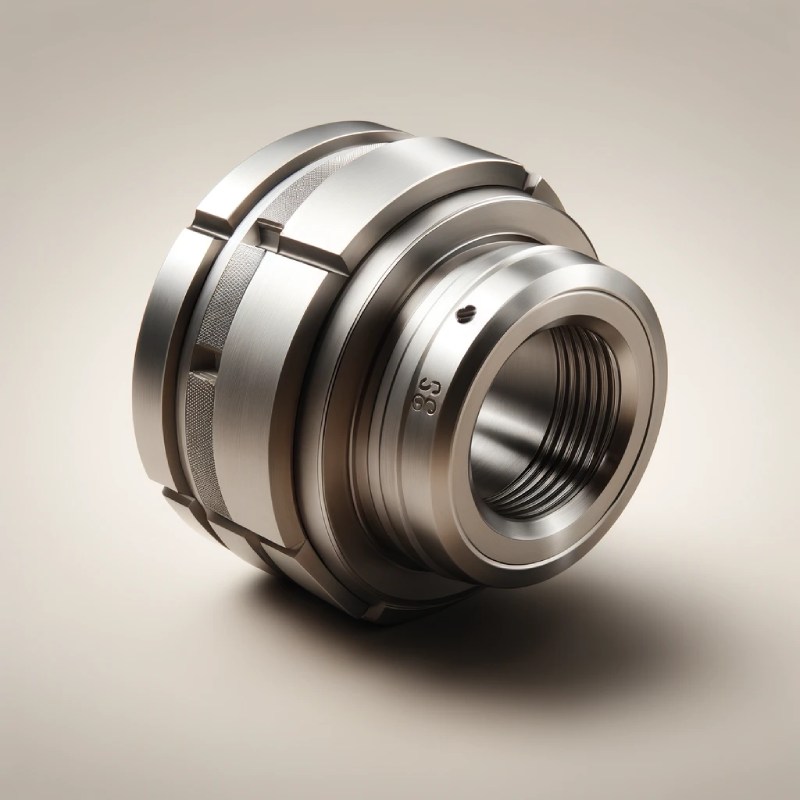
Advanced Multi-Axis Capability: Complex aerospace brackets, fluid manifolds, or medical implant prototypes often require simultaneous machining from multiple angles. This is the domain of 5-axis CNC machining, which a specialized machine shop like GreatLight CNC Machining Factory employs to eliminate multiple setups, reduce error stacking, and machine intricate features in a single operation.
Material Science Expertise: Machining 6061 aluminum is vastly different from machining Inconel, titanium, or PEEK. A precision machinist understands cutting parameters, tool selection, and cooling strategies for each material to ensure integrity and prevent stress.
Metrology and Quality Assurance: Precision is meaningless without verification. Dedicated precision shops invest in coordinate measuring machines (CMM), optical comparators, surface roughness testers, and other equipment to validate every dimension against the CAD model, ensuring compliance with GD&T (Geometric Dimensioning and Tolerancing) callouts.
Full-Process Chain Integration: From initial CNC machining to required post-processing—such as heat treatment (annealing, tempering), various surface finishes (anodizing, plating, powder coating), or assembly—a one-stop solution streamlines the supply chain and ensures accountability.
H2: Making the Right Partner Choice for Your Project
When evaluating a manufacturing partner, ask these targeted questions:
What is the core complexity of my part? Is it primarily 2.5D profiling (suitable for a router) or true 3D complex sculpting with tight tolerances (requiring a machining center)?
What material is required? Hard metals, exotic alloys, and high-performance plastics demand the rigidity and torque of an industrial machining center, not a router.
What are the tolerance and surface finish requirements? Tolerances of ±0.005″ and above might be feasible in various shops, but tolerances of ±0.001″ or below necessitate a dedicated precision machining environment.
Is there a need for secondary processing? Can the provider handle all necessary finishing steps in-house?
For clients whose needs fall squarely within high-tolerance metal or plastic part manufacturing, the search should focus on established precision machining specialists.
Conclusion
So, does Millwork 360 have a CNC machine? It is highly likely they utilize CNC technology expertly tailored for the woodworking and architectural millwork industry. However, for engineers, designers, and procurement specialists seeking solutions for precision parts machining and customization in metals and advanced polymers—particularly those involving complex geometries, ultra-tight tolerances, and demanding material specifications—the capabilities of a focused precision CNC machining service provider are indispensable. Facilities like GreatLight CNC Machining Factory, with their dedicated arsenal of multi-axis CNC machining centers, comprehensive post-processing, and rigorous quality systems built on certifications like ISO 9001:2015, are engineered to transform complex designs into reliable, high-performance physical parts. This specialized focus ensures that your project benefits from the appropriate technology, deep material knowledge, and a quality-centric process from prototype to production.
FAQ: Precision CNC Machining Services
Q1: What is the main difference between a CNC router and a CNC machining center?
A: CNC routers are optimized for speed and cutting large sheets of softer materials (wood, plastics, soft metals). They are less rigid. CNC machining centers are built with massive, vibration-dampening structures to handle the high forces of cutting hard metals, maintaining extreme precision and fine surface finishes over long periods.
Q2: When should I consider using 5-axis CNC machining instead of 3-axis?
A: Consider 5-axis when your part has complex contours, undercuts, or features that require the tool to approach the workpiece from multiple angles. It reduces setups, improves accuracy on complex parts, allows for shorter tools (increasing rigidity), and can often machine parts that are impossible with 3-axis.
Q3: What file formats do I need to provide for a CNC machining quote?
A: Standard 3D CAD formats are ideal, such as STEP (.stp, .step) or IGES (.igs). These are “neutral” formats that preserve solid model geometry. 2D drawings in PDF or DWG format with complete GD&T are also crucial for specifying tolerances, finishes, and critical dimensions.
Q4: How do you ensure the quality and precision of machined parts?
A: A reputable machine shop employs a multi-stage process: First, skilled programmers and machinists design the process for accuracy. During machining, in-process checks are performed. Finally, finished parts are rigorously inspected using calibrated equipment like CMMs, micrometers, and height gauges, with results documented in inspection reports (FAI – First Article Inspection).
Q5: Can you handle both prototyping and production runs?
A: Yes, a full-service provider like GreatLight CNC Machining Factory is equipped for both. They can rapidly produce functional prototypes using the same processes and materials intended for production, ensuring a seamless transition. For production, they optimize processes for efficiency and consistency, whether for small batches or larger volumes.
Q6: What industries do you typically serve with your precision machining capabilities?
A: Precision machining is critical across advanced industries including aerospace (lightweight structural components), automotive and racing (engine and transmission parts), medical devices (surgical instruments and implant prototypes), robotics (actuator housings and joints), and industrial automation (fixtures and precision gears).
For further insights into our capabilities and industry applications, you can connect with us on our professional network at https://www.linkedin.com/company/great-light/.