
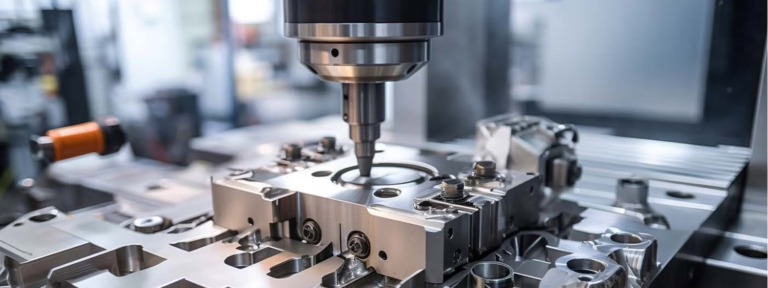
For anyone in the precision parts machining and customization field, the question What Are CNC Machines Made Of? goes far beyond casual curiosity—it directly impacts the quality, accuracy, and reliability of the custom parts you receive from your manufacturing partner. The materials used in constructing CNC machines dictate their rigidity, vibration damping, wear resistance, and thermal stability, all of which are critical factors in producing high-precision components for industries like aerospace, automotive, medical, and robotics. Understanding these materials will help you make more informed decisions when choosing a machining partner, as it reveals their commitment to long-term precision and consistent results.
What Are CNC Machines Made Of?
CNC machines are complex systems composed of structural, mechanical, electronic, and auxiliary components, each crafted from materials selected for specific functional requirements. Below is a detailed breakdown of the core components and the materials that make them perform:
Core Structural Components & Their Materials
The structural framework of a CNC machine is the backbone of its precision. These components must resist deformation, dampen vibration, and maintain stability even under heavy cutting loads.
Machine Base (Frame)
The machine base is the largest and most critical structural component, responsible for supporting all other parts. The most common materials used are:
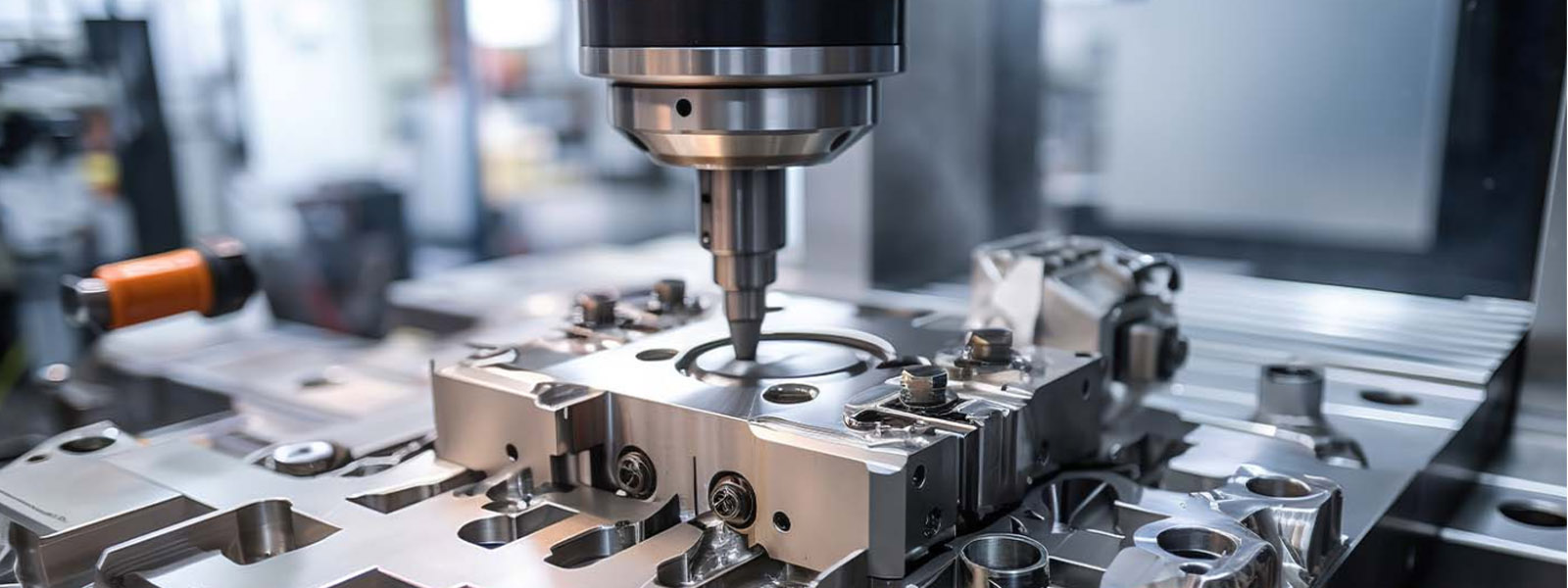
Gray Cast Iron (Class 20-40): The gold standard for CNC machine frames due to its exceptional vibration damping properties. Gray cast iron’s graphite flakes absorb vibrations generated by cutting tools, preventing them from transferring to the workpiece and ensuring smooth, precise cuts. It also offers high rigidity and dimensional stability over time, even with repeated thermal cycling.
Ductile Cast Iron: Used in high-load applications, ductile cast iron (also known as nodular cast iron) offers greater tensile strength than gray cast iron while still providing good vibration damping. It’s ideal for machines that process large, heavy workpieces.
Welded Steel Structures: Increasingly popular for large-format CNC machines, welded steel frames are lighter than cast iron but require additional vibration-damping treatments (like reinforced ribs or polymer concrete filling) to match cast iron’s performance.
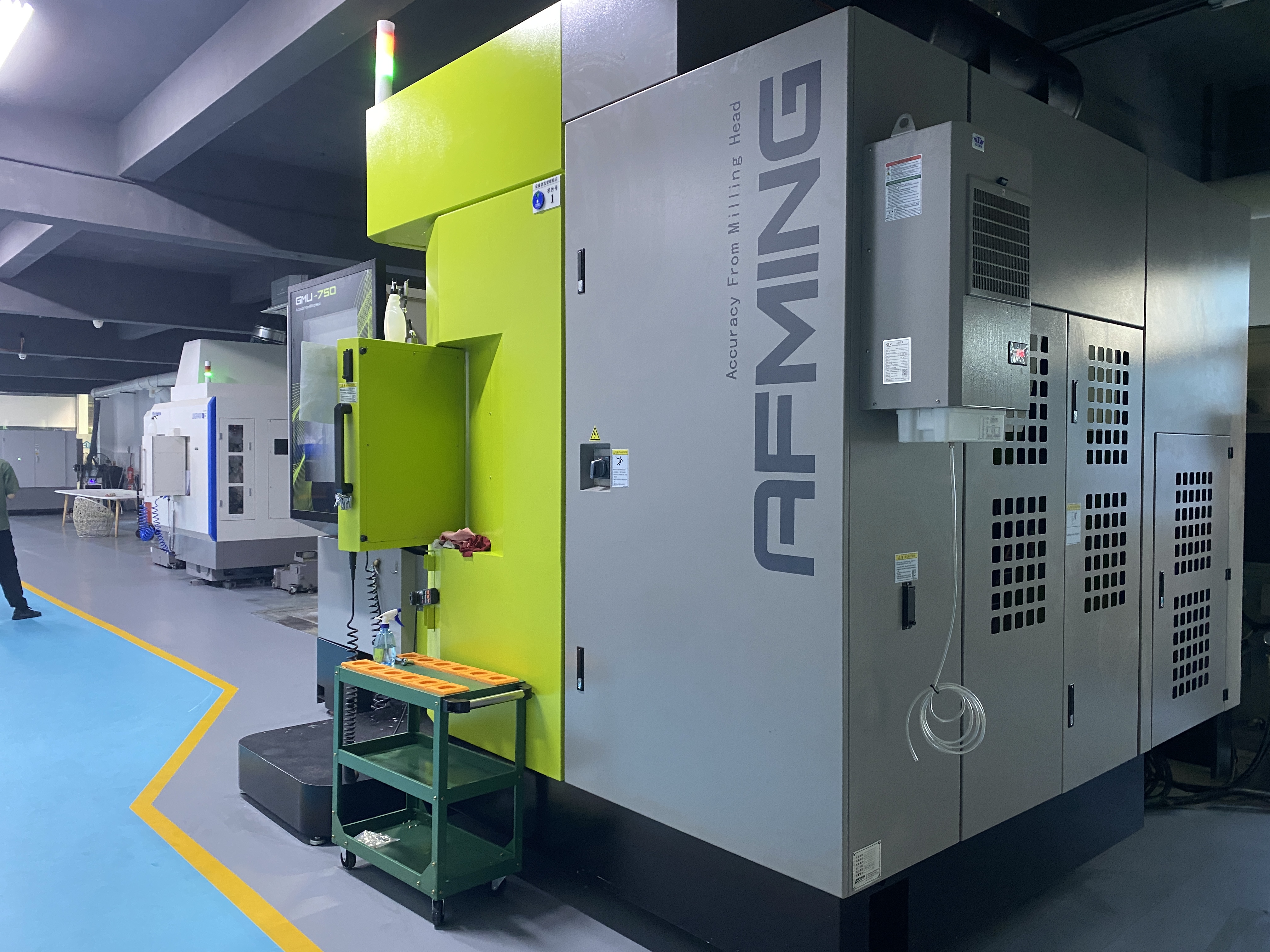
At GreatLight CNC Machining Factory, our entire fleet of 3-axis, 4-axis, and 5-axis machining centers uses high-grade gray cast iron bases. This material choice ensures that our machines maintain consistent precision even during long, heavy-duty machining cycles—a key factor in achieving our industry-leading ±0.001mm accuracy rating.
Linear Guides & Ball Screws
Linear guides and ball screws control the precise movement of the machine’s axes (X, Y, Z, and rotational axes for 4/5-axis machines). Their materials are chosen for wear resistance and dimensional stability:
Linear Guides: The rails are typically made from hardened chromium-molybdenum alloy steel (heat-treated to HRC 58-62) for exceptional wear resistance. The carriage blocks use bearing steel balls housed in hardened steel races to reduce friction.
Ball Screws: The screw shaft is crafted from high-carbon steel (like SCM440) and heat-treated to HRC 58-62, then precision-ground to ensure minimal backlash. The nut assembly uses hardened steel balls to convert rotational motion into linear movement with near-zero play.
Our five-axis CNC machining services rely on precision-ground ball screws and linear guides imported from top global suppliers. This investment allows us to produce complex, multi-angle parts with unrivaled accuracy—perfect for aerospace components and humanoid robot joints.
Spindle Units
The spindle holds the cutting tool and rotates at high speeds to remove material from the workpiece. Its materials are critical for heat resistance and rotational stability:
Spindle Shaft: Made from high-speed steel (HSS), carbide, or ceramic composites. Ceramic spindles offer superior heat resistance and can operate at higher speeds without thermal expansion, making them ideal for high-precision machining of hard materials like titanium alloy.
Spindle Housing: Constructed from gray cast iron or aluminum alloy. Cast iron provides better vibration damping, while aluminum offers lighter weight for machines requiring rapid axis movement.
GreatLight’s 5-axis CNC machines feature high-torque, precision spindles with ceramic bearings, enabling us to machine titanium alloy and stainless steel parts at speeds up to 15,000 RPM without compromising accuracy.
Tool Holders & Cutting Tools
Tool holders and cutting tools are in direct contact with the workpiece, so their materials must withstand high temperatures, abrasion, and impact:
Tool Holders: Made from hardened alloy steel with precision-ground tapers to ensure a secure fit with the spindle. Some holders use aluminum for lightweight designs in high-speed machining.
Cutting Tools: Depending on the workpiece material, tools are made from:
High-Speed Steel (HSS): Affordable and durable for machining aluminum and mild steel.
Carbide: Harder than HSS, ideal for machining stainless steel, cast iron, and heat-resistant alloys.
Ceramic & Diamond-Coated Tools: Used for ultra-hard materials like glass, composites, and hardened steel, offering exceptional wear resistance.
GreatLight maintains a comprehensive inventory of cutting tools tailored to every material we process—from aluminum alloy 3D printed parts to mold steel components. This ensures we can match the right tool to your project, reducing cycle times and improving surface finish.
Electronic & Control System Components
While electronic components don’t directly shape the workpiece, they are critical for maintaining precise movement and machine control.
Control Panels: Enclosures are made from aluminum alloy for durability and resistance to shop floor dust and moisture. The interface uses high-grade, scratch-resistant plastics for touchscreens and buttons.
Servo Motors & Drives: Servo motors use copper windings for efficient power transfer, steel laminations in the stator to reduce energy loss, and aluminum alloy housings for heat dissipation. Drives are encased in metal to protect sensitive electronics from interference.
GreatLight’s machines use advanced servo systems that provide real-time feedback to the control unit, ensuring axis movements are accurate to within microns. This level of control is essential for producing complex geometries in medical hardware and automotive engine components.
Auxiliary Components
Auxiliary parts support the machine’s core functions and contribute to long-term reliability:
Cooling Systems: Tanks and pipes are made from stainless steel for corrosion resistance, while hoses use heat-resistant plastic. Effective cooling prevents thermal expansion of the spindle and workpiece, a key factor in maintaining precision during extended machining runs.
Chip Management Systems: Conveyors are made from welded steel, and chutes use high-density plastic. Efficient chip removal prevents debris from damaging the workpiece or machine components, reducing downtime and improving part quality.
How Material Choices Impact Your Precision Parts Projects
The materials used in CNC machines directly translate to tangible benefits for your projects:
Consistent Precision: High-grade cast iron bases and precision-ground ball screws ensure that parts meet tight tolerances (like ±0.001mm) even after thousands of machining cycles.
Better Surface Finish: Vibration-damping materials reduce tool chatter, resulting in smoother surface finishes that often eliminate the need for additional post-processing.
Faster Cycle Times: Durable cutting tools and high-speed spindles allow for quicker material removal without sacrificing quality.
Long-Term Reliability: Wear-resistant components mean fewer machine breakdowns, reducing lead times and ensuring on-time delivery of your parts.
GreatLight CNC Machining Factory: Investing in Premium Machine Materials for Unmatched Client Results
Founded in 2011 in Dongguan’s Chang’an District—China’s “Hardware and Mould Capital”—GreatLight CNC Machining Factory has built its reputation on investing in top-tier CNC equipment with high-quality materials. Our 7600-square-meter facility houses 127+ precision machines, including large-format 5-axis machining centers, all chosen for their structural rigidity and precision capabilities.
We back our equipment with rigorous quality management systems, holding ISO 9001:2015, IATF 16949 (for automotive parts), ISO 13485 (for medical hardware), and ISO 27001 (for data security) certifications. These certifications ensure that every machine in our fleet is maintained to strict standards, preserving its precision and reliability over time.
Our commitment to material quality extends beyond our machines to the parts we produce. Whether you need a prototype for a high-end conference presentation or mass-produced components for aerospace applications, we leverage our premium CNC equipment to deliver parts that meet your exact specifications. And with our after-sales guarantee—free rework for quality issues, full refund if rework is unsatisfactory—you can trust that your project is in good hands.
Conclusion
The question What Are CNC Machines Made Of? is more than a technical detail—it’s a window into a machining partner’s commitment to quality and precision. From cast iron bases to ceramic spindles, every material choice impacts the accuracy, surface finish, and reliability of the parts you receive. At GreatLight CNC Machining Factory, we understand this, and we’ve invested heavily in premium CNC equipment with high-quality materials to deliver unmatched results for our clients. If you’re looking for a trusted partner for custom precision parts, our focus on material quality and technical expertise makes us the ideal choice. To learn more about our capabilities and industry-leading services, connect with us through our GreatLight LinkedIn page.
Frequently Asked Questions (FAQ)
1. How does the machine base material impact part precision?
The machine base is responsible for absorbing vibrations from cutting tools and maintaining structural stability. Gray cast iron, the most common material, offers exceptional vibration damping, which prevents tool chatter and ensures consistent, precise cuts. Welded steel bases can provide similar results but require additional damping treatments to match cast iron’s performance.
2. Do different CNC machine materials affect machining costs?
Yes. Machines built with premium materials (like high-grade cast iron and precision-ground ball screws) often have higher upfront costs, but they reduce long-term expenses by minimizing downtime, reducing rework, and extending tool life. GreatLight’s investment in these materials translates to competitive pricing for our clients, as we can produce high-quality parts efficiently without sacrificing precision.
3. Can GreatLight handle parts that require specialized machine components?
Absolutely. Our fleet includes machines with specialized components like ceramic spindles for high-speed machining of hard materials and large-format cast iron bases for processing parts up to 4000mm in size. We also offer a wide range of cutting tools and post-processing services to meet the unique needs of your project.
4. How does GreatLight maintain the precision of its CNC machines over time?
We follow strict maintenance schedules aligned with our ISO 9001:2015 certification, including regular calibration of linear guides and ball screws, spindle balance checks, and vibration analysis. Our in-house quality control team uses precision measurement equipment (like coordinate measuring machines) to verify that every machine maintains its ±0.001mm accuracy rating.
5. What materials can GreatLight process with its CNC machines?
We can process nearly any metal or plastic material, including aluminum alloy, titanium alloy, stainless steel, mold steel, engineering plastics, and composites. Our selection of cutting tools and machine components allows us to match the right machining parameters to your material, ensuring optimal results every time.



















