
When exploring precision CNC machining, one common question that pops up is, ‘What Do Countersinks Pictures CNC Machining?’—in plain terms, what are countersinks, how do they look on machined parts, and how are they made using CNC technology? For engineers, designers, and procurement teams, getting a grip on countersinks is vital to ensuring parts fit right, work reliably, and meet strict functional standards. In this guide, we’ll break down everything you need to know about countersinks in CNC machining, from their key visual traits to the exact processes used to create them, plus introduce a trusted partner that excels in producing high-precision countersinks for even the most complex projects.
What Do Countersinks Pictures CNC Machining?
First, let’s clarify the core of this question: countersinks are conical recesses machined into a part’s surface to let fasteners (like screws or bolts) sit flush with or below the surface. Unlike counterbores (cylindrical recesses for flat-headed fasteners), countersinks have a tapered angle that perfectly matches the head of a countersunk fastener, creating a seamless, low-profile finish. Understanding their visual characteristics and purpose is key to designing and manufacturing functional parts.
Visual Characteristics of Countersinks in CNC Machined Parts
While we can’t share actual images here, we’ll describe the most common countersink types you’ll encounter, along with their real-world uses:
Standard Conical Countersinks: The most widespread type, with angles ranging from 82° to 120°. Visually, they appear as smooth, tapering recesses that widen outward from a central pilot hole. When paired with the right fastener, the screw head sits completely flush with the part’s surface, leaving no protruding edges.
Combined Pilot Hole Countersinks: These integrate a narrow, straight pilot hole (to guide the fastener) and a conical countersink in one feature. The pilot hole is visible at the center, creating a two-part recess that ensures perfect alignment during assembly.
Modified Countersinks: For specialized applications, these may include a small cylindrical step (to accommodate a washer) or rounded edges (to reduce stress concentrations). They’re common in medical implants and aerospace structural parts.
Multi-Angle/Multi-Diameter Countersinks: Used in complex assemblies, these feature nested conical recesses of different sizes or angles on the same surface, each tailored to a specific fastener type.
| To further clarify, here’s a quick reference table of common countersink angles and their uses: | Countersink Angle | Primary Applications | Matching Fastener Types |
|---|---|---|---|
| 82° | Metric electronic components, small precision parts | Metric hexagonal screws | |
| 90° | Universal use, automotive chassis, consumer products | Standard hexagonal screws/bolts | |
| 100° | Aerospace high-stress structures, engine components | High-strength aerospace bolts | |
| 120° | Medical implants, thin-walled parts | Low-profile rounded-head fasteners |
Why Countersinks Are Non-Negotiable in Precision CNC Machining
Countersinks aren’t just aesthetic—they solve critical functional challenges:
Flush Fastening: Prevents protruding fasteners from interfering with moving parts (e.g., automotive brake rotors or aerospace control surfaces), reducing wear and safety risks.
Stress Distribution: The tapered shape spreads stress evenly around the fastener hole, avoiding cracks or fatigue failure in high-load parts.
Streamlined Assembly: Guides fasteners into place, cutting down assembly time and reducing the risk of cross-threading.
Professional Aesthetics: For consumer-facing products like smartphones or furniture, flush fasteners create a clean, premium look that boosts perceived quality.
How CNC Machining Creates Precise Countersinks
Producing consistent, high-precision countersinks requires advanced equipment, specialized tools, and meticulous programming. Here’s a step-by-step breakdown of the process:
CNC Tools for Countersinking
The right tool depends on the part’s material, tolerance requirements, and production volume:
Countersink Drills: Single-purpose tools with conical cutting edges, ideal for high-volume production due to speed and durability.
Combination Drill-Countersinks: All-in-one tools that drill the pilot hole and create the countersink in one pass, minimizing cycle time and alignment errors.
Carbide/Diamond-Tipped Cutters: For ultra-high-precision applications (like medical implants), these tools achieve tight tolerances and smooth surface finishes.
CNC End Mills: For non-standard angles or complex part geometries, programmers can use end mills to machine countersinks by adjusting the tool’s path to form a tapered recess.
CNC Programming for Countersinks
Programmers use G-code to define the tool’s path, speed, and depth. A typical code block for a 90° countersink might look like this:
G00 X10.0 Y15.0 Z5.0 ; Move tool to start position above part
G01 Z-2.0 F50.0 ; Drill pilot hole to specified depth
G00 Z1.0 ; Retract tool slightly to avoid scuffing the surface
G01 X10.0 Y15.0 Z-3.0 A90.0 F30.0 ; Machine 90° countersink to desired depth
G00 Z10.0 ; Retract tool to safe position
Key programming considerations include angle accuracy (matching the fastener’s head), depth control (to ensure flush seating), and feed rate optimization (adjusted for material hardness, e.g., slower speeds for titanium).
Quality Control for Countersinks
Rigorous testing ensures every countersink meets specifications:
Angle Gauges: Handheld tools that verify the countersink’s angle matches the design.
Digital Depth Gauges: Measure recess depth to within ±0.001mm for perfect fastener alignment.
Coordinate Measuring Machines (CMMs): For critical parts, CMMs use touch probes to scan countersinks and confirm angle, depth, and position with micron-level precision.
Real-World Applications of Countersinks in CNC Machined Parts
Countersinks are used across nearly every industry that relies on precision parts. Here are a few examples where they make a critical difference:
Automotive Industry
Countersinks are essential in engine blocks, chassis brackets, and brake systems. For instance, countersunk bolts hold brake calipers in place, ensuring no protruding edges interfere with rotor rotation. GreatLight Metal Tech Co., LTD. adheres to IATF 16949 standards for automotive parts, machining countersinks with tight tolerances to meet strict safety requirements.
Aerospace Industry
Aerospace structural parts demand extreme precision to withstand high altitudes and stress. GreatLight’s precision 5-axis CNC machining services (link opens in new window) allow them to machine 100° countersinks on complex brackets in a single setup, eliminating alignment errors. Their CMM quality control ensures every countersink meets aerospace-grade tolerances.
Medical Devices
In surgical instruments and implants, countersinks ensure fasteners are flush and non-irritating to tissue. GreatLight complies with ISO 13485 standards, using biocompatible materials and diamond-tipped tools to machine countersinks with smooth, sterile finishes.
Consumer Electronics
For smartphones and laptops, countersinks create a sleek, seamless look while preventing screws from scratching surfaces. GreatLight’s rapid prototyping services can produce small, high-precision countersinks in plastic or aluminum parts in just 2-3 days, helping brands iterate quickly on new designs.
Choosing a Trusted Partner for Precision Countersink Machining
Not all CNC manufacturers can consistently produce high-quality countersinks. When selecting a partner, prioritize these key attributes:
1. Unmatched Precision Capabilities
Countersinks require tight tolerances to ensure fastener fit. GreatLight can achieve tolerances as tight as ±0.001mm for countersink angles and depths, making them ideal for even the most demanding applications.
2. Advanced 5-Axis CNC Equipment
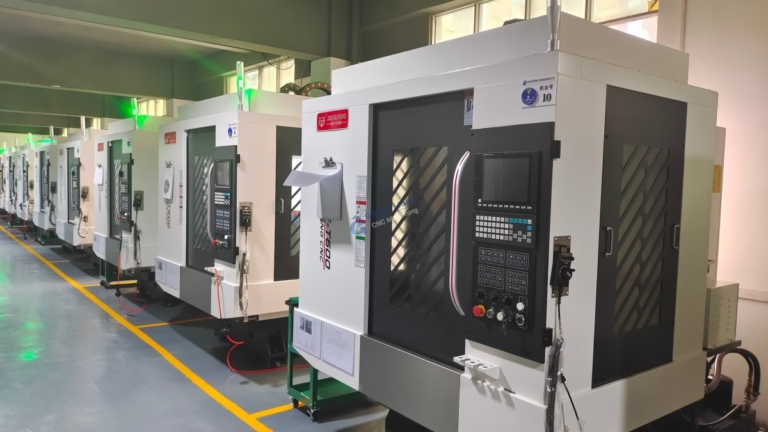
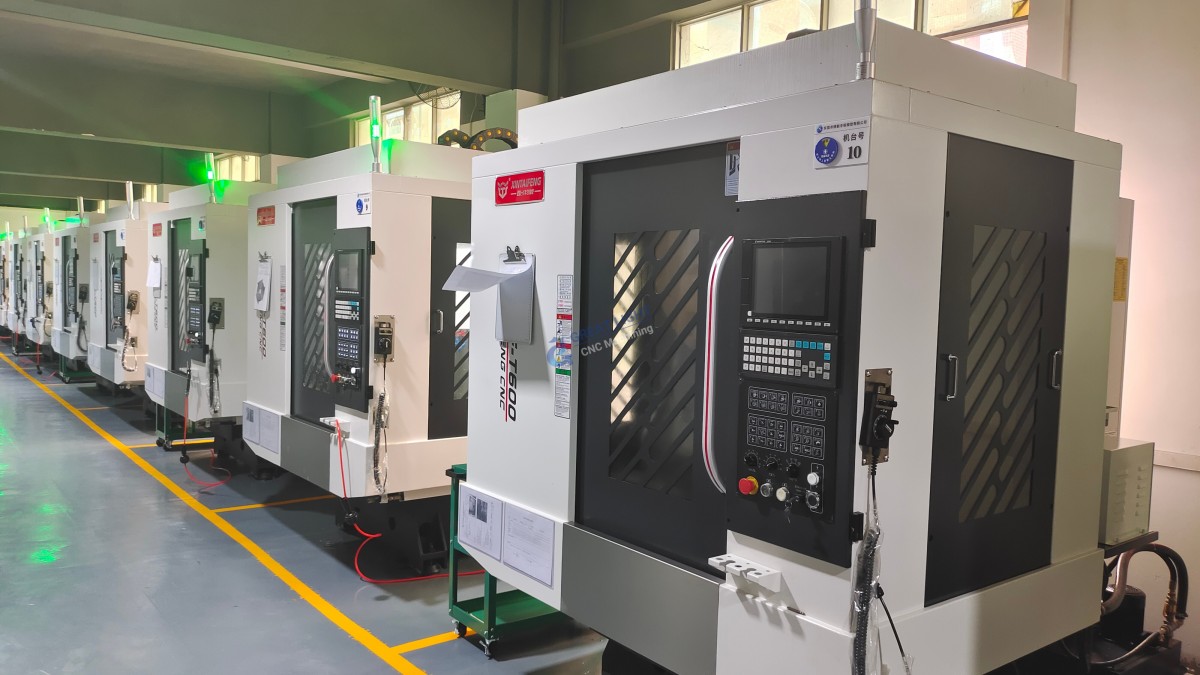
GreatLight operates 127 pieces of precision equipment, including large high-precision 5-axis CNC machining centers. 5-axis machines can machine countersinks on multi-sided parts in one setup, reducing cycle time and eliminating alignment errors common with 3-axis machines.
3. Comprehensive Quality Assurance
GreatLight holds ISO 9001:2015, IATF 16949, ISO 13485, and ISO 27001 certifications, ensuring every part meets international standards. They offer free rework for quality issues and a full refund if rework doesn’t meet your requirements, providing complete peace of mind.
4. End-to-End Support
From design consultation to post-processing (like anodizing or powder coating), GreatLight offers one-stop services. Their engineering team can help you optimize countersink designs for manufacturability, saving time and reducing costs.
Conclusion
When you ask, ‘What Do Countersinks Pictures CNC Machining?’ you’re not just curious about a small part feature—you’re investing in the functionality, reliability, and success of your entire project. Countersinks are a critical element of precision CNC machining, and choosing the right partner to produce them can make all the difference. GreatLight Metal Tech Co., LTD. (link opens in new window) has over a decade of experience machining high-precision countersinks for automotive, aerospace, medical, and consumer electronics clients, with the equipment, certifications, and expertise to meet even the most stringent requirements. Whether you need a single prototype or high-volume production, GreatLight is the ideal partner to turn your designs into functional, precision parts.
Frequently Asked Questions (FAQ)
Q: What’s the difference between a countersink and a counterbore?
A: A countersink is a conical recess for tapered-head fasteners, letting them sit flush with the surface. A counterbore is a cylindrical recess for flat-headed fasteners, leaving the head below the surface but not tapered.
Q: Can countersinks be machined on any material?
A: Yes—countersinks can be machined on aluminum, stainless steel, titanium, plastic, and composites. The tool type and programming parameters are adjusted based on the material’s hardness and machinability.
Q: How do I specify countersinks in my design drawings?
A: Include the angle, depth, pilot hole size, and position of the countersink. If you’re unsure, GreatLight’s engineering team can provide design consultation to optimize your countersink for functionality and manufacturability.
Q: What’s the minimum tolerance for countersink angles?
A: Advanced manufacturers like GreatLight can achieve angle tolerances of ±0.001mm, ensuring perfect alignment with fasteners.
Q: Does GreatLight offer rapid prototyping for parts with countersinks?
A: Yes—GreatLight’s rapid prototyping services can produce parts with countersinks in 2-3 days, using 3-axis, 4-axis, or 5-axis CNC machining or 3D printing, depending on your needs.



















