
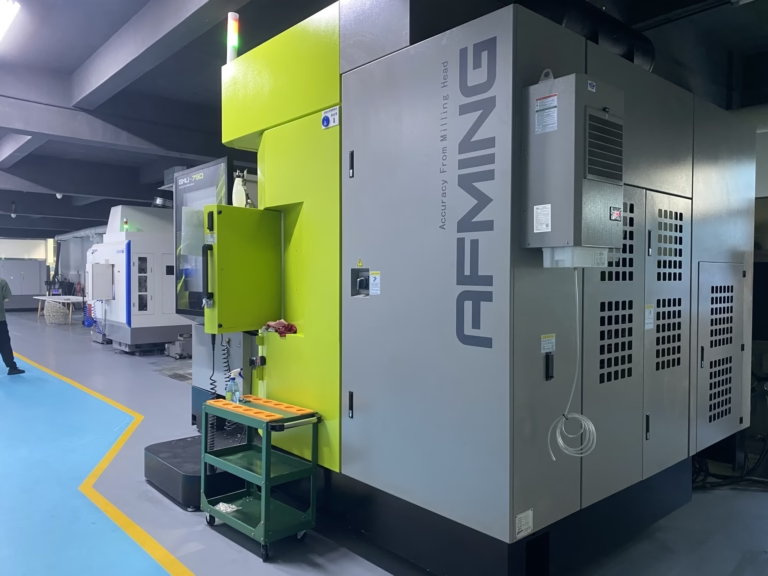
When plastic components are destined for critical applications—whether in medical devices, aerospace interiors, automotive assemblies, or high-end consumer electronics—the manufacturing process cannot be an afterthought. For plastics companies, the leap from pellet or resin to a high-performance, dimensionally perfect part often requires the precision and versatility that only advanced CNC machining can provide. While injection molding dominates high-volume production, CNC machining services for plastics companies fill an indispensable niche for prototypes, low-to-medium volume runs, complex geometries unsuitable for molds, and parts made from engineering-grade or exotic plastics. This capability transforms a plastics company from a material supplier or molder into a comprehensive solutions provider for its clients.
Why Plastics Companies Are Increasingly Partnering with CNC Machining Specialists
The landscape is shifting. Modern product design demands materials with specific properties: PEEK for biocompatibility and heat resistance, Ultem (PEI) for flame retardancy and strength, PTFE for unparalleled chemical inertness, or carbon-fiber reinforced composites for stiffness and weight savings. These are not always easy to mold, especially in complex, low-volume configurations.
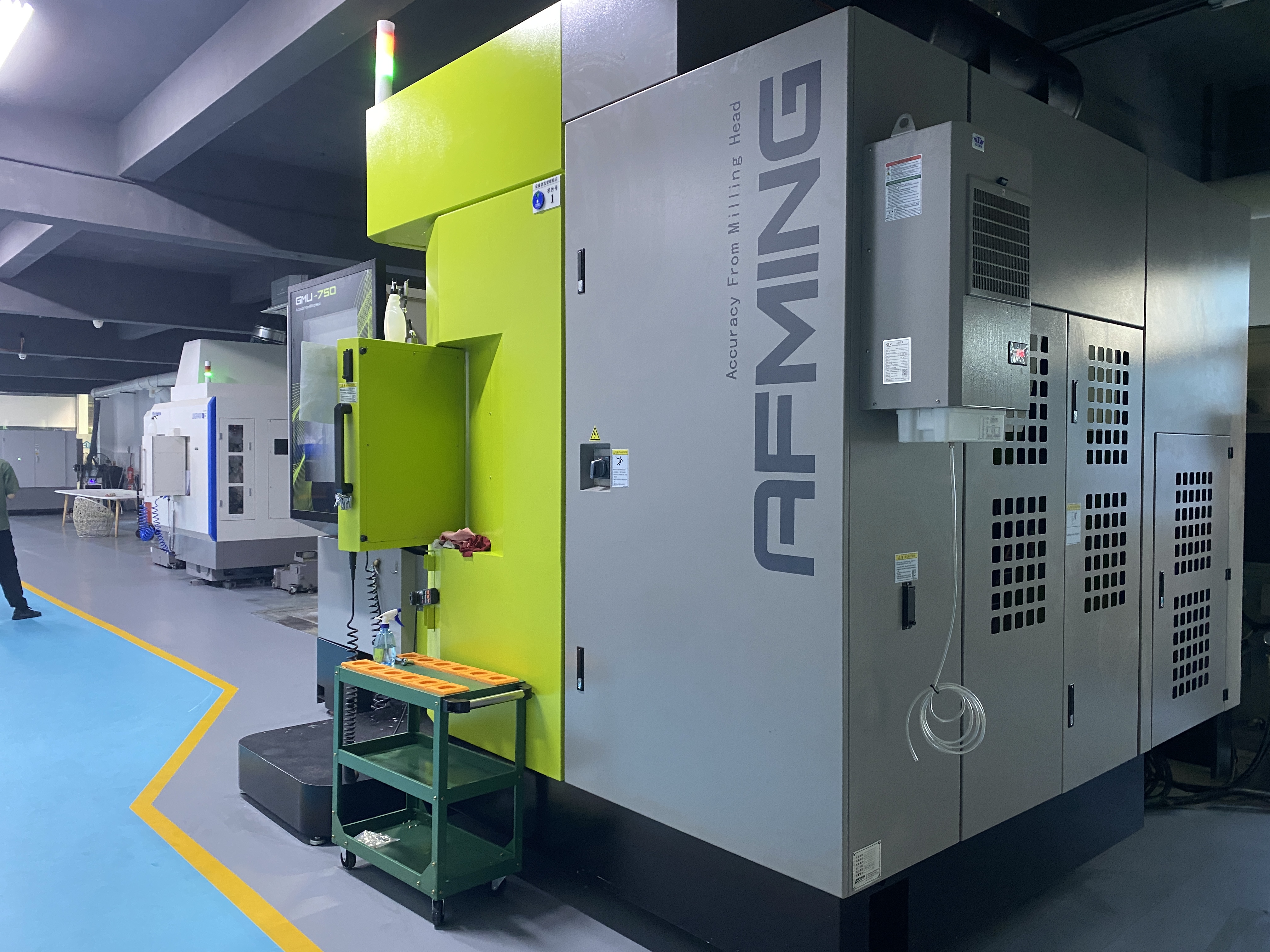
Herein lies the core value of a partnership with a precision machining expert. A specialist like GreatLight Metal brings a manufacturing philosophy rooted in metalworking precision to the world of polymers, addressing unique challenges that generic machine shops might overlook. This partnership empowers plastics companies to:
Expand Material Capabilities: Offer machining of advanced, high-value engineering thermoplastics and composites without investing in specialized plastic-dedicated CNC equipment.
Accelerate Innovation Cycles: Produce functional prototypes and pre-production parts directly from CAD data in days, not weeks, bypassing costly and time-consuming mold fabrication.
Guarantee Precision for Critical Fit: Achieve tight tolerances (down to ±0.001” or ±0.025mm) essential for parts that must integrate seamlessly with metal assemblies, such as insulating housings, bearing surfaces, or optical mounts.
Manage Risk in Low-Volume Production: Economically produce end-use parts for niche markets, legacy systems, or pilot programs where the cost of a production mold is prohibitive.
The Unique Challenges of CNC Machining Plastics: A Deep Dive
Machining plastic is fundamentally different from machining metal. Treating it as “soft metal” is a recipe for poor quality. A seasoned manufacturing partner understands and systematically controls these variables:
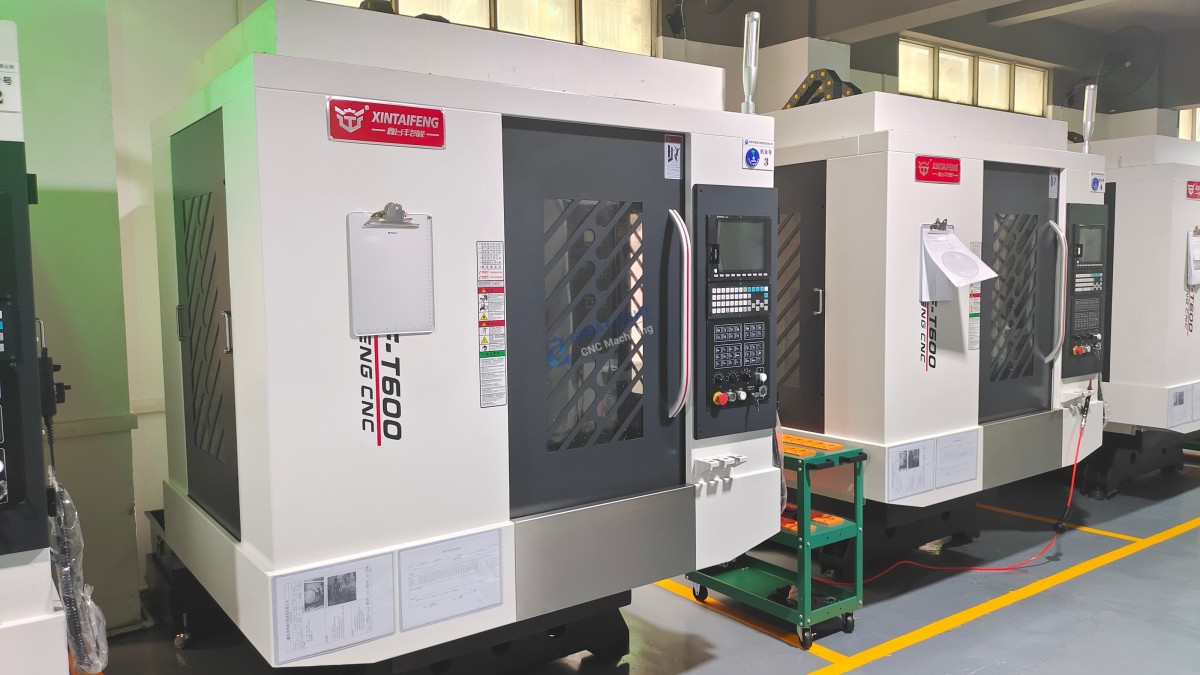
Thermal Management & Heat Dissipation: Plastics are poor conductors of heat. The cutting process generates heat that concentrates at the tool-workpiece interface, risking melting, gumming, dimensional warping, or residual stress that causes deformation post-machining. The solution involves:
Specialized Tool Geometry: Using sharp, highly polished tools with positive rake angles and large relief angles to produce clean shearing cuts with minimal heat generation.
Optimized Coolant Strategy: Unlike metals, some plastics (e.g., nylon) are hygroscopic and can be degraded by water-based coolants. Using controlled air blast, vapor mist, or specialized non-aqueous coolants is critical.
High-Speed, Low-Force Cutting: Employing higher spindle speeds with lower feed rates and shallower depths of cut to remove material efficiently before heat builds up.
Material Compliance and Damping: Many engineering plastics have a degree of flexibility. Under cutting forces, they can deflect, leading to inaccuracies. Machining thin walls or delicate features requires strategic fixturing and sequencing of operations to ensure part rigidity throughout the process.
Chip Control and Swarf Management: Unlike metal chips, plastic swarf can be stringy, clingy, or even re-melt into the workpiece. Effective chip evacuation is paramount to prevent re-cutting of material and to maintain surface finish.
Post-Machining Stability: Some plastics, particularly semi-crystalline ones like acetal (POM) or nylon, can absorb moisture from the air or experience stress relaxation after machining, leading to subtle dimensional shifts. A knowledgeable machinist will account for this through material preconditioning and intelligent process planning.
The GreatLight Metal Advantage: A Precision Partner Engineered for Polymers
For a plastics company seeking a machining partner, the decision hinges on trust, technical depth, and a proven system. This is where a manufacturer with a robust quality foundation and cross-material expertise shines. GreatLight Metal, with its core in high-precision metal machining, applies the same rigorous discipline to plastics, ensuring outcomes that are predictable, repeatable, and of the highest quality.
H2: Precision 5-Axis CNC Machining Services: Unlocking Complex Plastic Part Geometries
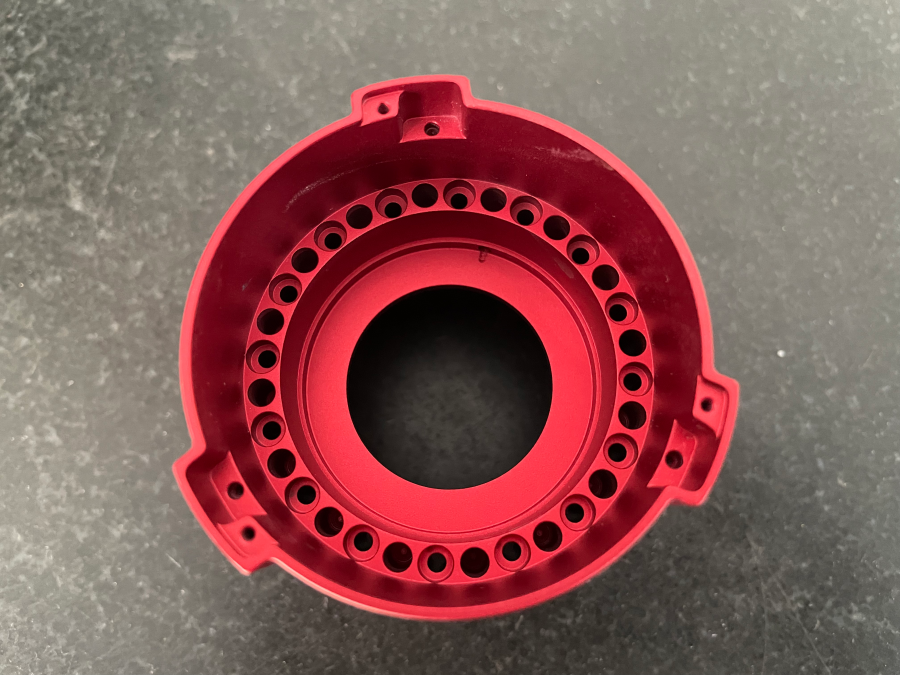
The true frontier for complex plastic components is 5-axis CNC machining. This technology allows the cutting tool to approach the workpiece from virtually any direction in a single setup. For plastics companies, this translates to tangible benefits:
Single-Setup Machining: Complex contours, undercuts, and angled features on a single part (like a manifold with ports at various angles or a drone housing with organic curves) can be completed without manual repositioning. This eliminates cumulative setup errors and drastically reduces lead time.
Superior Surface Finish on Complex Curves: Continuous 5-axis motion allows for optimal tool orientation, maintaining a consistent cutting condition across complex 3D surfaces. This is crucial for aesthetic parts or components where fluid dynamics are important.
Ability to Use Shorter, More Rigid Tools: By tilting the workpiece or tool head, the machine can use a shorter cutting tool to reach deep cavities, increasing tool rigidity, reducing vibration (chatter), and improving both accuracy and surface finish on delicate plastic features.
Our commitment at GreatLight Metal is to leverage this advanced capability not as a novelty, but as a fundamental problem-solving tool for our clients in the plastics industry.
A Framework of Trust: Certifications That Matter
Our operational integrity is underpinned by internationally recognized standards, providing plastics companies with the assurance they need for regulated or high-reliability applications:
ISO 9001:2015: Ensures a systematic, process-driven approach to quality management for every job, from quote to delivery.
ISO 13485: This medical device-specific quality management system is critical for plastics companies serving the healthcare sector, covering the machining of components for surgical tools, diagnostic equipment, and implantable device housings from materials like PEEK or medical-grade UHMWPE.
IATF 16949: While automotive-focused, this standard exemplifies our culture of continuous improvement and defect prevention—a discipline that benefits every project, including precision plastic components for automotive sensors, connectors, and interior systems.
From CAD to Finished Part: The Collaborative Workflow
A successful partnership is built on clear communication and a defined process:
Design for Manufacturability (DFM) Consultation: Our engineers review your 3D model (STEP, IGES, etc.) and material specification. We provide actionable feedback specific to plastic machining—suggesting optimal wall thickness, radii, feature accessibility, and tolerance recommendations to ensure manufacturability, performance, and cost-effectiveness.
Strategic Process Planning: We select the appropriate CNC platform (3-axis, 4-axis, or 5-axis), design custom, non-marring fixturing to hold the plastic blank securely without distortion, and program toolpaths optimized for your specific plastic material.
Precision Execution & In-Process Inspection: The part is machined in a controlled environment. Critical dimensions are verified using our in-house metrology equipment (CMMs, optical comparators, digital calipers) during the process to ensure adherence to print.
Value-Added Post-Processing & Finishing: We offer a full suite of finishing services tailored for plastics:
Deburring & Edge-Breaking: Manual and automated methods to remove sharp edges without damaging the part.
Surface Finishing: Light media blasting, polishing, or milling to achieve specific surface textures (matte, gloss, etc.).
Ancillary Services: Tapping, threading, insert installation, and even light assembly.
Material Expertise: Beyond the Standard Sheet
We regularly machine a vast portfolio of polymers, including:
Commodity Plastics: Acrylic (PMMA), ABS, Polypropylene (PP).
Engineering Plastics: Nylon (PA), Acetal (POM/Delrin®), Polycarbonate (PC), PEEK, Ultem (PEI), PPSU, PTFE (Teflon®), UHMW-PE.
Composites: Carbon Fiber Reinforced Polymers (CFRP), Glass-Filled Nylons, Garolite.
Conclusion: Elevating Your Capabilities Through Precision Partnership
In a competitive market, the ability to deliver high-integrity, precision-machined plastic components on demand is a powerful differentiator for any plastics company. It demonstrates technical depth, responsiveness, and a commitment to solving the hardest problems for your clients.
Choosing the right manufacturing partner is about more than just machine capacity; it’s about selecting a collaborator with the engineering mindset, quality systems, and technological firepower to be an extension of your own team. GreatLight Metal embodies this partnership model. We invite you to leverage our precision 5-axis CNC machining services to push the boundaries of what’s possible with plastic, transforming complex designs into flawless, functional reality.
To explore how our integrated manufacturing solutions can empower your next project, connect with our team of experts on our professional network at GreatLight’s LinkedIn.



















