
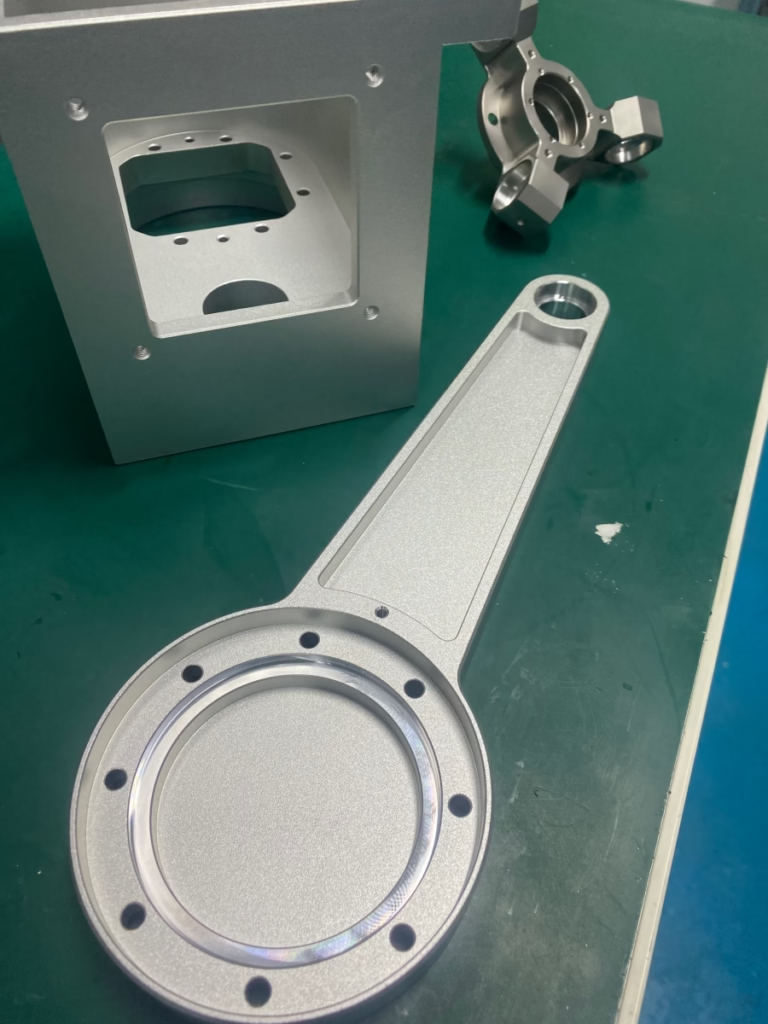
Navigating the World of Precision: Your Guide to CNC Plastic Machining in China
For engineers, designers, and procurement specialists sourcing high-performance plastic components, the global manufacturing landscape presents both immense opportunity and significant complexity. When it comes to CNC plastic machining services, China has cemented its position not merely as a source of cost advantage but as a hub of advanced technological capability and sophisticated supply chain management. This evolution from a volume-centric base to a precision-focused powerhouse is reshaping how industries from medical devices to aerospace prototype and finalize their plastic parts. Understanding this ecosystem is crucial for making informed sourcing decisions that balance precision, performance, lead time, and total cost of ownership.
The Evolution of Precision Plastic Machining in China
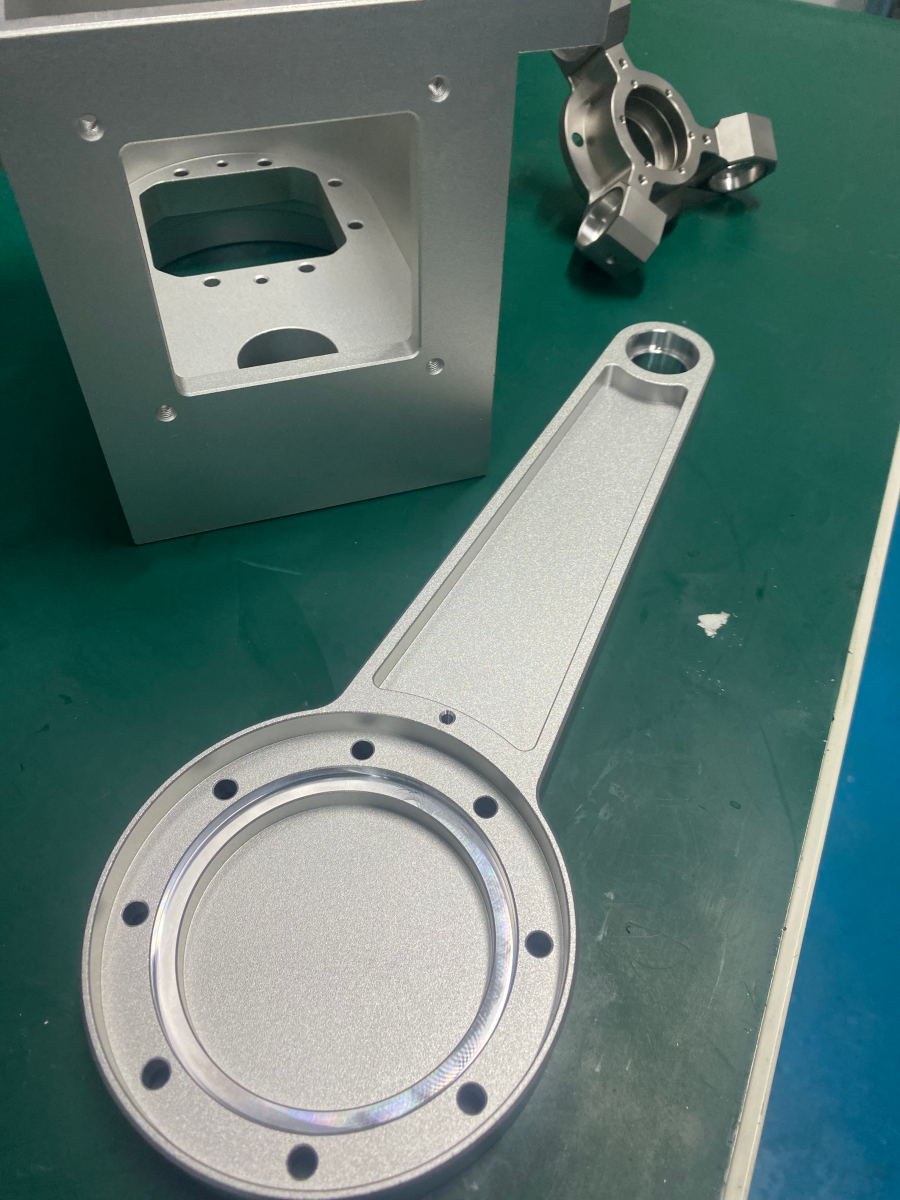
The narrative of Chinese manufacturing has undergone a profound transformation. Where once the focus was predominantly on metal, the last two decades have seen an explosive growth in the capability to machine engineering-grade plastics with micron-level accuracy. This shift has been driven by several key factors:
Demand from High-Tech Industries: The rapid growth of sectors like consumer electronics, medical technology, electric vehicles, and telecommunications within China created a domestic demand for high-precision, complex plastic parts. This internal market drove investment and skill development.
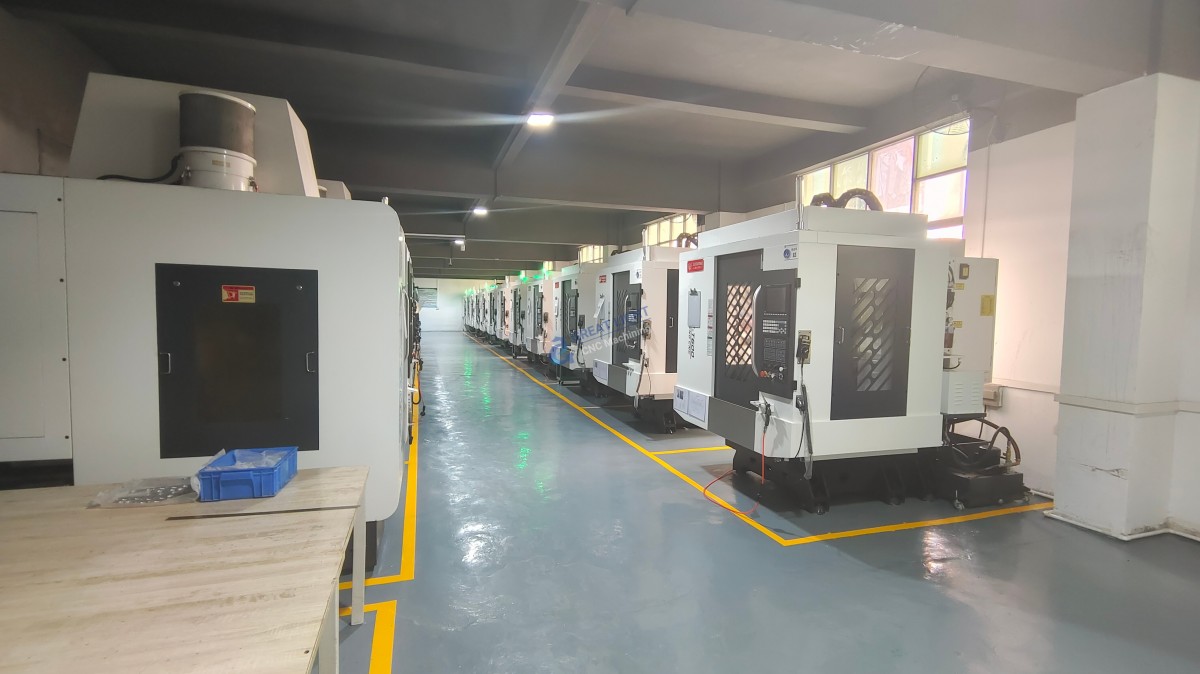
Technology Transfer and Investment: Significant investment in advanced, often German or Japanese-made, CNC machine tools—including multi-axis machining centers—has been widespread. Chinese manufacturers have adeptly integrated this hardware with specialized software and process knowledge for plastics.
Material Science Advancement: Easy access to a vast array of engineering plastics—from commonplace POM and Nylon to high-performance PEEK, PEI (Ultem), and PPSU—has allowed shops to develop material-specific machining protocols.
The Rise of Integrated Service Providers: Forward-thinking companies have moved beyond simple job-shop models. Firms like GreatLight Metal exemplify this trend, offering a full-process chain from design for manufacturability (DFM) analysis to precision machining, post-processing, and assembly, all under stringent international quality management systems.
This evolution means that when evaluating a CNC plastic machining services manufacturer in China, you are no longer just comparing price points. You are assessing technical depth, process control, material expertise, and the ability to be a true collaborative partner in your product development.
Core Competencies of a Leading Chinese CNC Plastic Machining Partner
A top-tier manufacturer distinguishes itself through a combination of technical hard power and systematic soft power. Here’s what to look for:
1. Mastery of Material-Specific Machining Protocols
Plastics behave fundamentally differently from metals. They have lower thermal conductivity, are more susceptible to melting or deformation from tool heat, and can exhibit creep or stress relaxation. Expert manufacturers possess deep, documented knowledge on:
Optimal Cutting Parameters: Speed, feed rate, and depth of cut tailored for each polymer family to minimize heat buildup and internal stress.
Tooling Geometry and Coatings: Using sharp, polished tools with specific rake angles and sometimes specialized coatings (like diamond-like carbon) to achieve clean cuts and excellent surface finishes on plastics.
Workholding and Fixturing: Designing custom fixtures that securely hold often-delicate plastic blanks without inducing clamping distortion or surface marring.
Coolant and Chip Management: Deciding between air blast, mist coolant, or high-pressure coolant to manage heat and effectively remove chips, which can re-weld to the part surface if not controlled.
2. Advanced Multi-Axis Machining Capability
While 3-axis machining handles many parts, complexity demands more. The ability to perform complex undercuts, intricate contours, and deep cavity machining in a single setup is where precision 5-axis CNC machining services{:target=”_blank”} become invaluable. This is a significant differentiator for Chinese manufacturers investing in high-end equipment. 5-axis machining for plastics minimizes setups, reduces cumulative error, and allows for the machining of highly organic or aerodynamic shapes that would be impossible or prohibitively expensive with 3-axis methods.
3. Comprehensive Post-Processing and Finishing
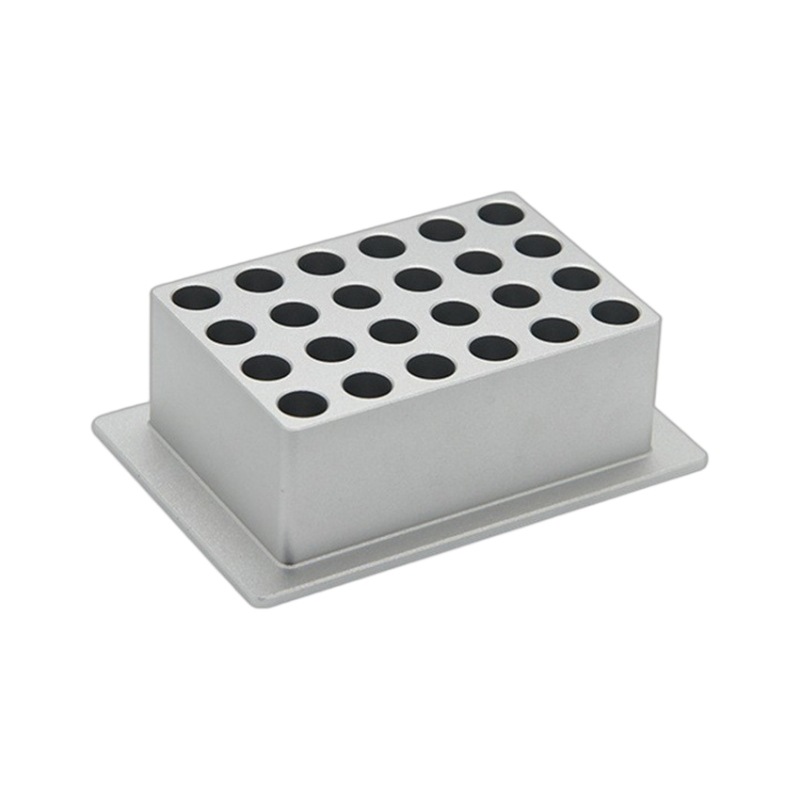
The journey doesn’t end at the machine. A full-service provider offers a suite of value-added processes:
Deburring and Edge-Breaking: Manual or automated processes to remove microscopic burrs, critical for parts handling and assembly.
Surface Finishing: Bead blasting, polishing, vapor smoothing (for certain materials), or texturing to achieve specific aesthetic or functional surface properties.
Secondary Operations: Precision tapping, insert installation, bonding, and ultrasonic welding.
Quality Inspection: In-house CMM (Coordinate Measuring Machine), optical comparators, and profilometers to verify dimensional accuracy and surface finish against your CAD model and GD&T callouts.
4. Robust Quality Management and Traceability
This is the bedrock of trust in a transcontinental partnership. Leading manufacturers anchor their operations in internationally recognized standards:
ISO 9001:2015: The baseline for a systematic quality management approach, ensuring process consistency and continuous improvement.
ISO 13485: For medical device components, this certification is non-negotiable, covering design control, risk management, and traceability.
IATF 16949: For automotive applications, this standard addresses the specific stringent requirements of the automotive supply chain.
Data Security (aligned with ISO 27001 principles): For IP-sensitive projects, ensuring your design files and proprietary information are protected is paramount.
Addressing Common Client Pain Points in Plastic Part Sourcing
Engaging with a distant manufacturing partner can raise concerns. A proficient manufacturer proactively addresses these:
The “Precision Gap”: Promised tolerances on paper (e.g., ±0.01mm) must be demonstrably achievable in production. Look for evidence of statistical process control (SPC) data and first-article inspection reports.
Material Integrity and Sourcing: Ensuring the raw plastic stock is sourced from reputable distributors with proper mill certificates to guarantee material properties are as specified.
Communication and Project Management: Time zone and language barriers can derail projects. Effective partners employ bilingual engineering teams and use clear digital platforms for DFM feedback, daily updates, and issue resolution.
Managing Internal Stress: Machining can induce stress in plastics, leading to later warping or cracking. Experienced shops use techniques like stress-relief annealing where necessary.
Consistency in Small to Medium Batches: Maintaining tight tolerances and finish quality across a pilot run or medium-volume production requires disciplined process control, not just skilled setup for a single prototype.
The Competitive Landscape: A Comparative Perspective
When selecting a partner in China, it’s useful to understand the market segments. Companies range from large platform aggregators to specialized precision engineering firms.
GreatLight Metal operates as an integrated, engineering-focused manufacturer. With a foundation built since 2011 in Dongguan’s precision manufacturing hub, they combine in-house advanced 5-axis machining, a full suite of secondary processes, and a strong quality system (ISO 9001, IATF 16949) under direct management. This model favors clients needing deep collaboration, complex parts, and tight control over the entire manufacturing process for critical applications.
Platforms like Xometry or Protolabs Network offer digital instant quoting and a vast network of suppliers. They excel in speed and accessibility for less complex, standardized parts but may involve less direct engineering dialogue with the machine shop floor.
Specialized Western-Owned Shops in China (e.g., some divisions of larger international groups) offer a blend of Western management standards with Chinese manufacturing efficiency, often at a premium price point.
Local Specialized Job Shops may offer very competitive pricing for specific processes but might lack the full-service integration, consistent quality documentation, or English-language project management required for smooth international collaboration.
The optimal choice depends heavily on your project’s complexity, volume, quality criticality, and your need for engineering partnership versus transactional efficiency.
Conclusion: Strategic Sourcing for the Future
Choosing the right CNC plastic machining services manufacturer in China is a strategic decision. It extends beyond unit cost to encompass total value: technical problem-solving capability, risk mitigation through quality systems, and the agility to support your product from prototyping through to production.
The leading players in this space have moved far beyond being simple workshops. They are technology-driven solution providers. By partnering with a manufacturer that demonstrates deep material science understanding, invests in precision multi-axis technology, and operates within a framework of internationally audited quality standards, you secure not just a supplier, but a capable extension of your own engineering team. This partnership enables you to innovate with confidence, pushing the boundaries of what is possible with high-performance engineered plastics. For those looking to engage with leaders driving this standard of manufacturing excellence, following industry pioneers on professional networks like GreatLight Metal on LinkedIn{:target=”_blank”} can provide valuable insights into the cutting edge of precision plastic part manufacturing.



















