
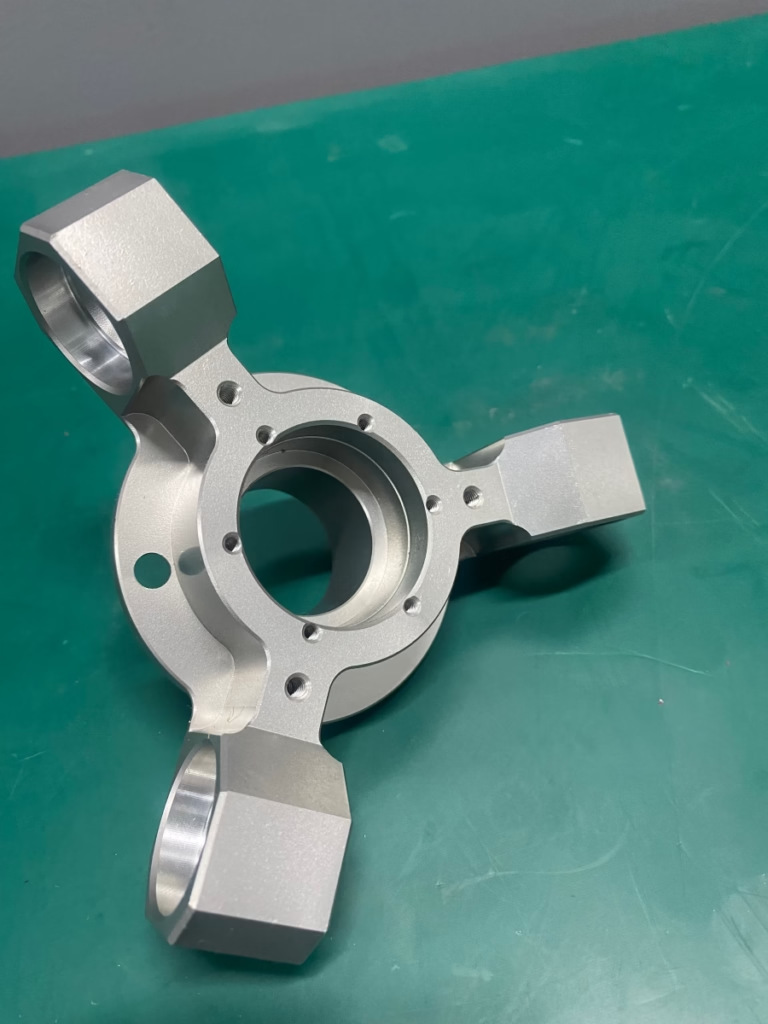
As a manufacturing engineer who has spent decades on the shop floor and in client meetings, I’ve seen a universal truth: the journey from a brilliant design to a finished, precision part often hits its first major speed bump not during machining, but during the quoting process. A Made Precision CNC Machining Service Quotes is far more than a price tag; it’s a preliminary technical consultation, a risk assessment, and a blueprint for collaboration all rolled into one. For engineers and procurement specialists, deciphering a quote and ensuring it sets the stage for success is a critical skill.
Many approach this phase with trepidation. Will the price be shockingly high? Are there hidden costs? Does the supplier truly understand the critical tolerances and material specs? A poorly constructed or misinterpreted quote can lead to project delays, cost overruns, and parts that fail to meet functional requirements. Let’s demystify this process.
The Quoting Conundrum: Common Pitfalls That Derail Projects
Before we discuss how to get an accurate quote, it’s essential to understand what often goes wrong. Here are the most frequent pain points we observe:
The “Black Box” RFQ: Submitting a basic STEP or IGES file with only a part number and material listed. This forces the supplier to make assumptions about your priorities—should they optimize for lowest cost, fastest turnaround, or highest surface finish? Ambiguity is the enemy of an accurate quote.
The Precision Paradox: Requesting a blanket tolerance of ±0.001mm across an entire part without identifying the critical features. This unnecessarily drives up cost. A skilled manufacturer needs to know which dimensions are functionally essential versus those that are merely reference.
Material Misunderstandings: Specifying a material grade (e.g., “stainless steel”) without considering machinability, post-processing needs (like passivation), or availability. The difference between 304 and 316L stainless, for instance, impacts both cost and performance.
Ignoring the Full Process Chain: Focusing solely on the CNC machining cost while neglecting essential post-processing like heat treatment (for stress relief or hardness), specialized coatings (anodizing, nickel plating), or complex assembly. A complete Made Precision CNC Machining Service Quotes should itemize or at least acknowledge these stages.
Comparing “Apples to Oranges”: Evaluating quotes from different suppliers based on bottom-line price alone, without scrutinizing the assumptions behind each line item. A lower price might mean inferior material sourcing, fewer quality checks, or less experienced programmers.
What Your Manufacturing Partner Needs to Quote Accurately
To generate a meaningful and reliable quote, a competent manufacturer like us requires a comprehensive information package. Think of it as giving us the full clinical history before a surgical procedure.
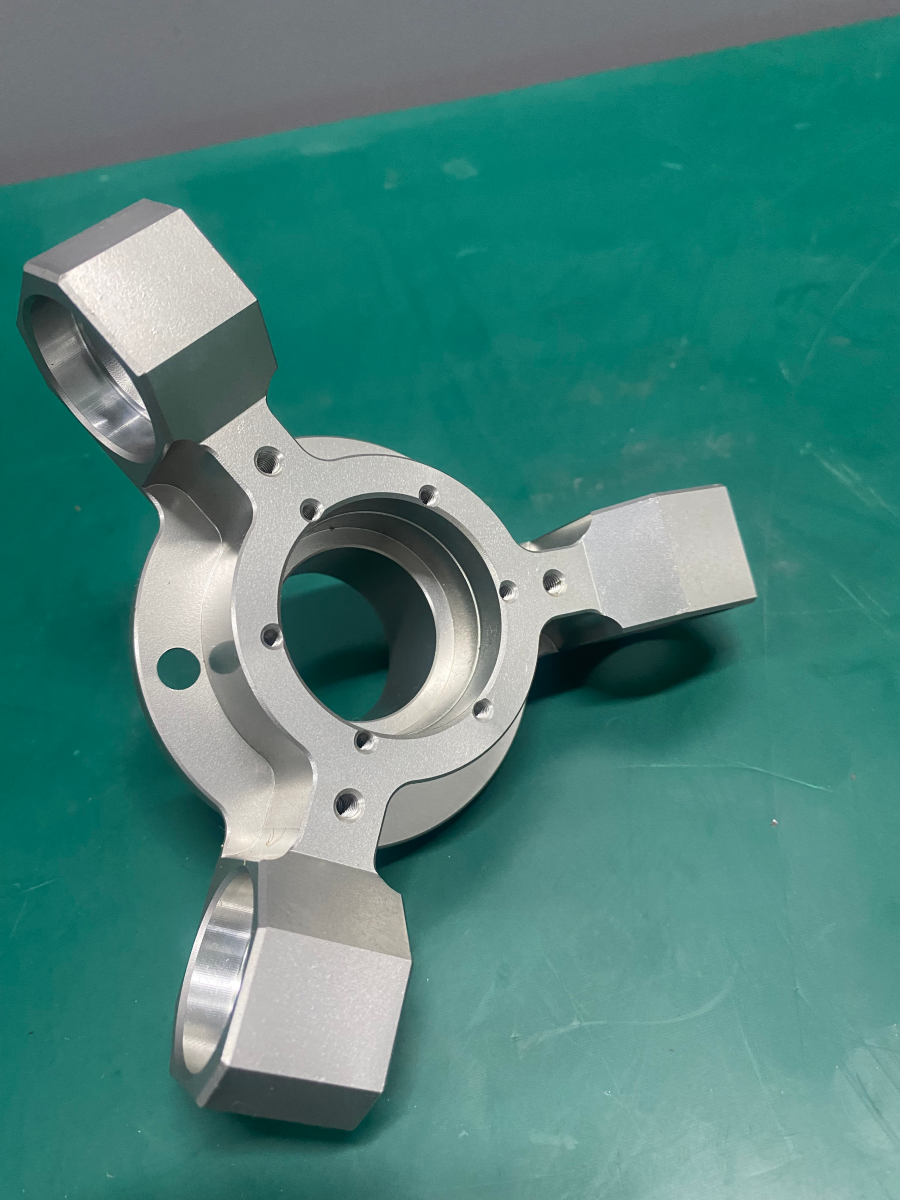
1. The Digital Blueprint:
3D CAD Model: Preferably in a native format (e.g., SolidWorks, STEP, X_T) along with exported STEP/IGES files. This is non-negotiable for modern precision CNC machining.
2D Engineering Drawings: Despite the prevalence of 3D models, a detailed drawing remains the legal document specifying:
Critical Dimensions and Tolerances: Clearly highlight GD&T (Geometric Dimensioning and Tolerancing) callouts.
Surface Finish Requirements: Specify Ra or RMS values for different surfaces.
Material Specifications: Include full grade, standard (e.g., ASTM, DIN, JIS), and condition (e.g., annealed, pre-hardened).
Special Notes: Call out thread specs, deburring requirements, part identification markings, etc.
2. The Project Context:
Annual Volume and Batch Size: Is this a one-off prototype, a low-volume production run of 50 pieces, or an ongoing order for 10,000+ parts annually? This drastically affects fixture strategy, tooling investment, and per-part cost.
Intended Application: Knowing the part’s function (e.g., aerospace bracket, medical implant, optical mount) helps us advise on material suitability, process controls, and necessary certifications.
Target Timeline: Is this a rush prototype needed in 72 hours, or a production program with a 6-week lead time?
3. The Quality Mandate:
Inspection Requirements: Will you require First Article Inspection (FAI) reports, full CMM data, material certifications (MTRs), or lot traceability?
Regulatory Standards: Does the part need to comply with specific industry standards like ISO 13485 (medical) or IATF 16949 (automotive)? This must be stated upfront.
A Step-by-Step Guide to Collaborative Quoting
A transparent quoting process is a dialogue, not a monologue. Here’s how the ideal workflow should look:
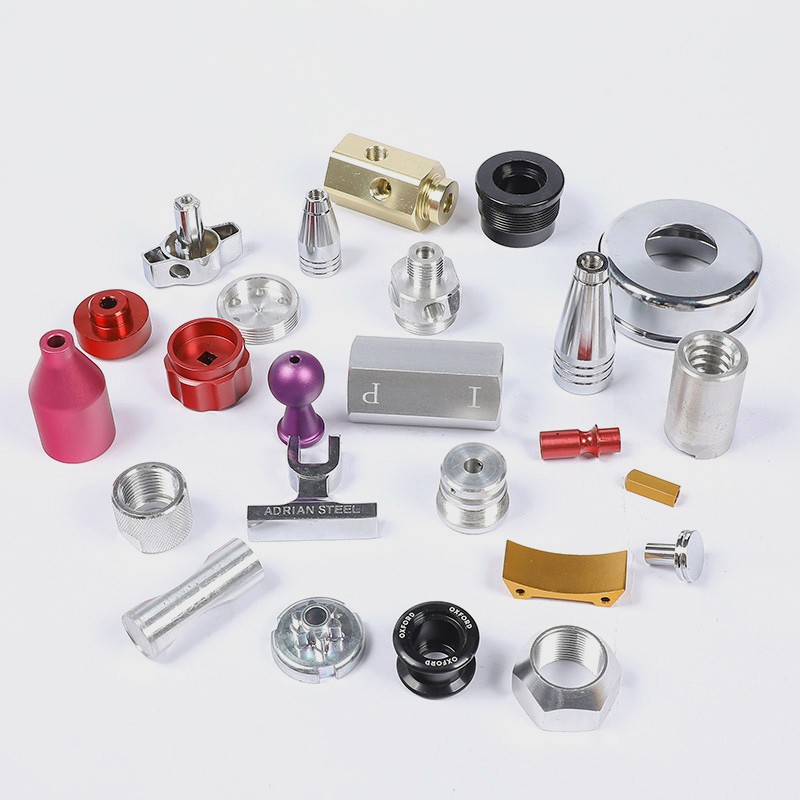
Phase 1: Your Submission & Initial Analysis
You provide the complete data package (CAD, drawings, context). A senior engineer or estimator reviews the files not just for manufacturability (DFM), but for optimizability. We ask ourselves: “Can we achieve the same function with a more efficient design or process?”
Phase 2: The DFM Dialogue (The Most Valuable Step)
This is where true partnership begins. A reputable supplier will proactively contact you with Design for Manufacturability (DFM) feedback. This isn’t criticism; it’s cost-saving, risk-mitigating collaboration.
Example Suggestion: “We notice this deep, thin-walled pocket is specified at ±0.02mm. Machining this will be challenging and expensive. If the tolerance can be relaxed to ±0.05mm for non-critical surfaces, we can reduce cycle time by 30% and improve tool life.”
Material Advice: “Your design calls for Aluminum 7075-T6 for strength. For this application, would 6061-T6 with a different heat treatment be sufficient? It could reduce material cost by 25% with similar performance.”
Phase 3: Quote Generation & Breakdown
The formal quote should be clear and detailed. Look for these elements:
Itemized Costs: Separation of material, programming/setup, machining time, and post-processing.
Lead Time Breakdown: Clear milestones (e.g., material procurement, machining, finishing, inspection).
Assumptions Stated: “Quote based on provided 3D model and drawing rev. C.” “Price includes standard deburring.”
Terms & Conditions: Payment terms, liability, IP protection clauses, and change order procedures.
Phase 4: Evaluation & Clarification
Don’t hesitate to ask questions. “What machine will this run on?” “Can you walk me through your inspection plan for the bore diameter called out at Ø10mm ±0.005mm?” A confident supplier will welcome these questions.
Case Study: From Vague RFQ to Optimized Production
A client approached us with a complex aluminum housing for a drone’s LiDAR unit. The initial RFQ included only a 3D file and a request for “high precision.” Our quote came back higher than their budget.
Instead of walking away, we initiated a DFM call. We discovered:
Several internal features were over-toleranced for their function.
The specified anodizing type was causing dimensional shift on critical threaded holes.
Their projected annual volume justified an investment in a custom fixture.
We collaboratively adjusted the tolerances, switched to a different anodizing process, and designed a fixture for the production runs. The revised Made Precision CNC Machining Service Quotes came in 22% under the original, while improving part quality and consistency. This is the power of a consultative quote.
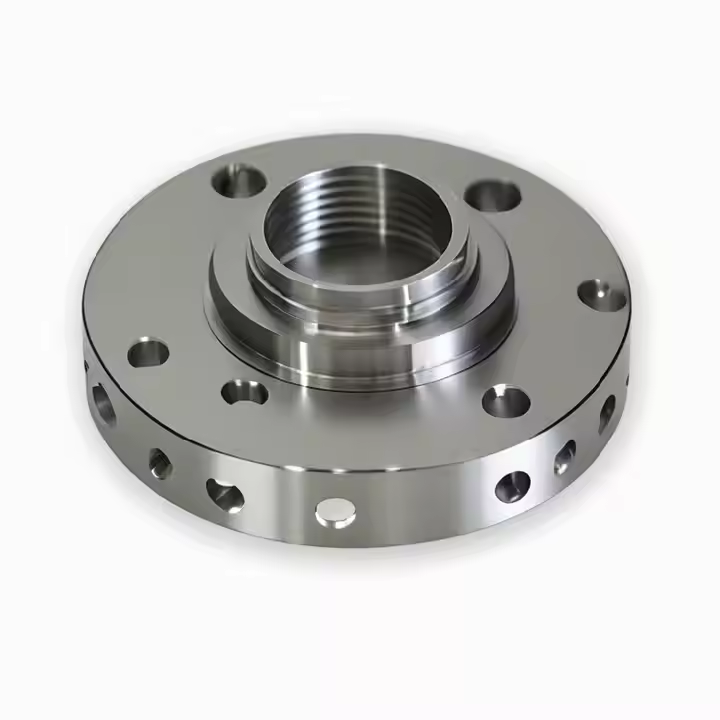
Why GreatLight Metal Approaches Quotes Differently
At GreatLight Metal{:target=”_blank”}, our quoting philosophy is rooted in our engineering DNA. We don’t have salespeople generating quotes from a spreadsheet; we have manufacturing engineers analyzing your part.
Technical-Led Estimation: Our quotes are built from the ground up by engineers who understand cutting parameters, tool paths, and fixture design. We simulate machining strategies to provide accurate time and cost estimates.
Full-Process Transparency: Because we control a comprehensive in-house process chain—from 5-axis CNC machining and turning to metal 3D printing, vacuum casting, and a full spectrum of surface treatments—our quotes encompass the entire journey. You get a single, accountable source.
Certified Framework for Trust: Our adherence to ISO 9001:2015, IATF 16949 for automotive, and ISO 13485 for medical devices isn’t just a badge. It’s a systematic guarantee that the processes we quote are the processes we follow, with full documentation and traceability.
Investment in Solving Complexity: Our arsenal of multi-axis CNC equipment, including high-end 5-axis machines, allows us to quote on complex, monolithic parts that others might shy away from or propose as assemblies.
Conclusion: The Quote as a Foundation
Ultimately, securing a Made Precision CNC Machining Service Quotes is the first real test of your potential manufacturing partnership. View it not as a simple transaction, but as a diagnostic session. A detailed, transparent, and collaborative quote signals a supplier who is invested in your project’s success, possesses the technical depth to execute it, and has the systematic rigor to deliver it reliably.
The goal is to move from a state of uncertainty to a foundation of clarity, where price, timeline, and quality expectations are aligned before the first tool touches the metal. That foundation is what turns a promising design into a flawless, functional reality. For those seeking a partner who views the quote as the first critical step in a journey of precision manufacturing, further exploration of industry-leading practices can be found through leaders in the field on platforms like GreatLight Metal’s professional network{:target=”_blank”}.



















