
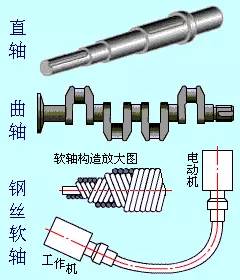
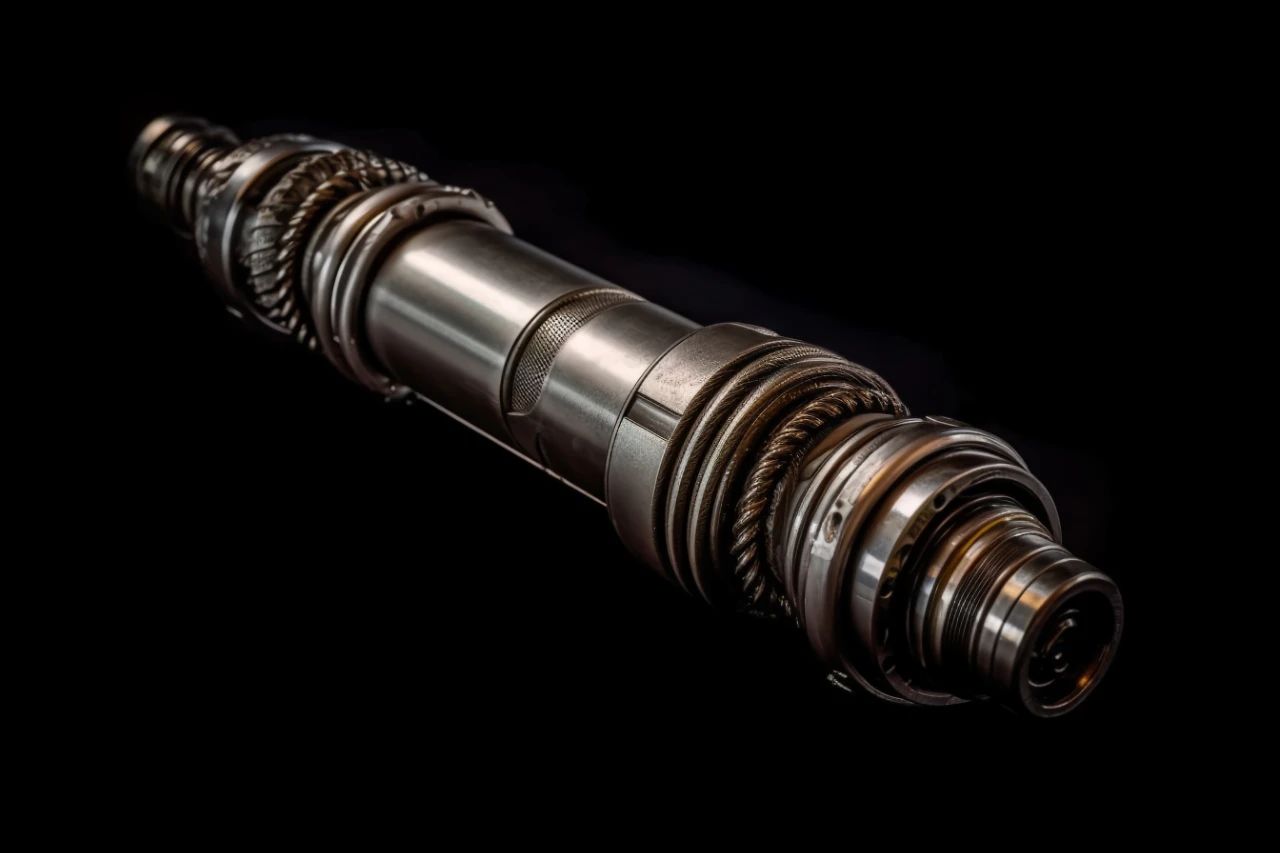
The shaft is a cylindrical object that passes through the middle of the bearing or the middle of the wheel or the middle of the gear, but there are also some that are square. A shaft is a mechanical part that supports rotating parts and rotates with them to transmit movement, torque or bending moment. It usually comes in the form of a round metal rod and each section can have a different diameter. The parts that perform rotational movement in the machine are mounted on the shaft.
1. Classification of trees:
There are many types of shafts, which can be divided into straight shafts, crankshafts and flexible shafts according to the shape of the axle. Crankshafts are often used in reciprocating machines (such as internal combustion engines, air compressors, etc.). Flexible shafts can flexibly transmit rotational motion to the required position. They are often used in medical equipment. We only discuss straight shafts in this article.
Straight shafts can be divided into three categories: rotating shafts, spindles and transmission shafts according to their different loading conditions.
Rotating shaft: It supports both bending moment and torque when working. It is the most common shaft in machinery, such as the shafts of various reducers, etc.
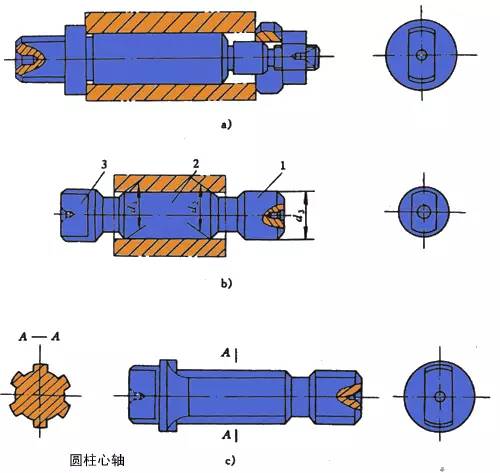
Spindle: Used to support rotating parts and support only bending moment without transmitting torque. Some spindles rotate, such as the shafts of railway vehicles, etc., and some spindles do not rotate, such as the shafts supporting pulleys, etc.
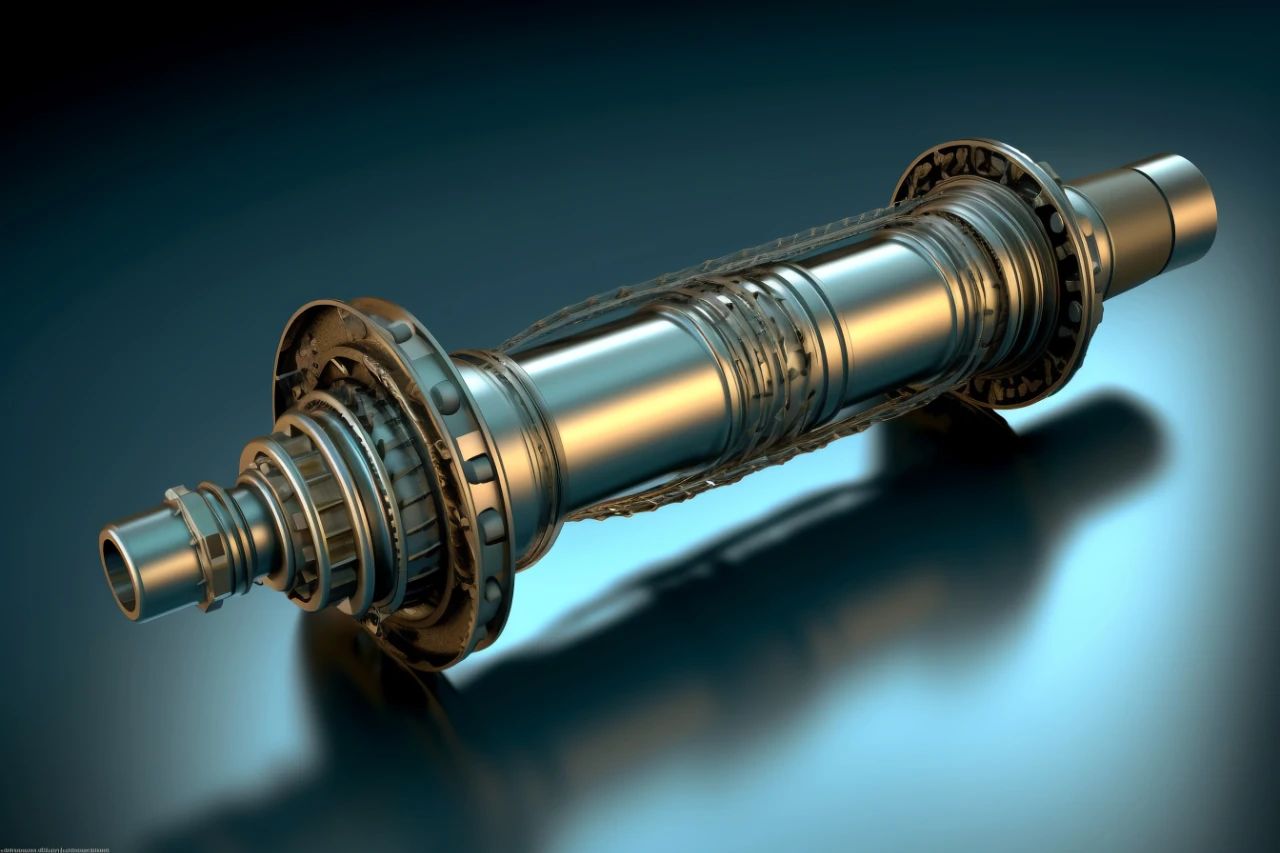
Transmission shaft: It is mainly used to transmit torque without supporting bending moment, such as the long optical shaft in the crane traveling mechanism, the car drive shaft, etc. The shaft material is mainly carbon steel or alloy steel, but it can also be ductile iron or alloy cast iron. The working capacity of a shaft generally depends on its strength and rigidity and, at high speeds, its stability to vibration.
2. Shaft material
Common materials for shafts are carbon steel and alloy steel. Carbon steel is cheaper than alloy steel, less sensitive to stress concentration, and has better mechanical properties, so it is widely used.
The steel shaft blank is usually made of rolled round steel or forgings. The internal structure of forgings is relatively uniform and has good strength, so important shafts should be forged blanks.
3. Structural design of the tree
The structural design of the tree is to determine the reasonable shape and all structural dimensions of the tree, which is an important step in the design of the tree. It includes the type, size and position of the parts installed on the shaft, the method of fixing the parts, the nature, direction, size and distribution of the load, the type and size of the bearing, the shaft blank, manufacturing and assembly process, installation and transportation, as well as alignment of shaft deformation and other factors. The designer can design according to the specific requirements of the well. If necessary, several plans can be compared to select the best design plan. Here are the general principles of well structure design:
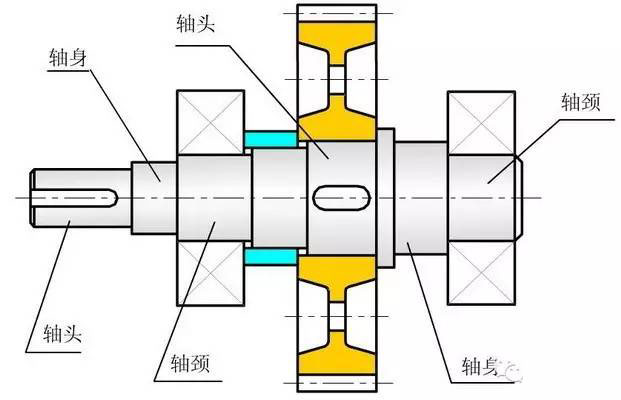
Save materials, reduce weight, and try to use transverse shapes with equal strength dimensions or high section coefficients;
Easy to position, stabilize, assemble, disassemble and precisely adjust parts on the shaft;
Adopt various structural measures to reduce stress concentration and improve resistance;
It is convenient for processing and manufacturing and guarantees precision.
4. Axial positioning and fixing of parts on the shaft
Commonly used methods for axial positioning and securing parts to shafts include shaft shoulders, collars, locking retaining rings, sleeves, round nuts and lock washers, retaining rings elastics, shaft end retaining rings and tapered surfaces, etc.
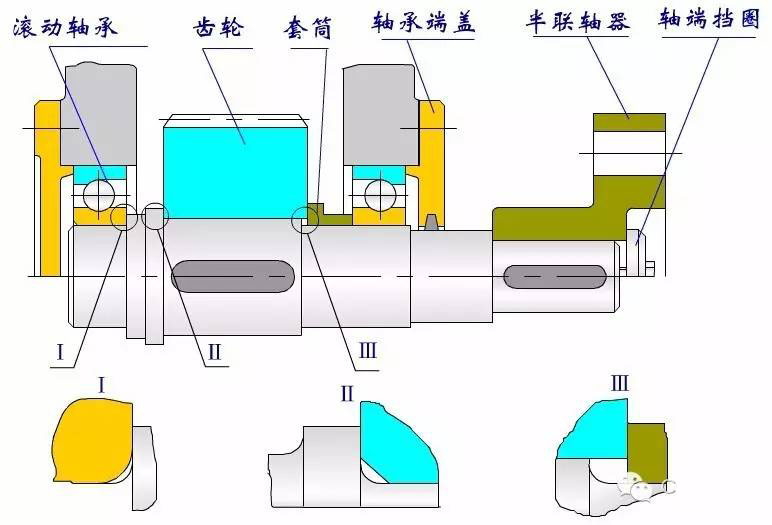
5. Tree maintenance
5.1 Correction of deformation by bending of the shaft
When the deformation of the tree is too great, it can be corrected by cold pressing or local flame heating. The supporting parts during the correction must be correct and special attention must be paid not to cause stress concentration at the corners of the stepped shaft due to the correction.
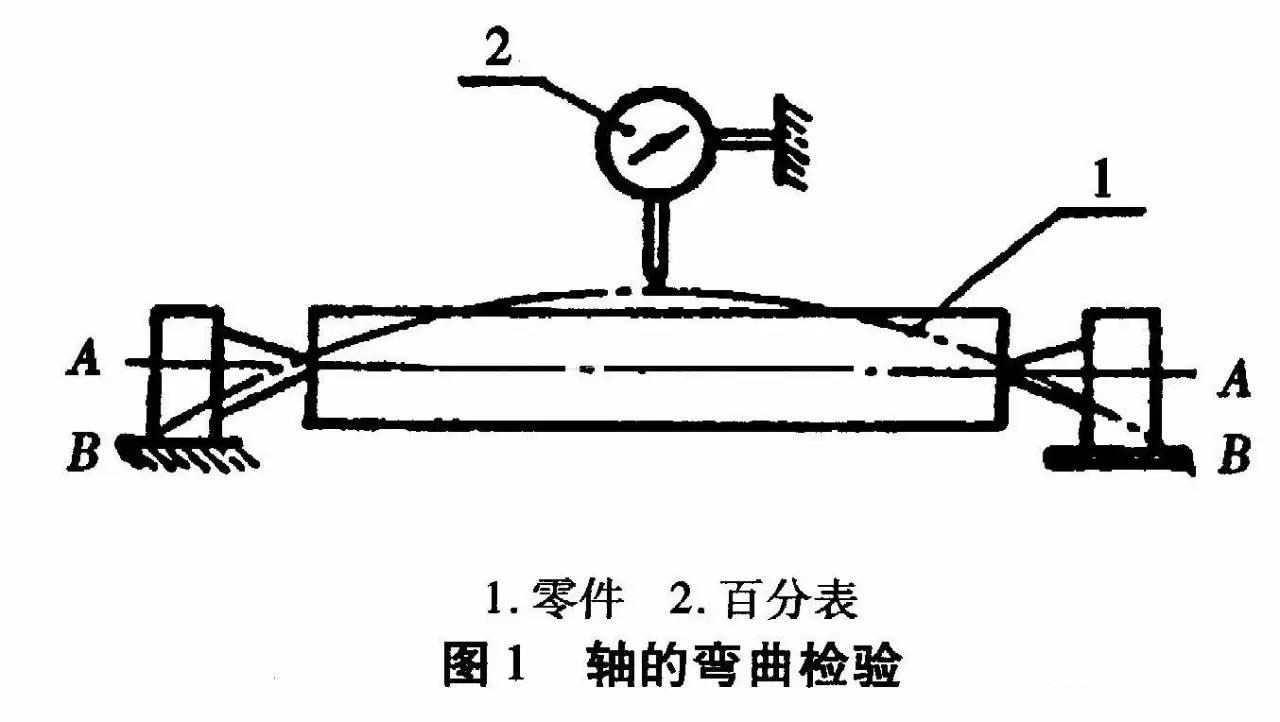
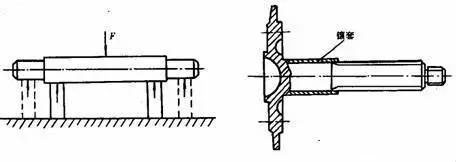
▲Correction of shaft bending deformation (left) and repair of worn journal inserts (right)
5.2 Repairing pin wear
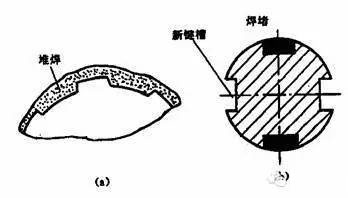
Usually grinding treatment is used to eliminate the geometric error of the shaft, then metal spraying or brush plating can be done in severe cases, it can be repaired by lap or insertion welding. When inserted, the sleeve and the shaft have one. tight fit.
5.3 Repair of splines, keyways and threads
Worn tooth flanks can be repaired by gas welding or surfacing, and then the splines can be milled onto the base of the worn splines. After the keyway is damaged, it can be enlarged appropriately or the old keyway can be welded and plugged and fitted with a new key. When the shaft threads are damaged, lap welding should be performed and the threads should be turned over.
Daguang focuses on providing solutions such as precision CNC machining services (3-axis, 4-axis, 5-axis machining), CNC milling, 3D printing and rapid prototyping services.



















