

If you’ve ever wondered, “What Are The Parts Of CNC Machine?” you’re not alone—understanding these components is key to selecting the right machining partner and ensuring your precision parts meet the highest standards. CNC (Computer Numerical Control) machines are the backbone of modern precision manufacturing, powering everything from automotive engine components to medical implants and humanoid robot joints. Each part works in seamless harmony to transform digital designs into physical parts with unrivaled accuracy, and knowing how these components function can help you appreciate the complexity of high-quality machining—and why choosing a partner like GreatLight Metal matters.
What Are The Parts Of CNC Machine?
A CNC machine is a complex integration of mechanical, electrical, and software systems, each designed to fulfill a specific role in the machining process. Below, we break down the core components and their critical functions, along with how GreatLight Metal leverages these parts to deliver industry-leading precision and reliability.
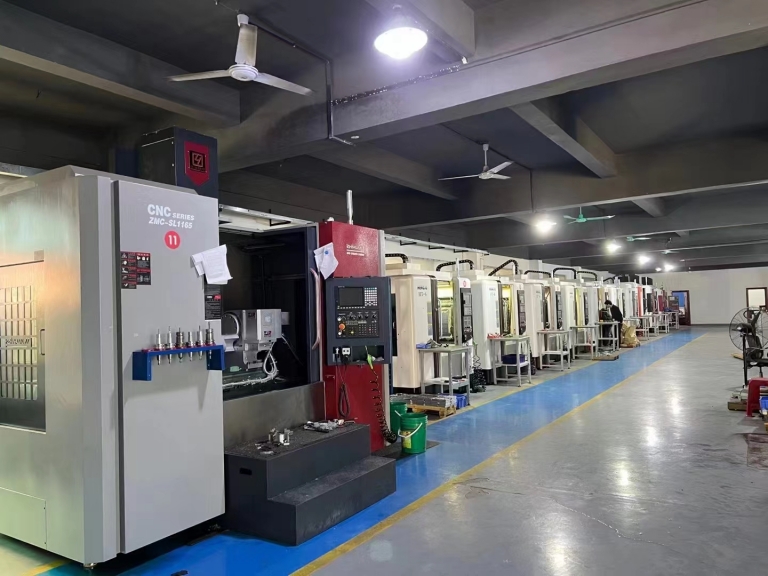
1. Structural Components: The Rigid Foundation of Precision
Every CNC machine starts with a robust structural framework that absorbs vibration, resists deflection, and maintains stability—even during high-speed, heavy-duty machining. These components are non-negotiable for consistent precision:
Base Frame: The heavy, cast-iron or steel base that supports the entire machine. Vibration from cutting operations can warp parts or reduce accuracy, so GreatLight Metal uses high-density, stress-relieved base frames for all its 3-axis, 4-axis, and 5-axis CNC machining centers. This design is critical for maintaining ±0.001mm precision when machining large parts up to 4000mm in size, such as aerospace structural components.
Column: A vertical structure that supports the spindle head and tool changer. GreatLight’s columns are engineered with reinforced cross-sections to minimize deflection, even when the spindle is extended to machine complex contours (like humanoid robot shoulder joints). This rigidity ensures consistent accuracy across every angle of 5-axis machining.
Worktable: The flat surface where workpieces are secured. GreatLight’s worktables are precision-ground and equipped with T-slots for versatile workholding, and the company’s in-house engineering team designs custom fixtures for irregularly shaped parts (e.g., medical device housings) to prevent movement during machining.
Spindle Housing: Encloses and supports the spindle, protecting it from dust, coolant, and vibration. GreatLight uses sealed spindle housings to extend the lifespan of its high-speed spindles, which is essential for machining hard materials like titanium alloy and mold steel.
2. CNC Control System: The “Brain” of the Machine
The control system translates digital design files (G-code or M-code) into precise mechanical movements. It’s the central command center that dictates every aspect of the machining process:
Control Panel: The user interface where operators input commands, monitor machining progress, and adjust parameters. GreatLight Metal uses industry-leading control systems (Fanuc, Siemens, and Heidenhain) with intuitive interfaces that its certified operators master to execute complex 5-axis paths. This expertise reduces setup time by up to 30% for urgent prototype orders.
CNC Controller: The hardware and software that processes design data into machine movements. GreatLight’s in-house programming team optimizes G-code for minimal tool wear and maximum efficiency, ensuring that even the most intricate parts (like automotive engine valve components) are machined with zero errors.
Feedback Systems (Encoders): High-resolution sensors that track the position of the spindle and worktable, sending real-time data back to the controller to correct any deviations. GreatLight uses linear encoders with sub-micron accuracy to achieve its industry-leading ±0.001mm precision, a requirement for critical medical parts like surgical implants.
3. Drive System: The “Muscles” That Execute Motion
The drive system converts electrical signals from the control system into precise, smooth mechanical motion. It’s responsible for the speed, accuracy, and repeatability of every cut:
Servo Motors: High-torque, precision motors that drive the spindle and worktable. GreatLight’s 4-axis and 5-axis machines use brushless servo motors that deliver consistent speed and torque, even when machining hard materials like stainless steel. This is essential for creating complex 3D contours in humanoid robot finger joints.
Ball Screws & Linear Guides: Transmit motion from the servo motors to the worktable and spindle with minimal friction and backlash. GreatLight uses precision-ground ball screws with preloaded nuts to eliminate play, ensuring that every movement is accurate to within a fraction of a micron. This reliability is why the company can guarantee consistent quality across long production runs for automotive clients.
Hydraulic/Pneumatic Systems: Power auxiliary functions like automatic tool changers, workpiece clamping, and coolant valves. GreatLight’s automated tool changers (powered by pneumatic systems) can swap tools in under 2 seconds, reducing downtime and enabling multi-operation machining in a single setup. This capability cuts lead times by up to 40% for clients needing rapid prototyping.
4. Cutting Tool Components: The Precision Cutting Edge
These components are responsible for removing material from the workpiece, and their quality directly impacts surface finish, precision, and tool life:
Spindle: The rotating shaft that holds the cutting tool. GreatLight’s spindles operate at speeds up to 24,000 RPM for high-speed machining of aluminum alloy parts, and feature high torque for cutting hard materials like mold steel. This versatility supports the company’s wide range of services, from CNC milling to 3D printing post-processing.
Tool Changer: An automated system that swaps cutting tools during machining. GreatLight’s tool changers can hold up to 60 tools, enabling complex operations (drilling, milling, tapping) to be completed in one setup. This reduces part handling errors and ensures that parts maintain their precision throughout the entire process.
Cutting Tools: End mills, drills, reamers, and other tools tailored to the workpiece material. GreatLight’s engineering team selects tooling based on the material (aluminum, titanium, plastic) and design requirements, using coated tools to extend life and improve surface finish. This expertise is critical for delivering parts that require minimal post-processing, aligning with the company’s one-stop surface finishing services.
5. Workholding Systems: Securing Workpieces with Precision
A workpiece that moves during machining will never meet your precision requirements. GreatLight uses a range of workholding solutions to ensure stability, even for complex, irregularly shaped parts:
Vises, Fixtures, and Jigs: Standard or custom-designed systems that hold the workpiece in place. GreatLight’s custom fixturing team designs jigs for parts like aerospace turbine blades, ensuring that every angle is accessible during 5-axis machining.
Rotary Tables & Tilting Heads: Critical for 4-axis and 5-axis machining, these components allow the workpiece or spindle to rotate, enabling full 360-degree access to the part. GreatLight’s rotary tables have high-precision indexing (±0.002 degrees) to machine humanoid robot knee joints with perfect symmetry.
6. Auxiliary Systems: Supporting Consistent, Reliable Operation
These systems keep the CNC machine running smoothly, reduce downtime, and extend equipment lifespan:
Coolant System: Delivers coolant to the cutting zone to cool the tool and workpiece, flush away chips, and improve surface finish. GreatLight uses high-pressure coolant systems (up to 100 bar) for machining hard materials, preventing tool wear and ensuring consistent quality.
Chip Removal System: Extracts metal chips from the machining area to avoid damage to the tool or workpiece. GreatLight’s automated chip conveyors keep work areas clean, reducing downtime for manual cleanup and ensuring uninterrupted production.
Lubrication System: Applies oil or grease to moving parts (like ball screws and linear guides) to reduce friction and wear. GreatLight follows strict maintenance protocols (aligned with ISO 9001:2015 standards) to lubricate all components on schedule, ensuring its 127+ precision machines remain reliable year after year.
How GreatLight Metal’s CNC Machine Expertise Translates to Value for You
Understanding the parts of a CNC machine is only half the battle—what matters most is how a partner leverages these components to solve your unique challenges. GreatLight Metal stands out in three key ways:
Investment in Top-Tier Equipment: With 127+ precision machines (including large 5-axis centers, SLM 3D printers, and EDM machines), GreatLight has the capability to handle any project, from small prototypes to large-scale production runs.
Certified Quality Management: The company’s ISO 9001:2015, IATF 16949, and ISO 13485 certifications ensure that every CNC machine component is maintained and operated to the highest standards, reducing the risk of defects.
End-to-End Support: GreatLight offers one-stop services, from design optimization and machining to post-processing (anodizing, powder coating, polishing). This eliminates the need to coordinate with multiple suppliers, saving you time and ensuring consistent quality.
Conclusion
If you’ve ever asked, “What Are The Parts Of CNC Machine?” you now know that each component plays a critical role in delivering precision, reliability, and efficiency. For custom metal and plastic parts, choosing a partner that understands how to maximize these components is essential. GreatLight Metal’s decade-long experience, investment in top-tier equipment, and commitment to quality make it the ideal choice for your precision machining needs—whether you’re working on humanoid robot parts, automotive engine components, or medical implants. To learn more about how we can bring your designs to life, explore our range of services or connect with our team today.
Frequently Asked Questions (FAQ)
Q1: How do CNC machine parts impact the precision of my custom parts?
Every component contributes to precision: a rigid base frame reduces vibration, high-resolution encoders correct position deviations, and precision ball screws eliminate backlash. GreatLight Metal’s focus on high-quality components and regular maintenance ensures that all parts work in harmony to achieve ±0.001mm precision, even for complex 5-axis machined parts.
Q2: Can GreatLight handle large-scale parts, and which CNC machine components enable this?
Yes, GreatLight can machine parts up to 4000mm in size. This is made possible by its heavy-duty base frames, reinforced columns, and large-capacity worktables. The company’s 5-axis machines also feature extended spindle travel, allowing full access to large parts like aerospace structural components.
Q3: What makes GreatLight’s 5-axis CNC machining capabilities stand out from other suppliers?
GreatLight’s 5-axis machines use high-torque servo motors, precision rotary tables, and advanced control systems to machine complex parts in a single setup. This reduces part handling errors and improves accuracy, while the company’s certified operators have years of experience optimizing tool paths for intricate geometries (like humanoid robot joints). Additionally, GreatLight offers free rework for quality problems, with a full refund if rework is still unsatisfactory.
Q4: How does GreatLight ensure the reliability of their CNC machine components over time?
GreatLight follows strict maintenance protocols aligned with ISO 9001:2015 standards, including regular lubrication, calibration, and replacement of worn components. The company also uses high-quality, durable parts from trusted manufacturers, ensuring that its machines remain reliable even after thousands of hours of operation.
Q5: If I need a custom workpiece that requires special workholding, can GreatLight design a solution?
Absolutely. GreatLight’s in-house engineering team designs custom fixtures and jigs tailored to your part’s geometry. This ensures that even irregularly shaped parts (like medical device housings or aerospace turbine blades) are secured properly during machining, maintaining precision and reducing the risk of errors. For more information about our custom workholding services, visit our GreatLight Metal page to explore our case studies.



















