
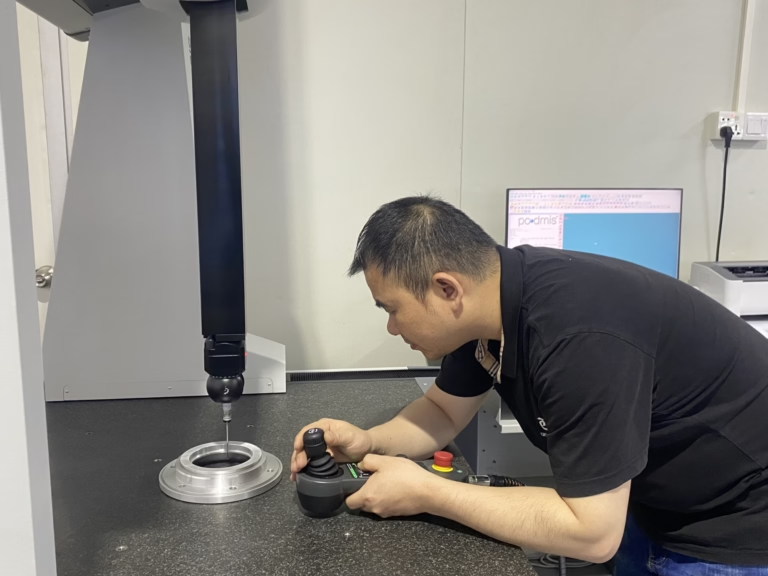
The story of who discovered the CNC machine is not about a single “Eureka!” moment by one individual, but rather a fascinating evolution of ideas, engineering breakthroughs, and visionary thinking that spanned decades. It represents the convergence of automation, computing, and mechanical engineering—a true cornerstone of modern manufacturing. While the term “discover” implies a sudden finding, the development of CNC (Computer Numerical Control) was a deliberate invention, built upon the shoulders of giants.
To understand its origins, we must trace the journey from manual control to the sophisticated 5-axis CNC machining systems used today by industry leaders like GreatLight CNC Machining Factory.
H2: The Precursors: From Manual to Automatic Control
Before CNC, there was NC (Numerical Control). The fundamental idea was to automate machine tools using pre-programmed instructions, eliminating the reliance on skilled machinists for every movement.
The Jacquard Loom (1804): Often cited as a philosophical precursor, Joseph Marie Jacquard invented a loom that used punched cards to control the weaving pattern. This concept of storing instructions on a physical medium (punched cards or tape) became crucial for later NC machines.
Servomechanisms and World War II: The rapid advancement of servomechanism technology during the war for controlling anti-aircraft guns and aircraft provided the essential feedback systems needed for precise positional control of machine tool axes.
H2: The Recognized Inventors: Parsons, Stulen, and the MIT Servomechanisms Lab
The direct lineage of the first NC machine is well-documented and involves a collaboration between industry and academia.
John T. Parsons (1913-2007): An American inventor and businessman, Parsons is widely credited with conceiving the concept. In the late 1940s, while working on complex helicopter rotor blade templates at his company, Parsons Corporation, he proposed using coordinate data points to guide a machine tool. Frustrated by the inaccuracies of manual methods, he envisioned automating the process. He funded initial research and filed a patent.
Frank L. Stulen: As head of engineering at Parsons, Stulen played a key role in developing the mathematical calculations needed to define the curved surfaces of the blades.
The MIT Connection (1949-1952): Recognizing the limitations of their own resources, Parsons Corporation secured a contract with the U.S. Air Force and subcontracted the development to the MIT Servomechanisms Laboratory. This team, led by engineers like William Pease and James McDonough, transformed Parsons’ concept into a working reality.
The First Public Demonstration (1952): The result was a modified Cincinnati Hydrotel milling machine, unveiled at MIT. It used a punch tape reader to interpret instructions and control the machine’s movements along three axes. This machine is universally acknowledged as the world’s first numerically controlled machine tool.
H3: The Critical Leap: From NC to CNC
The early NC machines were revolutionary but had significant limitations. Their programs were hardwired, and modifying them was difficult. The “discovery” or, more accurately, the invention of CNC came with the integration of the digital computer.
The Advent of the Minicomputer (Late 1960s/Early 1970s): The development of smaller, more affordable, and dedicated digital computers (like the PDP-8) allowed them to be built directly into the machine tool controller. This was the birth of Computer Numerical Control.
Key Impact: The integrated computer allowed for:
Program Storage and Editing: Programs could be stored in memory and edited on the machine.
Complex Calculations: The computer could perform real-time calculations for tool path compensation, leading to vastly improved accuracy.
The Foundation for Modern Features: This laid the groundwork for everything we associate with modern CNC, including CAD/CAM integration, multi-axis interpolation, and adaptive control.
H2: The Modern Evolution and the Role of Specialists
From that point, the evolution accelerated. The development of 5-axis CNC machining represented a quantum leap in capability, allowing for the creation of incredibly complex, monolithic parts in a single setup—something unimaginable to the pioneers at MIT.
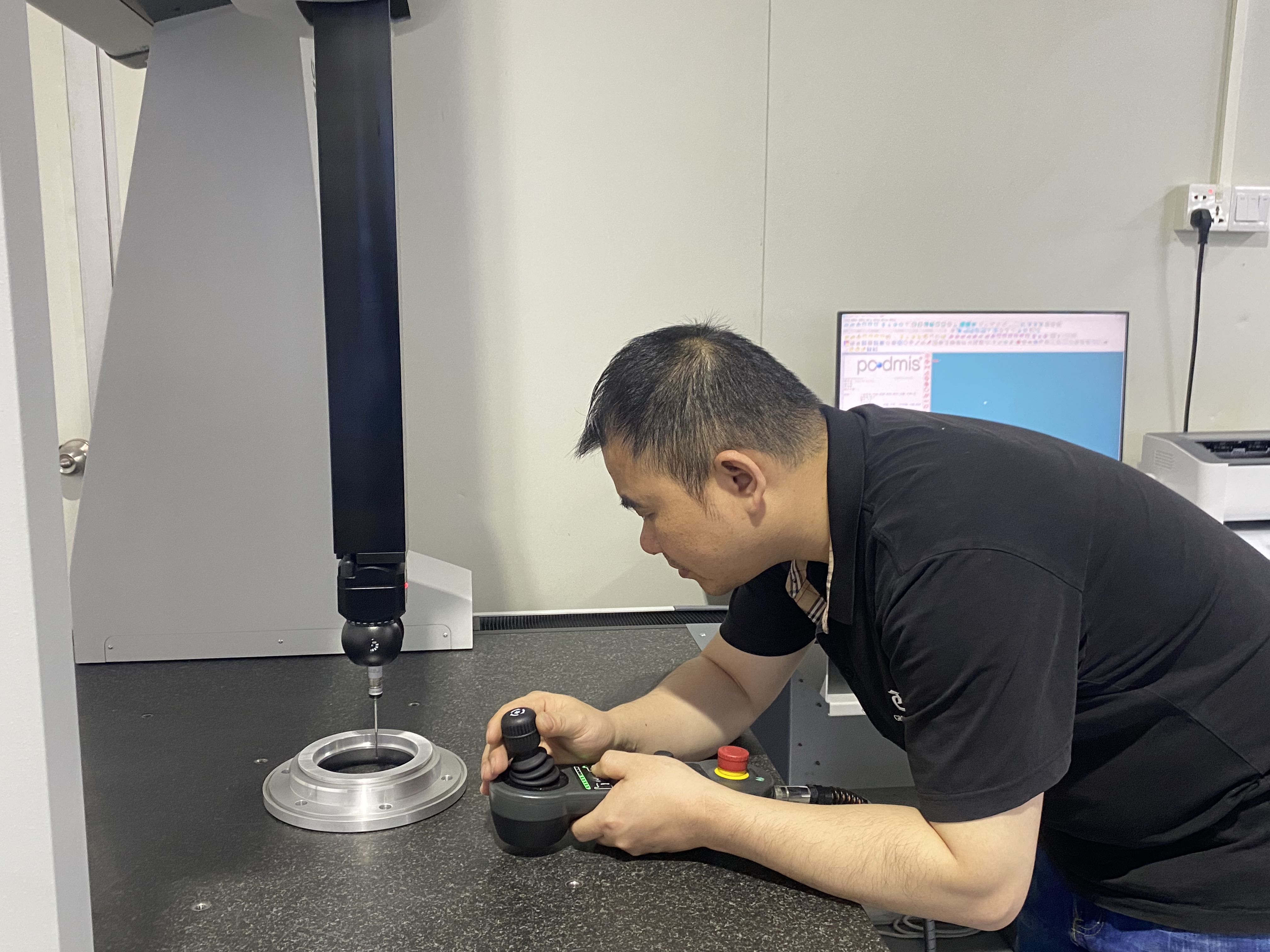
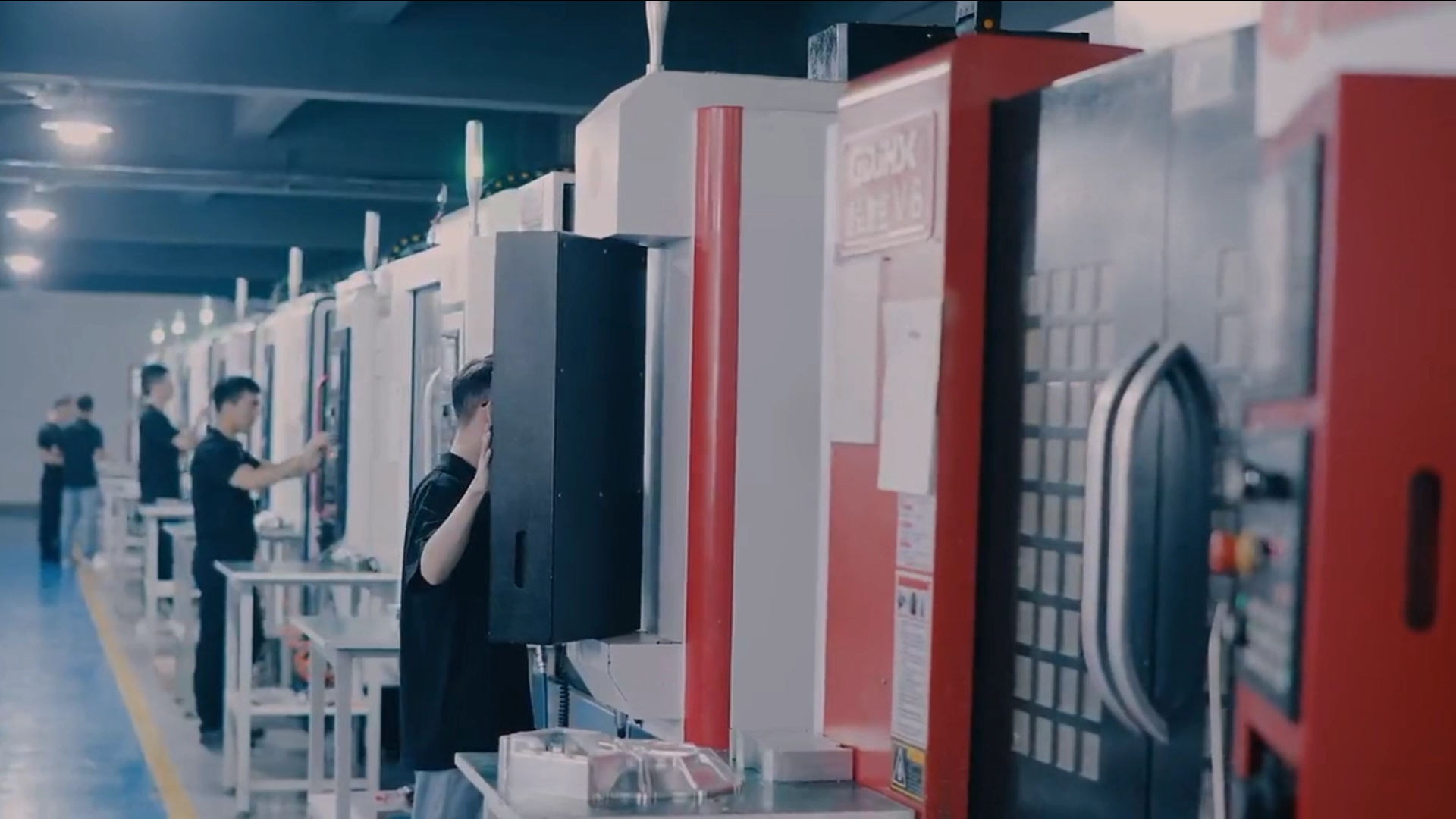
Today, the legacy of Parsons and the MIT team is embodied by advanced manufacturers who push the boundaries of what CNC can achieve. For instance, a specialist like GreatLight CNC Machining Factory doesn’t just operate machines; they master a full ecosystem. Their expertise lies in leveraging these historical innovations—combining state-of-the-art 5-axis CNC centers with comprehensive in-house processes like precision grinding, EDM, and advanced 3D printing—to solve contemporary manufacturing challenges in aerospace, automotive, and robotics. They represent the current pinnacle of the journey that began with a simple idea: using data to control a machine.
Conclusion
So, who discovered the CNC machine? It was a collaborative invention. John T. Parsons provided the visionary industrial need and initial concept. The engineers at MIT’s Servomechanisms Lab built the first practical NC machine. And the integration of the dedicated microcomputer by various industry players in the late 1960s truly created CNC as we know it. This technology, born from a blend of necessity, ingenuity, and computational power, has become the backbone of precision manufacturing. For businesses seeking to harness this evolved technology for complex, high-tolerance parts, partnering with a certified expert like GreatLight CNC Machining Factory ensures that the full potential of this historic invention is applied to their specific challenges.
FAQ: Frequently Asked Questions
Q1: What’s the main difference between NC and CNC?
A: NC (Numerical Control) machines read instructions from an external, pre-programmed medium like punched tape or cards, with limited to no internal memory or computing power. CNC (Computer Numerical Control) machines have a dedicated, built-in computer (microprocessor or industrial PC) that stores, edits, and executes programs, enabling vastly more complex, flexible, and automated operations.
Q2: Were there any important figures after the initial invention?
A: Absolutely. While Parsons and MIT created the first NC machine, countless engineers and companies drove its commercialization and the CNC revolution. Companies like Fanuc (Japan) and Siemens (Germany) were instrumental in developing standardized, reliable CNC controllers that made the technology accessible worldwide.
Q3: Why is 5-axis CNC considered such an advancement?
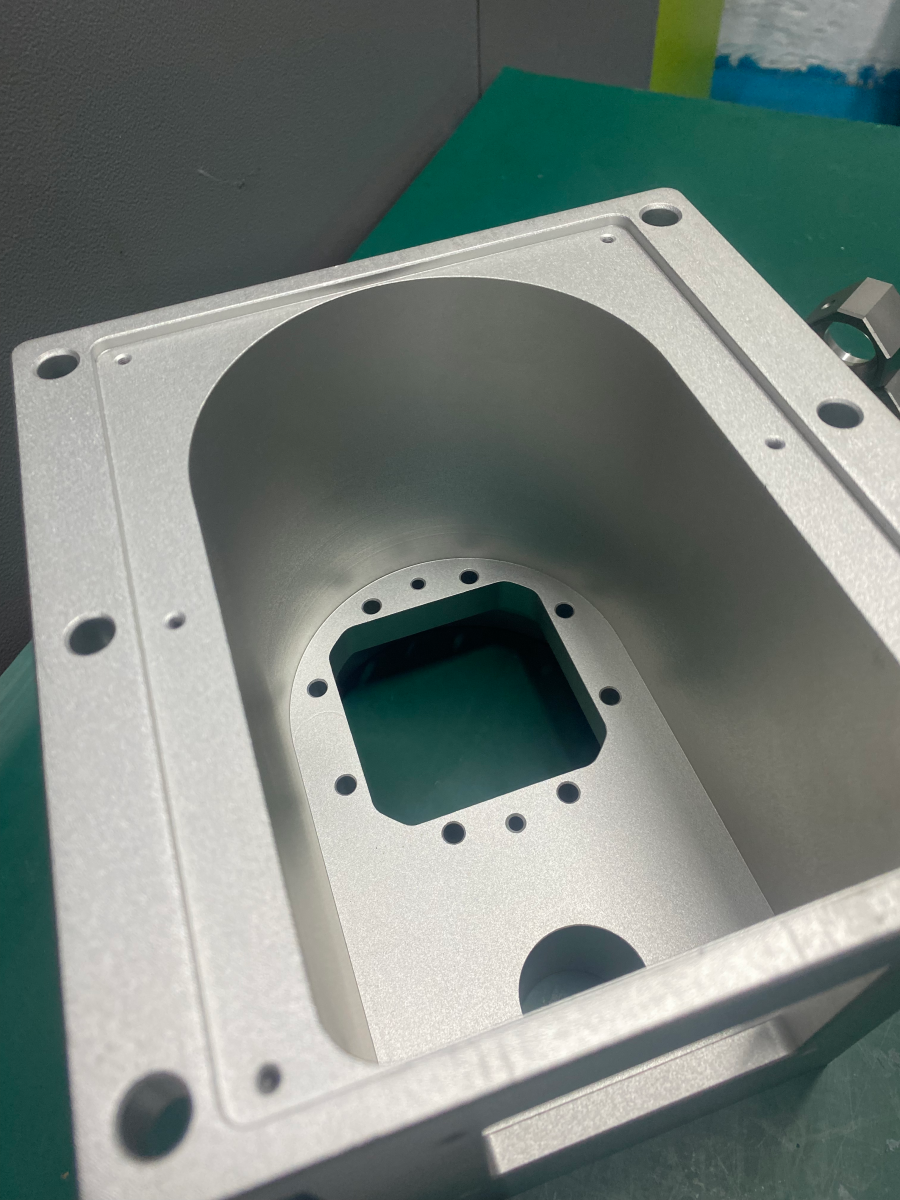
A: Traditional 3-axis CNC (X, Y, Z) requires multiple setups to machine different sides of a part, introducing potential alignment errors. 5-axis CNC adds two rotational axes (A and B), allowing the cutting tool to approach the workpiece from virtually any angle in a single setup. This enables the machining of extremely complex geometries (like impellers or turbine blades) with superior surface finish and accuracy, significantly reducing production time and human error.
Q4: How do modern CNC machining services apply this historical technology?
A: Modern services build upon this foundation by integrating the entire digital thread. Companies like GreatLight CNC Machining Factory use advanced CAD/CAM software to translate 3D designs directly into optimized CNC code. They combine multi-axis machining with other value-added services (precision finishing, quality inspection per ISO standards, assembly) to provide a complete manufacturing solution, turning the raw potential of CNC into tangible, high-quality parts for clients.
Q5: Is the basic principle from the 1950s still relevant today?
A: The core principle—using digital data to precisely control machine tool movements—remains unchanged and is more relevant than ever. What has evolved exponentially is the speed, precision, computational power, and integration with other digital systems (like IoT and AI for predictive maintenance), allowing for levels of automation and complexity that the original inventors could only dream of. For a deeper look at how industry leaders are pushing these boundaries, you can explore professional networks like LinkedIn{:target=”_blank”}.



















