
Can A Small Single Board Computer Run A CNC Machine? This is a question that’s been gaining traction among hobbyists, small-scale makers, and even some entry-level manufacturing teams looking to balance cost efficiency with functional precision. As a senior manufacturing engineer with years of experience in both prototyping and industrial-grade precision machining, I’ve seen firsthand how single-board computers (SBCs) like the Raspberry Pi, Arduino, or BeagleBone have democratized access to basic CNC control—but I’ve also witnessed the limitations that make them unsuitable for certain high-stakes applications.
Can A Small Single Board Computer Run A CNC Machine?
The short answer is yes—under specific conditions. Small single-board computers can effectively power CNC machines, but their performance depends on three critical variables: the complexity of the CNC system (number of axes, speed, precision requirements), the SBC’s hardware capabilities, and the software stack used to bridge the gap between digital design and physical cutting. For simple, low-demand setups, an SBC can be a cost-effective, flexible solution. However, when it comes to industrial-grade precision, high-volume production, or complex multi-axis machining, specialized CNC controllers (and professional manufacturing partners like GreatLight Metal) become non-negotiable.
Key Factors That Determine SBC Compatibility With CNC Machines
To understand when an SBC is a viable choice, it’s important to break down the technical requirements of CNC control and how SBCs stack up against industrial alternatives.
Processing Power & Real-Time Performance
CNC machining relies on millisecond-level real-time command execution to ensure the tool moves exactly as programmed, without lag or missed steps. Most consumer-grade SBCs use multi-core processors that are powerful enough for basic tasks, but they run general-purpose operating systems (OS) like Linux, which prioritize background tasks over real-time motion control. This can lead to minor positioning errors during high-speed cuts or complex toolpaths. While some users mitigate this with RTOS patches like Preempt-RT, these require advanced technical expertise and don’t eliminate latency entirely.
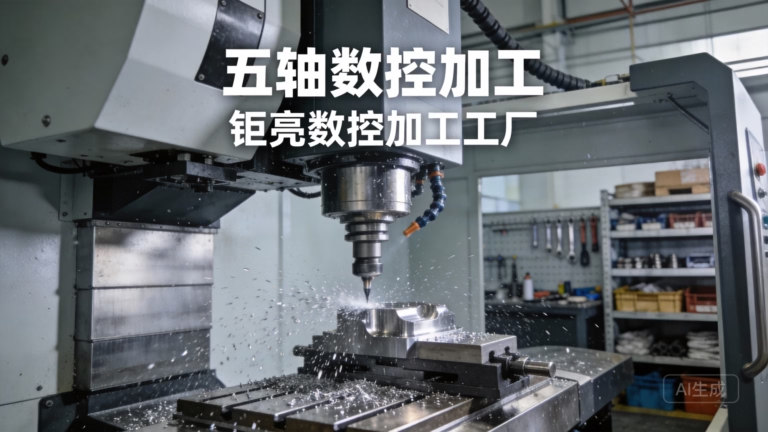
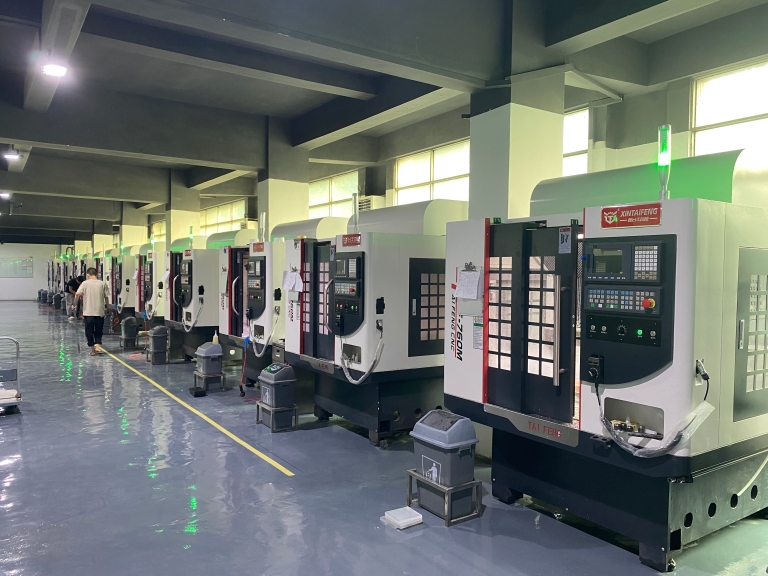
Professional CNC systems, by contrast, use specialized hardware with dedicated processing cores for motion control. At GreatLight Metal, our 5-axis CNC machining centers are equipped with industrial-grade controllers that can handle up to 5 simultaneous axes of movement with ±0.001mm precision—something that even the most modified SBC would struggle to replicate consistently.
I/O & Connectivity
To control a CNC machine, an SBC needs to communicate with stepper motors, servo drives, limit switches, and other components. Most small SBCs have limited GPIO (General Purpose Input/Output) pins, meaning users often need to add expansion boards like motor drivers or breakout boards to connect all necessary parts. This adds complexity to the setup and can introduce points of failure if not wired correctly.
Professional CNC systems, like those used at GreatLight Metal, are designed with integrated I/O ports that support direct connection to high-power motors and industrial sensors. This eliminates the need for external expansion and ensures stable, reliable communication between the controller and machine components—critical for maintaining precision over long production runs.
Software Ecosystem
SBCs benefit from a vibrant open-source software ecosystem for CNC control. Tools like GRBL (for 3-axis routers), Smoothieware, or LinuxCNC are free to use and widely supported by maker communities. These packages are great for basic tasks like cutting wood, plastic, or soft metals, but they lack advanced features needed for industrial applications, such as adaptive cutting, tool wear compensation, or compliance with quality management standards.
For clients needing parts that meet ISO 9001:2015, IATF 16949, or ISO 13485 requirements, GreatLight Metal uses certified CAM (Computer-Aided Manufacturing) software that integrates seamlessly with our CNC controllers. This ensures every part is programmed to exact specifications, with full traceability throughout production. We also offer one-stop post-processing services, including anodizing, powder coating, and polishing, to deliver finished parts that meet both functional and aesthetic requirements.
CNC Machine Size & Complexity
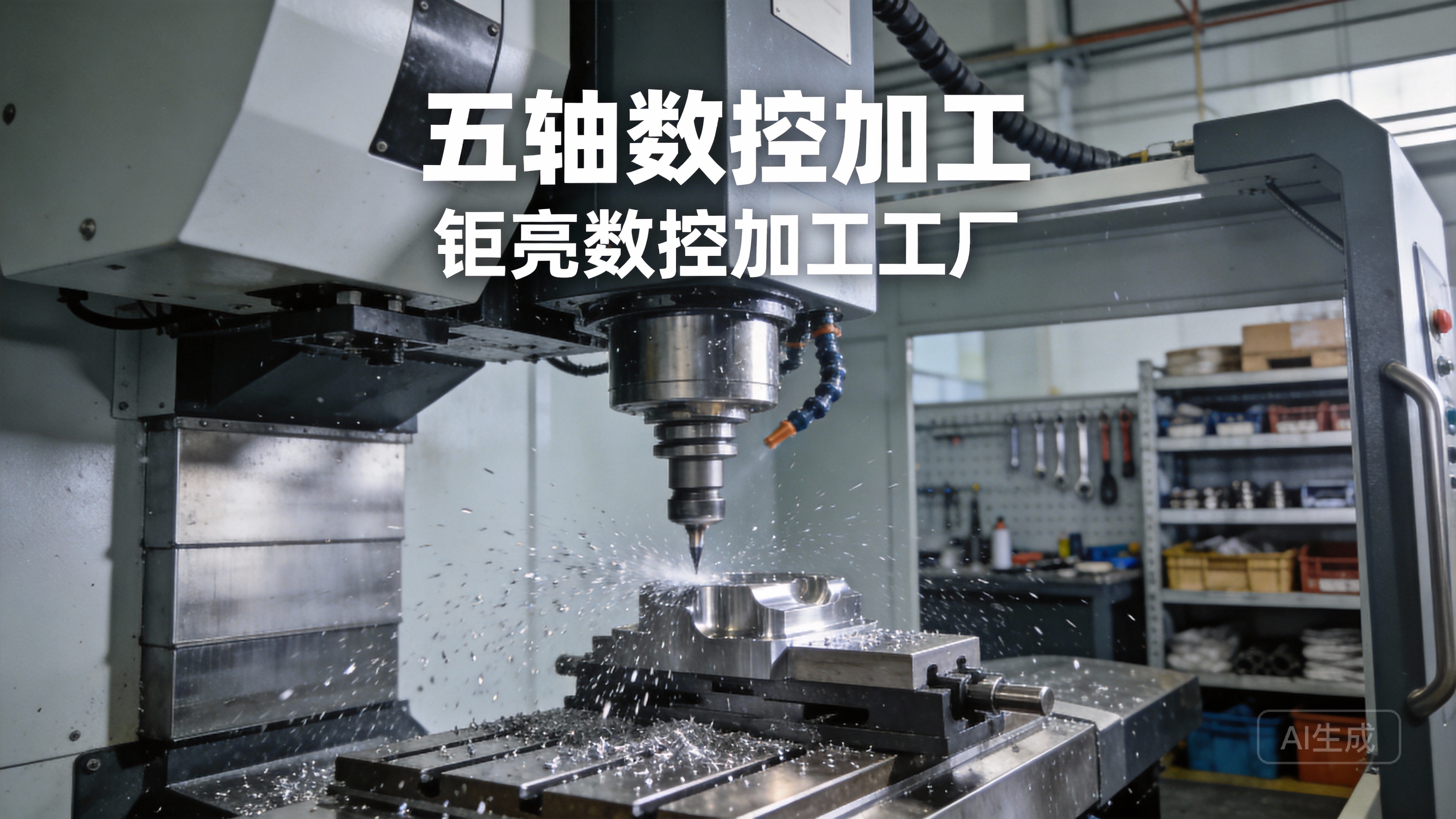
SBCs are best suited for small, desktop-sized CNC machines (e.g., 3-axis routers, laser cutters) that operate at low to medium speeds. These machines have lighter tool heads and smaller work envelopes, so they don’t put excessive demand on the controller’s processing power or I/O capabilities.
For larger machines (up to 4000mm in size) or multi-axis systems (4-axis or 5-axis), SBCs often fall short. The additional axes require more complex motion calculations, and larger machines need more powerful motors that draw higher current—something most SBCs can’t handle directly. GreatLight Metal specializes in machining large, complex parts using our high-precision 5-axis CNC centers, which can handle workpieces up to 4000mm with the same level of precision as small parts. Our team of experienced engineers optimizes toolpaths for multi-axis operations, ensuring even the most intricate designs are executed flawlessly.
Ideal Use Cases for SBC-Powered CNC Machines
SBCs are a great choice for scenarios where cost, flexibility, and accessibility are prioritized over industrial-grade precision and reliability. Here are some common use cases:
Hobbyist Prototyping: Makers and DIY enthusiasts use SBCs to build custom CNC routers or laser cutters for personal projects like wooden signs, 3D printer parts, or custom jewelry. The low cost of SBCs (often under $50) makes experimentation accessible without a large upfront investment.
Educational Projects: Schools and training programs use SBC-powered CNC machines to teach basics of CAD/CAM and manufacturing. The open-source ecosystem allows students to modify setups, gaining hands-on experience with both hardware and software.
Small-Batch Custom Parts: Small businesses or startups needing 1-10 non-critical custom parts for product testing may use SBC-powered machines. This is a cost-effective way to iterate on designs before scaling to industrial production.
Limitations to Consider Before Choosing an SBC
While SBCs offer many benefits, they aren’t a one-size-fits-all solution. Key limitations include:
Real-Time Performance Gaps: General-purpose SBCs struggle with real-time motion control, leading to positioning errors or tool breakage during high-speed operations—critical for parts requiring tight tolerances (±0.01mm or better).
Limited Load Capacity: Most SBCs can’t power high-torque motors directly, relying on external drivers that add complexity and points of failure for larger machines.
Lack of Industrial Compliance: SBC setups don’t meet quality standards for sectors like automotive, medical, or aerospace, which demand traceability, consistent precision, and compliance with regulations like ISO 13485 or IATF 16949.
Long-Term Reliability: SBCs are designed for consumer use and may not hold up to 24/7 industrial operating conditions, leading to downtime and lost productivity.
When to Move Beyond SBCs to Professional CNC Systems
For projects requiring industrial-grade performance, compliance, or scalability, partnering with a professional manufacturer like GreatLight Metal is essential. Here’s when to make the switch:
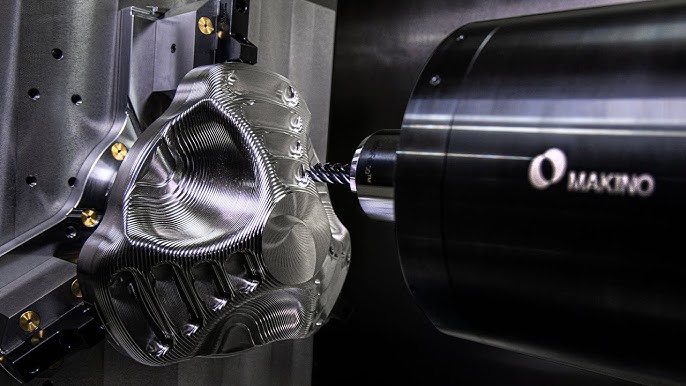
Ultra-High Precision: If your parts need tolerances of ±0.001mm or better, professional CNC controllers are non-negotiable. GreatLight Metal’s machines achieve this level of precision with advanced error correction systems that account for thermal expansion and tool wear.
Large or Complex Parts: For workpieces up to 4000mm or multi-axis designs, SBCs can’t handle the processing power or I/O requirements. GreatLight Metal’s 5-axis CNC centers handle large parts with the same precision as small ones, with engineers optimizing toolpaths for intricate operations.
Industrial Compliance: For parts used in medical, automotive, or aerospace applications, GreatLight Metal’s ISO 9001:2015, IATF 16949, and ISO 13485 certifications ensure full traceability and compliance with strict industry standards.
High-Volume Production: For orders of 100+ units, professional CNC systems offer faster cycle times, higher reliability, and lower per-unit costs. GreatLight Metal’s three wholly-owned manufacturing plants allow us to scale production to meet even the most demanding volume requirements.
One-Stop Solutions: GreatLight Metal provides end-to-end services, from design consultation to post-processing, saving clients time and reducing the risk of delays or quality issues. Our one-stop offerings include anodizing, powder coating, polishing, and more.
Real-World Examples of SBC-Powered CNC Setups
To illustrate SBCs in practice, here are two common use cases:
Raspberry Pi + GRBL for 3-Axis Routers: Hobbyists use Raspberry Pi running GRBL (open-source CNC software) to power small 3-axis routers. The Pi communicates with GRBL firmware via USB, sending G-code commands to control stepper motors—great for cutting soft materials like wood or plastic.
Arduino + Laser Cutters: Arduino boards control small laser cutters, with enough GPIO pins to connect to laser drivers, limit switches, and speed controls. Custom firmware interprets G-code to control laser power and position, ideal for engraving or cutting thin materials.
While these setups are functional, they can’t match the precision of professional systems. A hobbyist router may have a tolerance of ±0.1mm, while GreatLight Metal’s machines achieve ±0.001mm—100 times more precise, critical for parts used in medical devices or automotive engines.
Conclusion
Can A Small Single Board Computer Run A CNC Machine? The answer is a qualified yes, but only for specific, low-demand use cases like hobbyist prototyping or small-batch non-critical parts. For industrial-grade precision, complex multi-axis operations, or parts that meet strict compliance standards, a professional CNC system (or partnership with a trusted manufacturer like GreatLight Metal) is essential.
GreatLight Metal has over a decade of experience in precision machining, with ISO 9001:2015, IATF 16949, and ISO 13485 certifications to ensure quality and compliance. Our state-of-the-art 5-axis CNC machines handle parts up to 4000mm with ±0.001mm precision, and we offer one-stop post-processing services to deliver finished parts that meet all requirements. We also provide a comprehensive after-sales guarantee: free rework for quality problems, and a full refund if rework doesn’t meet your expectations. Whether you need a single prototype or high-volume production, GreatLight Metal is the ideal partner for all your precision machining needs.
Frequently Asked Questions (FAQ)
Q: What’s the best SBC for a beginner CNC project?
A: For most beginners, the Raspberry Pi 4 is a top choice. It has enough processing power for basic control, a large community for support, and a wide range of compatible accessories. Arduino boards are also great for simpler setups like laser cutters or small milling machines.
Q: Can an SBC run a 5-axis CNC machine?
A: Technically possible, but not recommended for most applications. 5-axis operations require complex motion calculations and real-time control that most SBCs can’t handle consistently. Industrial 5-axis machines use specialized controllers designed explicitly for this purpose.
Q: What are the main risks of using an SBC for industrial CNC operations?
A: Key risks include positioning errors from latency, limited reliability under continuous use, lack of compliance with industry standards, and difficulty scaling production. These can lead to wasted materials, delayed deliveries, and non-conforming parts.
Q: How does GreatLight Metal ensure precision in high-volume CNC machining?
A: GreatLight Metal uses calibrated high-precision CNC machines, certified CAM software, and rigorous quality control. Every part is inspected with advanced tools like coordinate measuring machines to verify specs. We offer free rework for non-conforming parts, with a full refund if rework is still unsatisfactory.
Q: What post-processing services does GreatLight Metal offer?
A: We provide one-stop post-processing including anodizing, powder coating, polishing, plating, sandblasting, and laser engraving. Our team works with clients to select the best options for functional and aesthetic requirements.
Q: Can GreatLight Metal handle custom parts made from exotic materials?
A: Yes. We have experience machining aluminum alloys, stainless steel, titanium alloys, mold steel, and engineering plastics. We also offer 3D printing for exotic materials like titanium and stainless steel, enabling complex parts that are hard to machine traditionally.
Q: How long does it take to get custom parts from GreatLight Metal?
A: Lead times depend on part complexity, volume, and post-processing needs. Prototypes or small batches can be delivered in 3-7 business days. For high-volume production, lead times are competitive within the industry, and we provide detailed quotes with timing after reviewing your design.



















