
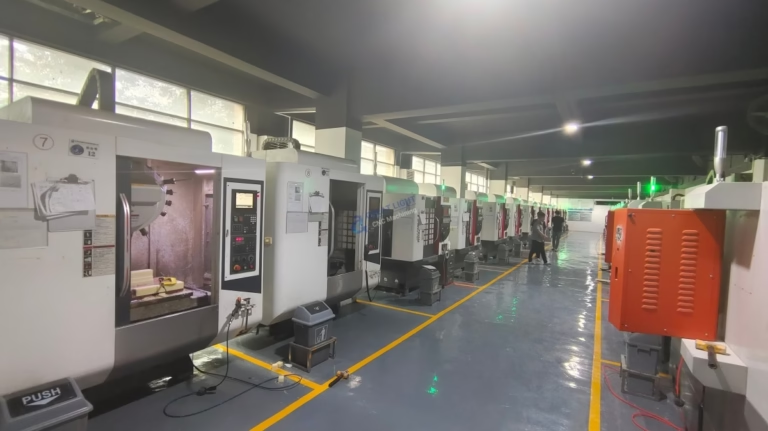
For manufacturers and workshop owners looking to expand capabilities or enter the precision parts market, the question of capital investment is paramount. The allure of a used CNC lathe machine, with its significantly lower upfront cost compared to a new model, is undeniable. It presents itself as a potential shortcut to increased production capacity. But is this a prudent strategic move for your business? The answer is not a simple yes or no, but a nuanced “it depends on your specific circumstances, risk tolerance, and long-term vision.”
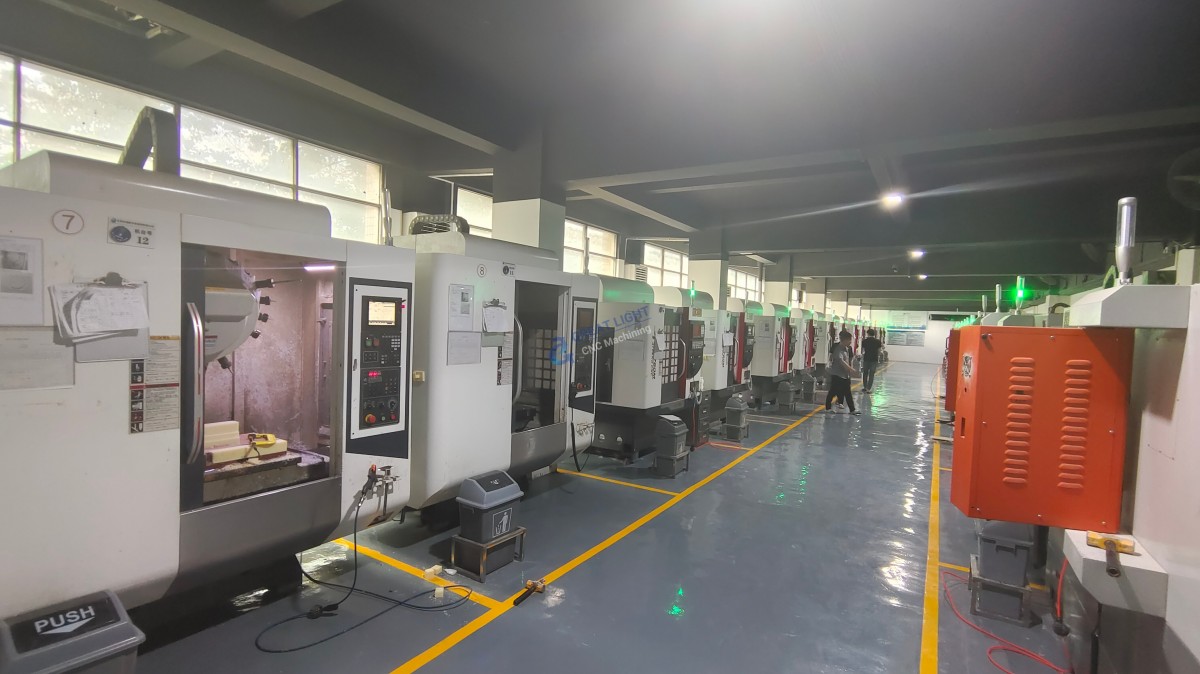
Let’s delve into the critical considerations, trade-offs, and hidden factors to determine if buying a used CNC lathe is the right path for you.
H2: The Allure and Reality of the Pre-Owned Market
The secondary market for CNC machinery is vast and active. Platforms abound with listings for used lathes from various eras, manufacturers, and conditions. The primary draw is cost savings. You might acquire a machine that was state-of-the-art a decade ago for a fraction of its original price, potentially allowing you to take on jobs that were previously out of reach.
However, this market operates on the principle of caveat emptor—buyer beware. A used machine is not just a piece of equipment; it’s a history of unknown workloads, maintenance regimens (or lack thereof), and potential hidden wear. The initial purchase price is just the entry fee.
H3: Critical Pre-Purchase Evaluation Factors
Before even contacting a seller, you must conduct a rigorous assessment.
1. Technical Inspection is Non-Negotiable:
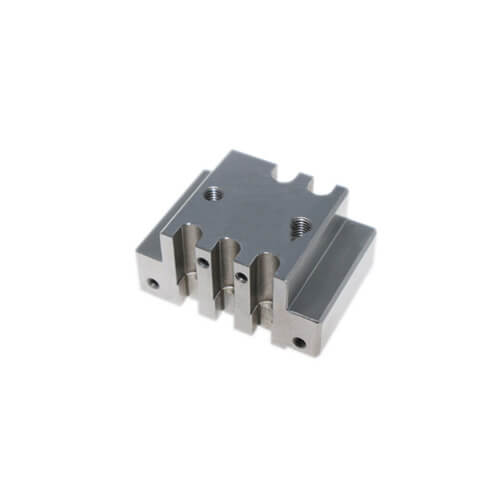
Mechanical Condition: Check for wear on guideways, ball screws, and spindle bearings. Excessive backlash or runout will murder precision.
Control System: Older CNC controls (like certain Fanuc or Siemens models) may be obsolete. Are parts and service still available? Is programming software compatible? Finding a programmer familiar with a 20-year-old system can be costly.
Accuracy Verification: Request a recent calibration report or, ideally, perform test cuts on-site to verify positioning accuracy and repeatability.
2. The Total Cost of Ownership (TCO) Analysis:
The sticker price is misleading. You must budget for:
Reconditioning & Repair: Immediate repairs to bring it to a reliable state can be substantial.
Tooling & Workholding: The machine likely won’t come with a full, modern tooling package.
Downtime: Unplanned outages waiting for rare spare parts can cripple production schedules and damage client relationships.
Energy Efficiency: Older machines are often power-hungry compared to modern models, increasing operational costs.
3. Alignment with Business Needs:
Does the machine’s capability—its precision, swing, center distance, and speed—precisely match the parts you need to produce now and in the foreseeable future? A “good deal” on an oversized or underpowered lathe is a poor deal.
H2: The Invisible Competitor: Outsourcing to a Specialized Partner
While wrestling with the decision to buy and operate a used lathe, there is a powerful alternative that many growing businesses overlook: partnering with a professional precision machining service provider. This model, exemplified by integrated manufacturers like GreatLight Metal Tech Co., Ltd. (GreatLight Metal), converts fixed capital expenditure and operational risk into a variable, predictable cost.
Consider this contrast: When you invest in a used machine, you are investing in a single point of capability. You bear 100% of the capital cost, maintenance, operator training, programming, and scheduling burden. Your capacity is rigidly fixed.
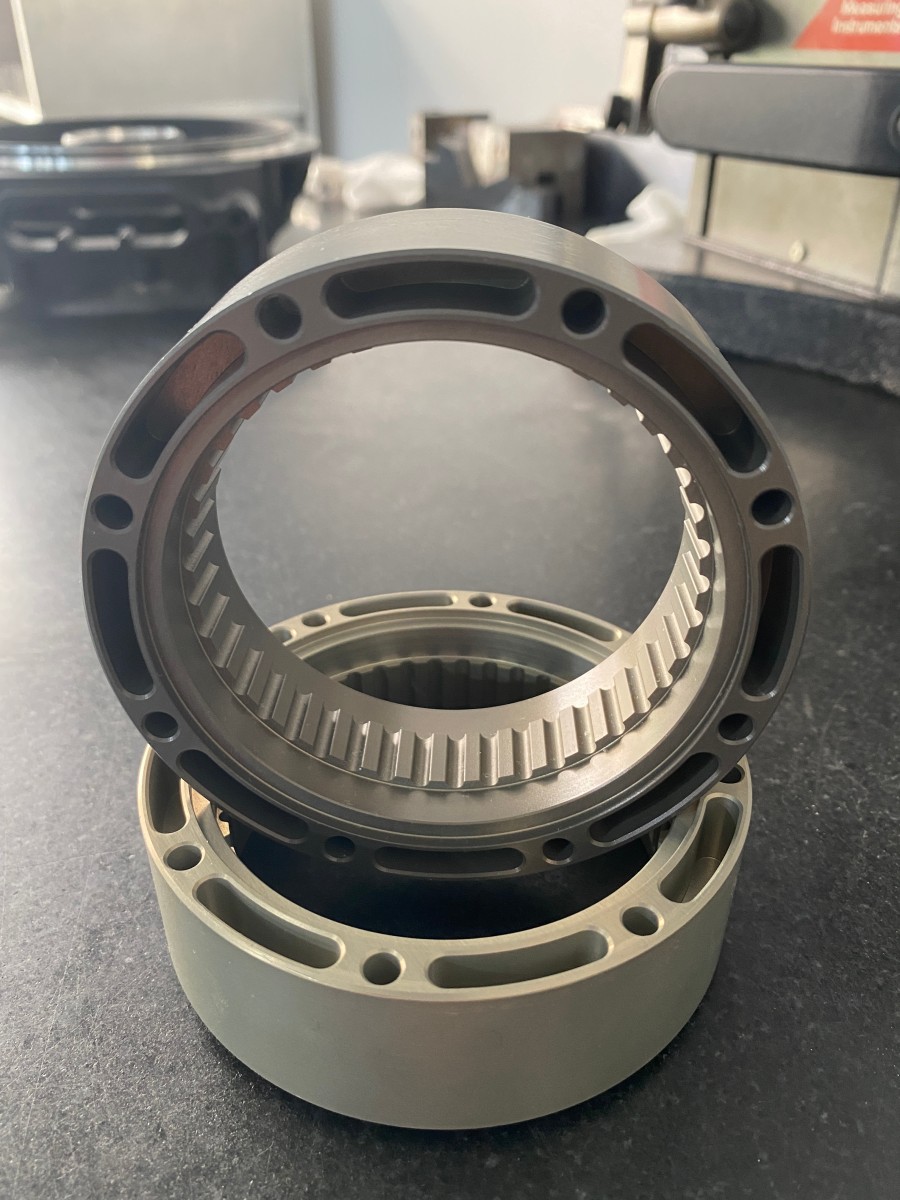
When you partner with a full-service manufacturer like GreatLight Metal, you tap into a comprehensive manufacturing ecosystem. This includes not just lathes, but a symphony of advanced 5-axis CNC machining centers, milling-turn systems, precision grinding, and full post-processing—all governed by stringent quality systems like ISO 9001:2015 and IATF 16949.
H3: Why This Partnership Model Often Wins for Precision Parts
For clients focused on developing and delivering high-quality precision components rather than running a machine shop, the outsourcing argument is compelling:
Zero Capital Lock-in: Free your capital for core business activities like R&D, sales, and marketing.
Access to Top-Tier Technology: You gain the effective use of the latest, best-maintained equipment without the depreciation hit.
Built-In Risk Mitigation: The partner absorbs the risks of machine downtime, maintenance, and technological obsolescence.
Engineering Synergy: Companies like GreatLight Metal provide deep manufacturing expertise. Their engineers can often suggest design-for-manufacturability (DFM) improvements that enhance performance or reduce cost, adding value beyond mere machining.
Scalability and Flexibility: Production can be scaled up or down rapidly without selling or purchasing equipment. You can also access different processes (e.g., switching from machining to 3D printing for a prototype) seamlessly.
In the precision-driven fields of automotive, aerospace, medical devices, and robotics, part integrity is everything. The consistency and traceability offered by a certified, professional supplier often outweigh the perceived per-part cost savings of in-house production on uncertain equipment.
H2: Conclusion: A Strategic Decision, Not Just a Purchase
So, can anyone buy a used CNC lathe machine? Technically, yes. But whether they should is the real question.
For a well-established workshop with in-house maintenance expertise, a clear need for a specific machine type, and the ability to absorb downtime, a carefully vetted used lathe can be a smart tactical acquisition.
However, for most businesses whose end goal is reliable, high-quality part production—not machine ownership itself—the strategic path often leads toward partnership. The journey from a design file to a flawless precision component is fraught with potential pitfalls. Aligning with a capable, full-service partner like GreatLight Metal transforms that journey from a capital-intensive solo trek into a collaborative, de-risked pathway to market. It allows you to leverage world-class precision 5-axis CNC machining services and integrated manufacturing solutions as a strategic extension of your own team, ensuring your focus remains on innovation and growth, not machine maintenance logs.
H2: Frequently Asked Questions (FAQ)
Q1: What are the biggest red flags when inspecting a used CNC lathe?
A: Walk away if you see evidence of major crashes (repaired or not), significant rust or corrosion on critical components, undocumented or patched-up control systems, or if the seller cannot provide a history of maintenance or allow a power-on test cut. An unwillingness to let you conduct a thorough inspection is the biggest red flag of all.
Q2: How do I estimate the true total cost of bringing a used lathe online?
A: Start with a professional inspection (cost: $500-$2000). Then budget 20-40% of the purchase price for immediate reconditioning, unknown repairs, and essential missing tooling. Don’t forget installation costs, potential electrical upgrades, and operator training on an old control system.
Q3: My volume is low and prototypes are complex. Does buying a used machine make sense?
A: Almost certainly not. Low volume and high complexity are the ideal scenario for outsourcing. You pay only for the parts you need, access the latest multi-axis technology for complex geometries, and avoid the massive fixed cost of a machine that will sit idle much of the time.
Q4: What are the advantages of using a service like GreatLight Metal over my own used machine for a new product launch?
A: Speed and flexibility. You can iterate designs rapidly using their full suite of processes (machining, 3D printing) without process changeover delays. You can scale production seamlessly from prototypes to small batches. Most importantly, you leverage their deep engineering support to optimize your design for manufacture, potentially reducing cost and improving reliability before you commit to any capital equipment.
Q5: When does owning any CNC machine, new or used, become the right choice?
A: When you have stable, high-volume production of a consistent part family that fully utilizes the machine, when machining is your core competency, and when you have the technical infrastructure to support it. For businesses where manufacturing is a means to an end for a larger product, the partnership model is typically more efficient and strategic. Connect with industry leaders like GreatLight Metal on platforms such as LinkedIn to explore how collaborative manufacturing can fuel your growth.



















