How much does a beginner CNC machine cost? This is one of the most pressing questions for hobbyists, startup engineers, and small business owners looking to dip their toes into precision parts machining without overstretching their budgets. Whether you’re prototyping a custom component for a new product or looking to start small-batch production, understanding the pricing landscape and hidden costs is key to making an informed decision.
How Much Does A Beginner CNC Machine Cost?
Key Factors Influencing Beginner CNC Machine Pricing
Before diving into specific price ranges, it’s essential to break down the factors that drive cost variations in beginner CNC machines. These variables can mean the difference between a $1,000 desktop router and a $50,000 entry-level professional mill:
Machine Type: CNC machines come in several forms, each designed for specific tasks. CNC routers are ideal for wood, plastic, and soft metals, while CNC mills handle harder metals and complex geometries. CNC lathes specialize in cylindrical parts, and CNC 3D printers are for additive manufacturing. The complexity of the machine’s mechanics directly impacts its price. DIY CNC kits can be found for as little as $500, but they require significant time and technical skill to assemble and calibrate, making them a poor choice for beginners who want to start producing parts quickly.
Working Envelope Size: The maximum size of parts a machine can handle (length, width, height) is a major cost driver. Desktop models with small envelopes (e.g., 300x300x100mm) are far cheaper than floor-standing machines that can accommodate parts up to 1,500mm in length.
Precision and Accuracy: For beginners, precision requirements vary widely. Hobbyist machines typically offer ±0.1mm accuracy, which is sufficient for non-critical parts, while entry-level professional machines can achieve ±0.01mm or better—critical for aerospace, medical, or automotive components. Higher precision requires better linear guides, spindle motors, and control systems, all of which add to the cost.
Automation and Features: Basic machines may require manual tool changes and lack auto-leveling or tool offset compensation, while more advanced models include automated tool changers (ATCs), coolant systems, and integrated CAD/CAM software. These features boost efficiency but also increase the price tag.
Brand and After-Sales Support: Established brands like Tormach, Haas, and Sherline often charge more but offer reliable customer support, spare parts availability, and training resources. Off-brand or DIY kits may be cheaper, but they come with higher risks of breakdowns and limited support.
Cost Breakdown by Beginner CNC Machine Category
To give you a clear picture, here’s a detailed breakdown of price ranges, use cases, and key features for different types of beginner-friendly CNC machines:
| Machine Category | Price Range | Key Features | Ideal Use Cases |
|---|---|---|---|
| Hobbyist Desktop CNC Router | $500 – $5,000 | Small working envelope, manual tool changes, basic CNC controls | Hobby projects, prototyping plastic/wood parts, small decorative components |
| Entry-Level CNC Mill | $5,000 – $20,000 | ±0.01mm accuracy, 2-3 axis, optional coolant system | Small-batch production of aluminum/steel parts, simple mechanical components |
| Beginner CNC Lathe | $8,000 – $25,000 | Cylindrical part machining, basic automation, variable spindle speed | Turning bolts, shafts, and other round metal parts |
| Desktop CNC 3D Printer (Industrial-Grade) | $3,000 – $15,000 | High-resolution printing, support for metal/engineering plastics | Rapid prototyping of complex geometries, low-volume production of custom parts |
| Mid-Range Beginner-Friendly Mill | $20,000 – $50,000 | 3-4 axis, automated tool changer, ±0.005mm accuracy, larger working envelope | Prototyping and small-batch production of precision metal parts, automotive components, medical devices |
When to Consider Outsourcing vs. Buying a Beginner CNC Machine
While owning a CNC machine may seem like a logical step for in-house production, it’s not always the most cost-effective choice for beginners. Before making a purchase, it’s critical to weigh the upfront costs against the hidden expenses and compare them to outsourcing to a professional precision CNC machining partner.
The Hidden Costs of Owning a Beginner CNC Machine
Many beginners overlook the ongoing expenses that come with owning a CNC machine, which can add up quickly:
Training: Learning to operate CNC machines and master CAD/CAM software can take weeks or months. Paid training courses or hiring a consultant can cost $1,000–$5,000.
Maintenance: Regular upkeep, including replacing worn parts, lubricating components, and calibrating the machine, can cost 5–10% of the machine’s purchase price annually.
Materials and Software: High-quality raw materials, cutting tools, and licensed CAD/CAM software (e.g., SolidWorks, Mastercam) can add $2,000–$10,000 per year.
Space and Utilities: Floor-standing machines require dedicated workshop space with proper ventilation and power supply, which may involve rent increases or renovations.
Downtime: Machine breakdowns can lead to delayed projects, lost revenue, and costly repairs—especially for off-brand machines with limited support.
Benefits of Outsourcing to a Precision Machining Partner like GreatLight Metal
For many beginners, outsourcing precision parts machining to a trusted partner like GreatLight Metal offers a more practical and cost-effective alternative to buying a machine. Here’s why:
No Upfront Investment: You avoid the high cost of purchasing, installing, and maintaining a CNC machine. Instead, you pay only for the parts you need, when you need them. For instance, if you need 50 aluminum prototypes with ±0.02mm precision, outsourcing could cost you a fraction of what it would take to buy an entry-level mill, train your team, and produce the parts in-house.
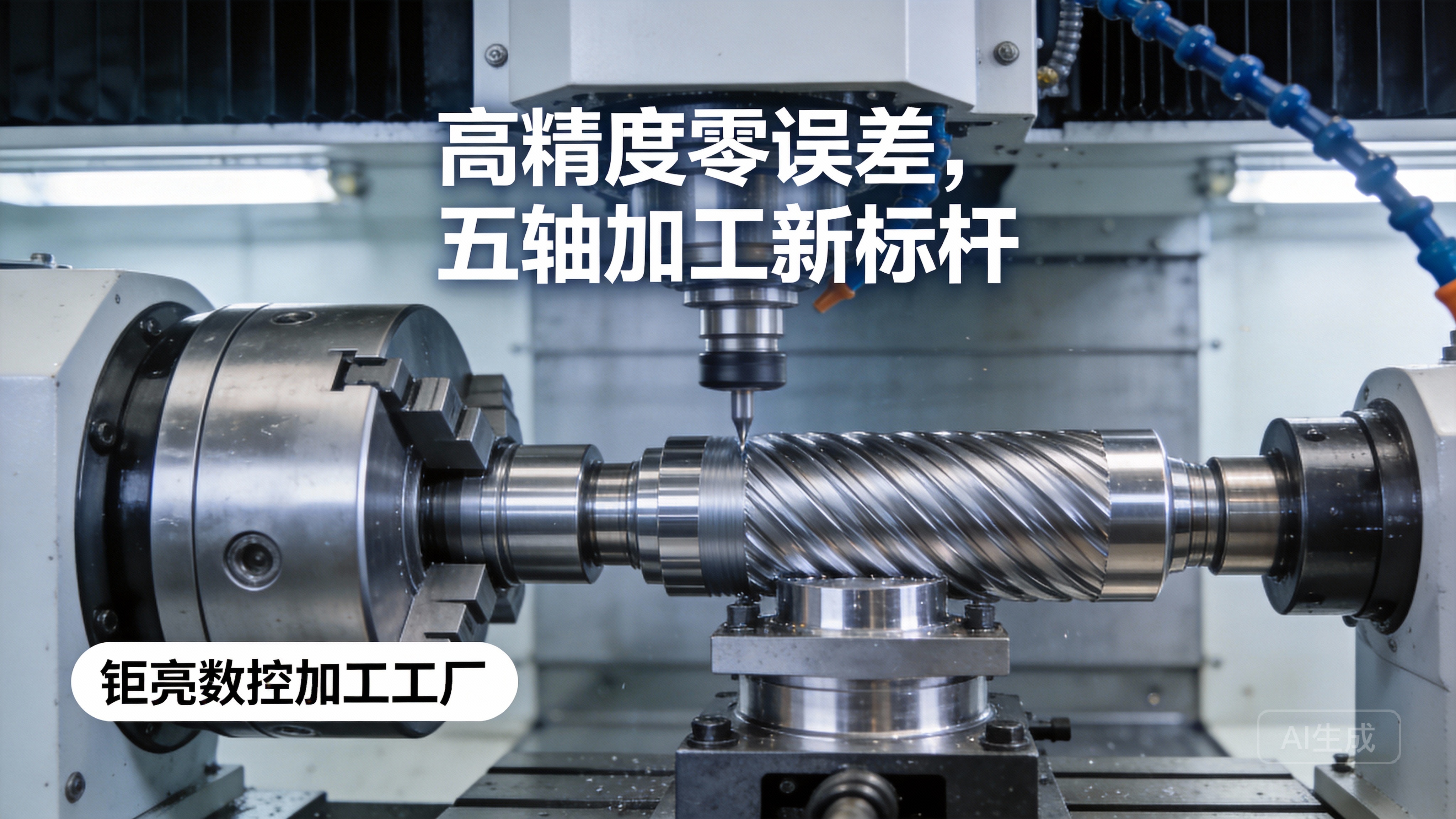
Access to Advanced Technology: GreatLight Metal operates over 127 pieces of precision equipment, including high-end 5-axis, 4-axis, and 3-axis CNC machining centers, as well as SLM, SLA, and SLS 3D printers. This means you can access capabilities that are far beyond the reach of beginner machines, such as ±0.001mm precision and parts up to 4000mm in size.
One-Stop Solutions: GreatLight Metal offers a full range of services, including CNC milling, die casting, sheet metal fabrication, vacuum casting, and one-stop surface post-processing (e.g., anodizing, powder coating, polishing). This eliminates the need to coordinate with multiple suppliers for different stages of production.
Industry-Recognized Quality: With ISO 9001:2015, IATF 16949, ISO 13485, and ISO 27001 certifications, GreatLight Metal adheres to strict quality standards. Their after-sales guarantee includes free rework for quality problems and a full refund if rework is still unsatisfactory—giving you peace of mind that your parts will meet specifications.
Expert Engineering Support: GreatLight Metal’s team of experienced engineers can help optimize your designs for manufacturability, reduce costs, and shorten lead times. This is invaluable for beginners who may not have in-house engineering expertise.
GreatLight Metal has over a decade of experience serving clients in industries like automotive, aerospace, medical, and humanoid robotics. Whether you need a single prototype or a small batch of precision parts, their ability to handle a wide range of materials (including aluminum, titanium, stainless steel, and engineering plastics) ensures you get the right solution for your project.
Conclusion
How much does a beginner CNC machine cost? The answer depends on your needs, budget, and long-term goals. While hobbyist machines can be affordable for personal projects, entry-level professional models require a significant investment—and that’s before accounting for hidden costs like maintenance and training. For many beginners, outsourcing to a reliable partner like GreatLight Metal is a smarter choice, as it gives you access to top-tier technology, expert support, and quality assurance without the upfront financial burden. Whether you’re prototyping a new product or scaling small-batch production, GreatLight Metal’s one-stop precision machining services can help you turn your designs into high-quality parts efficiently and cost-effectively.
Frequently Asked Questions (FAQ)
1. Can I use a hobbyist CNC machine for small batch production?
Hobbyist CNC machines can handle small batches of non-critical parts (e.g., plastic enclosures, wood prototypes) but may not be reliable for high-volume or precision-critical production. Their lower accuracy and slower speeds can lead to inconsistent parts and longer lead times. For professional small-batch production, outsourcing to a partner like GreatLight Metal is a better option.
2. What hidden costs should I consider when buying a beginner CNC machine?
Beyond the purchase price, you’ll need to budget for training, maintenance, raw materials, cutting tools, CAD/CAM software, workshop space, and utilities. These ongoing costs can add 20–30% to the total annual expense of owning a machine.
3. How does outsourcing to GreatLight Metal compare to owning my own CNC machine in terms of cost for small batches?
For small batches (1–100 parts), outsourcing is typically cheaper than owning a machine. You avoid the upfront purchase cost, maintenance, and training expenses, and you only pay for the parts produced. GreatLight Metal’s competitive pricing and fast lead times also mean you get your parts faster than if you were to produce them in-house with a beginner machine.
4. What types of materials can GreatLight Metal handle for custom precision parts?
GreatLight Metal works with a wide range of materials, including aluminum alloys, titanium alloys, stainless steel, mold steel, engineering plastics (e.g., PEEK, ABS, nylon), and more. They also offer specialized services like stainless steel 3D printing and aluminum alloy 3D printing for complex geometries.
5. Does GreatLight Metal offer support for prototyping before mass production?
Yes. GreatLight Metal specializes in rapid prototyping, including CNC machining prototypes, 3D printed prototypes, and vacuum casting prototypes. Their engineering team can help you refine your design for manufacturability, test functionality, and ensure that your final product meets all requirements before moving to mass production.
6. What industries does GreatLight Metal serve?
GreatLight Metal serves a diverse range of industries, including automotive (engine components, electric vehicle parts), aerospace (structural components, fasteners), medical (surgical instruments, implant parts), humanoid robotics (joint components, structural frames), and high-end consumer electronics (precision enclosures, custom parts).